Can Dogs Eat Human Food? Understanding Safe Snacks
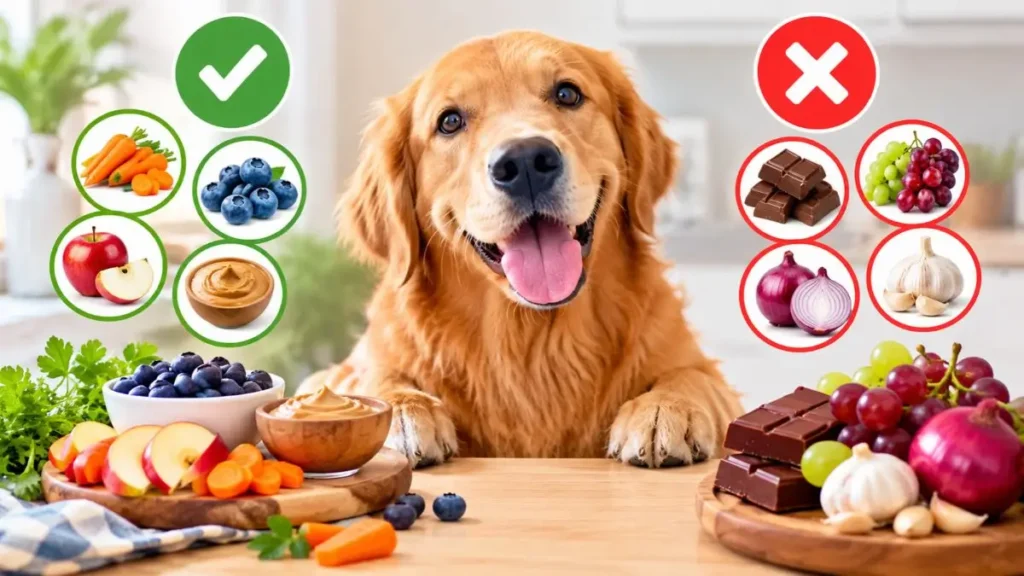
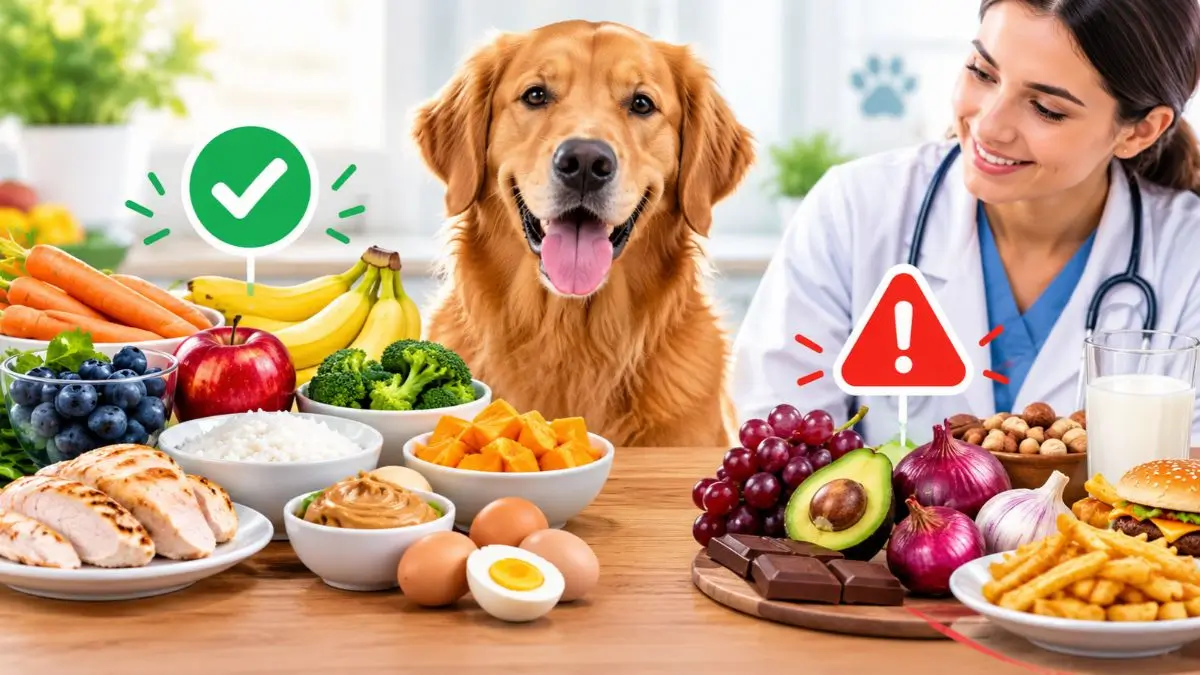
While a consistent, nutritionally balanced dog food should make up the bulk of your pup’s diet, many human foods are perfectly safe – and even healthy – for dogs to enjoy as occasional treats. However, it’s critical to know which people foods are toxic to avoid an emergency vet visit.
10 Human Foods That Are Safe for Dogs
1. Lean Meats
Cooked, unseasoned lean meats like chicken, turkey, beef and pork are excellent protein sources for dogs. Remove visible fat and never give your dog cooked bones which can splinter.
2. Certain Fruits
Many fruits make healthy, antioxidant-rich snacks for dogs, including:
- Apple slices (no seeds or core)
- Blueberries
- Strawberries
- Watermelon (no seeds or rind)
- Bananas
3. Carrots
Raw or cooked carrots are great low-calorie chews packed with vitamins and fiber. Frozen carrots can soothe teething puppies.
4. Green Beans
Plain green beans are filling and low-calorie. Opt for fresh, frozen or steamed with no added salt or seasonings.
5. Sweet Potatoes
Cooked, peeled, mashed sweet potatoes are nutritious and most dogs love the taste. Start with small amounts as they are high in fiber.
6. Pumpkin
Plain, canned pumpkin (not pie filling) soothes upset stomachs and its fiber content can help with diarrhea and constipation. Go easy at 1-2 teaspoons per 10 lbs of body weight.
7. Eggs
Cooked eggs are one of the most complete, bioavailable protein sources. Hard-boiled is easiest. No raw eggs due to salmonella risk.
8. Yogurt
Plain, low-fat or non-fat yogurt is rich in calcium and probiotics that support gut health. Avoid sweetened yogurts. Cottage cheese is also safe in small amounts.
9. Oatmeal
Cooked oatmeal is a great source of soluble fiber. Use plain rolled or instant oats cooked in water, not milk.
10. Certain Nuts
Unsalted peanuts, cashews and almonds are safe in moderation and packed with protein, vitamins and healthy fats. A small handful is plenty for most dogs.
Foods You Should Never Feed Your Dog
On the flip side, many common people foods are toxic to dogs and should always be avoided, including:
- Chocolate
- Grapes and raisins
- Onions and garlic
- Avocado
- Macadamia nuts
- Bread dough with active yeast
- Alcohol
- Caffeinated foods and drinks
- Products sweetened with xylitol
Also avoid very salty, spicy, or fatty foods which can cause stomach upset. See a full list of foods toxic to dogs from the AKC.
How to Safely Give Human Food to Your Dog
When introducing any new food:
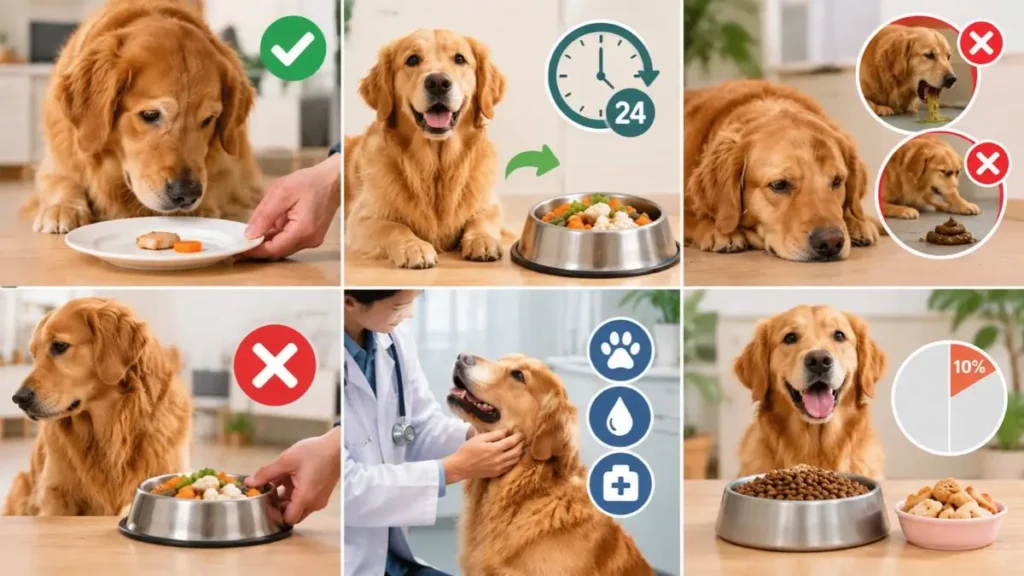
- Start with a tiny amount to see how your dog reacts
- If no problems after 24 hours, gradually increase the amount
- Watch for signs of stomach upset like vomiting or diarrhea
- Stop feeding that food if you notice issues
- Consider any health conditions – check with your vet first if your dog has allergies, diabetes, or other medical issues
Treats of any kind should make up no more than 10% of your dog’s daily calories to avoid nutritional imbalances and weight gain.
Frequently Asked Questions
What vegetables can dogs eat?
Many fresh veggies make great low-calorie treats, including carrots, green beans, broccoli, celery, cucumber, sweet potato, and zucchini. Always wash thoroughly, cut into small pieces, and start with tiny amounts to avoid digestive upset.
Can dogs have cheese?
Yes, most dogs can safely eat small amounts of low-fat, low-sodium cheeses like mozzarella and cottage cheese. Go easy at first, as some dogs may be lactose intolerant. Avoid rich cheeses and never give your dog cheese with added ingredients like garlic or onion.
Is cinnamon safe for dogs?
A sprinkle of cinnamon is safe for most dogs and may even offer anti-inflammatory benefits. However, large amounts of cinnamon or cinnamon essential oils can irritate the mouth and digestive tract.
What foods are toxic to dogs?
Foods toxic to dogs include chocolate, grapes, raisins, onions, garlic, avocado, macadamia nuts, anything sweetened with xylitol, alcohol, yeast dough, and foods/drinks with caffeine. Avoid these completely, even in small amounts.
Can dogs eat peanut butter?
Yes, plain unsalted peanut butter with no added sugar or sweeteners is safe for dogs in moderation and makes a great treat for stuffing Kongs. Always check the label to ensure it doesn’t contain xylitol, a sweetener that is toxic to dogs.
By sticking to safe, wholesome foods and watching portions, you can share many healthy table foods with your pup. When in doubt, ask your vet. And if you think your dog has eaten something toxic, contact a poison helpline or emergency vet clinic right away.
3 thoughts on “<h1>What Human Foods Can Dogs Eat Safely? A Vet’s Guide</h1>”