

If your dog just licked butter off the counter, here is the short version: butter is not toxic to dogs. But a whole stick is a genuine problem, because butter is about 80 percent fat, and that much fat at once can set off vomiting, diarrhea, or pancreatitis, a painful inflammation of the pancreas. A tiny lick is almost never an emergency. A whole stick, especially in a small dog, is a call-your-vet situation. This guide walks through what to expect at every level, which dogs are at risk, and what vets advise.
Is Butter Toxic to Dogs?
No, butter is not toxic to dogs. There is no poison in it like the theobromine in chocolate. The danger is the fat: about 80 percent of butter is saturated fat, and a fatty overload can set off vomiting, diarrhea, or a painful inflammation of the pancreas called pancreatitis. So treat butter as unsafe, not poisonous.

It helps to separate “toxic” from “unsafe” here, because the difference shapes what you do next. Toxic means a substance chemically poisons the body, like xylitol or the theobromine in chocolate. Butter does neither. What it does is deliver a huge load of saturated fat and calories, and a dog’s digestive system is not built to handle a sudden fat bomb. The stomach and intestines protest, and in unlucky dogs the pancreas flares up.
That is why the standard vet answer is a shrug with a warning: not poisonous, but no reason to ever feed it. Monitor a small amount, act fast on a large amount, and do not make butter a habit. Dogs do not need dairy fat or the extra calories.
What Happens If a Dog Eats a Little Butter?
A small lick of butter is almost never an emergency. Most healthy dogs handle a fingertip taste without any symptoms, because the dose is tiny compared to their body weight. Watch for mild stomach upset over the next 12 to 24 hours, but skip the panic call to the vet unless you see repeated vomiting or bloody stool.
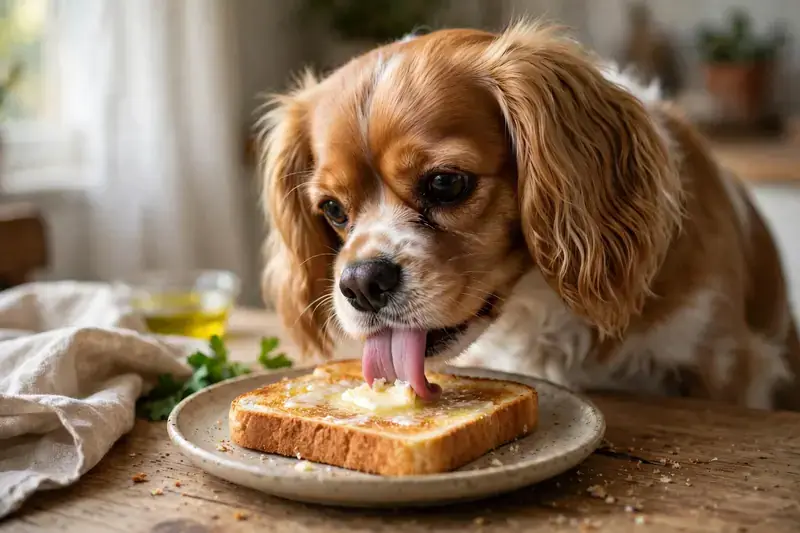
In practice, this is the most common scenario: the dog licks the butter knife, steals a corner of toast, or gets a smear off a plate. Most of the time, nothing happens. If anything does, it is usually soft stool or one round of vomiting within a few hours, and then the dog is back to normal. Keep water available and feed the next meal as usual, or slightly bland if the stomach seems unsettled.
The exception is the dog with a sensitive system. A dog with a history of pancreatitis, a dog on a prescription low-fat diet, or a very small puppy can react to amounts that a big healthy Lab would shrug off. Know your dog. If your vet has ever warned you about fat, even a lick deserves a phone call. For a general sense of which everyday foods are genuinely safe to share, our guide to what human food dogs can eat is a useful reference.
What Happens If a Dog Eats a Whole Stick of Butter?
A whole stick of butter is a different story, especially for small dogs. That is about eight tablespoons and roughly 800 calories of nearly pure fat hitting the stomach at once. Expect vomiting or greasy diarrhea within a few hours, and call your vet or an animal poison line, because pancreatitis risk climbs sharply with this much fat.

A whole stick, wrapper and all, is a classic counter-surfing heist. The wrapper usually passes or gets vomited up, but the fat is the real issue. For a 10-pound dog, a stick is a massive fat overdose relative to body weight. For an 80-pound dog the risk drops, but it is still a lot. When you call the vet, have three facts ready: how much was eaten, how long ago, and your dog’s weight.
Do not try to induce vomiting at home unless your vet specifically tells you to. Fatty vomit can be aspirated into the lungs, and the timing matters. Instead, call your vet or an emergency line such as the Pet Poison Helpline right away. If you want to understand the procedure vets sometimes use, read how to induce vomiting in dogs, but only act on a vet’s direct instruction. What you can do at home is withhold food for a few hours if the vet advises it, offer small amounts of water, and watch closely.
Pancreatitis: The Real Danger of Butter
Yes, butter can trigger pancreatitis in dogs, and this is the risk vets worry about most. Pancreatitis is inflammation of the pancreas, the organ that releases digestive enzymes. A sudden high-fat meal can activate those enzymes inside the organ itself, causing severe abdominal pain, vomiting, and a condition that sometimes needs hospital care.

Here is what is happening inside the dog. The pancreas normally releases digestive enzymes into the small intestine in an inactive form, and they switch on once they arrive. A sudden flood of dietary fat is one of the classic triggers that can cause those enzymes to activate early, while still inside the pancreas. The organ essentially starts digesting itself. That is why pancreatitis pain is so severe and why it can become dangerous quickly.
Not every dog that eats butter gets pancreatitis. Many get away with a bad night of diarrhea. But vets see enough butter-triggered cases, especially around holidays, that they treat a large butter ingestion as a pancreatitis watch. According to VCA Hospitals, dietary indiscretion, meaning eating something rich and unusual, is a leading trigger.
Which Dogs Are at Higher Risk?
Small breeds, overweight dogs, and certain breeds face the highest risk. Miniature Schnauzers are famously prone to pancreatitis, along with Yorkshire Terriers, Poodles, and Cocker Spaniels. Dogs with a history of stomach trouble, older dogs, and any dog already on a low-fat diet for liver or pancreatic issues should never get buttery scraps.

Breed matters more than most owners realize. Miniature Schnauzers have a well-documented tendency toward high blood fat levels, which makes them the poster breed for pancreatitis. Yorkshire Terriers, Miniature Poodles, and Cocker Spaniels also show up overrepresented in case numbers. If you own one of these breeds, your margin for fatty slip-ups is smaller, and your vet has probably already told you to keep the diet boring.
Weight is the other big factor. An overweight dog’s pancreas already works under strain, and the same goes for dogs with diabetes, Cushing’s disease, or hypothyroidism. If your dog has had pancreatitis before, a second episode triggers more easily and often hits harder. For these dogs, even innocent-looking table scraps are off the table. A bland diet for dogs is what vets reach for after stomach upsets, not richer food.
Salted vs Unsalted Butter: Does It Matter?
Salted versus unsalted barely changes the picture, because fat is the real problem, not salt. A stick of salted butter contains roughly 700 milligrams of sodium, which is a lot for a small dog on top of the fat load. If you ever cook for your dog, unsalted is the marginally better pick, but neither belongs in a dog’s bowl.
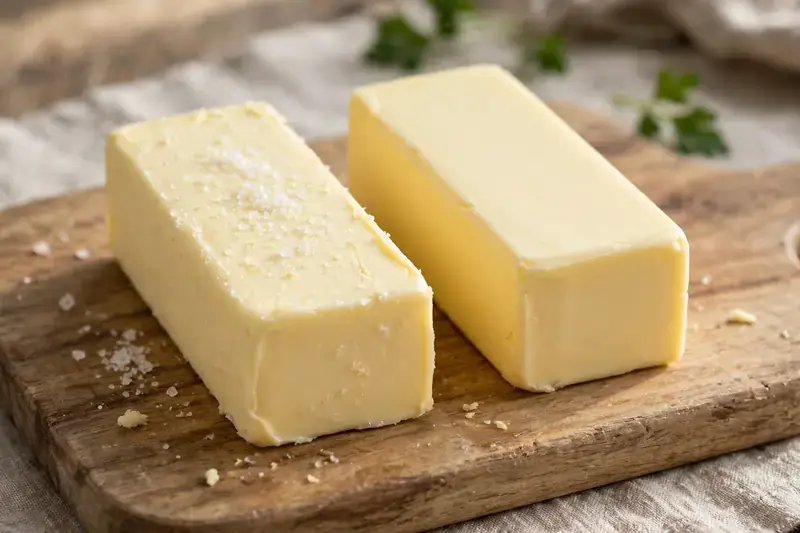
Owners often ask whether switching to unsalted makes butter safe. It does not. The salt difference is real but minor compared with the fat content, which is identical in both. The one scenario where salt matters is a very small dog eating a whole stick of the salted kind, where the sodium adds a second insult on top of the fat. Salt poisoning is unlikely from butter alone, but it is one more reason the whole-stick scenario deserves a vet call.
If you cook homemade food for your dog and want a little fat for flavor or calories, unsalted is the only version to consider, and even then only in tiny amounts mixed through a full recipe. Dogs get plenty of sodium from a balanced diet already. There is no nutritional reason to add salted butter to anything a dog eats.
Butter Alternatives and Cooking Fats
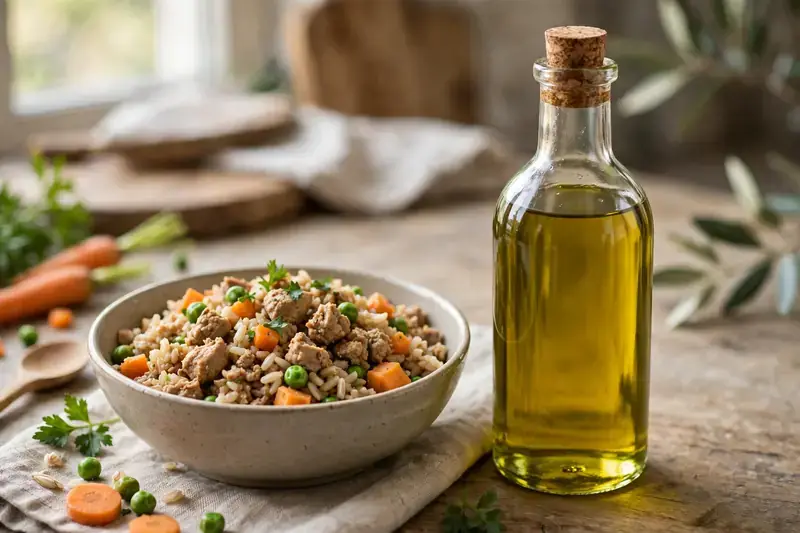
If you want a cooking fat for homemade dog food, plain oils beat butter. A teaspoon of olive oil or coconut oil mixed into a large batch of food is a common vet-tolerated choice, used for calories and coat condition rather than flavor. Ghee is still clarified butterfat, so it carries the same pancreatitis concern as regular butter.
Ghee confuses a lot of owners because it is marketed as a healthier, lactose-free option. For dogs, the lactose was never the main problem, so removing it changes almost nothing. Ghee is nearly pure butterfat, which means it carries the same pancreatitis risk as butter, concentrated. Do not treat ghee as the dog-safe version of butter.
Olive oil and coconut oil are the fats vets mention most for homemade diets, and even those are measured in teaspoons, not tablespoons. They add calories or support skin and coat inside a balanced recipe, never poured over kibble for fun. Talk to your vet or a veterinary nutritionist about fat levels rather than improvising.
Can Dogs Eat Margarine or Plant Butter?
Margarine is not a safe swap for butter. Most margarines contain vegetable oils, salt, and sometimes xylitol in ‘light’ or sugar-free versions, and xylitol is genuinely toxic to dogs even in tiny amounts. Plant-based butters often pack just as much fat as dairy butter. Keep all spreads, buttery or not, out of your dog’s reach.

The xylitol warning deserves emphasis because it is the one spread ingredient that truly is poisonous. Some ‘light’, ‘sugar-free’, or ‘keto’ margarines and plant butters use xylitol (also labeled as birch sugar) as a sweetener. In dogs, xylitol triggers a massive insulin release that can crash blood sugar within 30 minutes and damage the liver. If your dog eats any spread and you are not sure of the ingredients, check the label immediately and call your vet if xylitol appears anywhere on it.
Plant-based butters made from coconut or palm oil are no better than dairy butter on fat content. They exist for human dietary preferences, not for dogs. The rule for the whole spread shelf is simple: if it is designed to taste rich and fatty to a human, it does not belong in a dog’s mouth.
Signs Your Dog Needs the Vet After Eating Butter
Call the vet if vomiting repeats, your dog refuses food, or the belly looks swollen and painful. Pancreatitis warning signs include repeated vomiting, a hunched ‘prayer position’ with front legs down and rear up, lethargy, loss of appetite, and fever. Bloody stool or collapse is an emergency. Do not wait and hope it passes.

Timing matters. Mild stomach upset from butter usually shows up within 2 to 6 hours and resolves within a day. Pancreatitis signs can take 12 to 72 hours to develop, so vets advise watching for two to three days after a large fatty ingestion. A quiet first night does not mean you are in the clear.
The prayer position is the classic sign owners should know: the dog stretches its front legs forward and low while keeping the rear end up, which eases abdominal pain. Repeated vomiting, a tender or swollen belly, drooling, restlessness, and complete refusal of food all point the same direction. According to PetMD, these signs warrant prompt veterinary attention rather than a wait-and-see approach, because pancreatitis can escalate from uncomfortable to dangerous. While you wait for guidance, keep your dog hydrated; our article on electrolytes for dogs covers safe hydration support during stomach upsets.
How to Keep Butter Away From Dogs
Store butter where a counter-surfing dog cannot reach it, and teach the household that buttered toast crusts are not dog treats. Wipe greasy pans before setting them in the sink, secure trash lids, and tell guests not to feed table scraps. During holidays, when rich food is everywhere, keep your dog’s routine meals boring and consistent.

Most butter incidents are not deliberate feeding. They are a dog left alone with a cooling tray of rolls, a toddler dropping buttered toast, or a guest who thinks one bite cannot hurt. The fixes are household habits, not willpower: push food to the back of the counter, use a butter dish with a heavy lid, and crate or gate the dog during cooking if yours is a known thief.
Holidays deserve special attention. Vets report a spike in pancreatitis cases after Thanksgiving and Christmas, and butter is usually part of a bigger pattern of rich scraps, turkey skin, and gravy. Tell visiting family the rule before the meal, not after the dog has toured the buffet. A boring, consistent diet is the best gift you can give a dog’s pancreas. If you want safe foods to share instead, plain pumpkin for dogs or a little chicken broth for dogs makes a far better treat than anything from the butter dish.
Frequently Asked Questions
My dog licked butter off my toast. Should I panic?
No. A lick or a bite of buttered toast is not an emergency for a healthy dog. Watch for mild stomach upset over the next day, keep water available, and feed normally. Call your vet only if vomiting repeats, your dog refuses food, or you see bloody stool. Dogs with a history of pancreatitis are the exception and deserve a quicker call.
How long does butter-related stomach upset last in dogs?
Mild upset from a little butter usually resolves within 12 to 24 hours. Vomiting or soft stool that clears up, followed by a normal appetite, is a good sign. If symptoms last more than a day or your dog will not eat, call your vet. Pancreatitis signs can appear up to 72 hours after a fatty meal, so watch for three days after a large ingestion.
Can butter kill a dog?
Butter itself is not poisonous, so a small amount will not kill a healthy dog. The danger is pancreatitis from a large fatty ingestion, and severe pancreatitis can be life-threatening without treatment. That is why a whole stick, especially in a small dog, is treated as a veterinary matter rather than a wait-and-see situation. Prompt care makes severe outcomes far less likely.
Is unsalted butter safer than salted butter for dogs?
Only slightly. Unsalted butter has less sodium, but the fat content is identical, and fat is the real risk. Neither version is safe to feed deliberately. If you use any fat in homemade dog food, unsalted is the better choice, measured in teaspoons and mixed through a full recipe, not served on its own.
Can dogs eat ghee instead of butter?
No, ghee is not a safer alternative. It is clarified butterfat, nearly pure fat with the milk solids removed, so it carries the same pancreatitis risk as regular butter. The fact that it is lactose-free does not matter for dogs, since lactose was never the main concern. Treat ghee exactly like butter: keep it away from your dog.
Should I induce vomiting if my dog ate a whole stick of butter?
Not on your own. Vomiting up that much fat can cause aspiration into the lungs, and vets decide based on timing, amount, and your dog’s health. Call your vet or an animal poison line first and follow their instructions exactly. According to the AKC, inducing vomiting is only safe in specific situations and with proper guidance.
What can I give my dog instead of buttery treats?
Plenty of safer options exist. Plain cooked pumpkin, a spoonful of low-sodium chicken broth over kibble, or a few blueberries all make good treats without the fat load. Bone broth is another favorite; see our guide to bone broth for dogs for safe preparation. Keep treats under 10 percent of daily calories no matter what you choose.

1 thought on “Can Dogs Eat Butter? What a Lick vs a Whole Stick Really Does”