
Heartgard for dogs is a monthly prescription chew that prevents heartworm disease and treats roundworms and hookworms. It does not kill fleas or ticks, and it cannot cure a dog that already has adult heartworms. The chew works by killing heartworm larvae a mosquito passed to the dog in the previous month, so the timing of every dose matters more than the chew itself. This guide covers what Heartgard does, what it leaves out, how to give it, and when to call the vet.

What is Heartgard for dogs?
Heartgard for dogs is a beef flavored chewable tablet that a vet prescribes once a month to prevent heartworm disease. The product most vets dispense today is Heartgard Plus, which pairs ivermectin with pyrantel pamoate. Ivermectin targets heartworm larvae, while pyrantel clears roundworms and hookworms from the gut. Plain Heartgard, with ivermectin alone, still exists in some markets, so the name on the box is worth checking before you assume what is inside.
Heartworm disease comes from a mosquito bite. The mosquito deposits larvae under the skin, and those larvae migrate toward the heart and lungs over several months. Adult worms clog the heart and damage the lungs, and treatment for adult worms is long, costly, and hard on the dog. Prevention costs far less in money and in risk, which is why vets push the monthly chew so hard. A dog that swallows the chew on schedule never gives the larvae time to grow up.

Which parasites does Heartgard cover?
Heartgard Plus covers three parasites, and the list is shorter than many owners expect. Heartworm larvae top the list, since that is the product’s main job. Roundworms come next, with two species named on the label, Toxocara canis and Toxascaris leonina. Hookworms follow, with three species covered, Ancylostoma caninum, Ancylostoma braziliense, and Uncinaria stenocephala. The VCA guide to heartworm disease in dogs explains why heartworm sits in a class of its own among these parasites.
The gaps matter just as much. Heartgard does not treat tapeworms or whipworms, and it offers zero protection against fleas or ticks. A dog on Heartgard alone can still pick up fleas in the yard and ticks on a trail. Owners who want one product for everything need a combination chew instead, and the vet can say which one fits the dog’s risk. The ASPCA guide to fleas and ticks explains the separate cover the dog still needs. Do not assume a heartworm chew is a full parasite plan. It is one piece of it.

How does Heartgard work in a dog’s body?
Ivermectin kills the tissue stage of heartworm larvae, the young worms a mosquito left behind in the past 30 days. The chew does not build a shield that stops mosquitoes from biting. It works backward, clearing larvae from the previous month before they can mature. That backward action is the reason a missed dose opens a gap. Larvae from the missed month survive, and the next chew cannot reach them once they pass the tissue stage.
Pyrantel works in the gut, where it paralyzes roundworms and hookworms so the dog passes them in the stool. It does not enter the bloodstream in large amounts, which keeps its job local and simple. The two drugs together cover the heart and the gut, and neither one lingers in the body for weeks. The chew is gone from the system long before the next dose is due, and the next dose starts the cycle again. Cornell’s veterinary school describes the same larval timing in its heartworm disease overview for dog owners.
How do you give Heartgard to your dog?
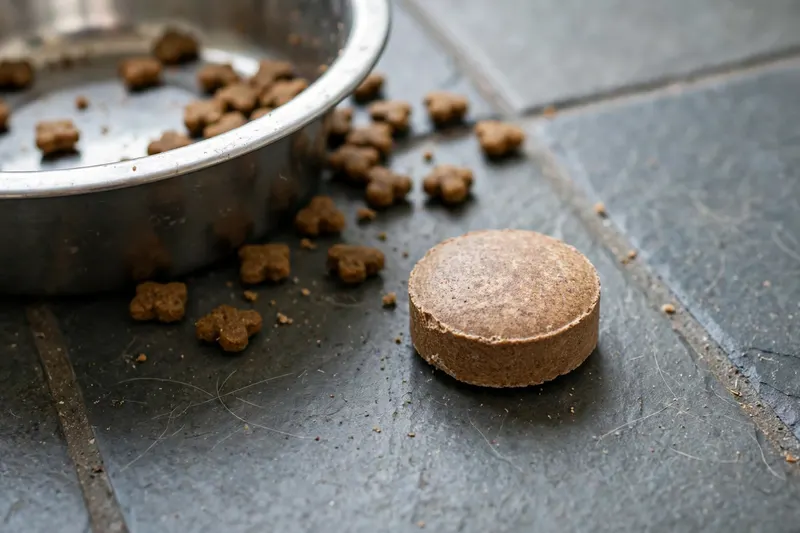
Give one chew by mouth once a month, on the same date each month, with or without food. Most dogs eat the beef flavored chew like a treat, straight from the hand. A picky dog may need the chew hidden in a small piece of cooked chicken, and pill pockets work well for that job without adding a full meal. Watch the dog swallow the whole chew. A half chewed tablet spat onto the floor is a missed dose, not a given one.
The vet picks the chew strength from the dog’s current weight, using color coded packs for dogs up to 25 pounds, 26 to 50 pounds, and 51 to 100 pounds. Dogs over 100 pounds need a combination of chews, and the vet sets that mix. Weigh the dog before each new box, because a puppy that outgrows its pack is underdosed, and an underdosed chew may fail to kill the larvae. The vet sets the dose by weight and condition, and the label dose is a minimum, not a target to guess at home.

How fast does Heartgard start working?
Heartgard starts working the day the dog swallows it, but the effect is easy to misunderstand. The chew kills larvae the dog picked up in the previous month, so it does not protect against a mosquito bite that happens tomorrow. Protection builds from steady monthly dosing, not from a single chew. A dog that starts Heartgard in May is clearing April’s larvae, and the May larvae get cleared by the June dose.
Year round dosing is the standard advice in most of the United States, because mosquitoes do not keep a neat calendar everywhere. Warm states see mosquitoes in every month, and even cold states get warm spells that wake them early. The American Heartworm Society treats preventives as highly effective but not perfect, so the monthly habit is the whole strategy. A chew given late still helps, but a chew skipped entirely leaves a month of larvae untouched.

What side effects can Heartgard cause?
Most dogs show no side effects at all, and Heartgard has one of the longest safety records of any dog drug. The reactions that do appear are usually mild and short lived. Vomiting tops the list, followed by diarrhea, lethargy, and a smaller appetite for a day. Some dogs drool or seem restless after the chew, and that usually passes on its own. A single soft stool after a dose is not a reason to stop the drug, though repeated vomiting is worth a call to the vet. For mild diarrhea after a dose, Imodium for dogs is sometimes discussed with the vet, and Benadryl for dogs may help itching if the skin flares after a dose.
Serious reactions are rare at the preventive dose. The label warns that dogs with an existing heartworm infection can suffer a severe shock like reaction if they receive the chew, because dying microfilariae trigger a strong immune response. That is why the heartworm test comes before the first dose, not after. Dogs with the MDR1 gene fault, common in collies and related herding breeds, tolerate the preventive dose well, since it sits far below the level that causes trouble in those breeds. The vet still needs to know the breed and the history before prescribing.

Which dogs can take Heartgard, and which need extra care?
Heartgard Plus is labeled for dogs and puppies from 6 weeks of age, with no minimum weight on the label. That makes it one of the few preventives a vet can start very early. Breeding, pregnant, and lactating dogs can use it under vet guidance, and the label carries safety data for those groups. Collies and other herding breeds can take the preventive dose, as the FDA label states it is safe for them at the recommended dose.
A few situations need a pause and a vet visit first. Dogs 7 months or older need a negative heartworm test before the first chew, and the test is repeated each year. A dog that already carries adult heartworms needs adulticide treatment with melarsomine, the only drug that kills adult worms, and Heartgard cannot replace that. Sick or underweight dogs should be checked before starting any preventive. When a dog has a history of drug reactions, the vet needs the full list before writing the prescription.

What happens if you miss a dose of Heartgard?
Give the missed chew as soon as you remember, then return to the normal monthly date. A dose a few days late is a small gap, and the next chew still clears most larvae. A gap of several weeks is a bigger problem, because larvae from the missed period may have matured past the stage ivermectin can kill. The vet may order a heartworm test a few months after a long gap, since adult worms take time to show up on a test.
Do not double up to make up for a missed month. Two chews at once do not clear two months of larvae, and the extra dose adds nothing but risk. Set a phone reminder for the same date each month, and keep the box where you will see it. If the dog vomits within a short time of swallowing the chew, call the vet before redosing, because the vet needs to judge whether any of the dose stayed down. Once the vet rules out anything serious, a bland diet for a day or two is the usual recovery path. A bloody diarrhea episode or repeated vomiting after a dose always earns a prompt vet call, and gastroenteritis is the term the vet will use for that stomach upset.

Heartgard or a combination chew: which fits your dog?
Heartgard suits dogs that already have flea and tick cover from another product, or dogs in homes where fleas and ticks are rare. It also suits owners who want the longest safety record and the lowest price per month. The chew does one job well, and pairing it with a separate flea and tick product gives full cover without forcing a switch. Many vets still prescribe this split, because each drug can be changed on its own if the dog reacts to one of them.
A combination chew suits owners who want one tablet for heartworm, fleas, ticks, and gut worms. That convenience costs more per month, and a reaction to the combination is harder to trace to one ingredient. Dogs with a seizure history may need to avoid the isoxazoline class found in several combination chews, and Heartgard carries no such warning, which makes it the safer pick for those dogs. The right choice depends on the dog’s parasite risk, the local tick pressure, and the seizure history, not on which box looks newer. Ask the vet to weigh those three facts before you switch.

Getting a prescription and keeping the routine going
Heartgard is prescription only in the United States, so the process starts with a vet visit and a heartworm test. The vet draws a small blood sample, runs the antigen test, and writes the prescription if the result is negative. Many clinics then sell the chews on the spot, and online pharmacies will fill the same prescription with the vet’s approval. The AKC tips to protect your dog from heartworm cover the same test first, dose monthly routine. Keep the prescription current, because a lapsed prescription means a gap in cover while the refill is sorted out.
Store the chews at room temperature, away from heat and damp, and keep them out of reach of children and other pets. A second dog that eats a chew meant for a larger dog can be overdosed, so hand each chew to the right dog and watch it go down. Refill before the box runs out, not after, and mark the dose date on the calendar the day the box arrives. The routine is simple, and simple routines are the ones that survive a busy year.

Frequently asked questions about Heartgard for dogs
Does Heartgard for dogs kill fleas?
Heartgard covers heartworm larvae, roundworms, and hookworms only, so it does not kill fleas. Fleas need a separate product, and the vet can suggest a topical or chew that pairs well with it.
Can I buy Heartgard without a vet visit?
Heartgard is prescription only in the United States, so a vet visit is required. The vet needs a current heartworm test before writing it, and online sellers will ask for the vet’s approval before shipping.
Is Heartgard safe for collies?
Collies can take it safely at the preventive dose. The label states it is safe for collies and other herding breeds at the recommended dose, since that dose sits far below the level that troubles dogs with the MDR1 gene fault.
What if my dog vomits after taking Heartgard?
Call the vet. The vet will judge whether enough of the dose stayed down and whether to redose. Do not give a second chew on your own, and watch for repeated vomiting or lethargy.
Does my dog need Heartgard all year?
Most vets say yes, because mosquitoes appear outside the summer months in many regions. Year round dosing also keeps the habit simple, and a simple habit is harder to forget.
Can Heartgard cure heartworm disease?
Heartgard kills larvae, not adult worms, so it cannot cure the disease. A dog with adult heartworms needs melarsomine treatment from the vet, and Heartgard alone will not clear the infection.
This article is for information only and is not a substitute for veterinary advice. Heartgard for dogs does one job well: it stops heartworm larvae from growing into adult worms, and it clears two common gut worms along the way. The rest of the plan is on the owner. Test first, dose on the same date every month, weigh the dog before each new box, and pair the chew with flea and tick cover if the dog needs it. A dog that never misses a month rarely has to face the treatment that follows a missed one, and that is the whole point of the chew.


