Yunnan Baiyao is a Chinese herbal supplement some vets use as supportive care for dogs that bleed, but solid proof that it works in dogs is thin, and it never replaces emergency vet care. The formula is proprietary, the FDA has not approved it for safety or effectiveness, and the dog studies so far are small. Owners hear about it most often when a dog has hemangiosarcoma, a bleeding tumor, and they want something more to try. This article lays out what is known, what is only hoped for, and where the line sits between supportive care and false hope.

What is Yunnan Baiyao?
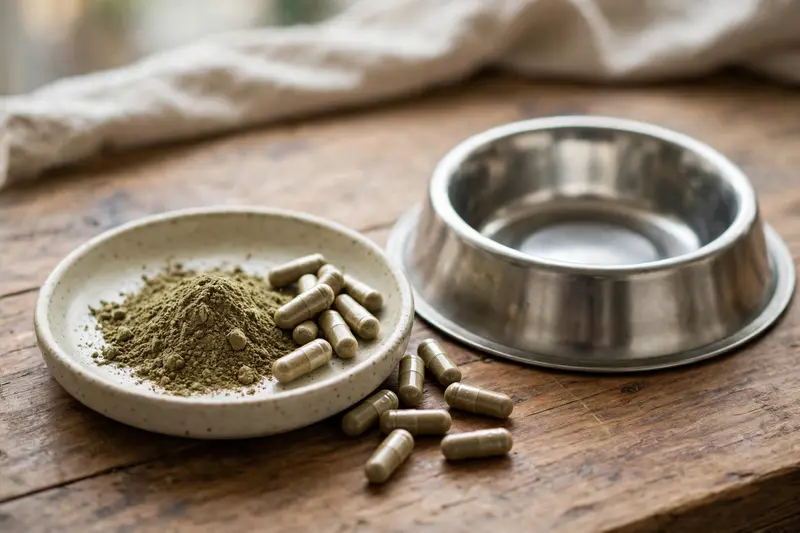
Yunnan Baiyao is a proprietary blend of traditional Chinese herbs, developed in China more than a century ago and long used to control bleeding from wounds and trauma. The exact recipe is a trade secret, though notoginseng root is a known ingredient.
In the United States it is sold as an herbal supplement in capsules or powder, not as an approved drug. That status matters, because the FDA does not review herbal supplements for safety or effectiveness before they reach the shelves.
Vets who use it describe it as a complementary treatment, something given alongside standard care, never instead of it. Owners often ask about other supplements in the same conversation, from turmeric to fish oil, and the same rule applies to all of them: the vet judges the evidence and the risks for that dog. The VCA guide to Yunnan Baiyao states plainly that your vet is the best source of information about the safety of herbal supplements in pets, and that the information in its handout may be incomplete. Capsules can be given by mouth, and powder can be sprinkled on a bleeding site. The dose is set by the vet, by weight and condition, and owners should never guess it.
Why do vets reach for Yunnan Baiyao?
Vets reach for Yunnan Baiyao when a dog bleeds or is at risk of bleeding and standard treatment leaves a gap. The most common case is hemangiosarcoma, a tumor of blood vessel walls that often grows in the spleen or heart and can rupture without warning.
Dogs with these tumors bleed internally, sometimes in slow leaks and sometimes in a sudden crisis. Surgery, chemotherapy, and transfusions are the main treatments, and Yunnan Baiyao is added as supportive care in the hope of fewer or milder bleeding episodes.
Vets also consider it for nosebleeds from nasal tumors, bleeding after surgery, and other bleeding disorders on a case by case basis. The appeal is easy to see: a cheap, usually well tolerated supplement that might help clotting when the alternatives are limited. The problem is the evidence. Hope is not data, and the studies behind this supplement in dogs are few, small, and mixed. A vet who prescribes it should say so out loud, and an owner who asks for it deserves the same honesty.
What does the research actually show?
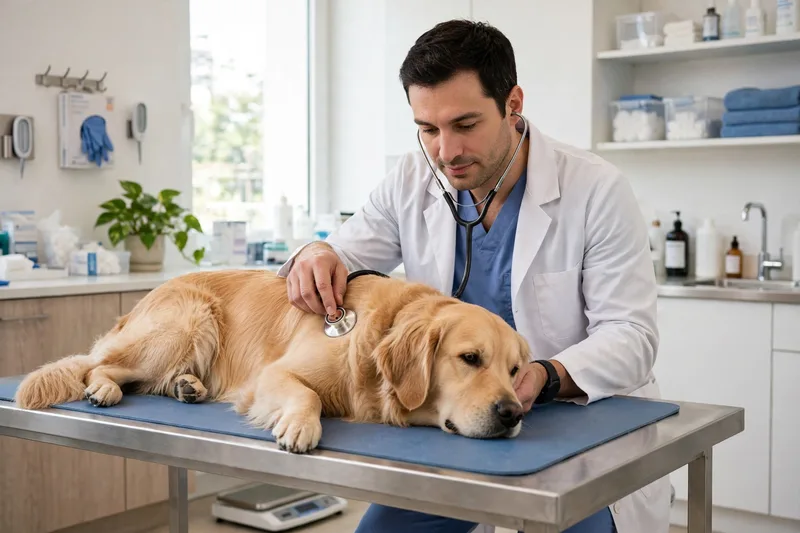
The research shows less than the stories suggest. A 2025 review in Frontiers in Pharmacology looked at two decades of Yunnan Baiyao research and found that human studies showed reduced bleeding in some surgeries, but trials were inconsistent and long term safety data was thin.
For dogs, the evidence base is far smaller. The best known dog study tested oral Yunnan Baiyao in 8 healthy beagles and found no significant difference from placebo in bleeding time, clotting times, or thromboelastography measures. Eight dogs is a tiny sample, but it is also the kind of controlled test that anecdotes are not.
A separate lab study found that Yunnan Baiyao killed canine hemangiosarcoma cells in a dish through programmed cell death. That result is interesting, and it is also a long way from proof that it slows cancer in a living dog. Cells in a dish face the drug directly, with no digestion, no liver, and no tumor blood supply in the way. The published beagle study is free to read, and its conclusion is blunt: at the dose tested, the supplement showed no clinically significant effect on the measured clotting values.

Yunnan Baiyao and hemangiosarcoma: the honest picture
Hemangiosarcoma is where most owners meet Yunnan Baiyao, and it is also where the claims run furthest ahead of the proof. The tumor is aggressive, and survival times are short even with surgery and chemotherapy. Any report of a dog living longer feels like a lifeline, and stories of dogs doing well on the supplement travel fast in owner groups.
Some small observational reports noted longer disease free intervals in dogs that received it, but those reports were not controlled trials, and the dogs also received other treatments.
No controlled study has shown that Yunnan Baiyao prolongs survival in dogs with hemangiosarcoma. The Merck Veterinary Manual is direct on this point: the mechanisms, the level of effectiveness, and the safety are unknown, because insufficient research exists, and not all products sold under the name hold the same ingredients. A supplement that might ease bleeding is not a cancer treatment. Owners who give it should keep every standard treatment going, watch for bleeding signs, and judge it by the dog in front of them, not by a story online.

The red pill in the box: what it is and is not
Many Yunnan Baiyao boxes hold one small red pill alongside the regular capsules. Owners sometimes call it a natural emergency drug, and that name causes trouble. The red pill is meant for serious, acute bleeding, and it should be given only when the vet has specifically directed it.
Its exact formula is proprietary, like the rest of the product, and it is not epinephrine, natural or otherwise.
Save the red pill and ask the vet in advance when, if ever, to use it. A dog that is weak, collapsing, pale gummed, breathing fast, or showing a swelling belly needs emergency vet care right away, whether the pill was given or not. No capsule in a box replaces a transfusion, surgery, or an emergency clinic. If the vet has not explained the red pill to you, call and ask before you need it, because the middle of a bleeding crisis is the worst time to learn the rules.

How vets dose Yunnan Baiyao
There is no single approved dose for Yunnan Baiyao in dogs, because the product is not an approved drug. The vet sets the dose by the dog’s weight, condition, and the reason for using it. No label dose exists to copy.
Published reports describe a range of dosing schedules, and a VCA trial used 60 mg per kg per day, split into three doses, but that was a study protocol, not a recommendation for home use. Owners should never copy a dose from a forum or a product listing.
Capsules usually hold 250 mg, and the vet works out how many capsules fit the dog’s weight and how often to give them. Some vets dose it daily for ongoing support, others use it only around bleeding episodes or surgery. Tell the vet about every other drug and supplement the dog takes, including blood thinners, steroids, and pain medicines such as aspirin, before the first dose. If the dog vomits, loses appetite, or develops diarrhea after starting it, stop and call the vet.
Side effects and safety concerns
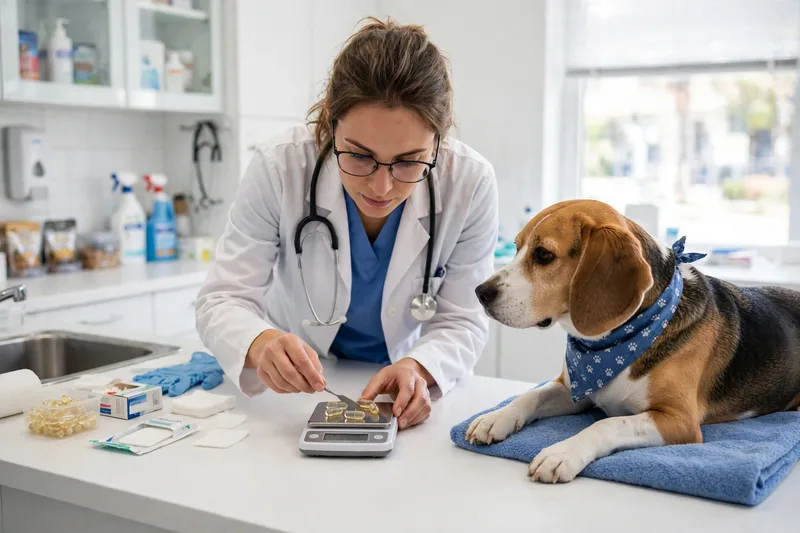
Yunnan Baiyao is reported to be well tolerated in dogs, but well tolerated is not the same as risk free. Reported or possible side effects include nausea, reduced appetite, vomiting, diarrhea, skin reactions, and raised liver enzyme values. Watch for vomiting, appetite loss, or diarrhea after the first doses.
Dogs with liver disease need extra caution, because the liver clears many drugs and supplements, and effects can last longer when it is weak. Because the formula is proprietary and products vary between makers, two boxes with the same name may not hold the same ingredients or strength. That variation is itself a safety problem, and it is why buying from a source the vet trusts matters.
Quality control is the quiet risk with any unregulated supplement. The FDA requires a disclaimer on these products stating they are not intended to diagnose, treat, cure, or prevent any disease. The FDA page on dietary supplements explains that the agency does not test these products before sale, and manufacturers are responsible for safety and accurate labeling. If a product makes bold cure claims on its label, that is a warning sign, not a selling point.
When Yunnan Baiyao is the wrong choice
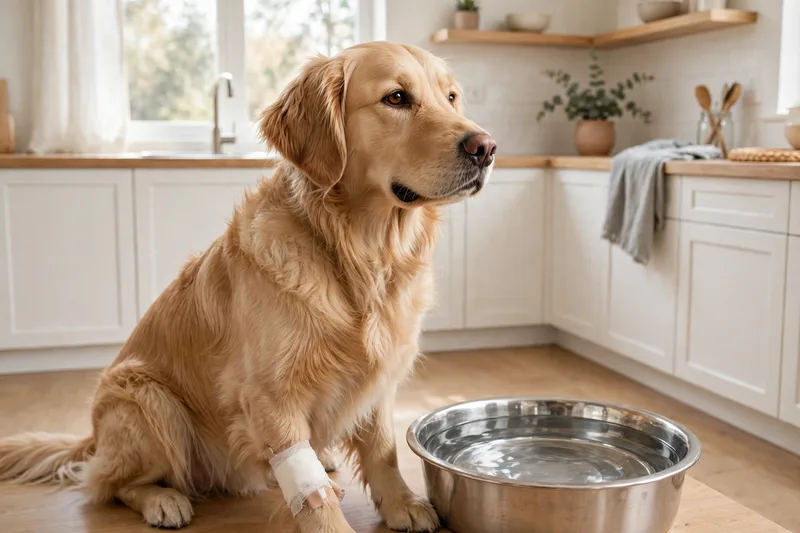
Yunnan Baiyao is not for every dog, and in some dogs it may be harmful. Dogs with immune mediated hemolytic anemia, a disease that destroys red blood cells, carry a high risk of dangerous blood clots, so a supplement thought to promote clotting needs a vet’s careful judgment first.
Dogs on anticoagulant drugs, dogs with known clotting disorders, and dogs allergic to any of its ingredients should not receive it without a vet’s explicit approval.
Pregnant or nursing dogs, puppies, and dogs with liver or kidney disease also need a vet’s decision before any dose, because safety data in those groups is thin. A dog that is actively bleeding heavily should go to an emergency clinic, not wait for a supplement to work. The Merck Veterinary Manual note on Yunnan Baiyao warns that much about the product remains undisclosed, untested, and unregulated, and that warning should guide every decision to use it.

How to buy Yunnan Baiyao safely
If the vet recommends Yunnan Baiyao, buy the exact product the vet names, from a source the vet trusts. Avoid sellers that promise cures, hide their ingredients, or sell at a price far below every other source. Check that the packaging is sealed, the capsules look uniform, and the label carries the supplement disclaimer.
Keep the box and the lot number, and note the date the dog started it.
Do not order from a random marketplace listing because the price is low. Counterfeit and low quality supplements are common, and a fake capsule is worse than no capsule, because it gives false confidence while the dog keeps bleeding. Ask the vet whether the clinic stocks it or can order it through a veterinary pharmacy. A product bought through the clinic costs more and carries far less doubt, and doubt is the one thing a bleeding dog cannot afford.

What to do when a dog is bleeding
A bleeding dog is an emergency first and a supplement question second. Pale gums, weakness, collapse, rapid breathing, a swollen belly, or blood in vomit or stool all mean go now, not tomorrow. Call the emergency clinic on the way so the team is ready.
Keep the dog calm and still, keep it warm, and do not offer food or water if surgery may be needed.
At the clinic, tell the team everything: what happened, when it started, every drug and supplement the dog takes, and whether Yunnan Baiyao was already given. That history shapes the treatment, which may include fluids, transfusion, surgery, or drugs that stop bleeding by a known mechanism. Bloody diarrhea is one sign that always earns a prompt vet visit, and gastroenteritis covers the wider stomach upset that can come with it. The supplement, if the vet wants it, comes after the emergency is handled.
Frequently asked questions about Yunnan Baiyao for dogs
Does Yunnan Baiyao cure cancer in dogs?
No controlled study has shown that Yunnan Baiyao cures cancer in dogs or prolongs survival in dogs with hemangiosarcoma or any other cancer. Lab results in cell cultures do not prove an effect in living dogs.
Can I give Yunnan Baiyao without asking my vet?
Ask your vet first, because this supplement carries real risks, variable quality, and no approved dose. Only your vet can judge whether it fits your dog, what dose to use, and whether it clashes with other drugs.
How fast does Yunnan Baiyao work?
That is not established. Studies have not measured a reliable time to effect in dogs, and the one small controlled study in healthy beagles found no significant change in clotting measures. Do not rely on it for an active bleed.
Is Yunnan Baiyao safe for long term use?
Long term safety data is thin. The 2025 review of the research flagged insufficient long term safety data as a key limit. If your vet recommends ongoing use, the dog needs regular checkups and bloodwork on the vet’s schedule.
Can Yunnan Baiyao be put on a wound?
The powder form can be sprinkled on a bleeding site, and some vets use it that way. Do not pack powder into a deep or dirty wound at home. Clean the wound as the vet directs, control bleeding with pressure, and get the dog seen.
What if my dog vomits after taking it?
Vomiting, diarrhea, and appetite loss are reported side effects. Stop the supplement and call the vet. For mild stomach upset once the vet rules out anything serious, a bland diet for a day or two is the usual recovery path.
Yunnan Baiyao sits in an awkward place: widely used, warmly recommended in owner groups, and thinly proven. The studies that exist are small, the formula is secret, and the strongest claims about survival rest on stories rather than trials. That leaves it in the middle: a supportive option that a vet may try when the standard treatments leave a gap, with eyes open about what it can and cannot do. If your dog is bleeding, the emergency clinic comes first. If your vet suggests this supplement, ask what it is meant to achieve, how you will know it helped, and when to stop. Those three questions keep hope honest.
Disclaimer: This article is for information only and is not a substitute for veterinary advice. Yunnan Baiyao is an unregulated herbal supplement with limited evidence in dogs. Your vet decides whether it fits your dog, and no supplement replaces emergency care for bleeding.