

Your dog is limping after a long walk, and there is a bottle of aspirin sitting in your medicine cabinet. It helped your headache. It is cheap, familiar, and right there. Reaching for it feels like the caring move, and that is exactly what makes questions about aspirin for dogs so common. The honest answer is less convenient: aspirin can seriously hurt dogs, and it should never be given without a veterinarian’s direct say-so. Vets used it more in the past, but safer medicines made specifically for dogs have largely replaced it. This guide explains why that shift happened, what the risks are, and what to do instead when your dog is in pain.
Can dogs take aspirin?
Only with direct veterinary guidance, and vets prescribe it far less often than they used to. Aspirin is an NSAID, a non-steroidal anti-inflammatory drug, and in dogs it can cause stomach ulcers, gastrointestinal bleeding, and kidney injury. There are safer, dog-specific pain medications available, so aspirin is rarely the first choice anymore.

That surprises a lot of owners. Aspirin feels mild because humans take it daily. Dogs are not small humans, though. Their stomachs and kidneys handle this drug differently, and the margin between a dose that helps and a dose that harms is uncomfortably thin. The American Kennel Club quotes Dr. Carly Fox, a senior veterinarian in emergency and critical care, saying there are truly few benefits to using aspirin in dogs given the risks. That is the current professional consensus in a sentence.
The one rule that matters
Never give aspirin on your own, even once, even a small piece. If you believe your dog needs pain relief, call your vet and describe what you see. The vet can decide whether aspirin fits your dog’s situation or whether something safer does the job. That phone call takes five minutes and removes all the guesswork.
Why vets moved away from aspirin
Aspirin was once a common veterinary tool for pain, inflammation, fever, and even preventing blood clots in dogs with certain conditions. Over time, experience and research made the trade-offs clear, and better alternatives arrived. Today most vets reach for NSAIDs developed and tested specifically for dogs instead.
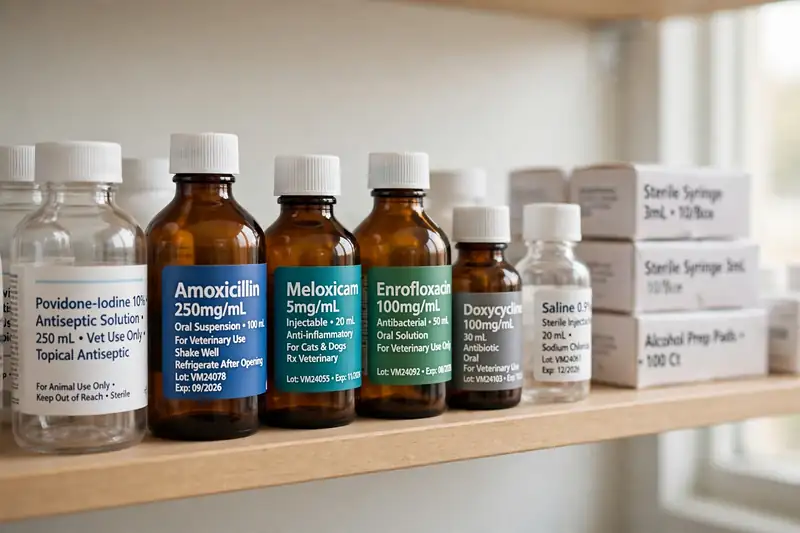
The shift was not sudden. Vets noticed that the dogs on aspirin kept coming back with stomach trouble. Meanwhile, pharmaceutical companies developed drugs like carprofen that target pain and inflammation in dogs with a better safety profile. The AKC notes that aspirin is not even approved by the FDA for veterinary use, which means there are no definitive studies on effective dosages in dogs. When a vet does prescribe it, the dosing comes from clinical experience, not from a label.
One narrow use survived longer than the rest. Aspirin was sometimes used to prevent blood clots in dogs with diseases like immune-mediated hemolytic anemia. Even there, the AKC reports that vets now prefer safer and more effective medications such as clopidogrel. The pattern is consistent: wherever aspirin was used, something better-tested has taken its place.
How aspirin harms a dog’s body
Aspirin works by blocking enzymes called cyclooxygenases, or COX enzymes. That is how it reduces pain and inflammation. The problem is that the same enzymes protect the stomach lining, keep blood flowing normally to the kidneys, and help platelets do their clotting job. Blocking them helps the pain but strips away those protections.

In the stomach, the loss of that protective barrier lets acid attack the lining directly. Ulcers can form, and they can bleed. In the kidneys, reduced blood flow can injure tissue, especially in a dog that is dehydrated, older, or already dealing with kidney trouble. And because platelets clot less effectively, any bleeding becomes harder to stop. None of this requires a huge overdose. Sensitive dogs can run into trouble at doses an owner would consider modest, which is why self-dosing is such a gamble.
Why dogs are more vulnerable than people
Dogs clear aspirin from their systems more slowly than humans do. That means the drug hangs around longer, and repeated doses stack up faster than an owner expects. A schedule that seems reasonable by human standards can quietly build toward toxicity in a dog.
Signs of aspirin poisoning
Aspirin toxicity can look like an ordinary upset stomach at first, which is part of the danger. Early signs include vomiting and diarrhea, sometimes with a loss of appetite. As things progress, the signs get more specific and more alarming.

Watch for black or tarry stool, which signals bleeding higher up in the digestive tract. Vomiting blood is another red flag. Excessive thirst and increased urination can point to kidney involvement. In severe cases, dogs become weak or lethargic, have trouble walking steadily, and can even seize. The AKC lists vomiting, diarrhea, black stool, excessive thirst, increased urination, and seizures among the signs of aspirin toxicity.
When mild signs still mean a vet visit
Do not wait for the dramatic symptoms. Vomiting or diarrhea after aspirin exposure is already enough reason to call your vet. Early treatment is far simpler than treating ulcers, bleeding, or kidney injury after they have taken hold.
What to do if your dog ate aspirin
Act fast and skip the home remedies. Call your veterinarian or an emergency clinic right away, even if your dog looks fine. Tell them how much was taken, what strength the tablets were, and when it happened. Bring the bottle with you if you go in.

Time matters because treatment works best early. Your vet may induce vomiting if the ingestion just happened, give activated charcoal to limit absorption, and start protective medications for the stomach. IV fluids may be needed to support the kidneys. What you should not do is induce vomiting at home unless your vet specifically instructs it. Done wrong, it can cause more harm, including aspiration into the lungs.
The information your vet needs
Have three things ready: the product name and strength, your best estimate of how many tablets were eaten, and your dog’s weight. That lets the vet assess the risk level immediately instead of spending precious minutes on guesswork.
Drug interactions that turn dangerous
Aspirin becomes far more dangerous when combined with certain other drugs. The AKC specifically warns never to use aspirin together with another NSAID or a steroid, because the combination can intensify toxicity dramatically. This is a common trap: an owner gives aspirin for pain while the dog is already on a prescribed anti-inflammatory, not realizing the two stack.

Blood thinners are another risky combination, since aspirin already interferes with clotting. Some drugs for heart conditions and certain antibiotics can also interact. This is one more reason the “just one pill” approach fails. Your vet knows your dog’s full medication list and can spot a dangerous combination you would never suspect.
Always disclose everything
When your vet asks what your dog takes, include supplements, over-the-counter products, and anything you gave “just this once.” Interactions do not care whether a drug came from a prescription pad or a kitchen cabinet.
The coated aspirin myth
Many owners assume coated aspirin is gentler on a dog’s stomach. It sounds logical. The coating was designed to protect human stomachs, after all. But the AKC reports that coated aspirin is not recommended for dogs, because dogs cannot reliably dissolve the coating.
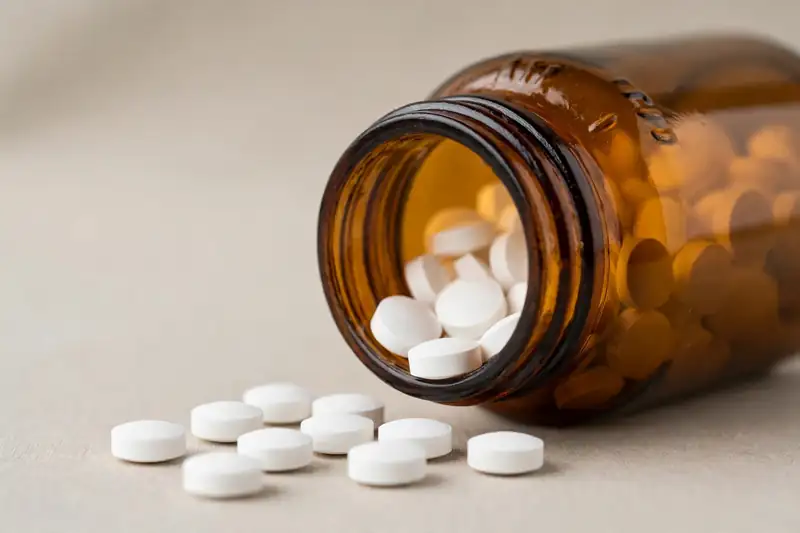
Unpredictable absorption is the problem. A tablet that dissolves unevenly delivers the drug unevenly, which makes dosing even more of a guessing game than it already is. Some of the drug may pass through barely absorbed, and some may hit all at once. If a vet does prescribe aspirin, they will specify the exact form, and it is usually not the coated kind from the human medicine cabinet.
Enteric coating is not a safety feature for dogs
Do not let the word “coated” reassure you. In dogs it adds uncertainty rather than protection, and it never makes self-dosing acceptable.
Puppies, seniors, and dogs with health problems
Some dogs face higher risk from aspirin than others. Puppies should never get aspirin. Their organs are still developing, and they are more vulnerable to both stomach and kidney damage. Senior dogs are also at higher risk, since kidney function naturally declines with age.

Dogs with kidney disease, liver disease, or bleeding disorders should not take aspirin, and neither should pregnant dogs. Dogs that are dehydrated, perhaps from vomiting or diarrhea, are in more danger too, because their kidneys are already working with reduced blood flow. If your dog falls into any of these groups, mention it explicitly when you call the vet. It changes the urgency of the response.
The dehydration multiplier
A dog that has been vomiting or refusing water is the worst candidate for aspirin. The kidneys are already stressed, and aspirin removes one more layer of their protection. Rehydrate first, medicate only on vet orders.
What vets prescribe instead
Modern veterinary medicine has better answers for canine pain. Dog-specific NSAIDs such as carprofen were developed and tested for dogs, with dosing that reflects how dogs actually metabolize these drugs. Your vet may also consider other pain-management approaches depending on the cause, from joint supplements to physical therapy to different classes of medication entirely.

The advantage is not just safety. These medications come with real dosing guidelines, known side-effect profiles in dogs, and monitoring protocols your vet already knows. That is a different world from repurposing a human tablet and hoping the dose lands right. For ongoing conditions like arthritis, a proper pain plan beats any single pill, and it usually starts with a conversation rather than a medicine cabinet.
Ask about a full pain plan
If your dog has chronic pain, ask your vet about weight management, appropriate exercise, and joint support alongside medication. Pain relief works best as a plan, not a pill.
How to handle your dog’s pain tonight
It is evening, the vet is closed, and your dog is clearly uncomfortable. The temptation to do something, anything, is strong. The safest something is restraint plus observation. Keep your dog calm and restrict activity. A limping dog does not need a walk to test the leg.

Note what you see: which leg, whether there is swelling, whether your dog will bear weight, whether eating and drinking are normal. Write it down. That log becomes genuinely useful when the vet opens in the morning. Do not give any human medication, not aspirin, not ibuprofen, not anything from the cabinet. If your dog seems to be in severe pain, cannot settle, or shows signs like pale gums or collapse, find an emergency clinic rather than waiting.
The bottom line on aspirin for dogs is simple, even if it is not what the medicine cabinet suggests. It is a drug with real risks, narrow uses, and better modern replacements. Your vet knows when, rarely, it still fits. Everyone else should leave the bottle closed and pick up the phone instead. For pain relief designed for dogs from the start, our guide to carprofen dosage for dogs explains what vets actually prescribe. And if your dog ever swallows any medication, knowing how to induce vomiting in dogs the vet-directed way can matter in those first critical minutes.
Frequently Asked Questions
How much aspirin can I give my dog?
There is no safe do-it-yourself dose. Aspirin is not FDA-approved for veterinary use, so there is no official dosing chart for dogs. Only your veterinarian can decide whether aspirin fits your dog’s situation and set the amount. Never use a dosage chart from the internet.
Can I give my dog aspirin for a fever?
No. A fever is a symptom, not a diagnosis, and it needs a vet to find the cause. Human fever reducers, including aspirin and ibuprofen, can harm dogs. If your dog feels hot, is lethargic, or refuses food, call your vet rather than reaching for the cabinet.
My dog ate one aspirin. Should I worry?
Call your vet. One tablet may or may not cause harm depending on your dog’s size and health, but that is exactly the kind of judgment call a vet should make. Have the tablet strength and your dog’s weight ready when you call, and do not wait for symptoms to appear.
Is baby aspirin safer for dogs?
Not meaningfully. A smaller tablet is still the same drug with the same risks to the stomach, kidneys, and clotting. “Low dose” does not equal safe without veterinary supervision, and it can still cause ulcers or bleeding in a sensitive dog.
Will giving aspirin with food protect my dog’s stomach?
Food can reduce immediate stomach irritation when a vet has prescribed aspirin, but it does not make self-dosing safe. The risks to the kidneys and clotting remain, and food does nothing about drug interactions. Only give aspirin with food if your vet prescribed it that way.
How long does aspirin stay in a dog’s system?
Longer than in people. Dogs clear aspirin more slowly, which means the drug’s effects linger and repeated doses can stack up. That slow clearance is one reason dosing is so tricky and why even a short course needs veterinary supervision.
Can dogs take aspirin for arthritis long term?
Long-term aspirin use in dogs carries serious risks, including bleeding and organ damage. Vets generally prefer dog-specific NSAIDs and broader arthritis management for chronic joint pain. If your dog has arthritis, ask your vet about a full pain plan rather than a daily aspirin.
This article is general information only and is not a substitute for veterinary advice. If your dog has a health condition, is on a prescription diet, or you are unsure about any medication, check with your veterinarian first.


2 thoughts on “Aspirin for Dogs: Let Your Vet Make the Call”