Natural dog food means the ingredients come from plant, animal, or mined sources with no chemically synthesized additives, but the word alone says nothing about quality, and the AAFCO statement matters far more. The term sounds like a promise of health, and brands print it large for that reason. In law it is a narrow claim about where ingredients come from, not a judgment about how good the food is. A natural food can be excellent or mediocre, and a food without the word can beat it on every measure that counts. This article explains the definition, the label traps, and how to choose.

What does natural mean on a dog food label?
Under AAFCO rules, a natural pet food is made solely from plant, animal, or mined sources, either unprocessed or put through physical processing, heat processing, rendering, purification, extraction, hydrolysis, enzymolysis, or fermentation. It cannot be produced by a chemically synthetic process, and it cannot hold chemically synthetic additives or processing aids, except in amounts that occur unavoidably.
That is the whole definition, and it is narrower than the word suggests.
The common label phrase is “natural with added vitamins, minerals, and trace nutrients.” That exception exists because the synthetic vitamins and minerals are needed to meet the complete and balanced standard. Without them, most natural formulas would fall short on nutrients dogs need. The AAFCO guide to reading pet food labels explains the adequacy statement and the label rules, and it is the single most useful page an owner can read before shopping.

Natural vs organic vs holistic vs human grade
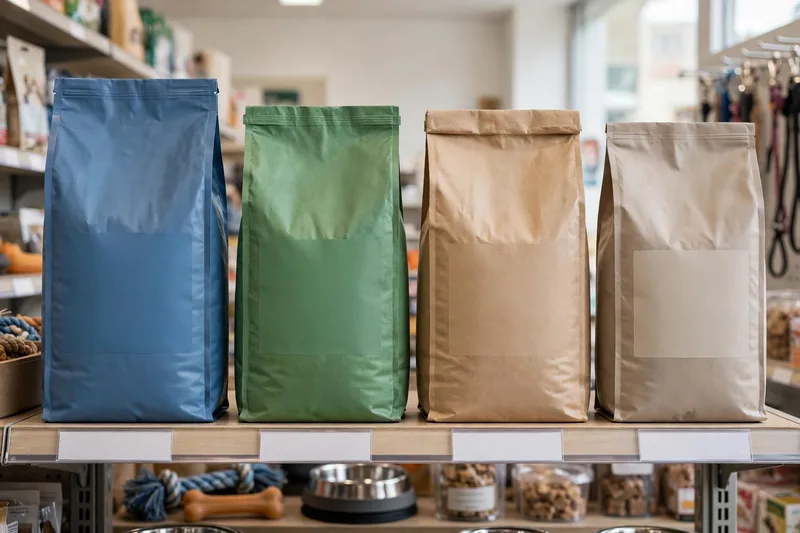
Natural, organic, and human grade sound like three levels of the same thing, and they are not. Natural is the AAFCO definition above: source based, no synthetic additives. Organic is a USDA certification of the whole supply chain, covering pesticide free crops, pasture raised livestock, and non GMO verification, and it is far stricter and rarer in pet food.
The fourth word owners see on bags has no legal definition at all in pet food, so any brand can print it, and it means whatever the brand wants it to mean.
Human grade has a narrow AAFCO definition: every ingredient must be fit for human food and manufactured in a human food facility. Most products that use the term do not qualify, because their plants and processes are feed grade. Premium, gourmet, and super premium also have no legal definition. When a bag leans on that undefined word or on premium, it is selling a feeling, and the feeling proves nothing about the food inside.
What the AAFCO statement tells you
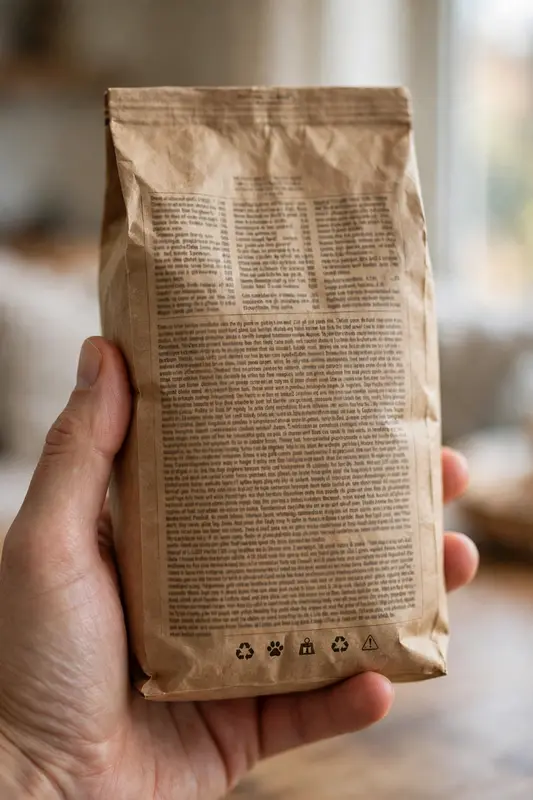
The AAFCO statement is the most important sentence on the bag. It confirms the food meets AAFCO nutrient profiles for a life stage, and it comes in two forms. The formulation claim reads “formulated to meet the nutritional levels established by the AAFCO Dog Food Nutrient Profiles for” a life stage.
The feeding trial claim reads “animal feeding tests using AAFCO procedures substantiate that this food provides complete and balanced nutrition for” a life stage. The feeding trial version is stronger, because the food was actually fed to dogs, at least eight dogs for at least 26 weeks, with blood values, weight, and coat condition checked.
The statement also names the life stage: growth for puppies, maintenance for adults, gestation and lactation for breeding females, or all life stages. AAFCO sets the adult maintenance protein minimum at 18 percent on a dry matter basis and the growth minimum at 22.5 percent. A food without an AAFCO statement, or one marked for intermittent or supplemental feeding only, is not a full diet. Feed it as a topper or treat, not as the daily ration.

Ingredients that make a natural food good
A good natural food starts with a named meat as the first ingredient: chicken, beef, lamb, or salmon, not “meat” or “animal” with no species named. Named meat meals, such as chicken meal, are fine too, because they are concentrated protein with the water removed.
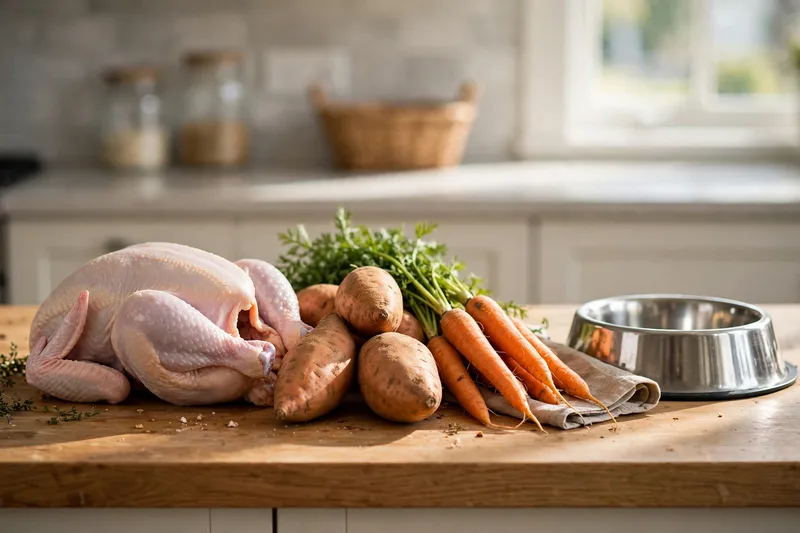
Whole foods after the meat, such as sweet potatoes, carrots, peas, and blueberries, add fiber, vitamins, and variety without synthetic additives. A named fat source, such as chicken fat or salmon oil, supplies the essential fatty acids dogs need for skin and coat.
The list should be readable without a chemistry degree, and the nutrients should come mostly from food rather than a long vitamin premix. That said, a vitamin premix is normal and necessary, even in good natural foods, because cooking and processing destroy some nutrients. The VCA feeding guidelines for dogs keep treats and extras at a small share of daily calories, and that rule applies to natural toppers and treats just as it applies to any other extra.
Ingredients that hide behind natural
Natural does not mean the ingredient list is clean. Meat by products are allowed in natural foods, and AAFCO defines them as the non rendered, clean parts of slaughtered animals, which can include organs that are nutritious and parts that are not.
The term is vague by design, and a bag that leans on by products without naming the species is telling you less than a bag that names its meat. Natural flavors are another gray area: they come from natural sources, but the label does not say which ones, and they exist to make the food taste better, not to feed the dog better.
A natural food holds no added colors, though caramel color and other natural looking additives can still appear. Fillers such as corn, wheat, and soy are natural ingredients too. On their own they cause no harm, yet a food that leads with them and buries the meat is a grain bowl with a meat garnish. Foods toxic to dogs is worth a read before any homemade addition, because natural ingredients such as grapes, onions, and xylitol are natural and dangerous at the same time.
Is natural dog food healthier?
There is no proof that natural dog food is healthier than a conventional food with the same AAFCO statement. Natural describes the source of the ingredients, not their quality, digestibility, or balance. A natural food can be low in protein, short on a vitamin, or full of cheap fillers.
A conventional food can be carefully balanced with high quality ingredients and a feeding trial behind it. The word on the front of the bag predicts none of that.
What does predict health is the full picture: a complete and balanced AAFCO statement for the right life stage, a named meat first, a feeding trial if you can find one, and a dog that holds weight, keeps a shiny coat, and produces firm stools on the food. Owners who switch to a natural food and see a shinier coat or better stools are usually seeing the effect of a better formula, not the effect of the word natural. Judge the food on its statement, its ingredients, and the dog in front of you, and let the dog’s condition over six to eight weeks be the verdict.

Natural food for puppies, seniors, and dogs with allergies
Puppies need a food with an AAFCO statement for growth or all life stages, because their protein and mineral needs run higher than an adult’s. A natural food marked for adult maintenance only will leave a puppy short. Ask the vet before switching a puppy.
Seniors need the opposite check: a food that fits their weight and kidney health, with protein and phosphorus levels the vet approves, because old dogs vary more than any label accounts for. The vet should see the bag before a senior switches.
Dogs with allergies need a different question answered first: which ingredient is the problem. A natural food is not automatically hypoallergenic, and many natural foods hold chicken, beef, and grains, which are among the most common triggers. Elimination diets and limited ingredient foods are the usual starting point for allergy cases, and best dog food for small dogs covers the size question, because small breeds need smaller kibble and denser calories per bite. For any allergy, the vet or a vet nutritionist should guide the switch, not the word on the bag.

Homemade natural diets: where they go wrong
Homemade natural diets fail most often on balance, not on ingredients. Owners pick good foods, chicken, rice, and vegetables, then feed them in proportions that leave the dog short on calcium, zinc, iodine, or vitamin D. The gaps stay hidden for months.
Studies of homemade diet recipes have repeatedly found most of them incomplete, and the gaps do not show for months, when the dog’s coat dulls, bones weaken, or the vet finds a deficiency on bloodwork. Good ingredients do not add up to a complete diet on their own.
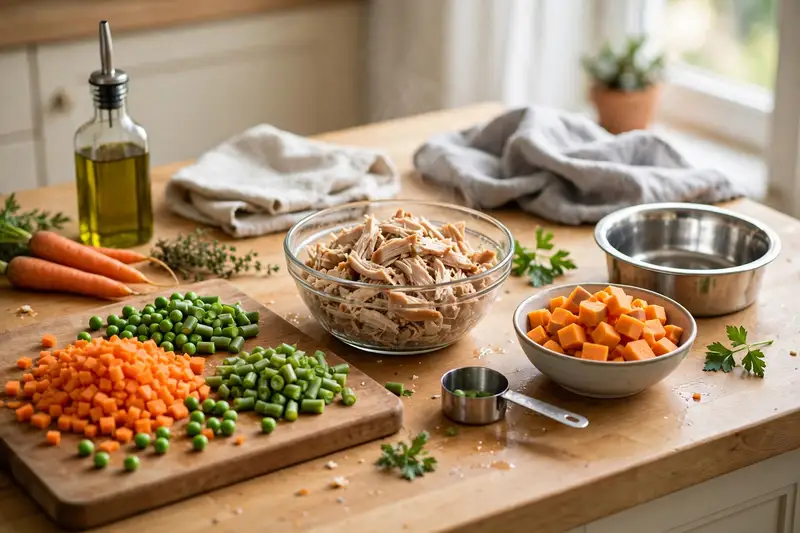
A homemade diet can work, but it needs a recipe from a board certified vet nutritionist, with exact amounts, a supplement plan, and follow up bloodwork. Dog food recipes online rarely meet that bar, and a recipe that worked for one dog may not fit another dog’s weight, age, or health. Plain cooked chicken is safe as an ingredient, and sweet potatoes make a good carbohydrate, but a diet of chicken and sweet potatoes alone is not complete. The ASPCA list of people foods to avoid belongs on the fridge of any owner who cooks for their dog.
How to switch foods without stomach upset
Switch over seven to ten days. Start with one quarter new food and three quarters old food for two or three days, then half and half, then three quarters new, then all new. Watch the stool at each step, and hold the current mix for a few extra days if the stool softens.
A slow switch lets the gut bacteria adjust, and it tells you whether the new food suits the dog before the old bag is gone.
Keep treats steady during the switch, so a stomach upset has one suspect, not three. Feed at the same times, measure the portions, and do not add a new topper, chew, or table scrap in the same week. If vomiting or diarrhea repeats, stop the switch and call the vet. Grain free diets deserve the same slow switch and the same vet conversation, because grain free is a different claim from natural and carries its own questions. The FDA tips for safe handling of pet food and treats cover storage and hygiene for any new food, including natural diets stored in bulk.

How to pick a natural food in the store
Use a short checklist and ignore the rest of the bag. First, find the AAFCO statement and confirm it names the right life stage. Second, check that a named meat or meat meal is the first ingredient. The checklist takes two minutes in the aisle.
Third, look for a feeding trial claim if you can find one, since a food that was actually fed to dogs carries more proof than one that was only calculated on paper. Fourth, scan the list for anything your dog cannot have, and skip bags that hide behind vague terms.
Fifth, check the calorie statement, which AAFCO now requires in kilocalories per kilogram and per cup, and feed by the bag’s guide for your dog’s weight, not by the scoop you used for the last food. Sixth, buy the smallest bag first and watch the dog for two weeks: stool, coat, energy, and weight. A food that passes the label test and the dog test is a good food, whatever the front of the bag says. Keep the lot code and receipt, so a recall check takes one minute.

Frequently asked questions about natural dog food
Does natural mean organic?
No, natural and organic are different claims. Natural is an AAFCO source definition with no synthetic additives. Organic is a USDA certification of the whole supply chain. A food can be natural without being organic, and an organic food is usually natural too, but the two claims are certified differently.
Is natural dog food better for allergies?
Not automatically. Natural foods often hold chicken, beef, and grains, which are common allergy triggers. Allergy management needs an elimination diet or a limited ingredient food chosen with the vet, not a natural label.
Can natural dog food be grain free?
Yes, and the two claims are independent. A food can be natural with grains, natural without grains, or neither. Grain free is a separate choice with its own vet conversation, and it does not make a food natural by itself.
Does natural dog food need added vitamins?
Yes, usually. The label phrase “natural with added vitamins, minerals, and trace nutrients” is normal and necessary, because synthetic vitamins fill the gaps that keep the food complete and balanced. Added vitamins do not break the natural claim.
Is homemade natural food better than store bought?
Not usually. Most homemade recipes found online are incomplete, missing calcium, zinc, or vitamins. A store bought complete and balanced food, or a homemade diet built by a vet nutritionist, beats a well meaning recipe from the internet.
How do I know if a natural food suits my dog?
Feed it for six to eight weeks and watch the dog: firm stools, a shiny coat, steady weight, and good energy. If the stool stays soft, the coat dulls, or the weight drifts, the food does not fit, whatever the label promised.
Natural dog food is a useful label claim that gets oversold. It tells you where the ingredients came from and that no synthetic additives were used, and that is all it tells you. The AAFCO statement, the named meat first, the life stage, and the dog’s own condition over the next two months tell you the rest. Shop with the checklist, not with the feeling the word gives you, and the bag you bring home will be chosen on facts rather than on the font size of a single word.
Disclaimer: This article is for information only and is not a substitute for veterinary advice. Dogs with allergies, kidney disease, or other health conditions need a diet chosen with their vet, and homemade diets should be built by a vet nutritionist.