Dog diarrhea is loose or watery stool that comes more often than normal, and most cases in a bright adult dog settle within a day or two. Diarrhea still deserves attention, because it drains water fast and it can be the first sign of infection, parasites, poison, or a deeper gut problem. This guide explains what counts as diarrhea, what causes it, how to read the stool, and when the vet needs to hear about it. This guide stays on the symptom itself, not the feeding side.
What dog diarrhea is and what counts as diarrhea
Dog diarrhea means stools that lose their shape, turn soft or watery, and come more often than the dog’s usual pattern. One soft stool after a food change is not diarrhea. Diarrhea is a pattern: repeated loose stools over hours, urgency, and accidents in a house trained dog.
Volume matters too. Large watery stools point at the small intestine, while small frequent stools with mucus or straining point at the colon. Both count as diarrhea, and both need the same first step: watch the dog, not just the stool. A dog that strains with little result may have colitis rather than simple loose stool, and the vet treats those differently. Note the frequency, the volume, and the time it started. Those three facts shape every decision that follows.
Common causes of dog diarrhea
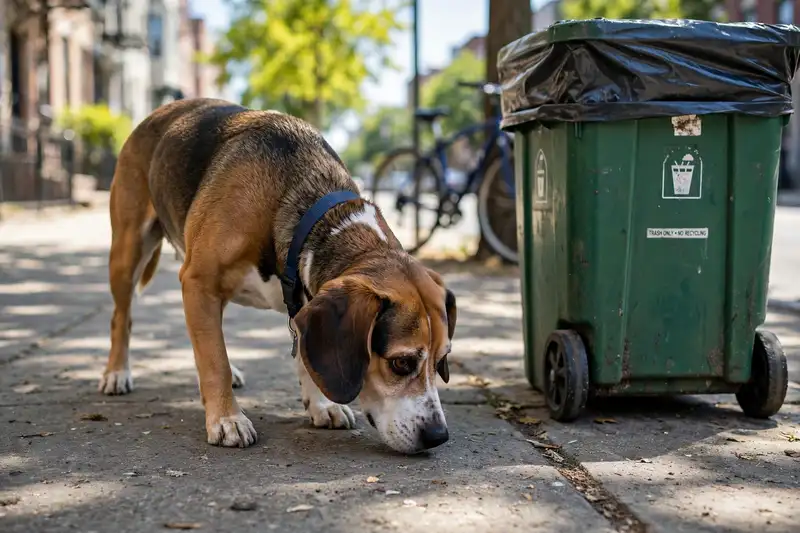
Dog diarrhea usually starts with something the dog ate, caught, or swallowed. Dietary indiscretion leads the list: garbage and rich table scraps. Spoiled food and a sudden diet change do the same. Stress from boarding, travel, or a new home can trigger it too.
Parasites infect the gut and loosen stools, and the usual suspects are roundworms and hookworms. Whipworms, Giardia, and coccidia infect the gut too. Viruses and bacteria cause it as well, and parvovirus is the one every puppy owner must know. Toxins, human medicine, and swallowed objects also cause diarrhea, as do pancreatitis and liver or kidney disease. Inflammatory bowel disease and food intolerance sit in this group too. Food intolerance differs from allergy, though both loosen stools. Intolerance means the gut cannot handle an ingredient, while allergy means the immune system reacts to it. Both need a vet guided diet trial to pin down. Most cases trace to diet or parasites. The rest need a vet to sort out.
Acute vs chronic diarrhea: why the timeline matters
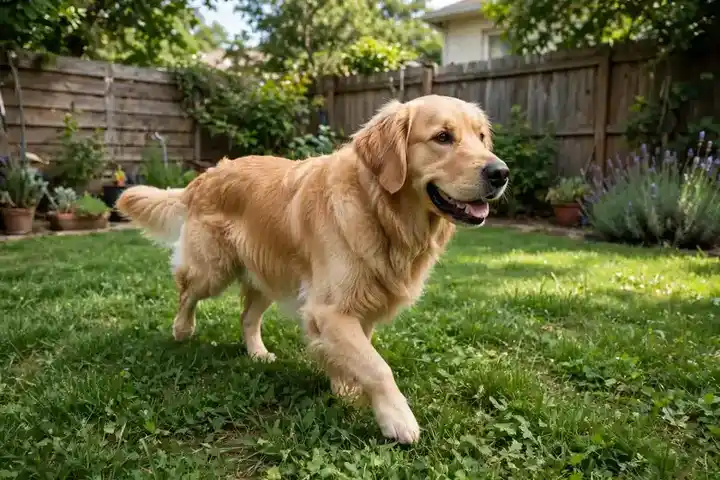
Acute dog diarrhea starts suddenly and usually clears within days, while chronic diarrhea lasts three weeks or more and points at a deeper problem. Acute cases most often come from diet, stress, parasites, or a passing infection. The dog feels off for a day, then firms up.
Chronic diarrhea behaves differently. It comes and goes for weeks, often with weight loss, a dull coat, or a poor appetite, and it rarely fixes itself. Vets treat the two timelines as different problems. Acute diarrhea gets watchful waiting and a fecal test. Chronic diarrhea gets blood work, diet trials, and imaging. The timeline you report shapes the whole workup, so note the start date and whether it ever fully clears between bouts.

What the stool tells you
Stool color, texture, and extras give the vet a head start, so look before you bag it. Soft but formed stool means mild irritation. Watery stool means the gut is not absorbing fluid. Yellow stool often means food is moving too fast through the gut. Mucus, a jelly coating, signals inflammation in the colon.
Fresh red blood points at bleeding low in the gut, often from colitis. Black tarry stool means digested blood from higher up, and that is a red flag every time. Grey greasy stool can point at pancreas trouble. Take a photo. A vet reads stool the way a mechanic reads an engine noise, and a photo beats a vague description. Note the color and the extras, because the vet will ask about both.
Red flags that need a vet now
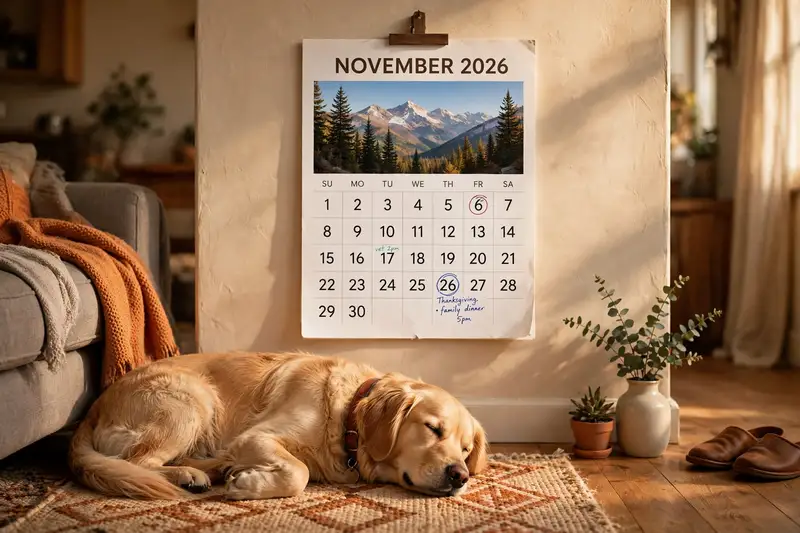
Dog diarrhea turns urgent with blood in the stool, black tarry stool, or diarrhea paired with vomiting and lethargy. Call the vet at once for fresh red blood, black tarry stools, profuse watery diarrhea, a swollen or painful belly, pale gums, weakness, or collapse. Dehydration signs count too.
Dry tacky gums and sunken eyes point at fluid loss. Skin that stays tented when you lift it points the same way. Any suspicion of poison or a swallowed object is a red flag on its own, and the ASPCA Animal Poison Control Center can advise while you head to the clinic. Puppies and unvaccinated dogs get no waiting period, since parvovirus moves fast and looks exactly like this at the start.
How long diarrhea lasts and when to call the vet
Most mild dog diarrhea in a healthy adult clears within 24 to 48 hours, and the two day mark is the point to call. The AKC notes that an occasional bout of soft stool in a dog that is otherwise eating and behaving normally is usually no big concern.
Watch the first day at home with fresh water and rest, and feed a bland diet. Keep portions small and plain. If stools firm up and the dog stays bright, the episode is most likely over. If diarrhea lasts more than two days, keeps getting worse, or comes back again and again, book a vet visit. Puppies and tiny breeds get a shorter window. Seniors and dogs with diabetes or chronic illness do too, since they dehydrate faster than a healthy adult.

Dehydration: how to check your dog at home
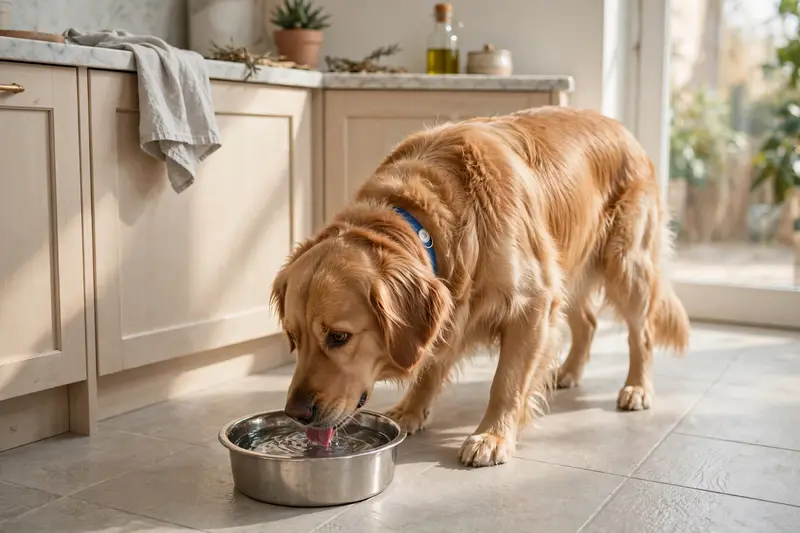
Diarrhea drains water, and dehydration is the main danger in an otherwise mild case. Check the gums first. Healthy gums feel wet and look pink, while dry tacky gums point at fluid loss. Press a fingertip to the gum and watch the color return. It should pink up in under two seconds.
Next, lift the skin between the shoulder blades and let go. It should snap back at once. Skin that stays tented means dehydration. Watch drinking too. A dog that will not drink, or drinks and vomits it back, needs a vet the same day. Electrolytes for dogs explains what fluid loss does to the body, and why water alone sometimes falls short. Offer small frequent sips rather than a full bowl at once.
Diarrhea in puppies and senior dogs
Puppies and senior dogs get a shorter leash with diarrhea, because both dehydrate faster than a healthy adult. A puppy with diarrhea, especially one that has not finished its vaccines, needs a vet the same day. Parvovirus strikes unvaccinated puppies hard, and vomiting with bloody diarrhea is its classic opening.
Cornell notes that any puppy or unvaccinated dog with vomiting and diarrhea should be tested for parvovirus, and the Cornell guide to parvovirus sets out the signs and the testing. Senior dogs carry more hidden disease, and diarrhea can be the first visible sign of kidney trouble, liver trouble, or cancer. A senior that has diarrhea for more than a day, or goes off food, deserves a visit. Small breeds dehydrate fast too, so size counts alongside age.

What the vet checks when diarrhea will not stop
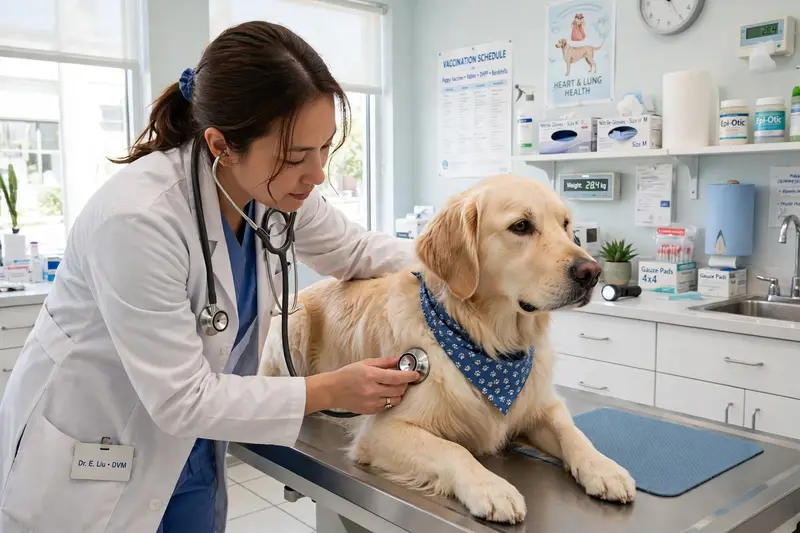
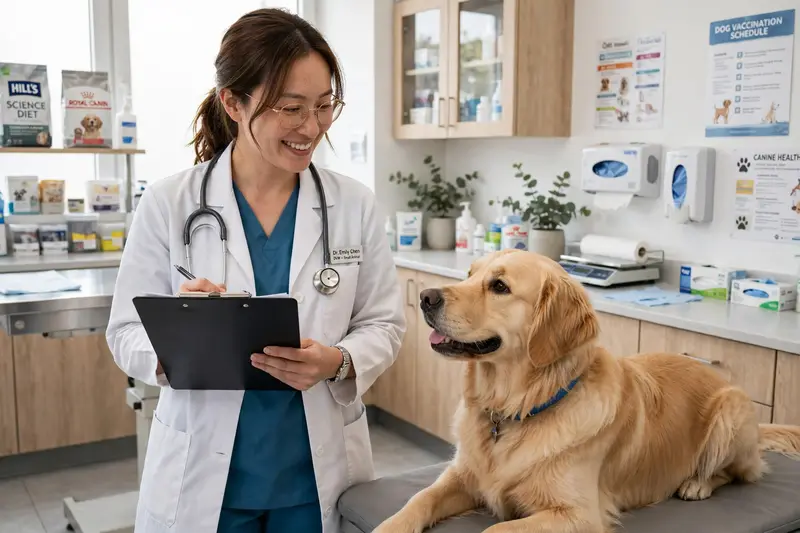
Vets diagnose dog diarrhea by pairing your history with a hands on exam and targeted tests. The vet asks when it started and how often it happens. The vet also asks what the stool looks like, and whether vomiting or lethargy came with it, plus any appetite loss.
Bring a fresh stool sample if you can, since the fecal test checks for parasites and Giardia. Blood work shows kidney and liver values, electrolytes, and signs of infection. A parvo test runs in the clinic for puppies and unvaccinated dogs. X rays or ultrasound look for a swallowed object or a blockage. The VCA guide to diarrhea in dogs describes the same workup. Treatment follows the cause: fluids for dehydration, deworming for parasites, and a prescription diet when the gut needs a longer rest. Chronic cases may need a diet trial, where the vet swaps the food for several weeks to test for intolerance. Ask the vet to explain the plan in plain words before you leave.
Preventing the next bout of diarrhea
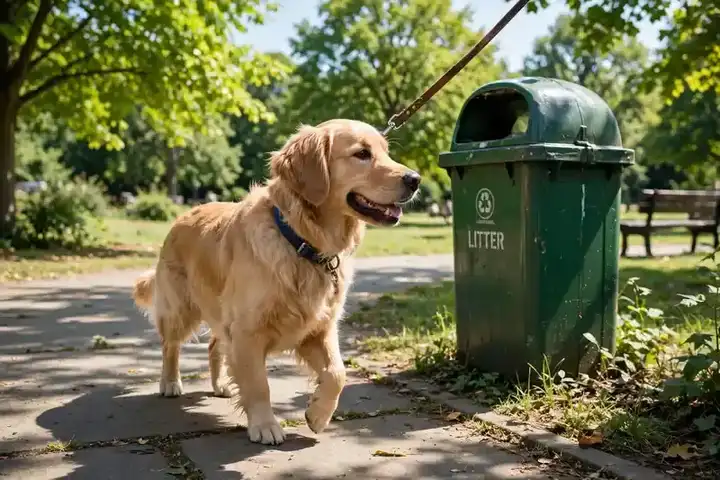
Prevention beats cleanup, and most dog diarrhea traces back to something the dog ate or picked up. Change foods slowly over seven to ten days instead of swapping bowls overnight. Keep garbage behind a latched lid, pick up fallen food in the yard, and store human medicine and toxic foods where a dog cannot reach them.
Keep up with deworming and fecal checks on the schedule your vet sets. Wash bowls daily and keep drinking water fresh. Dogs that scavenge on walks need a solid leave it cue and a short leash near bins. Stress diarrhea eases with routine: same feeding times and the same walking route, plus a quiet corner during fireworks or visitors. Pick up stool in the yard the same day, since parasite eggs in old stool reinfect dogs that sniff or lick the ground. Dump standing water from bowls and puddles after rain, because Giardia lives in contaminated water. Small habits, repeated daily, stop most bouts before they start, and a dog proofed kitchen is worth more than any medicine cabinet.
Frequently asked questions about dog diarrhea
How long does dog diarrhea usually last?
Mild diarrhea in a healthy adult dog usually clears within 24 to 48 hours. Diarrhea past two days, or diarrhea that keeps coming back, needs a vet visit.
My dog has diarrhea but acts fine. Should I worry?
A bright dog that eats and drinks normally with one day of loose stool is usually fine to watch at home. Worry when blood appears, when the dog goes off food or water, or when it lasts past two days.
What color of stool is a worry?
Fresh red blood and black tarry stool are the two colors that always earn a vet call. Yellow or mucus covered stool is less urgent, but it still deserves a mention at the next visit if it repeats.
Can stress cause diarrhea in dogs?
Stress can loosen a dog stool, and boarding, travel, moving house, or fireworks often trigger a bout. It usually settles in a day or two once the dog relaxes. Diarrhea that repeats after every stressful event deserves a vet check.
What does diarrhea with vomiting mean?
Diarrhea plus vomiting drains fluid from both ends at once, so dehydration comes fast. It often means gastroenteritis, an infection, or a swallowed toxin. A dog with both symptoms and any red flag needs a vet the same day, and bloody diarrhea always earns a prompt visit.
Is bloody diarrhea always an emergency?
Blood in the stool always earns a same day vet call, and profuse bloody diarrhea is an emergency. Small streaks of red blood with straining often point at hemorrhagic gastroenteritis or colitis, and only the vet can tell which one applies.
Should I give my dog Imodium for diarrhea?
Only if your vet tells you to. Loperamide can harm some dogs, and it is dangerous for dogs with the MDR1 gene mutation found in herding breeds. The AKC guide to dog diarrhea warns that many human medicines can harm dogs, so call the vet first.
Dog diarrhea is common, and most of the time it ends with a firm stool and a relieved owner. The skill lies in spotting the bout that does not fit the pattern, and acting on it early. Blood, black stool, diarrhea past two days, or a puppy in trouble all mean the vet hears about it now, not tomorrow. For everything milder, keep water down, rest the gut, and watch the next day closely. A calm owner who notes the start date, the stool color, and the dog’s energy gives the vet the history that solves the case fastest, and a dog that firms up by morning is the best outcome of all.
Disclaimer: This article is for general information only and is not veterinary advice. If your dog has bloody or black stool, diarrhea past two days, or any red flag listed above, contact your veterinarian promptly.