
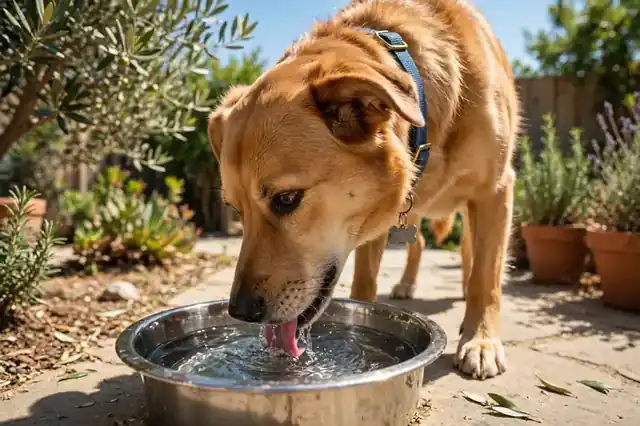
Electrolytes can help a dehydrated dog in the short term, but water is usually the better answer, and a vet visit beats both when dehydration is serious. That hierarchy matters because electrolyte products are formulated for humans, not dogs, and well-meaning owners sometimes reach for them when plain water, or professional care, is what the dog actually needs. This guide explains when electrolytes help, how to use them safely, and the warning signs that mean “vet, now.”
What electrolytes are and why dogs need them
Electrolytes are minerals, chiefly sodium, potassium, and chloride, that carry electrical charges in body fluids. They regulate hydration, nerve signals, muscle function, and the acid-base balance in your dog’s body. Dogs lose them through vomiting, diarrhea, excessive panting, and heavy exercise, and when losses outpace replacement, dehydration and imbalance follow.

A healthy dog eating complete food and drinking freely available water maintains its electrolytes without any help. Supplementation only enters the picture when something disrupts that balance: illness, heat, or prolonged fluid loss. Understanding that baseline keeps expectations realistic. Electrolytes are a repair tool for a specific problem, not a daily wellness upgrade.
How to tell if your dog is dehydrated: the skin test
The skin tent test is the check every owner should learn before ever needing it. Gently pinch the skin between your dog’s shoulder blades into a small tent, then let go. In a hydrated dog it snaps back immediately. If it stays tented for more than a few seconds, that signals dehydration.

Practice this when your dog is healthy so you know what normal looks like for them. Skin elasticity varies a bit by breed and age, and seniors naturally have less snap-back, so your baseline matters. A tent that lingers is never something to watch passively. It is information, and it should push you toward water, rest, and, if other signs are present, a vet call.
Gums, eyes, and behavior: the other warning signs
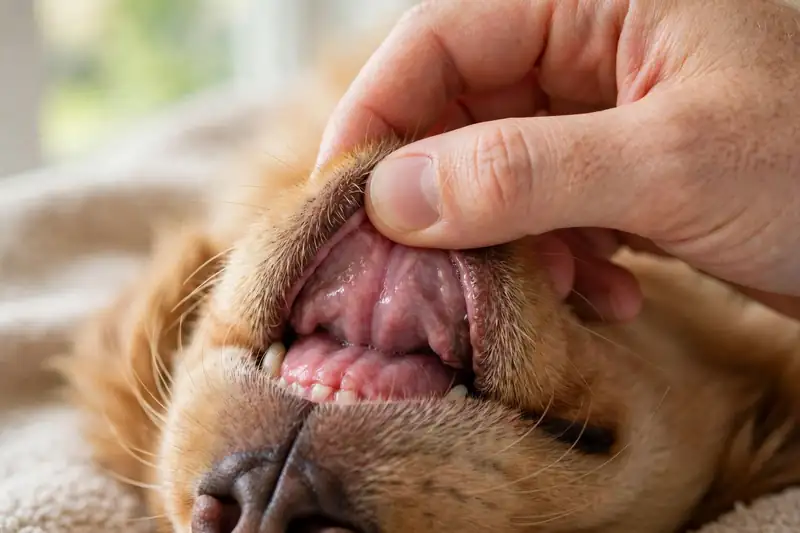
Lift your dog’s lip and look at the gums: they should be moist and pink, since dry, sticky, or pale gums are a warning sign. Press a finger on the gum; color should return in under two seconds. Sunken or dull eyes suggest serious fluid loss, and behavior adds lethargy, weakness, excessive panting, thick saliva, and appetite loss.
One caution: a dry nose alone means little, but combined with the signs above it adds to the picture. Mild dehydration can sometimes be managed at home with guidance. Moderate to severe dehydration, meaning persistent vomiting, extreme lethargy, sunken eyes, or skin that stays tented, needs a veterinarian, who can give subcutaneous or intravenous fluids calibrated to your dog.
When electrolytes actually help
Electrolyte solutions make sense in a narrow window: mild, short-term fluid loss where the dog is still drinking and keeping fluids down. Think mild diarrhea that is already resolving with the dog otherwise bright, a one-off top-up after a hot day or heavy exercise alongside water, or recovery support your vet has specifically recommended for your dog.
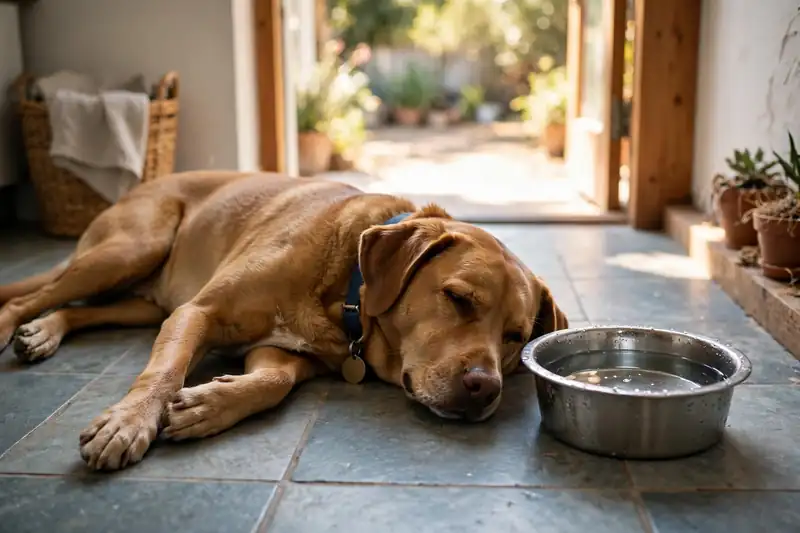
In these cases, an oral electrolyte solution replaces some of what was lost while the underlying cause resolves. It is supportive care. It manages symptoms, it does not cure disease, and it does not stop ongoing fluid losses. If the cause is still active, vomiting that will not quit or diarrhea that keeps coming, electrolytes are the wrong tool and the vet is the right call.
Pedialyte: the careful truth
Pedialyte is the electrolyte solution owners ask about most, and the veterinary consensus is nuanced. Unflavored, classic Pedialyte in small amounts for a short time is generally acceptable for dogs: diluted about 50:50 with water and offered in small frequent amounts, roughly a tablespoon or two at a time for a medium dog.
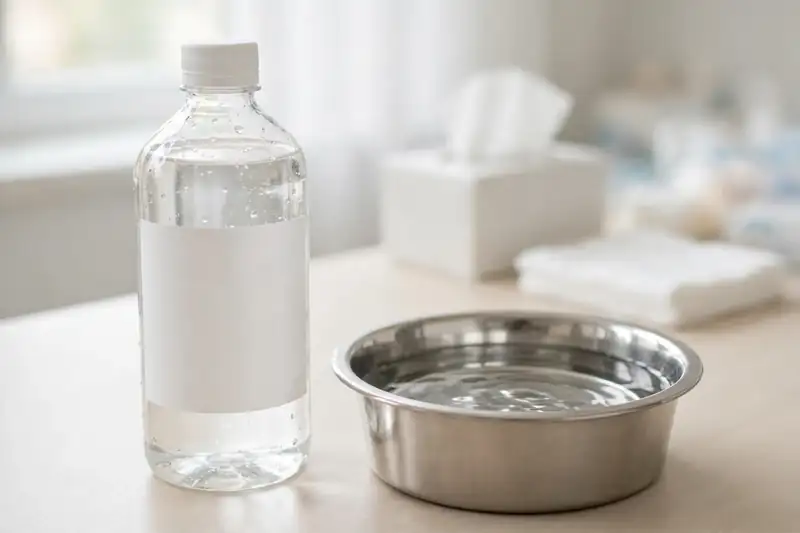
Three qualifications come with that. First, it is formulated for human children, not dogs; the sodium and glucose concentrations are designed for human physiology, and in larger amounts they can be problematic, especially for small dogs. Second, water remains the better default, because dogs do not sweat the way humans do, so after exercise they have not lost electrolytes in human proportions. Plain water replaces what they actually lost. Third, never use it as the sole fluid or as a routine supplement for a healthy dog. And critically, only the unflavored, original formulation. Flavored versions contain sweeteners and additives that upset a dog’s stomach, and some sugar-free products contain xylitol, which is extremely toxic to dogs. Read the label every time.
What not to give: sports drinks and flavored waters
Human sports drinks are a poor choice for dogs: high in sugar and sodium, often containing artificial colors and flavorings, with xylitol in some sugar-free versions. Coconut water is high in potassium and risky for dogs with kidney or heart conditions. Homemade internet recipes vary wildly in salt content and should never be improvised.
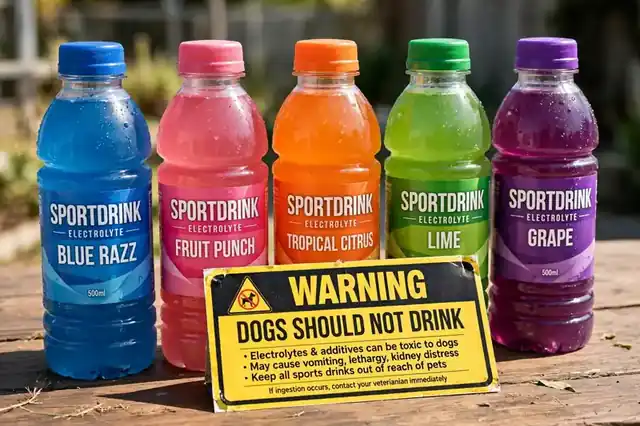
The rule is blunt: if it was not made for rehydration under veterinary guidance, do not assume it is safe because an athlete drinks it. Dogs are not small humans, and their fluid and mineral needs follow different math. When the goal is rehydration, boring and proven beats trendy every time.
How to offer electrolytes safely
When your vet has approved it, the method matters as much as the product. Dilute 50:50 with plain water and offer a few tablespoons every 30 to 60 minutes, never a full bowl at once. Use a bowl for willing drinkers; a needle-free syringe at the mouth’s side works otherwise, but never force fluids.

Ice cubes made from the diluted solution work well for dogs that prefer licking to drinking. Keep fresh water available alongside at all times, and never replace water entirely with the electrolyte mix. Stop and call your vet if the dog vomits the solution back up, refuses all fluids, or shows worsening signs. Those are not cues to try harder at home; they are cues to get professional help.
When not to use electrolytes at home
Electrolytes are the wrong move in several situations. If the dog is vomiting and cannot keep anything down, added fluids can trigger more vomiting; your vet may advise withholding food and water for a few hours. Severe dehydration, with sunken eyes, extreme lethargy, or persistent vomiting and diarrhea, needs professional fluid therapy, not diluted Pedialyte.

Puppies with parvovirus are a special case: parvo causes severe vomiting, bloody diarrhea, and immune destruction, and home electrolytes do not treat it. Delaying vet care worsens the prognosis, so go in immediately. Dogs with diabetes, kidney disease, or heart conditions should only ever receive electrolytes under direct vet direction, because imbalances interact dangerously with these conditions. And with heatstroke, cool the dog and get to a vet at once; do not pause for home rehydration experiments while the clock runs.
What your vet will do instead
For meaningful dehydration, veterinarians have better tools than anything in your kitchen. Subcutaneous fluids handle moderate cases; intravenous therapy with precisely balanced solutions handles severe ones. Anti-nausea medication stops the losses, and treating the underlying cause keeps them stopped. Vet-formulated oral products exist too, with dog-appropriate dosing.

Professional rehydration is faster, safer, and measurable in a way home efforts are not. These vet-formulated products are worth having in a first-aid kit for travel or hot climates, but “formulated for dogs” does not mean “use freely.” They are still for short-term rehydration support during mild illness or heat, ideally with your vet’s blessing, and they never replace veterinary fluid therapy for serious dehydration. Ask your vet which product they prefer before you need it.
Preventing dehydration: water first, every day
Most dehydration is preventable, and prevention is simple. Keep fresh water available at all times, with multiple bowls in multi-dog homes and water on every walk. Offer shade and rest breaks in heat, skip intense exercise in the hottest hours, and get vet attention for vomiting or diarrhea lasting more than a day.

Dehydration rarely happens at the water bowl; it happens on the move. Carry a collapsible bowl and offer water every 20 to 30 minutes on hikes, more often in heat. Never leave a dog in a parked car, even briefly, because interior temperatures turn lethal in minutes. At boarding facilities or with pet sitters, confirm fresh water is always available and ask how they monitor drinking. For brachycephalic breeds like pugs and bulldogs, and for seniors, plan shorter outings in heat; they overheat and dehydrate faster than you expect. The best electrolyte strategy is the one you never need: water, shade, and rest, before the dog has to ask.
A final note on homemade recipes, since the internet is full of them: water, salt, sugar, sometimes honey or baking soda, mixed by guess. They are a bad idea for a simple reason. The salt concentration is a guess, and the guess is often wrong. Too much sodium can worsen dehydration and, in small dogs, cause salt toxicity. If the situation is mild enough for a home recipe, it is mild enough for water and rest. If it is serious enough to need electrolytes, it is serious enough for a vet’s guidance and a proper product.
Frequently Asked Questions
Can I give my dog Gatorade for dehydration?
No. Sports drinks are high in sugar and sodium, contain artificial additives, and sugar-free versions may contain xylitol, which is toxic to dogs. Plain water is safer. Unflavored Pedialyte diluted 50:50 is the only human product vets sometimes accept, and only short-term.
How much Pedialyte can I give my dog?
Only with veterinary guidance: typically a 50:50 dilution with water, offered in small amounts, a few tablespoons every 30 to 60 minutes, not a full bowl at once. Never use it as the sole fluid or as a routine supplement.
Can puppies have electrolytes?
Only under direct veterinary guidance. Puppies dehydrate quickly and the causes, like parvovirus, can be life-threatening. A puppy showing dehydration signs should see a vet promptly rather than being managed with home electrolytes.
Can dogs have electrolytes every day?
No. Healthy dogs with free water access maintain their own electrolyte balance. Daily supplementation is unnecessary, and the excess sodium can be harmful over time.
Is coconut water safe for dogs?
In small amounts it is not acutely toxic, but it is high in potassium and unnecessary; plain water is better. Dogs with kidney or heart conditions should avoid it unless a vet approves.
What are the first signs of dehydration in dogs?
Loss of skin elasticity with slow skin-tent return, dry or sticky gums, lethargy, sunken eyes, thick saliva, and excessive panting. Learn the skin-tent and gum checks before you ever need them.
My dog will not drink water. Will electrolytes help?
First find out why the dog will not drink; refusal can signal illness, pain, or contaminated water. Try fresh cool water, ice cubes, or a clean bowl in a new spot. If refusal persists more than several hours, especially with lethargy or vomiting, call your vet.
When is dehydration an emergency?
Sunken eyes, extreme lethargy or collapse, persistent vomiting or diarrhea, skin that stays tented, or no urination. These need immediate veterinary care with professional fluid therapy, not home electrolytes.
For the same careful, plain-only approach across the foods dogs meet most often, see our wider guide to what human food dogs can eat. For hydration through food, our watermelon guide covers a naturally hydrating treat, and our cucumber guide explains another low-calorie way to add fluids.
This article is general information only and is not a substitute for veterinary advice. If your dog has a health condition, is on a prescription diet, or you are unsure about any food, check with your veterinarian first. Dehydration can become serious quickly; when in doubt, call your vet.


6 thoughts on “Electrolytes for Dogs: Safe Use & Warning Signs”