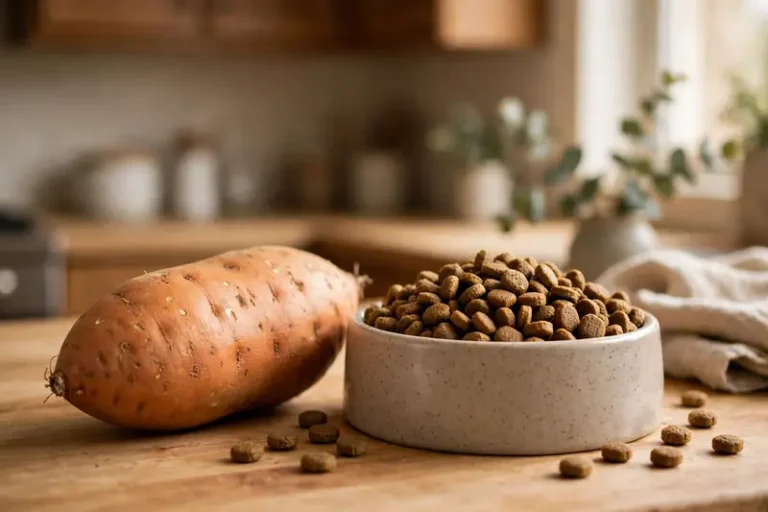
Type “can dogs eat chickpeas” into Google and the FDA’s heart-disease investigation shows up next to the treat guides, which confuses owners before they read a word. Dogs can eat cooked garbanzo beans in small amounts; the occasional treat is safe, while canned beans, hummus, and legume-heavy diets are the real concerns. Garbanzo beans and chickpeas are the same bean, and the bean’s reputation needs separating from the diet’s. This guide does that: safe forms, exact portions, the salt problem, the hummus trap, and what the heart-health investigation actually found.
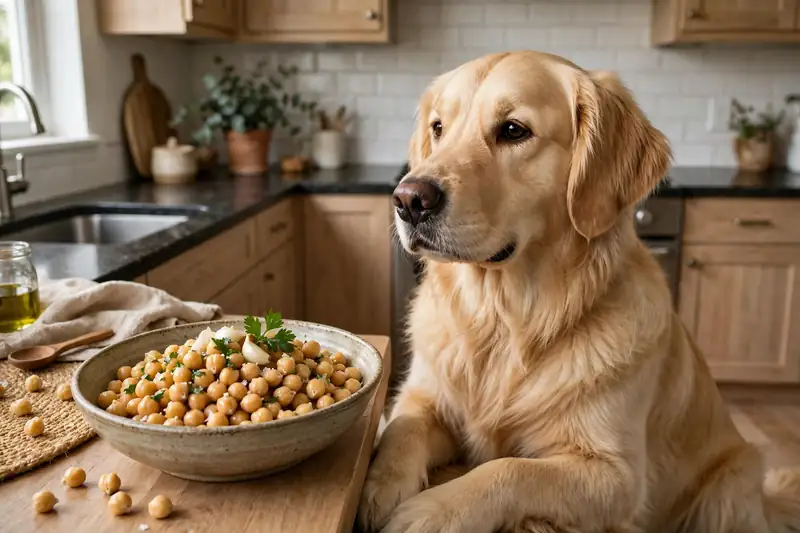
The naming confusion is worth clearing first. Garbanzo is the Spanish-derived name, chickpea the English one, and American cans usually say garbanzo while recipes say chickpea. Your dog does not care about the label. What matters is the form the bean arrives in: dried, cooked from scratch, canned, or blended into hummus. Each form carries a different risk, and this guide ranks them.
Garbanzo beans and chickpeas: the direct answer
Yes, dogs can eat garbanzo beans when they are fully cooked, plain, and served in small amounts. Like black beans and lima beans, chickpeas are a non-toxic legume, and PetMD’s veterinary reviewers describe them as a safe and nutritious occasional treat for dogs. Never feed dried or raw chickpeas, skip regular canned beans, and keep hummus away entirely.

Three forms, three verdicts. Dried chickpeas cooked from scratch until very soft are the best choice. Low-sodium canned chickpeas, rinsed thoroughly, work as a fallback. Regular canned chickpeas, dried raw beans, and hummus are out. The bean itself is not the problem in any of these cases. The salt, the hardness, and the added ingredients are.
Chickpeas should never become a meal or a meat replacement. Dogs are omnivores with specific nutrient needs, and a bowl of beans does not meet them. An AAFCO-approved complete dog food covers the daily nutrition, and chickpeas sit on top as a treat, inside the 10 percent treat allowance. Keep the list of human foods dogs can eat handy if beans are becoming a regular snack in your house.
What chickpeas offer nutritionally
Chickpeas bring plant protein, fiber, folate, iron, magnesium, potassium, and small amounts of vitamins A and B6. For a legume, the package is solid: the protein supports muscle maintenance, the fiber steadies digestion, and the minerals fill small gaps that a treat can reasonably fill. None of this makes chickpeas necessary. It makes them a respectable choice among vegetable treats.

The fiber deserves a practical note. Chickpea fiber feeds gut bacteria and helps stool hold its form, and the fiber in a dog’s diet works best arriving in small amounts from whole foods. Too much fiber too fast does the opposite, which is why the portion guidance later in this guide starts small. A treat that helps digestion at one tablespoon can hinder it at one cup.
Protein is the nutrient owners overestimate here. Chickpeas are rich in plant protein for a bean, but plant protein does not match meat protein for dogs, and the amino acid profile is incomplete. That is the nutritional reason behind the never-a-meal-replacement rule, and it is also why chickpeas work as a topper or training reward rather than a diet base. The bean adds variety and fiber to a complete diet. It cannot replace one. Our guide to beans for dogs covers the wider legume family and the same cooked-plain rules.
Dried, cooked, or canned: which form is safe
Form decides safety more than anything else in this guide. Dried chickpeas, cooked from scratch until completely soft, are the safest form. You control the salt, the water, and the cooking time, and nothing hides in the ingredient list. Soak the dried beans overnight, then boil them plain until they mash easily with a fork.

Never feed dried or raw chickpeas. The hard little beans are a choking hazard, they resist digestion, and they can cause dangerous intestinal blockages that require surgery. This is not a theoretical risk. Hard legumes sit in the gut and swell, and a small dog’s intestines have little room for error. If the bean is hard enough to hurt your tooth, it is too hard for your dog.
Regular canned chickpeas are the other form to avoid. Most canned beans sit in salty liquid, and the sodium load can threaten dogs, especially those with heart disease, high blood pressure, or diabetes. Low-sodium canned chickpeas, rinsed thoroughly under cold water for several minutes, are an acceptable fallback when cooking from scratch is not happening. Rinsing removes a meaningful share of the surface salt, though not all of it. When the can is the only option, rinse well and serve less.
The salt problem in canned beans
Salt is the quiet hazard of the canned aisle. A dog’s body handles sodium in small amounts, but the concentrated salt in canned bean liquid can push past that, causing excessive thirst, dehydration, and in serious cases sodium ion poisoning. Dogs with underlying heart disease, kidney issues, or high blood pressure face the highest risk from a salty meal they did not need.
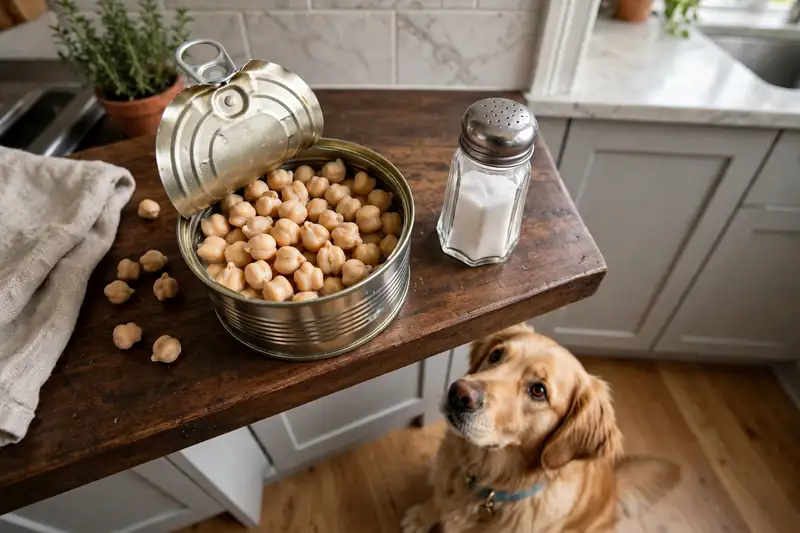
Label reading solves most of it. Standard canned chickpeas list salt high in the ingredients and pack hundreds of milligrams of sodium per serving. Low-sodium versions cut that substantially, and a thorough rinse under cold water washes away more of what clings to the beans. The ASPCA’s people-foods list flags excess salt among the everyday items that harm dogs, and canned beans are one of the most common ways it sneaks in.
The practical rule is simple. Cook from dried when you can. When you cannot, buy low-sodium, rinse for several minutes, and halve the portion you would have served from a home-cooked batch. And never serve the canning liquid. It looks harmless and tastes like bean water, but it is where most of the salt lives. Pour it down the drain, not into the bowl.
Hummus is a no, but doggie hummus works
Hummus is unsafe for dogs, even though chickpeas are its main ingredient. Commercial hummus contains garlic and onion, both toxic to dogs, plus lemon juice, heavy salt, and spices. The garlic alone disqualifies it: garlic damages canine red blood cells, and the amount in a generous scoop of hummus is not trivial for a small dog. Our full guide on hummus and dogs breaks down every ingredient.
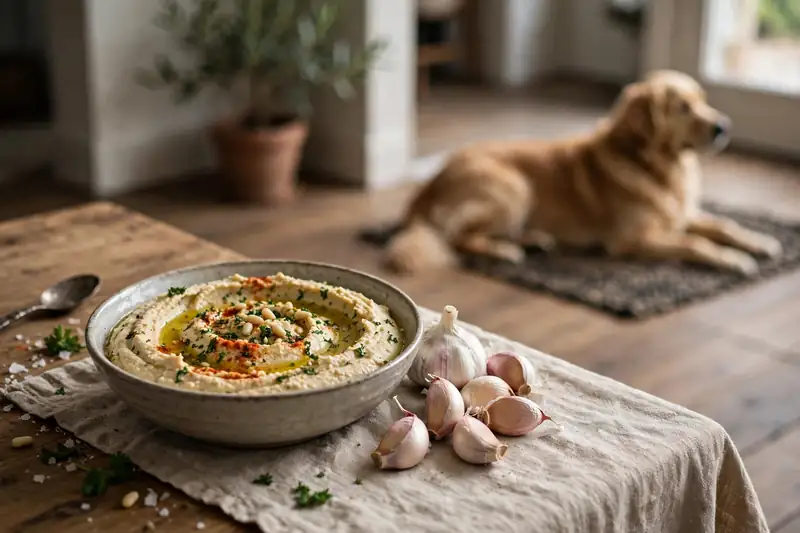
Restaurant and store hummus varies, but none of it is formulated for dogs, so the verdict does not change with the brand. Flavored versions add more risks: roasted red pepper hummus brings extra seasoning, spicy versions bring chili, and “light” versions can hide sugar alcohols. The tub in your fridge is people food, full stop.
Doggie hummus is the workaround, and it takes two minutes. Mash plain cooked chickpeas with a fork until they form a paste, with nothing added. Spread it on a lick mat, stuff it in a Kong, or use it as a food topper. Dogs get the texture and taste they would have enjoyed, without a single risky ingredient. It keeps in the fridge for three to four days, same as the plain cooked beans.
The DCM question: legumes and heart health
Here is the investigation that colors every chickpea article. Starting in 2018, the FDA looked into a potential link between canine dilated cardiomyopathy (DCM), a serious heart disease, and grain-free dog foods. The foods of concern were those with legumes such as peas, lentils, and chickpeas, or potatoes, listed as primary ingredients. The AKC’s summary of the FDA investigation reports that more than 90 percent of the diets in DCM cases were grain-free, and most contained peas or lentils, with chickpeas among the named legumes.
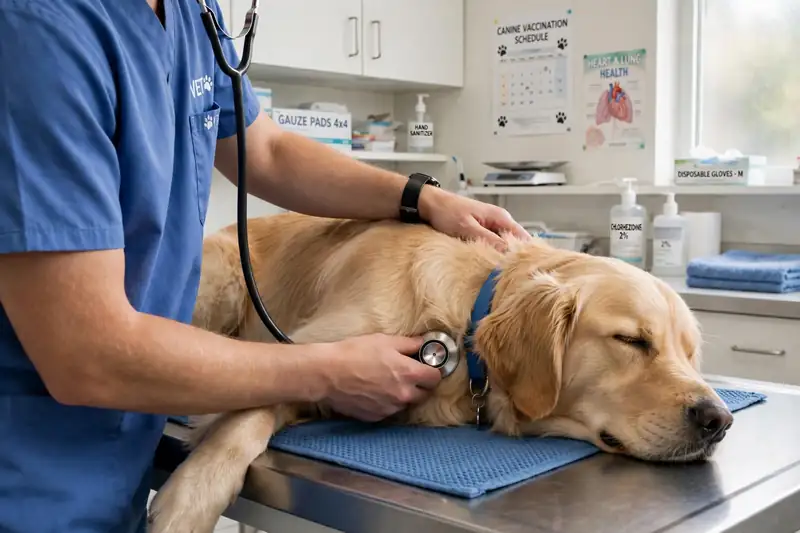
The complicating fact is what the investigation did not find. No proof emerged that chickpeas, or any single ingredient, cause DCM. The FDA flagged diets where legumes replaced grains as primary ingredients, meaning they made up a large share of the daily food, day after day. A tablespoon of chickpeas as an occasional treat is a different exposure by orders of magnitude. Conflating the two is the most common error in online chickpea debates.
The takeaway for owners is measured. Chickpea treats are fine. A diet built on legumes is a question for your vet, not for a treat guide. Feed an AAFCO-approved complete food as the base, keep chickpeas in the treat lane, and mention it at the next checkup if your dog eats a grain-free or legume-heavy diet. That is the proportionate response to an investigation that raised a flag without closing the case.
How to prepare chickpeas from dried beans
Start with plain dried chickpeas and rinse them well. Soak them overnight in plenty of water, or use the quick method: cover with water, boil for two minutes, then turn off the heat, cover the pot, and let them sit for an hour. Either way, the soak shortens the cooking time and starts softening the bean.

Cook in fresh plain water with no salt and no seasonings. Simmer until the beans are completely soft and mash easily with a fork, which usually takes 45 minutes to an hour after an overnight soak. Test more than one bean. Chickpeas cook unevenly, and a single firm bean in the bowl is a choking hazard the rest of the batch does not share.
Cool the beans completely before serving. Remove any loose skins if you like, though it is optional; mashing the beans breaks the skins down and aids digestion. Store cooked chickpeas in a sealed container in the fridge for three to four days. Discard leftovers that smell sour or feel slimy, the same standard you would use for your own food.
How many chickpeas can dogs eat
Portions follow body weight, and chickpeas stay inside the 10 percent treat allowance. Veterinary guidance suggests about one tablespoon two to three times a week for small dogs under 25 pounds, two to three tablespoons for medium dogs, and four to five tablespoons for large dogs over 60 pounds. PetMD’s chart runs slightly more conservative for the smallest dogs, at one tablespoon for extra-small breeds.
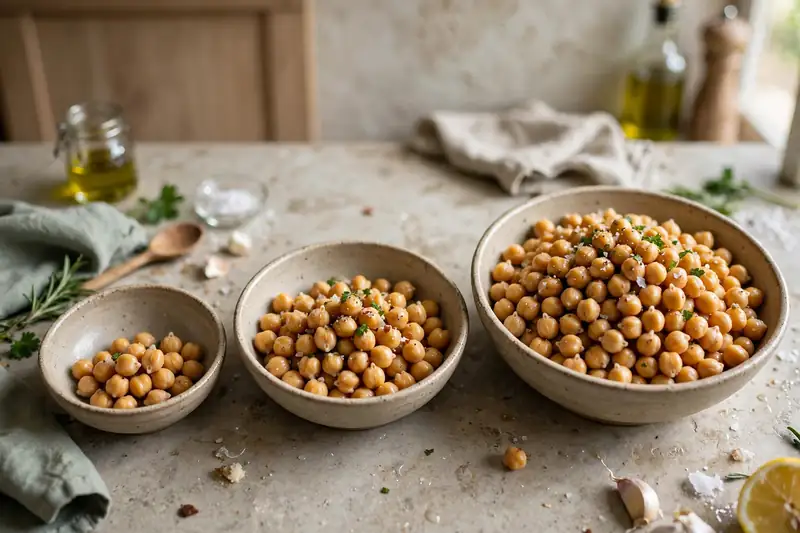
| Dog size | Safe amount | Frequency |
|---|---|---|
| Extra-small (under 20 lbs) | 1 tablespoon | Two to three times a week |
| Small (20 to 30 lbs) | 2 tablespoons | Two to three times a week |
| Medium (31 to 60 lbs) | 2 to 3 tablespoons | Two to three times a week |
| Large (over 60 lbs) | 4 to 5 tablespoons | Two to three times a week |
The VCA’s feeding guidelines set the 10 percent ceiling that these portions sit inside. The first serving should be smaller than the chart: a teaspoon, then a full day of watching. Chickpeas are gentle, but new legumes can loosen stool, and your dog’s reaction decides the real limit more than any chart.
Mashed chickpeas stretch further than whole ones. A tablespoon of mash spreads across a lick mat or mixes through kibble as a topper, giving the dog the taste and the activity without the volume. Whole beans work as training rewards for dogs that chew carefully, in the same low-calorie role green beans have played for years. For gulpers, mash is the safer form, since it removes the swallowing-whole question entirely.
Gas and digestion: the fiber adjustment
Chickpeas ferment in the gut, and fermentation makes gas. A dog new to legumes may get bloated, gassy, or loose-stooled after the first serving, which alarms owners more than it harms dogs. The fix is gradual introduction: tiny amounts over several days, letting the gut bacteria adjust before the portion grows.

Mashing helps twice over. It pre-breaks the tough outer skins that resist digestion, and it slows down fast eaters who would otherwise swallow beans whole. Very soft cooking matters as much; the softer the bean, the easier the dog’s enzymes break it down. Undercooked chickpeas are the most common cause of chickpea-related stomach upset, not the bean itself.
Persistent problems mean something else is going on. Gas that lasts beyond the adjustment week, repeated diarrhea, or a dog that seems uncomfortable after every bean serving points to a sensitivity worth mentioning to the vet. Most dogs adjust within a few servings. The ones that do not are telling you something, and the right response is to listen rather than to push through.
When to call the vet
Call your vet if your dog shows vomiting, diarrhea, or skin irritation after eating chickpeas, especially on a first exposure. True chickpea allergy is uncommon, but sensitivities happen, and the signs above are the standard ones. Stop the chickpeas and watch; most mild reactions fade once the food is gone.

A large salty meal is the more urgent scenario. If your dog raids a can of regular chickpeas, including the liquid, watch for extreme thirst, restlessness, vomiting, or swelling, and call your vet promptly. Sodium ion poisoning is serious and moves fast. Save the can or note the brand and sodium content before you call, since the numbers guide the treatment.
For mild one-time digestive upset after a sensible portion, withhold food for a few hours, then offer a bland diet and watch. Signs that mean a visit rather than home watching include blood in vomit or stool, extreme tiredness, repeated retching, or a swollen belly. When in doubt, the call costs nothing and buys certainty.
Frequently asked questions about dogs and garbanzo beans
Can dogs eat canned garbanzo beans?
Regular canned garbanzo beans are best avoided because of the salt. Low-sodium canned beans, rinsed thoroughly under cold water, work as an occasional fallback. Never serve the canning liquid.
Can dogs eat hummus?
Keep hummus away from dogs. Hummus contains garlic, onion, lemon juice, salt, and spices, several of which are harmful to dogs. Mash plain cooked chickpeas with a fork for a dog-safe alternative.
Are chickpeas good for dogs?
They are a respectable treat, not a health food. Chickpeas offer plant protein, fiber, folate, and minerals in a low-fat package. They add variety to a complete diet but cannot replace one.
Can dogs eat raw chickpeas?
Never serve them raw. Raw dried chickpeas are a choking hazard and resist digestion, and they can cause intestinal blockages. Always cook chickpeas until completely soft before serving.
Can puppies eat chickpeas?
Older puppies can have tiny amounts of mashed, well-cooked chickpeas. Keep portions smaller than an adult’s, and skip chickpeas for very young puppies or any puppy with digestive trouble unless your vet agrees.
My dog ate a lot of chickpeas. What should I do?
Watch for gas, bloating, vomiting, or diarrhea over the next day. A large plain portion usually means discomfort, not danger. A large salty canned portion warrants a vet call. Note how much was eaten and whether the beans were salted before you call.
Garbanzo beans earn a calm yes with clear edges. Cook them from scratch until soft, keep them plain, portion by weight, and they make a fine fiber-rich treat. Skip the cans, skip the hummus tub, and keep the bean in the treat lane rather than the diet. Do that, and the most controversial bean in the dog-food aisle becomes one of the least worrying.
Disclaimer: This article is for general information only and is not veterinary advice. Every dog is different, and dogs with heart disease, kidney issues, or other health conditions may need different guidance. If your dog shows symptoms after eating chickpeas, contact your veterinarian.