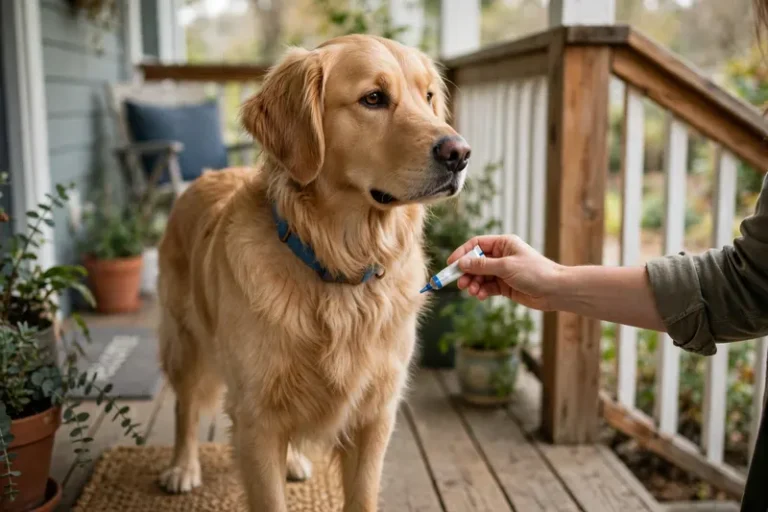
Galliprant for dogs is a prescription tablet that controls osteoarthritis pain by blocking one specific pain receptor, called EP4, instead of shutting down inflammation across the whole body. Its active ingredient is grapiprant, and the FDA approved it in 2016 for dogs at least 9 months old and weighing at least 8 pounds. The targeted design is why vets often reach for it in older dogs: it tends to be gentler on the stomach, kidneys, and liver than older arthritis drugs. Arthritis has no cure, and Galliprant serves one purpose only: easing the pain and stiffness of osteoarthritis. For the right dog it can mean easier stairs, longer walks, and a dog that greets the morning instead of dreading it.

What Galliprant is and what it treats
Galliprant is a prescription nonsteroidal anti-inflammatory drug, an NSAID, made only for dogs with osteoarthritis. Osteoarthritis is the slow breakdown of cartilage in a joint, which leaves bone rubbing on bone and causes pain, stiffness, and less movement. Galliprant controls the pain and inflammation that come with that breakdown.
It does not rebuild cartilage, and it does not reverse the disease.
The drug is approved for one job only: controlling pain and inflammation associated with osteoarthritis in dogs. That narrow label is worth knowing. Some older NSAIDs are also approved for pain after surgery, but Galliprant is not. A vet would not prescribe it for a fever, for a soft tissue injury, or for post-surgical pain. Its place is long-term arthritis management, given once a day, every day.
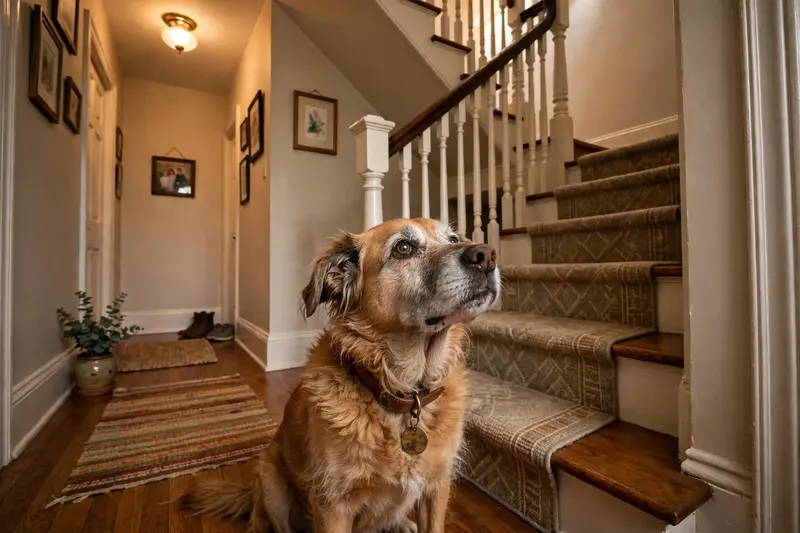
Osteoarthritis is the most common cause of chronic pain in older dogs, and it creeps in slowly. A dog that hesitates at the stairs, takes a minute to stand after a nap, or lags behind on a walk it used to lead may be showing early signs. The AKC guide to osteoarthritis in dogs describes those early signs and how a vet confirms the diagnosis with an exam and X-rays.
How Galliprant works differently from older NSAIDs
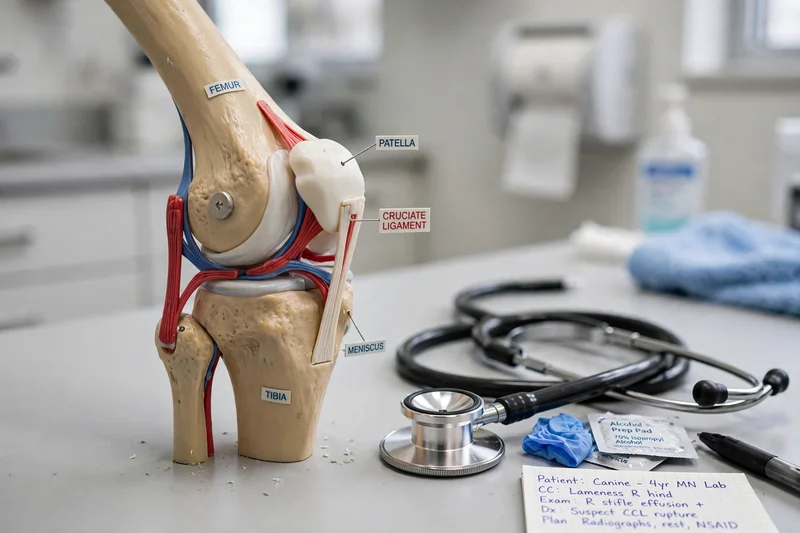
Galliprant works by blocking a single receptor, EP4, that prostaglandin E2 uses to switch on arthritis pain and inflammation. Prostaglandin E2 is a chemical the body makes at an injured joint, and EP4 is the lock it turns to create the pain signal. Galliprant blocks that one lock and leaves the rest of the prostaglandin system alone.
Older NSAIDs work differently. Drugs like carprofen and meloxicam block COX enzymes, which stops the body from making prostaglandins at all. That approach works, but prostaglandins also protect the stomach lining, support blood flow to the kidneys, and help the liver function. Blocking all of them is why older NSAIDs can cause stomach ulcers, kidney strain, and liver problems, especially in older dogs or with long-term use.
The EP4 approach is more selective. Galliprant stops the pain signal without shutting down the protective prostaglandins. That selectivity is the whole reason the drug exists, and it is why vets consider it for dogs that cannot tolerate older NSAIDs. The Merck Veterinary Manual explains the joint changes behind the pain in its guide to osteoarthritis in dogs and cats, and the EP4 mechanism is the detail that separates Galliprant from the rest of the class.
The dose and how to give the tablet
Give Galliprant once a day by mouth. The FDA approved dose is 2 mg per kilogram of body weight, which works out to about 0.9 mg per pound. The tablets come in 20 mg, 60 mg, and 100 mg strengths, and the vet picks the strength that matches the dog’s weight.
The exact dose for an individual dog follows the vet’s prescription, not a chart on the internet.
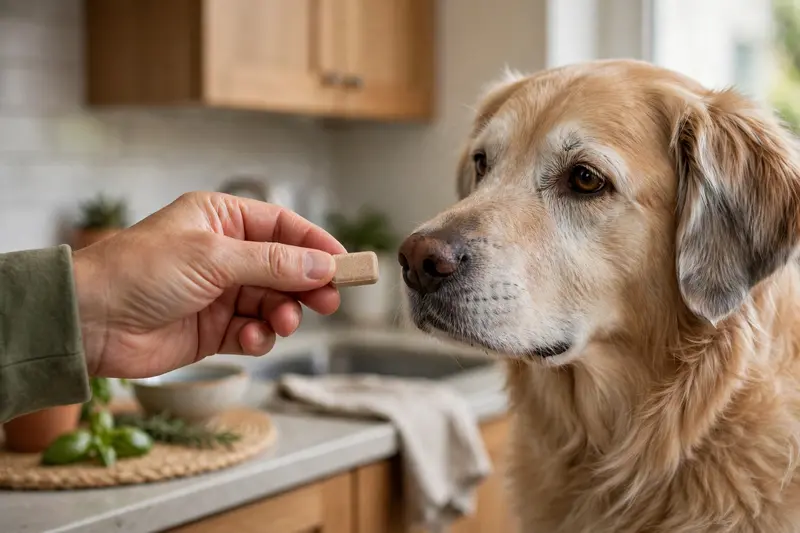
Tablets are flavored and most dogs take them willingly, but a dog that refuses can take the tablet hidden in a small piece of food. The key is the full dose, every day, at roughly the same time. Arthritis pain does not take days off, and a drug given on and off gives on and off relief. A phone reminder or a pill organizer keeps the routine steady.
Some dogs show improvement within days, and many owners notice a real difference within the first one to two weeks: easier rising, more interest in walks, less stiffness after rest. The vet usually assesses progress at a recheck a few weeks after starting, and that visit is the time to say plainly whether the dog is better, the same, or worse. Galliprant helps most dogs with osteoarthritis, but not every dog, and an honest report at the recheck is how the vet knows whether to continue, adjust, or try something else.
Which dogs can take Galliprant
The FDA approved Galliprant for dogs at least 9 months old and weighing at least 8 pounds. Researchers have not tested safety below that age or weight, so vets currently do not prescribe it for young puppies or very small dogs.
The tablet sizes make accurate dosing hard in a tiny dog, and researchers have not studied the drug in those groups.
Researchers have also not tested safety in breeding, pregnant, or nursing dogs, and the label advises against use in dogs with a known hypersensitivity to grapiprant. Dogs with existing kidney disease, liver disease, or heart disease need a careful vet decision, because researchers have not fully studied the drug in those conditions either. A dog that is dehydrated or taking diuretics carries a higher risk of side effects, and the vet may want to correct the dehydration first.
Before starting, the vet usually runs bloodwork to check kidney and liver values and to set a baseline. That baseline matters later: if a value shifts after months on the drug, the vet can tell whether the drug, the disease, or something else is responsible. Older dogs with arthritis often carry other health problems too, so the starting bloodwork is part of the treatment, not a formality.
Side effects owners should watch for
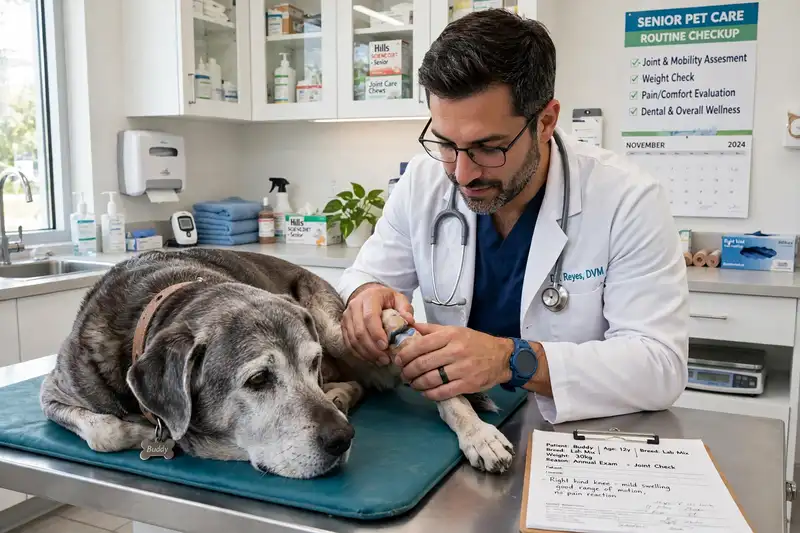
Most dogs tolerate Galliprant well, and the most common side effects are digestive. Owners may see vomiting, diarrhea or soft stool, decreased appetite, and lethargy. Less commonly, the stool may contain mucus or blood, and blood tests may show a drop in serum albumin or total protein.
Most of these effects are mild and resolve on their own, but any of them that persist or worsen deserves a vet call.
Blood in vomit or stool, black or tarry stools, repeated vomiting, or a dog that stops eating entirely are the signs that need a prompt call, not a wait. Those signs can point to a stomach ulcer or a more serious reaction, and the vet may stop the drug and check bloodwork. Gastroenteritis is the general term for the stomach upset you are watching for, and bloody diarrhea is the sign that always earns a prompt vet visit.
An overdose can cause vomiting, decreased appetite, diarrhea, and changes in liver values and blood protein levels. Keep the tablets where the dog cannot reach them, and call the vet at once if the dog eats extra tablets. Galliprant is a prescription drug for one dog, and a second dog in the house should never get a dose meant for the first.
Galliprant and other medicines: what never to mix
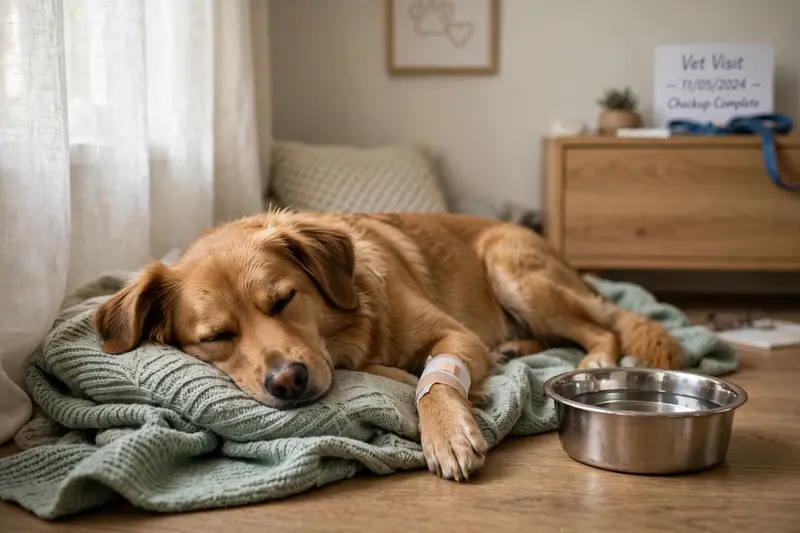
Galliprant must not be given together with other NSAIDs or with corticosteroids. No study has tested the combination, and the FDA client information says to avoid it. Mixing two anti-inflammatories multiplies the risk of stomach ulcers, kidney damage, and bleeding, and the extra risk buys no extra pain relief.
That rule catches owners by surprise in two common situations. The first is the medicine cabinet: a dog on Galliprant should never get leftover carprofen, aspirin, or ibuprofen from a previous prescription, and human painkillers are never safe for dogs in any case. Ibuprofen for dogs is toxic, and aspirin for dogs needs a vet’s direction and is never combined with another NSAID. The second situation is the vet visit itself: tell every vet and every emergency clinic that the dog takes Galliprant, so nobody adds a second anti-inflammatory by accident.
The FDA’s guidance on pain relievers for pets lists the approved NSAIDs for dogs and explains why each one has its own label limits. Read the FDA facts about pain relievers for pets before any change, and ask the vet about any supplement or medicine you plan to add. Some supplements are fine alongside Galliprant, but the vet is the one who confirms it.

Long-term use and the bloodwork habit
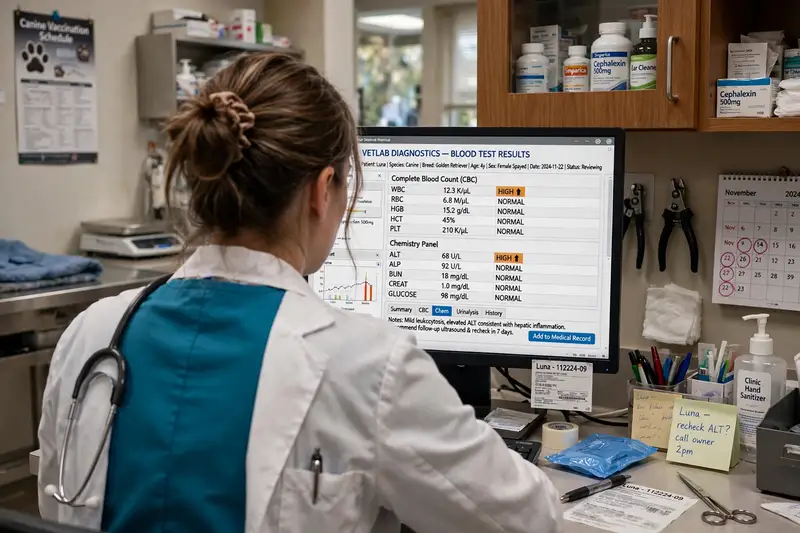
Galliprant is approved for short-term and long-term use, and many dogs take it for months or years. Long-term use still calls for periodic bloodwork, even though the drug is gentler than older NSAIDs. The vet checks kidney and liver values and blood protein levels, usually every 6 to 12 months, or more often if the dog has other health problems.
That monitoring reflects the standard of care for any dog on a daily anti-inflammatory. It catches problems early, when they are still reversible. A dog whose kidney values creep up can switch to a different plan before kidney damage sets in. A dog whose values stay steady can keep taking the drug with confidence.
Owners can help the monitoring by keeping a simple log: appetite, energy, stiffness in the morning, willingness to climb stairs, and any vomiting or soft stool. That log turns the recheck visit from guesswork into a real assessment. The vet also weighs the dog at each visit, since weight changes the dose, and weight loss itself is one of the best arthritis treatments there is. A dog carrying extra weight loads every sore joint with every step.
Galliprant versus carprofen and gabapentin
Galliprant, carprofen, and gabapentin treat pain in different ways, and the vet picks among them based on the dog. Carprofen is the classic NSAID, sold as Rimadyl, and it blocks COX enzymes to reduce inflammation across the body. The right choice depends on the dog.
It works well and vets use it widely, but it carries the classic NSAID risks for the stomach, kidneys, and liver. Carprofen dosage for dogs is set by the vet by weight, and the drug needs the same bloodwork monitoring as any NSAID.
Gabapentin belongs to a different drug family. Vets use this anti-seizure drug off label in dogs for nerve pain, and it causes sedation and wobbliness in many dogs. Vets often pair gabapentin with an NSAID when arthritis pain has a nerve component, or when the dog cannot take an NSAID at full strength. The two drugs do different jobs, so the comparison is not either or. Many older dogs end up on both.
Galliprant sits between those two. It is an NSAID, but a targeted one, so it gives anti-inflammatory pain relief with a gentler profile on the gut and organs than carprofen. A dog that vomited on carprofen may do well on Galliprant. A dog whose pain is mostly nerve pain may need gabapentin added. The choice is the vet’s, and the right answer changes as the dog’s arthritis and health change over time.

What else helps an arthritic dog besides medicine
Medicine is one part of arthritis care, and the non-drug parts often matter as much as the tablet. Weight control leads the list. Every extra pound loads the joints, and a dog that drops to a healthy weight often moves better on the same dose.
The vet sets the target weight and the feeding plan, and the family has to hold the line on treats.
Exercise should be regular and gentle: short walks on soft ground, several times a day, beat one long weekend hike that leaves the dog stiff for two days. Swimming is excellent when available, because water supports the body weight. Ramps beat stairs, a non-slip rug beats a slick floor, and a raised food bowl can spare a stiff neck. A warm, thick bed in a draft-free spot helps the morning stiffness that many arthritic dogs wake up with.
Supplements have a place too, though the evidence is thinner than for prescription drugs. Glucosamine for dogs and joint supplements for dogs are the ones owners ask about most, and fish oil for dogs has modest evidence for joint comfort. Dasuquin and Cosequin are the two best known joint supplement brands. None of these replaces Galliprant, but the vet may use them alongside it. Physical therapy, acupuncture, and laser therapy are also options in many areas, and the vet can refer the dog to a rehab specialist.

Frequently asked questions about Galliprant for dogs
How fast does Galliprant work?
Some dogs show improvement within days, and many owners notice a real difference within one to two weeks. Pain relief can begin within hours of the first dose in some dogs, but the vet usually judges the result after a few weeks of daily use.
Can Galliprant be given long term?
The FDA approved Galliprant for short-term and long-term use in dogs with osteoarthritis. Long-term use calls for periodic bloodwork to check kidney and liver values, usually every 6 to 12 months.
Is Galliprant safer than Rimadyl?
Galliprant is generally gentler on the stomach, kidneys, and liver than older NSAIDs like carprofen, sold as Rimadyl, because it blocks one pain receptor instead of shutting down COX enzymes. Safer does not mean risk-free, and the vet still monitors bloodwork.
Can I give Galliprant with gabapentin?
Often yes, and vets commonly pair the two when arthritis pain has a nerve component. The combination needs the vet’s direction, since gabapentin causes sedation and the doses need balancing.
What should I do if I miss a dose?
Give the missed dose when you remember, then return to the normal daily schedule. Do not double up to catch up. A double dose raises the risk of vomiting and diarrhea.
Can puppies take Galliprant?
Researchers have not tested safety in dogs younger than 9 months or weighing less than 8 pounds. Puppies with joint pain need a different plan from the vet.
My dog vomited after Galliprant. Should I stop it?
One vomit is common and often resolves on its own. Stop the drug and call the vet if vomiting repeats, if there is blood in the vomit or stool, or if the dog stops eating. Never add another painkiller while you wait.
Does Galliprant cure arthritis?
No drug cures osteoarthritis. Galliprant controls the pain and inflammation so the dog moves more comfortably. Weight control, gentle exercise, and joint care still matter alongside the tablet.
Galliprant earns its place by doing one job with unusual precision: it blocks the EP4 pain signal of arthritis without shutting down the prostaglandins that protect the stomach, kidneys, and liver. That precision is why vets reach for it in older dogs, and why it suits long-term use. The honest picture includes the digestive side effects, the rule against mixing it with other NSAIDs or steroids, and the bloodwork that still matters. Give the tablet daily, keep the weight down, keep the walks gentle and regular, and tell the vet plainly how the dog is doing at each recheck. The FDA guidance for vets on NSAID pain control sets the standard for that monitoring, and a dog whose pain is managed well is a dog that keeps enjoying its life. That is the whole point of the tablet.

Disclaimer: This article is for information only and is not a substitute for veterinary advice. Galliprant is a prescription medication. Talk to your veterinarian before starting, stopping, or changing any pain medication for your dog.