The Indiana dog food company in the recall headlines is Albright’s Raw Pet Food of Fort Wayne. On May 6, 2026, the company voluntarily recalled one lot of its Chicken Recipe for Dogs Complete and Balanced after routine FDA sampling found Salmonella in a sample from that lot. One lot, one recipe, lot code C001730, best-by date April 28, 2027. No illnesses in pets or people have been reported in connection with it. If you feed Albright’s raw food, this article tells you how to check your freezer in one minute, what the recall does and does not mean, and what to do next.
Which Indiana dog food company was recalled? The short answer
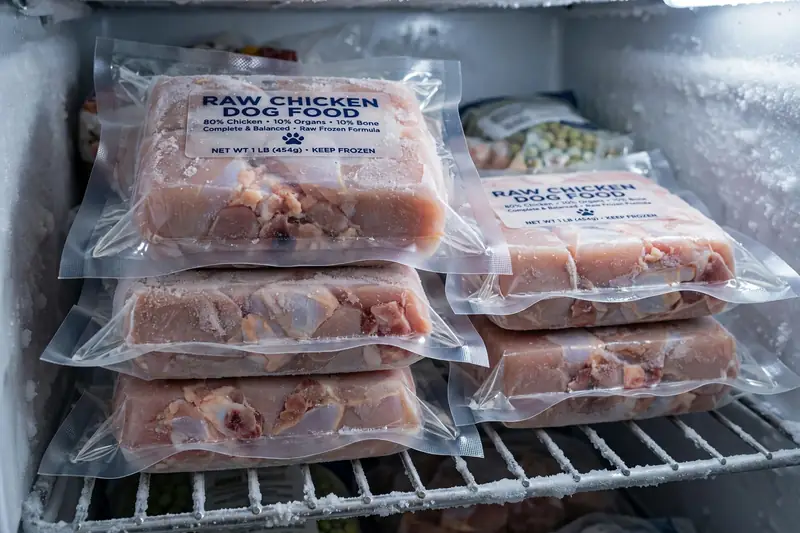
Albright’s Raw Pet Food of Fort Wayne, Indiana, recalled one lot of Chicken Recipe for Dogs Complete and Balanced, sold as 1-pound frozen bricks in clear vacuum packaging. The affected lot is C001730, with a best-by date of April 28, 2027 and UPC 20855404008367. The reason is potential Salmonella contamination found during routine FDA testing. The FDA published the recall notice on May 7, 2026.
Searches for “Indiana dog food company recall” spiked because Albright’s is an Indiana company and the recall was its first to draw national attention. The FDA’s recall notice for Albright’s carries the full product table, and the FDA’s email bulletin on the recall repeats the company’s announcement verbatim. Everything below comes from those two sources.
One-lot recalls like this are the most common kind in pet food. They are also the easiest to check: one code decides whether your bag is affected.
The recall details: product, lot, and best-by date
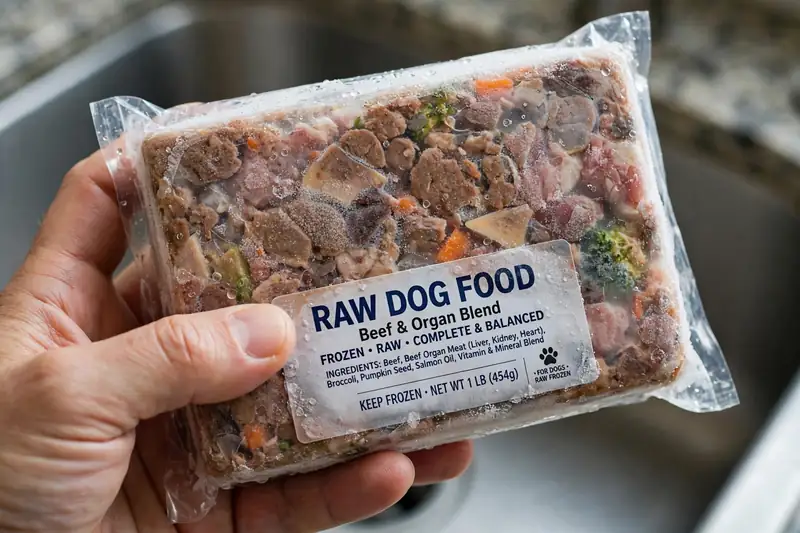
The recalled product is Albright’s Raw Pet Food Chicken Recipe for Dogs Complete and Balanced, in 1-pound frozen bricks enclosed in clear vacuum packaging, generally distributed in 30-pound cases. Only lot C001730 is included. The best-by date on the affected lot is 28-Apr-27, and the UPC is 20855404008367.
All other lots and all other Albright’s products sit outside this recall. That boundary matters more than it sounds. When a recall names one lot, owners of every other lot sometimes panic-discard perfectly good food, or, just as bad, owners of the affected lot assume “one lot” means “someone else’s problem.” Neither is right. Check the code on your package. That is the entire test.
Write the lot code down before you throw anything away. If your dog ate from the affected lot and gets sick later, the vet will ask for it, and a refund claim needs it too.
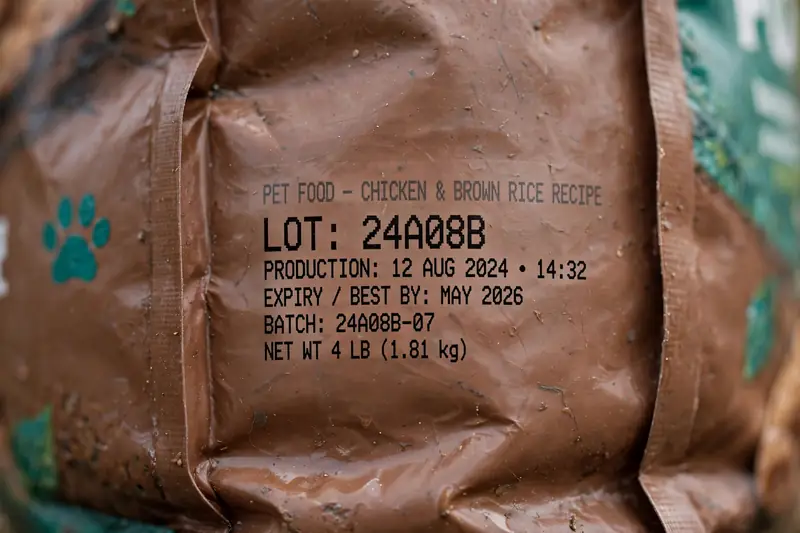
Why this lot was recalled
Routine FDA sampling found it. The agency regularly collects pet food samples from manufacturing facilities and distribution channels as part of its food safety monitoring, testing for Salmonella, Listeria monocytogenes, and E. coli. In this case, one composite sample from lot C001730 tested positive for Salmonella species.
Note what that sentence does and does not say. It says Salmonella showed up in one composite sample. It says nothing about how much was present: the company stated it had not quantified the pathogen load. It does not say anyone got sick: no illnesses in pets or people had been reported at the time of the announcement. And the recall is explicitly precautionary. The company said it was awaiting third-party confirmatory testing to better understand the finding, and proceeded with the voluntary recall in the meantime “to ensure the highest level of safety and transparency.”
That is how the system is supposed to work. Routine surveillance catches a positive, the company pulls the lot before illnesses appear, and confirmatory testing follows. A recall with no illnesses is a success story for surveillance, not evidence that the system failed.
Where the affected lot was sold
The affected lot was sold directly to consumers across the United States through the company’s direct sales and online orders, plus select retail partners in six states: Massachusetts, California, South Carolina, North Carolina, Wisconsin, and New York.
The direct-to-consumer piece is worth understanding. Albright’s sells frozen raw food shipped to homes, which means the affected lot did not sit on a few store shelves where a shelf-clear takes an afternoon. It sits in home freezers across the country, where it can sit for months. Frozen raw food has a long freezer life, and the best-by date here runs to April 2027. That is why one-lot recalls of frozen products deserve more attention than their size suggests: the product does not disappear quickly on its own.
If you buy Albright’s through a subscription or repeat order, check every delivery in the freezer, not just the latest box. Lot C001730 could be sitting behind newer stock.
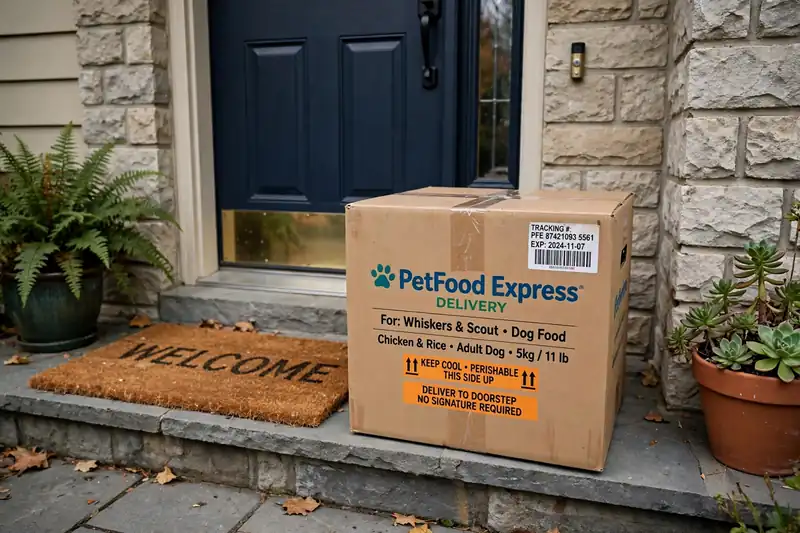
How to check your bag in one minute
Pull the brick from the freezer and find the lot code printed on the packaging. Compare it to C001730 and the best-by date 28-Apr-27. Match on both, and the brick is recalled.
If the code matches, seal the brick in a bag and discard it or return it. Do not feed it, do not cook it for the dog, and do not pass it to a shelter. Wash your hands and any surfaces the brick touched.
If the code does not match, the product is not part of this recall. If the code is unreadable or the packaging is gone, err on the side of caution when the purchase falls in the right timeframe. A photo of the lot code, taken the day the box arrives, takes five seconds and ends every future recall scramble. Make it a habit with every pet food delivery, not just this one.
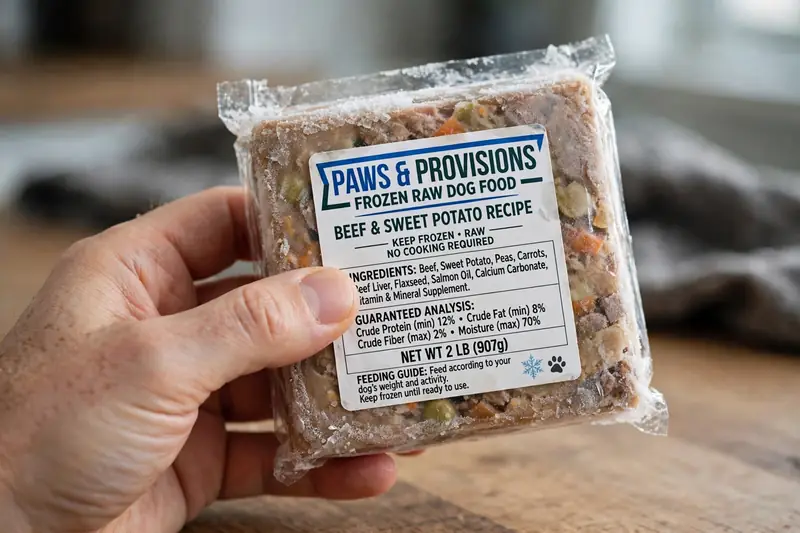
What to do if your dog ate it
Most likely outcome: nothing happens. Many dogs carry Salmonella without any symptoms at all, and a single positive composite sample cannot prove every brick in the lot carries an infectious dose. Still, “probably fine” is not a plan, so here is one.
Watch for vomiting, diarrhea (sometimes bloody), fever, appetite loss, and lethargy over the next several days. Gastroenteritis is the general term for what you are watching for, and bloody diarrhea is the sign that always earns a prompt vet visit. Puppies, seniors, and immunocompromised dogs get a lower threshold for calling.
Save the packaging with the lot code. If symptoms appear, call your vet, name the recall, and give the lot number. For mild stomach upset after the vet rules out anything serious, a bland diet for a day or two is the usual recovery path. And remember the humans: anyone who handled the raw bricks should practice thorough handwashing, since Salmonella moves easily from hands to mouths.
Salmonella signs in dogs
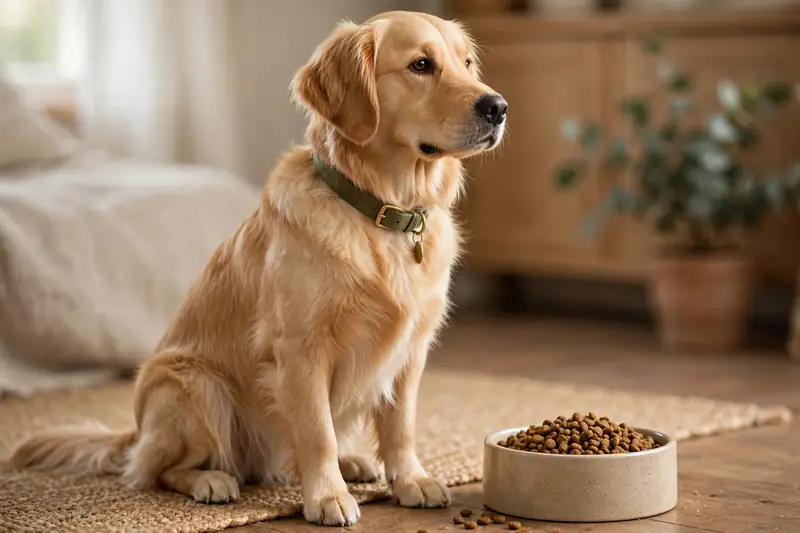
Salmonella in dogs looks like a bad stomach bug, when it looks like anything at all. The VCA notes that dogs can carry the bacteria in their intestines without showing signs, serving as a reservoir for ongoing household exposure. When dogs do get sick, symptoms include vomiting, diarrhea that is often bloody, fever, inappetence, and lethargy.
About half of infected dogs in one study showed no diarrhea at all, which is why “my dog seems fine” is reassuring but not conclusive. The VCA’s guide to raw food diets explains the carrier phenomenon and why raw-fed dogs can expose their households without ever looking ill.
Diagnosis runs through the vet: fecal culture confirms it. Treatment depends on severity. Mild cases often resolve with supportive care and fluids. Antibiotics are reserved for severe cases or immunocompromised dogs, partly over resistance concerns. Do not start antibiotics at home. The vet decides, and most mild cases do not need them.
“No illnesses reported”: what that means
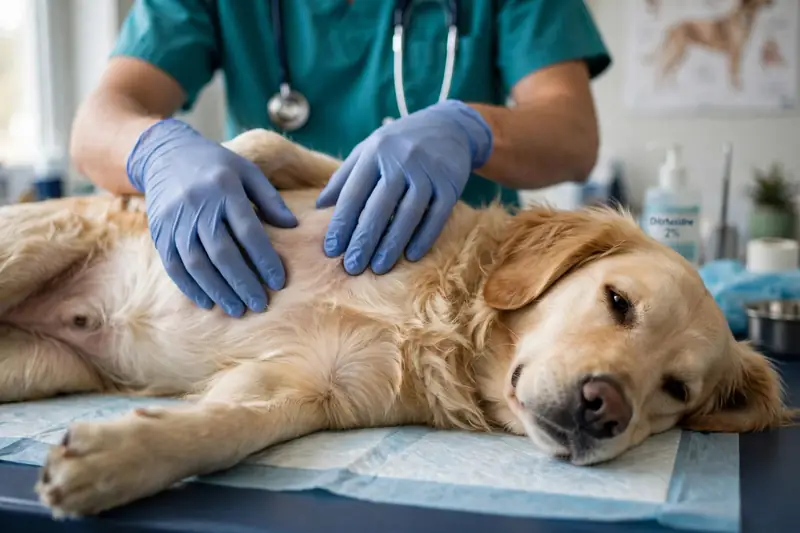
The recall notice states that no illnesses in pets or humans had been reported in connection with the lot. That is good news, and it is worth understanding precisely.
“No reported illnesses” means the surveillance system worked as designed: routine testing caught the contamination before a pattern of sick dogs forced the issue. That is no certificate of safety. It means nobody has connected an illness to it yet, which is a different statement. Mild cases of canine stomach upset rarely get reported to anyone, and a dog with a day of soft stool after a new bag is not a data point in any system.
The honest reading: precautionary recalls with no illnesses are the best-case version of a recall. The product was pulled on a lab finding, not a body count. That is the system functioning, and it is also why checking the lot code matters even though nobody has reported getting sick. The recall exists to keep it that way.
Refunds
According to the company’s recall notice, refund requests go through the email address listed in the announcement: [email protected]. Keep your receipt and the packaging with the lot code; both make the claim smoother.
If you bought through a retailer rather than direct, check with the store first. Retailers often process recall returns at the counter without involving the manufacturer. Either way, do not wait for the refund to act on the food. Discard or return the affected bricks now and sort out the money after.
One administrative note: direct-to-consumer companies sometimes proactively email affected buyers, since they have the order records. If you ordered Albright’s online around the affected period, search your inbox for the company name before assuming you heard nothing. And if you did not get a notice, the lot-code check above is the backstop.
How to stay ahead of the next recall
Three habits cover nearly every pet food recall. First, bookmark the FDA’s recall page and check it when you hear a rumor, or subscribe to the agency’s email alerts and let new recalls come to you. The FDA posts company announcements there, usually the same day.
Second, photograph the lot code and best-by date on every bag, box, and brick the day it arrives. Recalls are lot-specific far more often than brand-wide, and that photo is the difference between a one-minute check and a panicked guess. This applies whether you feed raw, kibble, or cooked chicken and boiled chicken from your own kitchen.
Third, report problems. The FDA’s Safety Reporting Portal takes consumer reports on pet food, and those reports are how surveillance improves. The raw chicken and raw meat guides cover the ingredient-level risks that make reporting worthwhile: raw products carry documented pathogen risks, and every report sharpens the picture.
Frequently asked questions about the Albright’s recall
Is all Albright’s dog food recalled?
No. Only one lot of Chicken Recipe for Dogs Complete and Balanced, lot C001730, best by 28-Apr-27. All other lots and products are not included.
I bought directly from Albright’s. Am I affected?
Possibly, since the lot went out through direct and online sales nationwide. Check the lot code on every brick in your freezer against C001730. Direct buyers should also check their email for a company notice.
Can people get sick from the recalled food?
Yes, Salmonella can infect people who handle contaminated raw pet food, especially without thorough handwashing. Watch for nausea, vomiting, diarrhea, cramps, and fever, and call a doctor if symptoms appear.
Should I stop feeding raw food?
That is your call, but make it informed. The FDA considers raw pet food a significant health risk and advises against it, citing higher contamination rates than conventional pet food. If you continue, favor suppliers with transparent testing and sanitation.
The lot code on my brick is unreadable. What now?
If you bought it in the affected timeframe and cannot verify the code, discard it. A missing code is not worth the gamble, and no refund outweighs a pathogen risk.
How long do recalls like this stay relevant?
Until the best-by date passes and freezers clear. With a best-by of April 2027, this lot could sit in home freezers for many months. Check now, and check again if you find old stock later.
Tonight’s task takes one minute: open the freezer, read the lot code, compare it to C001730. Match means the brick goes. No match means you are clear. Save the packaging if your dog ate any of it, watch for symptoms, and keep the lot-code photo habit for every future delivery. Recalls work when owners check, and this one is exactly the kind a freezer hides.
Disclaimer: This article is for general information only and is not veterinary advice. Recall information can change; verify current details on the FDA’s recall page. If your dog shows symptoms after eating recalled food, contact your veterinarian promptly.