
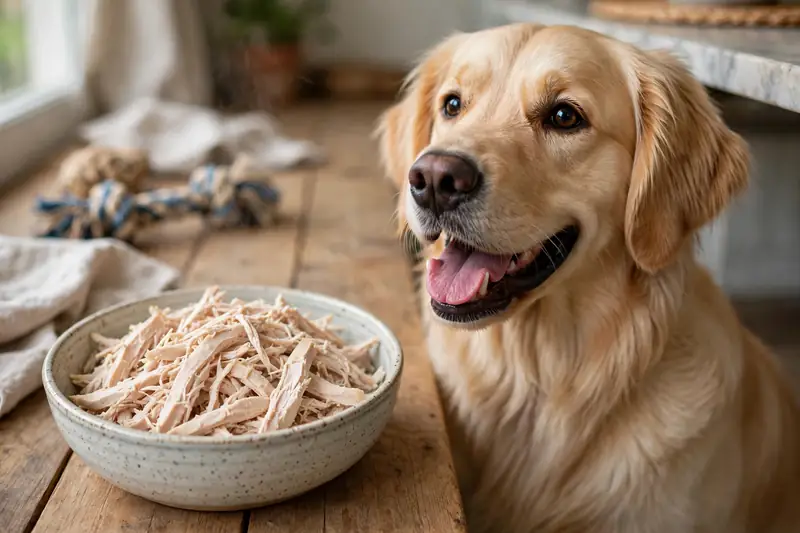
Can dogs eat raw chicken? The responsible answer is no, or at least, not as a casual choice. While dogs are sturdier than humans against some foodborne bacteria, raw chicken carries salmonella, campylobacter, E. coli, and listeria risks that veterinary authorities take seriously, and the bones add a separate choking and injury hazard. Cooked, plain, boneless chicken is a different story entirely: safe, nutritious, and one of the best proteins you can share. This guide separates the two clearly.
What the veterinary authorities say
This is not a close call in mainstream veterinary medicine. The American Kennel Club, the American Veterinary Medical Association (AVMA), and the FDA all discourage feeding dogs raw or unprocessed meat, eggs, and milk. The reason is pathogens: raw meat and dairy can carry E. coli, listeria, and salmonella, which can sicken pets and people, in severe cases, the AVMA notes, they can even cause death.
The AKC’s position on chicken specifically: “Most sources recommend against raw chicken, due to the risk of salmonella or bacterial infections.” That is the mainstream stance, stated plainly. It does not mean every dog that ever stole a raw chicken scrap became ill, dogs do have more acidic stomachs than humans, which neutralizes some bacteria, but “usually gets away with it” is not a safety standard. The risk is real, documented, and avoidable by simply cooking the meat.
The bacterial risks, specifically
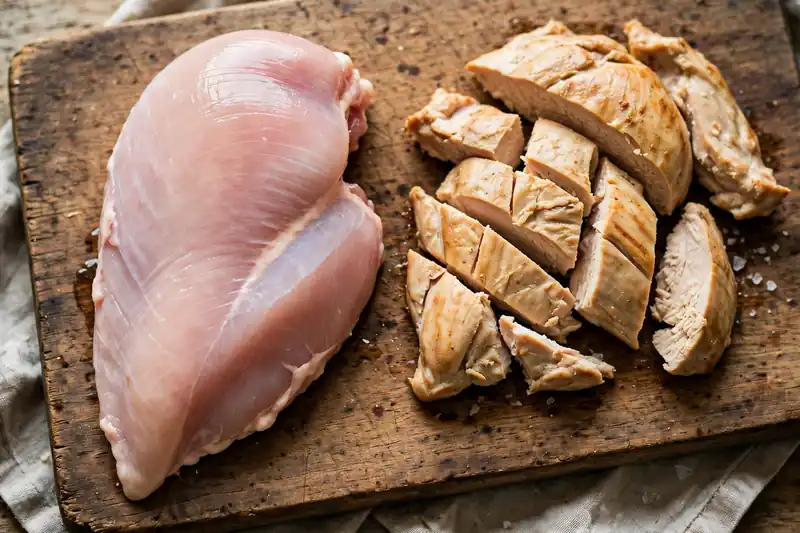
Raw chicken is one of the most commonly contaminated raw meats in the human food supply, and the same supply chain feeds the dog bowl. The organisms of concern:
- Salmonella: the headline risk. In dogs it can cause fever, vomiting, diarrhoea (sometimes bloody), lethargy, and loss of appetite. Puppies, seniors, and immunocompromised dogs are hit hardest. Infected dogs can also shed the bacteria in their stool, putting the humans in the household, especially children, at risk.
- Campylobacter: another common poultry contaminant, causing similar gastrointestinal illness.
- E. coli and listeria: less common but documented in raw poultry, with listeria being particularly dangerous for pregnant dogs and very young puppies.
- Parasites: raw poultry can harbor parasites that cooking reliably kills.
Handling matters as much as feeding. If raw chicken is in your kitchen for the dog, the same food-safety rules apply as for human cooking: wash hands, knives, cutting boards, and bowls thoroughly; keep raw meat away from other foods; refrigerate promptly. Cross-contamination is how most household infections actually happen.
Raw bones vs cooked bones: both need care
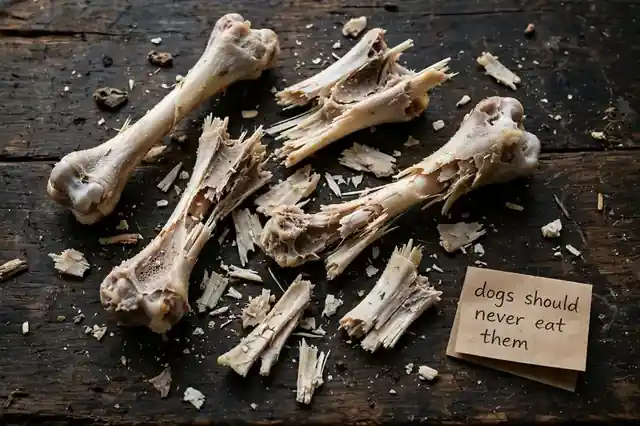
Bones deserve their own section because the rules differ by preparation, and both preparations carry risk.
Cooked chicken bones are the clear danger: cooking makes bones dry and brittle, so they splinter into sharp shards that can choke a dog, block the intestines, or perforate the gut. Never feed cooked chicken bones, full stop. If your dog swallows one, the AKC advises calling your vet right away.
Raw chicken bones are softer and less likely to splinter, which is why some raw feeders include wings or necks. But “less likely” is doing heavy lifting: raw bones still carry choking and blockage risks, especially for gulpers, small dogs, and dogs with poor digestion, and they arrive with the full bacterial load discussed above. The FDA has warned about bacterial contamination from raw bones affecting both dogs and humans through cross-contamination.
The honest summary on bones: neither preparation is risk-free, and cooked bones are never acceptable. If your dog loves to chew, safer alternatives exist, which this guide covers below.
What to do if your dog eats raw chicken
Dogs steal food; it happens. Do not panic, but do act:
- Note what and how much. Plain raw meat only, or were bones, skin, or seasoning involved? Bones and heavy seasoning change the urgency.
- Watch for 24-72 hours. Signs of bacterial illness include vomiting, diarrhoea, fever, lethargy, and loss of appetite. Most healthy adult dogs that snatch a small piece show nothing at all.
- Call your vet if: vomiting or diarrhoea persists beyond a day, there is blood in vomit or stool, your dog becomes lethargic or feverish, or bones were swallowed (watch for choking, gagging, abdominal pain, or straining).
- Puppies, seniors, and immunocompromised dogs warrant a vet call sooner, their margin is thinner.
- Hygiene: clean any surfaces the raw chicken touched, wash your hands, and be careful with the dog’s stool for a few days (salmonella shedding).
One stolen bite is very different from a raw-chicken diet. The occasional accident in a healthy adult dog usually ends with nothing but a watchful day. A pattern of raw feeding is where the cumulative risk lives.
How to cook chicken safely for dogs
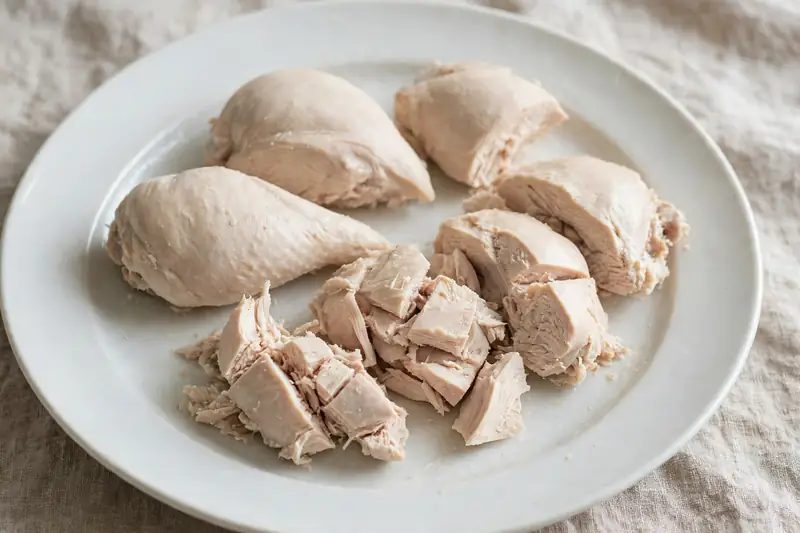
Cooked chicken is genuinely one of the best things you can share, lean protein, easy to digest, and most dogs love it. The method:
- Use plain chicken, breast is leanest; thighs work too with visible fat trimmed.
- Remove all skin and bones before serving. Skin is fatty (pancreatitis risk); bones splinter when cooked.
- Cook plain: boil, bake, poach, or grill with no salt, no oil, no butter, no garlic, no onion, no seasoning of any kind. Cook to 165°F (74°C) internally, the same standard as for humans.
- Cut into bite-size pieces suited to your dog’s size, and cool completely.
- Serve as a topper or treat, not as the whole diet, or as the bland base (with plain rice) when your vet recommends a recovery diet.
Boiled chicken is the classic for a reason: no added fat, gentle on stomachs, and easy to shred. It is also the backbone of the vet-recommended bland diet for dogs recovering from mild GI upset, plain boiled chicken plus plain white rice, in small frequent meals, under your vet’s guidance.
The allergy question
Before making chicken a regular treat, know this: chicken ranks among the top food allergens for dogs. The AKC lists the most common culprits as beef, dairy, wheat, egg, chicken, lamb, soy, pork, rabbit, and fish, chicken sits squarely in that group.
Signs of a chicken allergy or sensitivity include itchy skin, ear infections, paw chewing, vomiting, or chronic loose stools. If those appear after chicken-heavy meals, talk to your vet about an elimination trial. This does not make chicken “bad”, most dogs handle it perfectly well, but it is worth knowing before you build a treat routine around it.
How much chicken is safe

Cooked, plain, boneless chicken follows the 10% treat rule like everything else: treats and extras inside 10% of daily calories, balanced dog food making up the rest. Chicken is calorie-dense compared to vegetables, so portions need a genuinely light hand:
- Small dogs: a tablespoon or two of shredded chicken.
- Medium dogs: a small handful.
- Large dogs: up to half a cup as an occasional topper.
As a meal mixer rather than a treat, some owners replace up to 10-20% of the bowl with plain chicken, but run that by your vet first if it becomes routine, since unbalanced additions can dilute the complete nutrition in the main food.
Raw chicken in multi-dog and family households
The bacterial risk multiplies with every dog and every human in the house. In multi-dog homes, raw-fed dogs can pass salmonella to each other through shared water bowls, stolen bites from each other’s bowls, and the normal mouth-to-everything social behavior of dogs. What starts as one dog’s diet becomes the whole pack’s exposure.
The human side matters more. Households with young children, elderly members, pregnant women, or anyone immunocompromised face higher stakes from salmonella shedding in dog stool and cross-contamination on floors, bedding, and hands. Dogs lick faces, including children’s faces, and a raw-fed dog’s mouth is a busier place, bacterially speaking, than a kibble-fed dog’s.
If anyone in the home falls into a higher-risk group, that alone settles the raw question: cook the chicken. No nutritional philosophy outweighs a child’s hospitalization risk. For single-dog, healthy-adult households the risk is lower but not zero, the handling hygiene rules above still apply in full.
Raw food diets: the honest debate
You will encounter passionate advocates for raw feeding, including raw chicken. Their arguments: dogs evolved eating raw prey; cooking destroys some nutrients and enzymes; raw meaty bones clean teeth. Some owners report shinier coats and smaller stools.
The counterweight, from the veterinary establishment, is the pathogen data above plus nutritional completeness: homemade raw diets are frequently unbalanced (wrong calcium-to-phosphorus ratios, missing micronutrients), and the bacterial risk extends to the humans handling the food and living with the dog. Commercial raw diets that are high-pressure-processed or freeze-dried with pathogen controls sit somewhere in between.
This guide will not settle that debate, but it will state the mainstream position clearly: the AKC, AVMA, and FDA advise against raw meat feeding, and any raw diet should be formulated with a veterinary nutritionist, not assembled from internet recipes. If you are considering it, that professional consultation is not optional.
Safer chews for bone lovers

If your dog’s interest in raw chicken is really about the bones, redirect it:
- Rawhide-free dental chews from reputable brands, sized for your dog.
- Rubber puzzle toys (stuffed with plain cooked chicken or peanut butter and frozen) for the chewing urge plus mental work.
- Dehydrated single-ingredient meat treats, the chew satisfaction without the bone risk.
- Large raw beef marrow bones are sometimes suggested as recreational chews, but even these need supervision and a vet’s okay, they can crack teeth.
Supervise all chewing, remove chews that get small enough to swallow, and match the chew’s toughness to your dog’s chewing style. Power chewers destroy things that gentle chewers enjoy safely.
The honest summary: raw chicken is a risk without a payoff, everything good about chicken survives cooking, while the bacteria do not. Cook it plain, strip the skin and bones, keep portions modest, and chicken becomes one of the best proteins in your treat rotation. Save the raw experiments for nobody.
For the same plain-only, small-portion thinking across the foods dogs meet most often, see our wider guide to what human food dogs can eat. For another lean protein prepared the safe way, see our shrimp guide.
Frequently Asked Questions
Can dogs eat raw chicken wings?
Not recommended. The meat carries the same bacterial risks as any raw chicken, and even raw wings can be gulped whole by enthusiastic eaters, creating choking and blockage risks. Cooked wings are worse, the bones splinter. Skip both.
How do I know if my dog got salmonella from raw chicken?
Watch for fever, vomiting, diarrhoea (sometimes bloody), lethargy, and appetite loss within 12-72 hours. Many cases are mild, but puppies, seniors, and immunocompromised dogs should see a vet promptly. Your vet can confirm with a stool test.
Is cooked chicken better than raw for dogs?
Yes, clearly. Cooking kills salmonella, campylobacter, E. coli, and parasites while preserving the protein and nutrients that make chicken valuable. There is no nutritional advantage to raw that outweighs the pathogen risk.
Can dogs eat raw chicken bones safely?
They are less likely to splinter than cooked bones, but they still carry choking, blockage, and bacterial contamination risks. Veterinary authorities do not recommend them. Choose safer chews instead.
What should I feed my dog instead of raw chicken?
Plain cooked chicken (boiled, baked, or poached, no seasoning, no skin, no bones) gives you everything good about chicken with none of the bacterial risk. It works as a topper, training treat, or bland-diet base.
Are some dogs allergic to chicken?
Yes, chicken is among the top food allergens for dogs. Watch for itchy skin, ear infections, or chronic digestive upset after chicken meals, and ask your vet about an elimination diet if you suspect a problem.
My puppy ate raw chicken, should I worry more?
Puppies have less robust immune systems, so take it more seriously: watch closely for 48-72 hours and call your vet at the first sign of vomiting, diarrhoea, or lethargy rather than waiting it out.
Should I wash raw chicken before cooking it for my dog?
No, washing raw chicken spreads bacteria around the sink via splashing without removing meaningful contamination, according to food-safety authorities. Cooking to 165°F (74°C) is what makes it safe. Wash your hands, the cutting board, and the knife instead.
This article is general information only and is not a substitute for veterinary advice. If your dog has a health condition, is on a prescription diet, or you are unsure about any food, check with your veterinarian first.

2 thoughts on “Can Dogs Eat Raw Chicken? Risks, Bones & Safe Handling”