Dog food recalls show up in the news every few months, and August 2026 delivered two within days of each other. Fromm Family Foods pulled two canned dog foods over possible metal contamination. Oma’s Pride pulled a frozen raw recipe after Salmonella turned up in testing. What they share is the lesson: a recall only protects your dog if you can match the notice to the bag in your kitchen. This guide covers what a recall is, how the system works, what happened in August 2026, how to check your own food, and exactly what to do if it gets recalled.

What is a dog food recall?
A dog food recall is an official announcement that a specific pet food product may be unsafe and should not be fed. The manufacturer issues the notice, usually working with the FDA, and it names the exact brand, product, package sizes, and lot numbers so owners can check their own supply.
A recall is narrow by design. It almost never covers every product a company makes or every bag of the named product. The lot numbers do the real work: they identify which production runs are affected. Two bags bought a month apart can have different lot numbers, and only one may be recalled.
Most pet food recalls are voluntary, announced by the company rather than ordered by a court: the company finds a problem, pulls the product, and the FDA posts the notice publicly. A recall is the safety system working, not proof that all dog food is dangerous.

How dog food recalls get announced
Recalls start when a problem surfaces through company testing, state feed-control lab sampling, an FDA inspection, or complaints from owners and vets. The company then announces a voluntary recall, usually with the FDA involved, and the agency posts the notice publicly for everyone to read.
The chain often starts small: a state lab tests a bag pulled from a store shelf, a vet reports several dogs with the same symptoms, or an owner calls the company about something odd in a can. Fromm’s recall began with customer complaints about metal; Oma’s Pride’s began with a complaint that led the FDA to test a sample.
Once confirmed, the notice goes out through several channels: the FDA posts it, the company posts it, and pet news sites pick it up. The FDA Center for Veterinary Medicine recalls and withdrawals page keeps the running list, and you can sign up for email alerts so new notices reach you. Social media spreads the news fast, but always read the actual notice, because summaries sometimes get lot numbers wrong.

The August 2026 Fromm recall: what happened
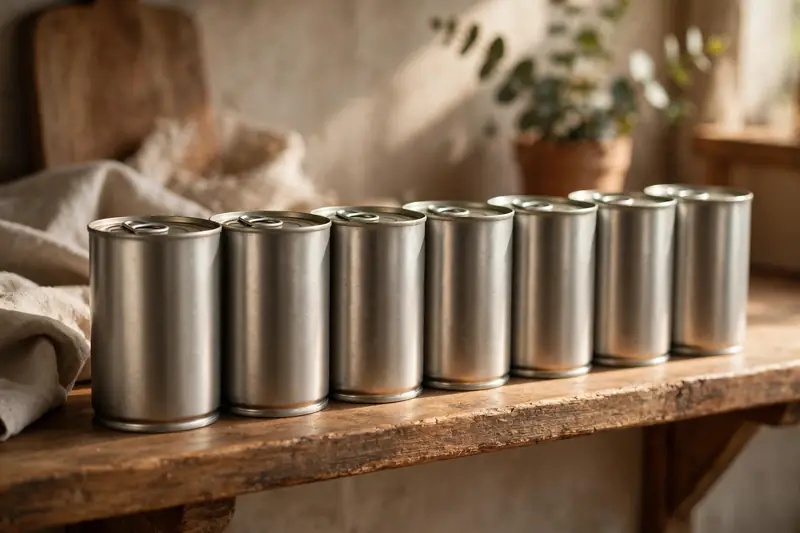
On August 21, 2026, Fromm Family Foods of Mequon, Wisconsin voluntarily recalled two canned dog foods after customer complaints about possible metal contamination: Turkey Pate in 12.2 oz cans and Diner Classics Milo’s Meatloaf Pate in 12.5 oz cans. About 5,800 cases were affected. No illnesses were reported, and no other Fromm products were included.
The notice was specific, as recall notices should be. Here are the products it named:
| Product | Size | UPC | Lot code | Best by |
|---|---|---|---|---|
| Fromm Turkey Pate Wet Dog Food | 12.2 oz can | 072705118700 | EP2A3306 551006 | 032029 |
| Fromm Diner Classics Milo’s Meatloaf Pate Wet Dog Food | 12.5 oz can | 072705132324 | EP2A3306 551029 | 032029 |
The products were sold at neighborhood pet stores and online in the United States and Canada. Fromm said it had identified the error behind the contamination and put corrective measures in place alongside its existing safety processes.
Metal in canned food is a manufacturing problem: fragments come from worn equipment on the production line. The FDA notice listed choking, vomiting, appetite loss, lethargy, and stomach discomfort as symptoms to watch for. Sharp pieces can cut the mouth and gut, and larger pieces can block the intestines. Owners were told to stop feeding the product and return it to the retailer.
The August 2026 Oma’s Pride recall: what happened
Oma’s Pride of Avon, Connecticut recalled one lot of Woof Complete Canine Chicken Recipe, a frozen raw dog food in 6 lb bags, after FDA testing found Salmonella in a sample collected after a consumer complaint. The recall covered 639 bags of lot BB012729. Three dogs were reported ill; no human illnesses were reported in the notices.
The details from the FDA notice: the product was item F-WOOFC-6, UPC 8 7938400145 9, manufactured January 27, 2026, with a best-by date of January 27, 2029. It was distributed from February 12 through May 15, 2026, to retailers, wholesalers, and online customers in eleven states, and the company offered refunds through a dedicated line at 1-800-678-OMAS. No other Oma’s Pride products, sizes, or lots were affected.
Salmonella in a raw product follows a familiar pattern: raw meat can carry the bacteria into the plant, and frozen raw food skips the high-heat cooking step that would kill it. In dogs it can cause lethargy, diarrhea, vomiting, fever, appetite loss, and belly pain, though some infected dogs show no signs while still shedding the bacteria. People can pick it up from handling the food, which is why the handling rules for raw food are strict.

Why dog food gets recalled: the main causes
Dog food recalls usually come down to three things: bacterial contamination, foreign material, and nutrient mistakes. Salmonella leads the pathogen list, with Listeria behind it, and both turn up most in raw, frozen, and freeze-dried foods. Metal or plastic pieces come from manufacturing equipment, and nutrient recalls involve imbalances like excess vitamin D or missing thiamine.
Salmonella is the repeat offender, and it thrives in raw poultry, which is why chicken-based raw diets show up in recalls so often. Our guide to raw chicken for dogs covers the handling rules, and our overview of raw meat for dogs covers the practice itself. Raw treats have their own history: pig ears, raw bones, and dried chews have triggered some of the largest recalls on record (see our article on pig ears for dogs).
Listeria is the second pathogen to watch. On August 28, 2026, Northwest Naturals recalled frozen raw chicken recipes for dogs and cats over possible Salmonella and Listeria. It is less common than Salmonella in pet food, but it hits pregnant women, newborns, and elderly people hard.
Foreign material recalls come from the factory floor. Metal fragments from worn equipment caused the Fromm recall, and a July 2026 Pedigree recall of canned food cited possible metal and plastic. Nutrient recalls are quieter but serious: too much vitamin D can damage kidneys, and too little thiamine can cause neurological problems. Cooked kibble and canned food are recalled far less often than raw products, but the Fromm and Pedigree cases prove that no category is exempt.
How to check if your dog’s food is recalled
Compare your bag or cans against the FDA’s list. The FDA Center for Veterinary Medicine publishes every pet food recall and withdrawal with the brand, product name, sizes, lot numbers, and reason. Keep your bag until it is empty, or photograph the lot code and best-by date, and sign up for the FDA’s recall email alerts.
The lot code is the whole game. Find it on the back or bottom of the bag, or on the bottom of the can, and read it carefully against the notice. One digit off means your bag is not the recalled one. Photographing the code takes thirty seconds and saves you from digging through the trash later.
Check everything your dog eats, not just the main food: treats, chews, toppers, and dental sticks all get recalled. Check the freezer too, since frozen raw products carry best-by dates years out. The FDA page is the authority; other databases are useful, but the FDA notice is the one that counts.

What to do if your dog’s food is recalled
Stop feeding the product right away. Save the packaging with the lot number, photograph the lot code, and seal the food in its bag and set it aside. Call your vet even if your dog looks fine. Then return the product for a refund or throw it out safely, and wash the bowls, scoop, and storage area with soapy water.
Work through it in order. First, the food: seal the bag so nobody feeds it by mistake and nobody’s dog fishes it out of the trash. Do not try to make your dog vomit unless your vet specifically tells you to; vomiting does not clear bacteria or metal from the gut and adds its own risks. If the vet does advise it, follow the safe vomiting induction guide exactly.
Second, the vet call, even if the dog seems fine. The vet may want a stool sample or an exam, or may simply tell you what to watch for. Have the product name, lot number, and roughly how much your dog ate ready.
Third, the paperwork: keep the packaging and receipt for the refund, and consider reporting the problem to the FDA through its animal and veterinary section. Reports backed by lot numbers help investigators spot patterns.

Warning signs your dog ate contaminated food
Watch for vomiting, diarrhea, loss of appetite, unusual tiredness, and fever in the days after eating a recalled product. If metal was the hazard, look for choking, drooling, belly pain, or blood in the stool. Puppies, senior dogs, and dogs with weakened immune systems get sick more easily. Call your vet promptly if any of these show up.
The signs depend on the contaminant. For metal, the FDA’s notice pointed to choking, vomiting, appetite loss, lethargy, and stomach discomfort, with the worst outcomes being cuts to the mouth and gut or an intestinal blockage. For Salmonella, the Merck Veterinary Manual describes vomiting, diarrhea that can contain blood or mucus, fever, and appetite loss, with some dogs carrying the bacteria without any visible illness.
Do not wait on repeated bloody diarrhea, vomiting that will not stop, a dog that cannot keep water down, dehydration signs like dry gums and sunken eyes, or any of these in a puppy, a senior, or a dog on immune-suppressing drugs. For after-hours emergencies, the ASPCA Animal Poison Control hotline can advise you; it may charge a fee. For mild stomach upset only, our bland diet for dogs guide covers the standard plain-food approach.
How to store dog food safely and lower future risk
Keep dry food in its original sealed bag inside a clean container, stored cool and dry, and finish it within a month or so of opening. Wash bowls daily and the storage bin between bags. Thaw raw food in the refrigerator, never on the counter, and keep the lot number until the bag is gone.
The original bag matters more than most owners realize. It carries the lot number and best-by date, and it is designed to keep fats from going rancid. Pouring kibble into a bin and throwing the bag away is the single most common storage mistake, because it destroys the one piece of information a recall notice needs from you. Keep the food in the bag, put the bag in the bin, and wash the bin between bags.
Buy bag sizes you can finish in four to six weeks, and store them away from heat and moisture; a hot garage ages kibble fast. Wash food and water bowls every day with hot soapy water, since old food film grows bacteria between meals. Raw food gets stricter rules: thaw it in the fridge on a tray that catches drips, use separate utensils or wash everything right away, and keep it away from human food. The same discipline applies to homemade food: refrigerate batches and use them within a few days, as our dog food recipes guide explains.
You can also tilt the odds before buying: choose manufacturers with complete and balanced nutrition statements and a record of quick, clear recalls, and buy from stores with good turnover. Keep those FDA email alerts on; the owners who act fastest hear about a recall the day it posts.

Frequently asked questions about dog food recalls
Owners ask the same recall questions in vet clinics and in search results. The answers below cover the ones that come up most. Your vet’s guidance wins for any dog with a medical condition.
How often are dog foods recalled?
Pet food recalls happen through the year; the FDA posts new notices most months. Nearly all cover specific lots rather than whole brands, which is why the lot number matters more than the brand name on the front of the bag.
Can I get a refund for recalled dog food?
Usually yes. Take the product back to the retailer with your receipt and the packaging, and most stores refund or replace it. You can also contact the manufacturer directly; recall notices normally include a phone number or email for refunds. Oma’s Pride, for example, gave owners a dedicated phone line.
My dog already ate the recalled food. What should I do?
Do not panic. Most recalled products are pulled before any dog gets sick; in the Fromm case, no illnesses were reported at all. Call your vet, describe the product and how much your dog ate, and watch for the warning signs covered above over the next few days. Keep the packaging with the lot number.
Does a recall mean the whole brand is unsafe?
No. A recall targets the specific lots named in the notice, and even well-regarded companies have had them. What matters more is the pattern: repeated recalls for the same problem are the red flag, so favor companies that announce recalls quickly and clearly.
Are raw dog foods recalled more often?
For pathogen contamination, yes. Raw, frozen, and freeze-dried foods show up in Salmonella and Listeria recalls far more often than cooked kibble or canned food, because they skip the high-heat step that kills bacteria. That does not make every raw product dangerous, but it makes handling rules and lot tracking more important for raw feeders.
How do I report a problem with my dog’s food?
Start with your vet, especially if your dog is sick. Then report it to the FDA through its animal and veterinary section, which accepts pet food complaints, and tell the manufacturer too. Keep the packaging with the lot number; reports backed by lot numbers help investigators spot patterns.
Dog food recalls are not going away, and they do not have to be scary. Two notices in August 2026, two different hazards, one shared lesson: the system only works if you can match a notice to the bag in your kitchen. Keep the bag. Photograph the lot code. Check the FDA list when news breaks. Act the same day, and call your vet early. That is the whole playbook, and it fits in a kitchen drawer.