Yes. Coffee is bad for dogs, and there is no safe amount to share. The problem is caffeine. Dogs break it down far more slowly than people do, so a stimulant that gives you a morning lift can overstimulate a dog’s heart and nervous system. A single lap from a mug is unlikely to hurt most dogs, but a full cup, a handful of beans, or a spoonful of grounds can make a dog seriously ill.
Coffee sits on almost every kitchen counter, which is why dogs get into it so often. A mug left on a low table, a trash bag full of used grounds, an open bag of beans on the pantry floor: these are the everyday setups behind most caffeine emergencies. The reassuring part is that most cases end well when owners act fast and the vet gets involved early.
This guide covers how caffeine harms dogs, the dangerous doses by dog size, the symptoms to watch for, what to do if your dog drinks coffee, and how vets treat it. If your dog got into coffee and you are not sure how much, call your vet right away.
Is coffee bad for dogs? The short answer
Yes, coffee is bad for dogs. Caffeine belongs to the methylxanthine family, the same group of stimulants behind chocolate poisoning, and dogs cannot process it the way people can. Even modest amounts can cause restlessness, a racing heart, vomiting, and tremors, while large amounts can cause seizures or death. Coffee beans and grounds are more dangerous than brewed coffee because their caffeine is far more concentrated.
A lap or two from your mug is not the scenario vets worry about. The emergencies start with real quantities: a mug left within reach, a knocked-over cup, a bag of beans torn open by curious teeth. The risk also scales with the dog. A few tablespoons of brewed coffee can trouble a small dog, while a large dog might show nothing from the same amount. Size decides the dose, and dose decides the danger.
Coffee is one of the everyday items the AKC lists as unsafe for dogs, alongside chocolate, grapes, and onions. That placement is not a technicality. Caffeine poisoning sends dogs to emergency clinics regularly, usually after something as ordinary as an unattended cup or an open trash bag. Treat every coffee product in your home as a kept-away item, the same way you treat cleaning supplies.
Why caffeine is toxic to dogs
Caffeine is toxic to dogs because it overstimulates the central nervous system and the heart while the dog’s body clears it very slowly. It blocks adenosine receptors, raises heart rate and blood pressure, and relaxes smooth muscle in ways that cause vomiting and diarrhea. With a half-life of about 4.5 to 6 hours in dogs, a single exposure keeps working for many hours.
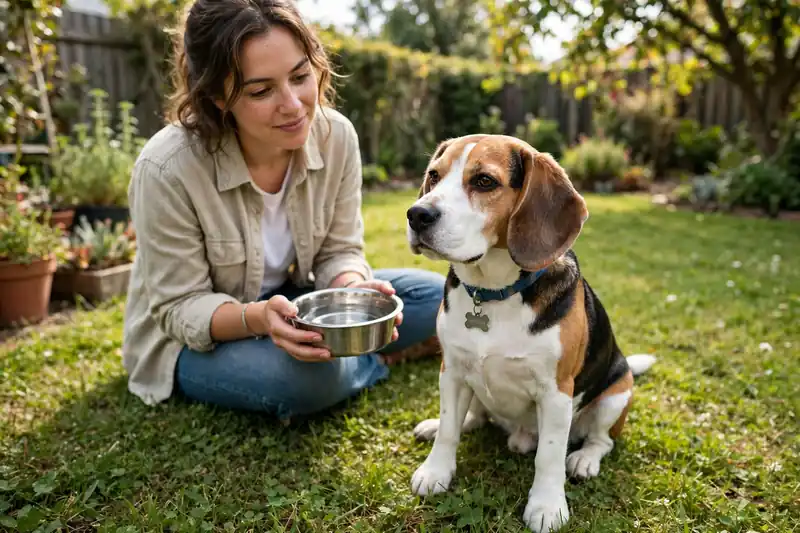
People handle caffeine better because human livers metabolize it faster, and people weigh more. Dogs get neither advantage. A dose that feels like one strong cup to a person can push a small dog’s heart into dangerous rhythms. Caffeine also makes dogs urinate more, which leads to dehydration on top of everything else, and in severe cases it disrupts the body’s temperature control.
Coffee is the most common source, but tea, energy drinks, soda, diet pills, and chocolate all contain caffeine too. Dogs usually get poisoned by the concentrated forms: caffeine tablets, coffee grounds, used tea bags, and diet pills like Vivarin or Dexatrim, which pack about 200 mg of caffeine per pill.
How much coffee is toxic for a dog
Signs of caffeine poisoning can start at about 9 mg of caffeine per pound of body weight (Pet Poison Helpline). A typical 8-ounce cup of brewed coffee holds 95 to 165 mg, so a 10-pound dog can show signs after roughly three quarters of a cup. Restlessness appears around 14 mg per pound, heart effects around 23 to 27 mg per pound.

The table below uses an average cup of about 130 mg of caffeine. Real brews vary, so treat these as rough guides, not exact lines.
| Dog weight | Rough amount of brewed coffee that can cause signs |
|---|---|
| 10 pounds | About 3/4 cup |
| 20 pounds | About 1 1/2 cups |
| 40 pounds | About 3 cups |
| 60 pounds | About 4 cups |
Veterinary toxicology references describe the same pattern in milligrams per kilogram. The Merck Veterinary Manual reports mild signs around 20 mg/kg of methylxanthines, heart effects at 40 to 50 mg/kg, and seizures at about 60 mg/kg, with the estimated lethal dose in the 100 to 200 mg/kg range. Ranges vary because individual dogs differ, so use the numbers to understand the scale and call your vet rather than doing the math yourself.
Which coffee products are most dangerous
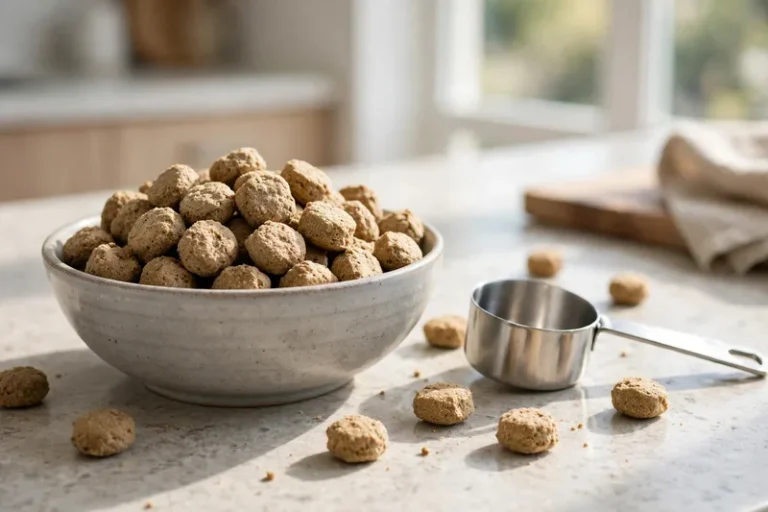
Coffee grounds, whole beans, instant coffee, espresso, and chocolate-covered espresso beans are the most dangerous coffee products for dogs because their caffeine is concentrated. The Pet Poison Helpline notes that three teaspoons of instant coffee grounds can cause moderate signs in a medium-sized dog, while ten teaspoons can cause severe signs. Brewed coffee is less concentrated but still risky in quantity.

Espresso deserves special attention. A single shot carries about 63 mg of caffeine in one ounce of liquid, so a small dog that laps up a spilled double shot gets a meaningful dose fast. Chocolate-covered espresso beans are a double hit: the caffeine from the bean plus the theobromine from the chocolate coating, both methylxanthines stacking on the same heart and nervous system.
Single-serve pods, instant coffee crystals, and used tea bags round out the danger list. Pods are sealed, but dogs chew through them, and used grounds in the trash still contain caffeine. Keep every form in sealed containers on high shelves, and take trash with grounds straight outside.
Symptoms of caffeine poisoning in dogs
Watch for restlessness, agitation, hyperactivity, panting or rapid breathing, vomiting, a racing heart, tremors, and a rising body temperature. Severe cases progress to abnormal heart rhythms, seizures, and collapse. Signs usually start within 30 to 60 minutes of ingestion and can last 6 to 12 hours or more, depending on the dose.

Mild poisoning looks like a dog that cannot settle: pacing, whining, panting when it is not hot, a heart you can feel thumping through the ribs. Moderate cases add vomiting, diarrhea, and visible tremors. Severe poisoning is a medical emergency: the dog may stumble, seize, or collapse, and the gums can turn dark red from overheating.
Do not try to grade the severity at home. A dog that looks only restless an hour after eating grounds can worsen as more caffeine absorbs. The PetMD guide to coffee and dogs stresses that timing matters more than guesswork: the sooner a vet sees the dog, the better the outcome.
What to do if your dog drinks coffee
Note how much coffee your dog had, what kind it was, and when it happened, then call your vet or the ASPCA Animal Poison Control line right away. Bring the product packaging if you can. Do not try to make your dog vomit at home unless a vet or poison control professional tells you to, because inducing vomiting the wrong way can cause aspiration pneumonia.

Work through it in order. First, move the coffee out of reach. Second, estimate the amount and the time: half a mug an hour ago is very different from a chewed bag of beans ten minutes ago. Third, call with those details ready, plus your dog’s weight, so the vet can estimate the dose.
What not to do matters as much. Do not give salt, hydrogen peroxide, or any home remedy to force vomiting on your own; vets only induce vomiting under controlled conditions, and our guide to how vomiting is induced in dogs explains why the setting matters. Do not give human medicines like sedatives or heart pills. Do not wait to see if it gets worse when the amount was large, the dog is small, or the product was grounds or beans. And keep the dog calm and still while you wait for instructions, since excitement and exercise drive the heart rate higher.
If your vet is closed, the ASPCA Animal Poison Control line runs around the clock. Have the product label in your hand when you call, because the caffeine content on the package sharpens the vet’s dose estimate.
How vets treat caffeine poisoning
Vets treat caffeine poisoning by removing what has not absorbed yet, then managing the symptoms. That usually means inducing vomiting if the ingestion was recent, followed by activated charcoal to bind caffeine remaining in the gut, sometimes in repeated doses. IV fluids support the kidneys and help flush caffeine out, while sedatives, heart medications, and anti-seizure drugs control the specific signs the dog shows.

One detail surprises most owners: vets keep the bladder empty with a catheter or frequent walks, because caffeine can be reabsorbed across the bladder wall back into the blood. Mild cases often go home the same day, but moderate and severe cases stay at the clinic while the heart rhythm and temperature are watched.
Recovery at home is quiet and simple. Expect a tired dog, offer water freely, and feed small bland meals for a day or two; our bland diet guide for dogs covers the portions. Skip long walks and excitement until the vet clears the dog. If your vet used activated charcoal, our activated charcoal guide for dogs explains how it works.
Coffee vs chocolate: which is worse for dogs
Both are dangerous, but for different reasons. Coffee delivers caffeine, which hits fast and clears in hours. Chocolate delivers mostly theobromine, which lingers in a dog’s body far longer, with a half-life of about 17.5 hours versus about 4.5 hours for caffeine. Per ounce, coffee grounds and beans pack more caffeine than milk chocolate packs methylxanthines, so a small amount of grounds can match a much larger amount of chocolate.

The practical difference is the timeline. A dog that eats coffee grounds spikes quickly: restlessness and a racing heart within the hour, with improvement often starting the same day under treatment. A dog that eats dark chocolate may look okay for hours, then worsen as theobromine keeps circulating into the next day.
For reference, milk chocolate carries far less methylxanthine per ounce than dark chocolate or cocoa powder, which is why our white chocolate guide lands in a different risk category. But “less toxic” is not safe, and coffee grounds outrank even dark chocolate per ounce for sheer caffeine. If your dog ate either one, the product and the amount matter more than which one sounds scarier.
Puppies, small dogs, and other dogs at higher risk
Puppies and small dogs reach toxic doses with much less coffee because every threshold is calculated per pound of body weight. A 10-pound dog can show signs from roughly three quarters of a cup of brewed coffee, and a 5-pound puppy from a few tablespoons. Small dogs also have less margin for error with concentrated products: a single teaspoon of grounds can be a real emergency for a Chihuahua.

Dogs with heart disease, high blood pressure, or seizure disorders sit in the next risk tier. Caffeine strains exactly the systems their conditions already weaken. Older dogs with kidney or heart problems deserve the same caution, and pregnant or nursing dogs should avoid caffeine entirely.
Prevention is mostly habit. Drink from lidded cups when a dog is around, and put mugs on high counters rather than coffee tables. Store beans and grounds in sealed containers inside a cabinet. Use a trash can with a lid, and take bags with used grounds outside the same day. While you are dog-proofing the kitchen, keep the other common poisons out of reach too: our guides to grapes and garlic explain why those belong on the same no-access list, and our human foods guide covers what is safe to share.
Frequently asked questions about dogs and coffee
These are the questions owners ask most about dogs and coffee, from the single-sip scare to decaf to tea.

My dog licked my coffee. Will he be okay?
A single lap or a small sip is unlikely to cause poisoning in most dogs. The Pet Poison Helpline draws the same line: a lap or two of coffee, tea, or soda rarely contains enough caffeine to harm most pets. Watch your dog for a few hours for restlessness, panting, or vomiting, and call your vet if anything looks off.
Can dogs have decaf coffee?
No. Decaf still contains small amounts of caffeine, usually 2 to 7 mg per 8-ounce cup. That is far less than regular coffee, but it is not zero, and dogs have no nutritional need for coffee of any kind. Flavored decaf drinks can add milk, sugar, or sugar-free sweeteners, which bring their own problems.
Can dogs drink tea?
Tea contains caffeine too, usually less than coffee: about 25 to 48 mg per 8-ounce cup of brewed black tea. Tea bags are the bigger hazard. A dog that chews a used tea bag or a tea pod gets a concentrated dose, and the Pet Poison Helpline flags tea bags alongside coffee grounds as products that can cause severe signs. Keep tea, like coffee, out of reach.
How long does caffeine poisoning last in dogs?
Caffeine’s half-life in dogs is about 4.5 to 6 hours, and clinical signs can last 6 to 12 hours or more depending on the dose. Dogs with severe poisoning may need a few days of monitoring at the vet, because caffeine keeps recirculating until the body clears it.
Can a dog die from drinking coffee?
Yes, though it is uncommon with brewed coffee alone. Death is possible at very high doses, roughly around 70 mg of caffeine per pound of body weight. Grounds, beans, and caffeine pills are the products most likely to deliver a fatal dose, especially to small dogs. Most dogs that get prompt veterinary care recover fully.
Can dogs have coffee with milk or cream?
No. Milk and cream add fat that can upset a dog’s stomach, and many adult dogs are lactose intolerant. The bigger worry in flavored coffee drinks is sugar-free sweeteners: some contain xylitol, which is extremely toxic to dogs even in tiny amounts. A “harmless” flavored latte can carry two separate poisons.
What should I tell the vet when I call?
Your dog’s weight, which coffee product he had, how much of it, and when it happened. If you have the packaging, read the caffeine content from the label. That information lets the vet estimate the dose in milligrams per pound and decide whether your dog needs to come in immediately.
Coffee will always be part of the kitchen, so the goal is not to panic about it but to keep it where dogs cannot reach it. Know the signs, know your dog’s risk by size, and act fast if something happens. Dogs that get quick veterinary care after caffeine exposure usually recover fully, and the owners who do best are the ones who call early instead of watching and waiting.