Can dogs eat sardines? Mercury, salt and safe servings
Sardines are one of the best fish you can share with a dog, and one of the easiest to get wrong at the store. The fish itself is safe and packed with omega-3s, protein, and calcium. The problem is the can: most sardines swim in salty brine, oil, or sauces a dog should not have. Buy sardines packed in water with no added salt, keep portions small, and you have a top-tier occasional treat. Grab the wrong can and you hand your dog a salt bomb.

Can dogs eat sardines? The short answer
Yes, dogs can eat sardines. They are rich in omega-3 fatty acids, protein, vitamin D, vitamin B12, calcium, and selenium, and their small size means very low mercury. Serve them plain: packed in water, no added salt, no sauces. A few sardines once or twice a week suit most dogs. Avoid sardines in brine, oil, mustard, or tomato sauce.
The AKC’s guide to fish for dogs lists sardines among the safer choices, and PetMD on fish for dogs says the same with the usual portion warning. Sardines are not a required food. A complete dog food already covers the basics. What sardines offer is one of the most concentrated natural sources of omega-3s you can put in a bowl, which is why so many owners reach for them.

What sardines offer: omega-3s, protein, and minerals
A sardine is small but dense. It delivers EPA and DHA omega-3s, complete protein, vitamin D, B12, calcium from the soft edible bones, selenium, and phosphorus. Few single foods pack this much nutrition into such a small package.
The omega-3s are the headline. EPA and DHA support skin and coat health, calm itchy skin, and support joint comfort in older dogs. Many owners buy fish oil capsules for the same reason. Whole sardines deliver those fats in food form, along with protein and minerals the capsules do not have.
The calcium angle is underrated. Sardine bones are soft enough to eat, and they carry real calcium and phosphorus, which support bones and teeth. This does not make sardines a meal replacement. The nutrition is excellent for a treat, and the treat rule still caps how much your dog gets.

Mercury: how worried should you be
Barely, with sardines. Mercury builds up in large, long-lived predatory fish, and sardines are the opposite: small, short-lived, low on the food chain. They carry far less mercury than tuna, swordfish, or king mackerel.
The comparison with tuna tells the story. Tuna is bigger, lives longer, and concentrates more mercury, which is why tuna portions stay smaller and less frequent. Sardines sit at the low end of the mercury scale for seafood. The FDA’s page on environmental contaminants in food explains how mercury accumulates up the food chain, which is the science behind the difference.
Low does not mean zero, and it does not mean unlimited. Mercury is one more reason sardines stay a once-or-twice-a-week treat rather than a daily food. At treat portions, the mercury in sardines is a non-issue for dogs. The salt in the wrong can is the bigger danger by far.

Salt and oil: the canned sardine trap
Most canned sardines are a salt problem wearing a fish costume. Sardines in brine can carry several hundred milligrams of sodium per can, which is far too much for a dog. Too much salt at once can cause vomiting, diarrhea, and in extreme cases salt poisoning, with tremors and seizures.
Read the label before the can goes in the cart. You want “sardines, water” and “no salt added” on the ingredient list. Salt is the first thing to reject. Dogs with kidney disease or heart conditions need strict sodium limits, and for them even regular canned sardines are off the table unless the vet approves a specific product.
Oil-packed sardines are the second trap. They are not toxic, but the extra oil adds a heavy calorie load and can trigger an upset stomach or worse in sensitive dogs. Water-packed, no salt added, is the only can worth buying for a dog. If the store only has salted cans, rinse them well and feed less, or skip them that week.

Water-packed vs oil-packed vs sauced sardines
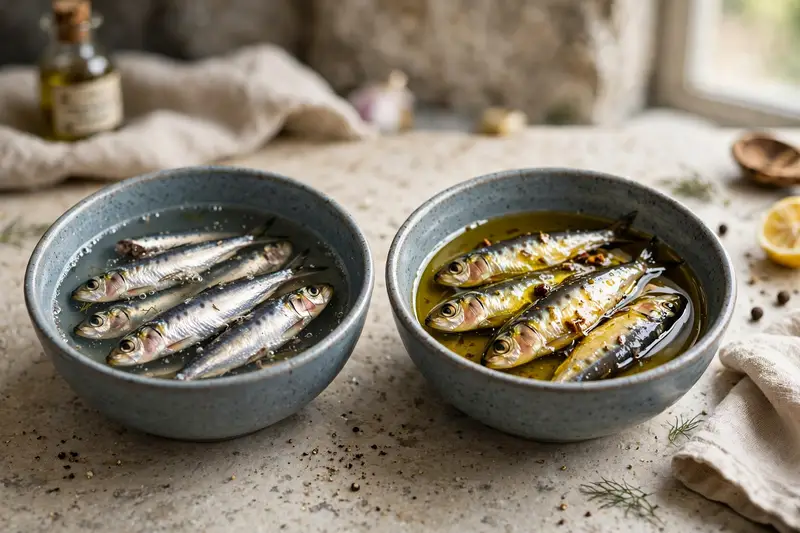
Water-packed with no added salt wins. It gives your dog the fish with nothing extra: no sodium load, no oil calories, no mystery flavorings. This is the can to stock.
Oil-packed sardines are acceptable only in small amounts and only if your dog tolerates rich food. Drain them well first. The oil adds calories fast, and rich food is a classic trigger for vomiting and diarrhea in dogs with sensitive stomachs. Olive oil packing is no better than any other oil for this purpose.
Sauced sardines are out. Mustard sauce, tomato sauce, hot sauce, and smoked flavorings all bring salt, spices, and sometimes onion or garlic powder. Smoked sardines in particular run very salty. The rule is simple: if the can lists anything beyond sardines and water, put it back.
How many sardines are safe
Think in fish, not cans. A small dog gets half to one small sardine. A medium dog gets one to two. A large dog gets two to three. Once or twice a week is the right rhythm, inside the 10 percent treat rule.
Sardines are rich, and rich food in large amounts causes the classic next-day regret: vomiting, diarrhea, and a dog that looks sorry about the whole thing. The fat content is healthy fat, but it is still fat, and a dog’s pancreas does not care about the source. Small portions keep the omega-3 benefit without the digestive cost.
| Dog size | Safe amount | Frequency |
|---|---|---|
| Small (under 20 lbs) | Half to one small sardine | Once a week |
| Medium (20 to 50 lbs) | One to two sardines | Once or twice a week |
| Large (over 50 lbs) | Two to three sardines | Once or twice a week |
Start below the chart the first time. Half a sardine for any dog, then a day of watching. Most dogs take sardines happily, but a sensitive stomach can answer a new rich food with loose stool, and your dog’s reaction sets the real limit.

Sardines vs tuna, salmon, and shrimp
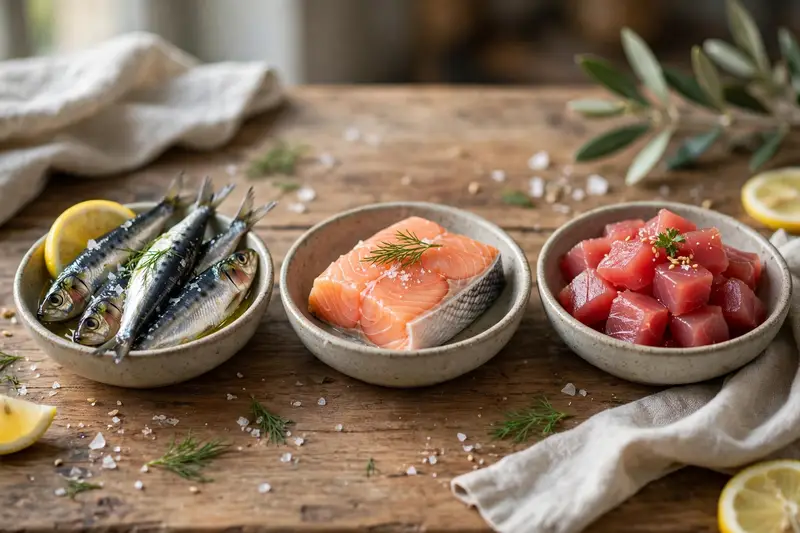
Sardines beat tuna for regular feeding. Both offer omega-3s and protein, but sardines carry far less mercury and cost less. Tuna works as a rarer treat; sardines work as the weekly fish.
Salmon is the closest rival. It matches sardines on omega-3s and beats them on portion size per serving, but it costs more and needs cooking. Canned salmon with bones is a fine alternative when sardines are out of stock. Shrimp is safe too, but it brings less omega-3 per bite and more prep work.
For a simple ranking: sardines first for weekly feeding, salmon second, tuna third and rarer, shrimp as variety. All of them stay inside the treat rule. None of them replaces a complete diet.
Bones, heads, and tails
Sardine bones are soft and edible. Canning softens them further, and dogs crunch through them without trouble. They are nothing like chicken or fish bones that splinter. Do not pick them out; the calcium in them is part of the benefit.
Heads and tails on whole fresh sardines are fine too, though most owners buy canned. If you cook fresh sardines, a quick steam or bake with no seasoning is enough. Never feed raw freshwater fish of any kind, and skip raw sardines unless you trust the source the way you would for your own sushi. The Merck Veterinary Manual covers food hazards in general terms, including why raw fish carries parasite risks.
The one bone caution is size. A very small dog gulping a whole large sardine could cough on it. Cut sardines into pieces for toy breeds. For every other dog, the bones are a feature, not a hazard.

Can puppies and senior dogs eat sardines
Puppies can eat sardines once they are on solid food. The omega-3s support brain and eye development, which is genuinely useful at that age. Keep pieces tiny and portions at the low end of the chart, and introduce them like any new food: a small taste, then a day of watching.
Senior dogs are some of the best candidates for sardines. The omega-3s support aging joints and dry skin, two of the most common senior complaints. The cautions grow with age though. Seniors are more likely to have kidney or heart disease, and both change the salt math. A senior with no diagnosis gets the standard portions. A senior on a sodium-restricted diet gets sardines only if the vet approves.
For both ages, the can rules do not relax. Water-packed, no salt added, plain. Puppies gulp more than adults, so cut the fish small regardless of breed size.

When to call the vet
Most sardine incidents need nothing more than watching. Call your vet if your dog ate a large number of salted or sauced sardines and shows repeated vomiting, diarrhea, excessive thirst, tremors, or wobbliness, which can signal salt poisoning. Refusal of food for more than a day or belly pain also means a call.
Salt poisoning is the emergency to know. It takes a lot of salt, far more than one wrong can for most dogs, but a small dog that raids several salty cans can get there. Signs include vomiting, diarrhea, lethargy, excessive thirst and urination, tremors, and seizures. Do not wait on tremors or seizures; those go straight to the vet.
For ordinary rich-food upset from too many sardines, a day of bland food and rest usually settles it. When in doubt, the call costs nothing and buys certainty.

Frequently asked questions about dogs and sardines
Owners usually ask about the can, the salt, and raw sardines. The answers below cover the questions that come up most.
Can dogs eat sardines in olive oil?
In small amounts, yes, but water-packed is better. Drain oil-packed sardines well first. The extra oil adds calories and can upset sensitive stomachs. If your dog has a history of digestive trouble, skip oil-packed entirely.
Can dogs eat sardines in tomato sauce or mustard?
No. Sauced sardines bring salt, spices, and sometimes onion or garlic powder. Buy plain sardines packed in water with no added salt. If the ingredient list has more than sardines and water, it is not the right can.
Can dogs eat raw sardines?
It is not recommended. Raw fish can carry parasites, and sardines are no exception. A quick steam or bake with no seasoning makes them safe. Canned sardines are already cooked, which is part of why they are the easy choice.
Can dogs eat sardines every day?
No. Once or twice a week is the right rhythm. Daily sardines push the fat, calorie, and mercury load past treat level, and they unbalance the diet. Sardines are a supplement to good food, not a second dinner.
Are sardines good for dogs with itchy skin?
They can help. The omega-3s in sardines support skin and coat health, and many owners notice less scratching with regular small servings. They are not a cure for allergies or infections though. If itching persists, your vet should look at the cause.
What are the signs of salt poisoning in dogs?
Vomiting, diarrhea, excessive thirst, lethargy, tremors, and in severe cases seizures. It takes a large amount of salt, but small dogs reach it faster. If your dog raids salty food and shows tremors or seizures, get to a vet immediately.
Can dogs with pancreatitis eat sardines?
Only if the vet approves. Sardines are fatty for a dog with a sensitive pancreas, and pancreatitis diets are usually strict about fat. Ask your vet before offering any fish to a dog with this diagnosis.
Sardines are the rare treat that is both genuinely nutritious and genuinely easy: open the right can, drain it, and serve. The whole job is buying correctly. Water-packed, no salt added, plain. Keep portions small and weekly, and your dog gets omega-3s, protein, and calcium in one of the safest fish in the sea. Buy the wrong can and the same fish becomes a salt problem, so the label check is the entire skill.
*Disclaimer: This article is for general information only and is not veterinary advice. Every dog is different, and dogs with kidney, heart, or pancreatic conditions may need different guidance. If you are unsure, or if your dog shows symptoms after eating sardines, contact your veterinarian.*