
No, dogs should not drink eggnog. The classic holiday drink stacks five separate problems into one glass: alcohol, dairy, sugar, raw eggs, and nutmeg. Any one of those would be enough to keep it away from a dog. Together they make eggnog one of the riskiest things on the holiday table, and the danger starts with the ingredient most owners underestimate: the rum or brandy that many recipes call for.
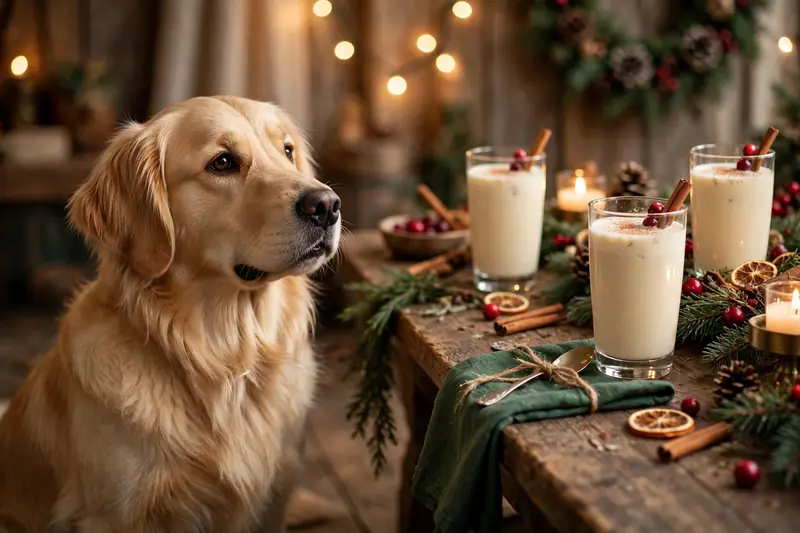
Can dogs drink eggnog? The direct answer
No, dogs should never drink eggnog. Alcohol alone makes it dangerous, since dogs cannot process alcohol the way people do. Add lactose-heavy dairy, a sugar load, raw egg risks, and nutmeg, and no version of traditional eggnog belongs in a dog’s bowl. A dog-safe homemade “dog nog” is the way to include your pup in the toast.
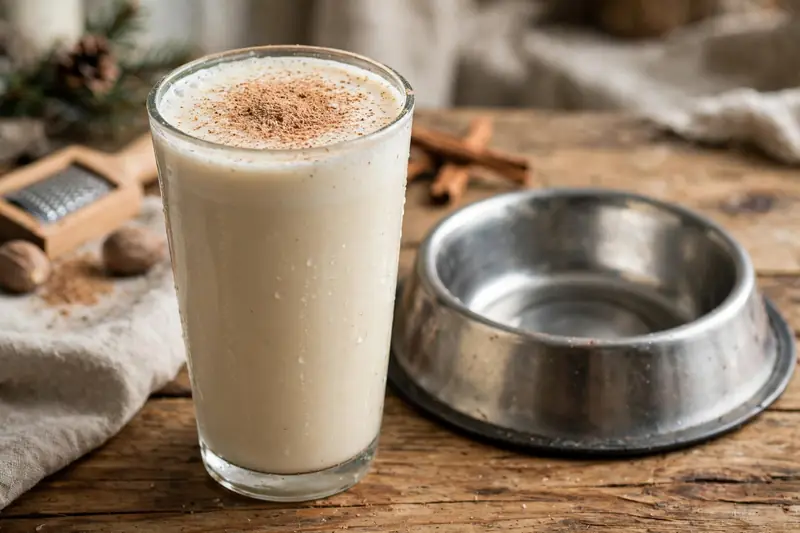
The Pet Poison Helpline’s alcohol toxicity page covers why even small amounts of alcohol threaten dogs. Eggnog also appears on the ASPCA’s list of people foods to avoid for pets.
Alcohol: the biggest danger in the glass
Many eggnog recipes call for rum, brandy, or bourbon, and that turns a bad idea into an emergency. Dogs process alcohol far more slowly than people do, so it hits harder and lasts longer. Alcohol poisoning can cause dangerous drops in blood sugar, blood pressure, and body temperature, leading to vomiting, disorientation, tremors, seizures, and coma.
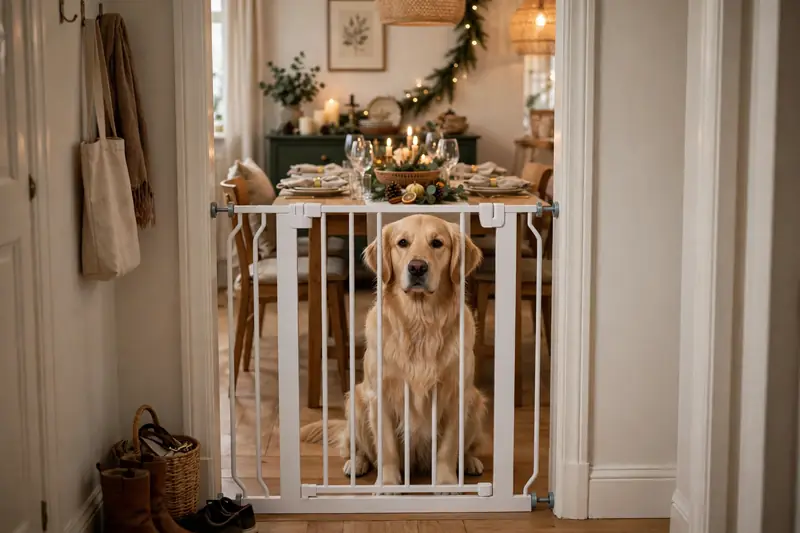
Small dogs face the worst of it. A few laps of spiked eggnog can be life threatening for a toy breed, while a large dog might show only wobbliness from the same amount. The cruel part is that dogs like the sweet, creamy taste and will keep drinking if the glass is in reach. Never leave eggnog glasses on coffee tables or low counters during parties. If your dog drinks spiked eggnog, call the vet immediately. Alcohol exposure is always urgent, never watch-and-wait.
Alcohol poisoning signs usually begin within 30 to 60 minutes: wobbliness, vomiting, disorientation, and slowed breathing. Severe cases progress to dangerously low body temperature, seizures, and coma. At the clinic, treatment means IV fluids, warming support, blood sugar monitoring, and watching the dog until the alcohol clears, because dogs eliminate it far more slowly than people do. There is no home remedy that speeds this up. Time and veterinary support are the treatment.
Dairy and the lactose problem
Eggnog is built on milk and cream, and most adult dogs do not produce enough lactase, the enzyme that digests lactose. The result is the classic dairy fallout: gas, bloating, loose stool, and diarrhea. Some dogs tolerate small dairy amounts, but eggnog is not a small dairy amount; it is one of the richest dairy drinks in the holiday lineup.

The fat compounds the problem. All that cream makes eggnog a pancreatitis risk, especially in larger servings or in dogs already prone to the condition, such as Miniature Schnauzers. Cheese and plain yogurt in small amounts are far safer dairy shares than eggnog, because the portions stay tiny and the fat stays low. A glass of eggnog is neither.
Lactose-free milk deserves a clear note, since owners often assume it solves the dairy problem. Lactose-free milk has the milk sugar pre-digested, which removes the lactose issue but leaves the fat and calories. A splash in the dog-safe nog recipe is fine. A bowl of it is still rich food. Fermented dairy like plain kefir or yogurt sits easier than milk for many dogs, because fermentation already breaks down much of the lactose. None of these turn eggnog itself into a safe drink. They only make the dog-safe alternatives gentler.
Puppies produce plenty of lactase, the enzyme that digests milk sugar, because they are nursing. Most dogs produce far less of it after weaning, which is why adult dogs handle dairy so much worse than puppies do. This is normal biology, not a defect. It also means the “my dog loves milk” argument proves nothing about digestion. Enjoyment and tolerance are different things, and the diarrhea the next morning settles the debate.
Raw eggs and the salmonella risk
Traditional homemade eggnog uses raw eggs whisked into the milk and sugar. Raw eggs can carry salmonella bacteria, which causes food poisoning with vomiting and diarrhea in dogs as well as people. Cooked eggs are a fine dog food. Raw eggs in a sugary drink are not.
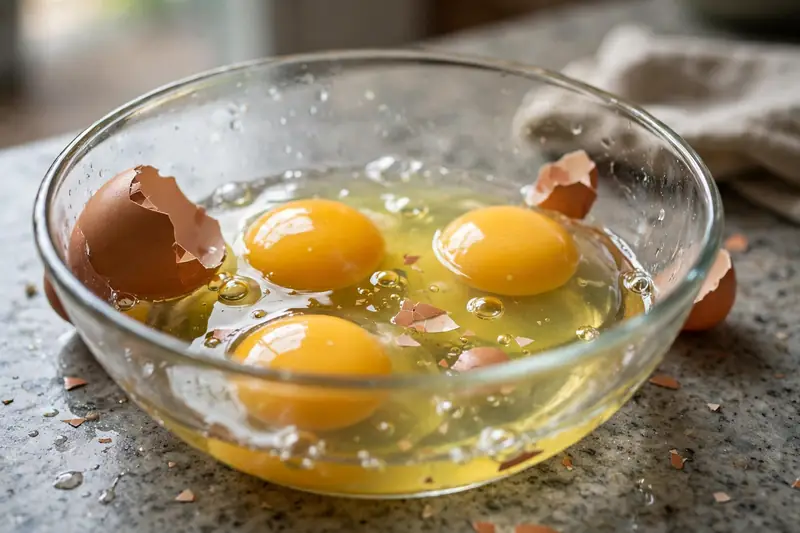
Store-bought eggnog is pasteurized, which removes the salmonella risk but none of the others. The dairy, sugar, and nutmeg remain, and some commercial nogs still contain alcohol. Pasteurization removes the salmonella risk, not the other four problems.
Nutmeg and sugar: the quieter hazards
Eggnog is traditionally dusted with nutmeg, and nutmeg is toxic to dogs. The PetMD’s nutmeg guide explains that its myristicin can cause vomiting, tremors, and seizures. The dusting on top of a glass is a small amount, but it is one more toxin in a drink that already has four other problems.

Sugar is the load-bearing ingredient. Eggnog is a dessert disguised as a drink, and the sugar brings blood sugar spikes, stomach upset, and empty calories. Sugar-free commercial nogs replace the sugar with sweeteners that may include xylitol, which is deadly to dogs. Regular or diet, the glass stays off limits.
Store-bought versus homemade: both fail
Owners sometimes assume one version is safer. Homemade eggnog has raw eggs and usually alcohol. Store-bought eggnog is pasteurized and sometimes alcohol-free, but keeps the dairy, sugar, and nutmeg. Neither version clears the bar. The homemade kind risks salmonella and alcohol poisoning. The store kind risks dairy upset and sugar overload.

Non-dairy store nogs made with almond or oat milk remove the lactose but keep the sugar and often the nutmeg flavoring. They are closer to safe and still not safe. If the goal is including the dog in the holiday toast, the homemade dog nog below does the job without a single risky ingredient.
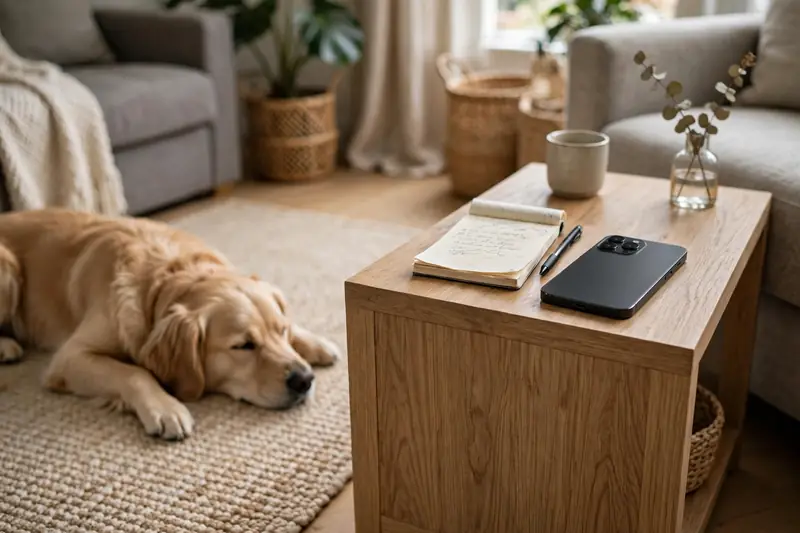
Holiday coffee shops add a third version: eggnog lattes and seasonal creamers that combine dairy, sugar, flavoring syrups, and sometimes alcohol flavoring, all in a cup that sits on a low table while the owner looks at a phone. Dogs lap spilled lattes without hesitation. The rule covers every version, in every cup, from every counter. If it was made for people to drink for fun, it was not made for dogs.
My dog drank eggnog: what to do
The response depends on what was in the glass. If the eggnog contained alcohol, call your vet or an emergency clinic immediately. Note the dog’s weight, the estimated amount drunk, and the time. Alcohol poisoning signs include vomiting, disorientation, slowed breathing, and collapse. Do not wait for signs to appear before calling.
For non-alcoholic eggnog, estimate the amount and watch the dog for 24 hours. Expect possible vomiting, gas, or diarrhea from the dairy and sugar. Keep the next meal light and the water fresh. Call the vet if vomiting repeats, the dog seems unusually tired, or a small dog drank a large amount. When the recipe is unknown, which covers most party situations, treat it as possibly alcoholic and call.
Do not try to make the dog vomit at home unless the vet specifically tells you to. With alcohol, vomiting on your own can cause more harm than good, especially if the dog is already wobbly or drowsy. Keep the dog warm, quiet, and supervised while you wait for guidance. Note the time of drinking, because the vet uses it to judge how far along the absorption is. An honest estimate beats a guess every time.
Dog nog: a holiday drink your dog can actually have
Dogs want to be part of the celebration, and a dog-safe nog takes five minutes. Whisk together half a cup of lactose-free milk, two tablespoons of plain pumpkin puree, and a pinch of cinnamon. Serve a few tablespoons in the dog’s bowl. It looks festive, smells like the holidays, and contains nothing from the danger list.
The recipe scales to any dog. A teaspoon of the mixture for a toy breed, a tablespoon or two for a medium dog, and a few tablespoons for a large one keeps the treat inside the daily allowance without any measuring anxiety, because every ingredient in the bowl is already safe.

Keep the serving small, since even safe treats count toward the daily allowance. VCA’s feeding guidelines keep all extras around 10 percent of daily calories. For dogs with dairy sensitivity, swap the lactose-free milk for water and a spoonful of plain pumpkin. The toast matters more than the recipe. Raise your glass, set down the dog’s bowl, and everybody drinks together.
Two variations keep it interesting across the season. For a thicker nog, blend the mixture with half a banana, which most dogs love and which adds no risk. For a warmer version on a cold night, serve it slightly warmed, never hot, with the cinnamon stirred in. Make only what the dog will drink in one sitting, since the fresh mixture keeps just a day in the fridge. Small batches, fresh each time, no leftovers to worry about.
Puppies, seniors, and small breeds
Puppies should never get eggnog in any form. Their small bodies and developing digestion leave no margin for alcohol, rich dairy, or sugar. Small breeds face the same math as puppies: a few laps that a large dog might shake off can poison a Chihuahua. Senior dogs with heart, kidney, or pancreas conditions have the least tolerance of all.

For these dogs, even the dog nog recipe above should be a tiny taste, not a serving. Water is always the right drink, and coconut water in small amounts is another festive-feeling alternative some dogs enjoy. The holiday bar is for people. The dog’s bowl stays simple.
Parties multiply every risk, because attention scatters and glasses land at dog height. Assign one person the dog’s watcher for the evening, or settle the dog in a quiet room with water, a chew, and white noise before guests arrive. Tell every guest the rule once, plainly: no drinks for the dog, no exceptions, and the dog-safe nog is in the fridge if they want to include the pup. Most incidents happen because nobody was assigned to watch, not because anyone meant harm.
Frequently asked questions about eggnog and dogs
Owners ask about sips, non-alcoholic versions, plant-based nogs, and puppy safety more than anything else. The answers below cover the eggnog questions that come up every December, from the party punch bowl to the grocery carton, and the dog nog recipe.
Can dogs have a sip of eggnog?
No. Even a sip of spiked eggnog can harm a small dog, and non-alcoholic eggnog still brings dairy, sugar, and nutmeg. Offer the dog-safe nog recipe instead.
Is non-alcoholic eggnog safe for dogs?
No. Removing the alcohol leaves dairy, sugar, raw eggs in homemade versions, and nutmeg. It is less dangerous, not safe.
Can dogs drink almond milk eggnog?
It avoids lactose, but commercial versions still contain sugar and flavorings, sometimes including nutmeg. It is not formulated for dogs, so skip it.
What if my dog lapped spiked eggnog at a party?
Call your vet immediately. Report the dog’s weight and the estimated amount. Alcohol poisoning can worsen quickly, and early treatment matters most.
Can dogs eat eggnog-flavored treats?
Only treats made specifically for dogs, from reputable brands that use no alcohol, xylitol, or nutmeg. “Eggnog flavor” in people food means the same risky ingredients.
Is cooked eggnog safe for dogs?
Cooking removes the raw egg risk but leaves dairy, sugar, and nutmeg. Heated eggnog is still not dog-safe.
What should my dog drink at holiday parties?
Fresh water, always. A small bowl of the dog-safe nog above makes a fun toast without any risk.
Eggnog is the holiday drink that asks a dog’s body to handle five problems at once, and the alcohol alone would disqualify it. Keep the glasses up high, keep the bottles closed, and brief the guests before the toasts start. The dog gets its own creamy bowl, the people keep the rum, and the night stays exactly as festive as it should be. For the rest of the table, the human foods that are safe for dogs list keeps every share on the right side of the line.
Disclaimer: This article is for general information only and is not veterinary advice. If your dog drinks eggnog containing alcohol, contact your veterinarian or an emergency clinic immediately.