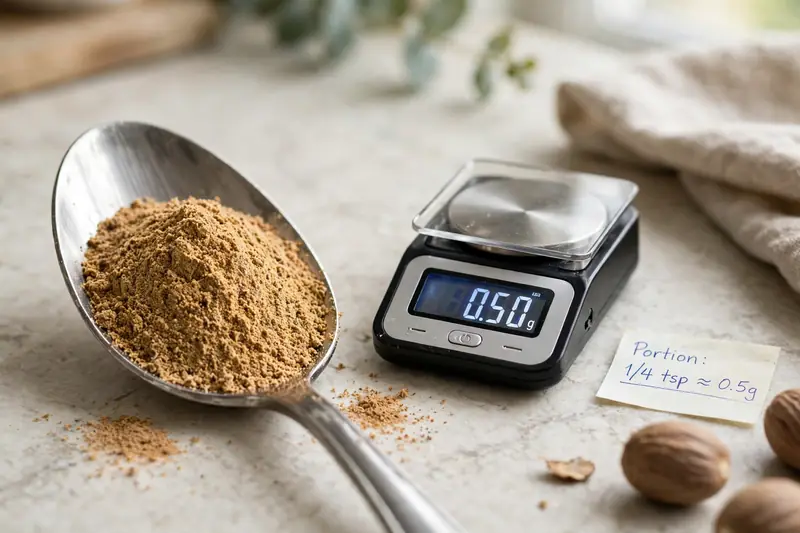
No, dogs should never eat nutmeg. The spice contains a compound called myristicin that dogs process poorly, and it attacks the nervous system instead of passing through harmlessly. PetMD reports that poisoning can start with as little as one teaspoon of ground nutmeg or two to three whole nutmeg seeds. That is a small enough amount to sit on a spoon, which is why this spice belongs in a closed cabinet, not anywhere a dog’s nose can reach it.

Can dogs eat nutmeg? The direct answer
No, nutmeg is toxic to dogs and should never be fed to them. Myristicin, the active compound, can cause vomiting, disorientation, increased heart rate, tremors, and seizures. Signs can last up to 48 hours. A tiny pinch is unlikely to poison a large dog, but there is no established safe amount, so the only clean rule is none at all.

The PetMD’s guide to nutmeg and dogs is the clearest veterinary reference on this spice, and it stresses that any nutmeg ingestion deserves a call to the vet or Pet Poison Helpline. Nutmeg also appears on the ASPCA’s list of people foods to avoid for pets.
Myristicin: the compound that makes nutmeg dangerous
Nutmeg’s warm holiday smell comes from its essential oils, and myristicin is one of the main ones. In people, it is mildly psychoactive only at very large doses. In dogs, the story is worse: they metabolize the compound slowly, so it builds up and disrupts the central nervous system. The result looks like poisoning, not a spice reaction.

Mace, the lacy red covering around the nutmeg seed, contains the same compound, so it carries the same risk. This matters at Thanksgiving because some cranberry sauce and dessert recipes call for mace specifically. Freshly grated nutmeg is more potent than the pre-ground jar, since grinding releases the oils, but both forms are off limits. The seed, the powder, and the mace all count.
How much nutmeg is dangerous for a dog
PetMD puts the toxic threshold at around one teaspoon of ground nutmeg or two to three whole seeds. Fatalities have occurred only at much higher doses, but that is not the same as safe. A teaspoon sounds like a lot until you picture a dog knocking a spice jar off the counter. Dogs do not measure; they inhale.
Here is the honest complication. The nutmeg baked into a slice of pumpkin pie is usually far below the toxic dose, and a dog that steals one bite of pie faces bigger risks from sugar and fat than from that pinch of spice. That does not make pie safe, and it does not make nutmeg safe either. The real danger scenarios are the direct ones: the spilled jar, the chewed seed, the batter bowl. Small dogs reach dangerous doses fastest, because the same teaspoon is a larger dose per pound.
Signs of nutmeg poisoning and how long they last
Signs can appear within hours of ingestion and may last up to 48 hours, according to PetMD. Early signs include vomiting, abdominal pain, and disorientation. As toxicity progresses, dogs may show an increased heart rate, high blood pressure, dry mouth, tremors, and in severe cases seizures. Some dogs hallucinate, staring or snapping at things that are not there.

The long tail is what catches owners off guard. A dog that vomits once and seems better is not necessarily in the clear, because neurological signs can develop after the gut signs fade. Watch the dog for a full two days after any known ingestion. Any tremor, wobbliness, racing heartbeat, or strange behavior in that window means the vet needs to know immediately.
Most dogs that get prompt veterinary care recover fully, though the wait is unpleasant. Treatment is supportive: fluids, monitoring, and medication for symptoms while the body clears the compound. Signs fade as the myristicin leaves the system, usually within the 48-hour window PetMD describes. Dogs that had seizures or severe signs need longer observation. The recovery is a matter of time and supportive care, not a specific antidote, which is why getting care started early matters so much.
Where nutmeg hides during the holidays
Nutmeg rarely arrives as a spice jar. It arrives baked into things: pumpkin pie, eggnog, sweet potato casserole, spice cake, and some cranberry sauces all carry it. Dogs get into these through counter-surfing, trash-raiding, and guests who share “just a bite” of dessert. The pie slice is the classic vector. Holiday desserts deserve a blanket no.

Baking day is the other danger window. Batter bowls, cooling racks, and open spice jars sit at dog-nose height for hours. A dog that licks raw batter gets nutmeg plus raw egg plus sugar in one lap. Keep dogs out of the kitchen while holiday baking is in progress, or crate them with a safe chew. The Pet Poison Helpline’s xylitol page is worth a bookmark too, since sugar-free holiday baking hides a second toxin behind the same sweet smell.
Beyond pie and eggnog, nutmeg turns up in pumpkin bread, muffins, spice cake, bread pudding, rice pudding, and creamy holiday drinks. Fall coffee shop drinks with pumpkin spice syrup carry it too, and a dog that laps a spilled latte gets nutmeg plus caffeine plus dairy in one puddle. The pattern is always the same: the spice never travels alone. When you see a holiday baked good, assume nutmeg is in it until the recipe proves otherwise.
Cinnamon: the safe spice swap
Not every warm spice is dangerous. Cinnamon is safe for dogs in small amounts, and a pinch in plain pumpkin puree brings the cozy holiday flavor without the myristicin risk. Spice safety varies by spice: black pepper, turmeric, and peppermint oil each have their own guidance, so check before you sprinkle.

The swap only works if the nutmeg stays out of the recipe entirely. “Half nutmeg, half cinnamon” is not a compromise a dog’s liver accepts. When you bake dog treats, build the recipe around dog-safe ingredients from the start: pumpkin, peanut butter, oats, and cinnamon. Keep the people spices in the people food, and keep both away from the dog’s mouth unless you made the dog’s portion yourself.
My dog ate nutmeg: what to do right now
Note what the dog ate, how much, and when: a licked spoon of batter and a chewed-open spice jar are very different exposures, and the vet needs the details. Call your veterinarian or Pet Poison Helpline at (855) 764-7661 with the dog’s weight ready. Do not try inducing vomiting in dogs unless the vet specifically tells you to.

Save the packaging or the recipe. If the nutmeg came inside a baked good, the vet also wants to know about chocolate, xylitol, raisins, and macadamia nuts, which often share the same desserts. Then watch the dog for 48 hours. Vomiting, wobbliness, a racing heart, tremors, or strange staring all mean the situation is escalating. When in doubt, the emergency clinic beats the wait-and-see approach every time.
Nutmeg storage: keeping the spice rack dog-proof
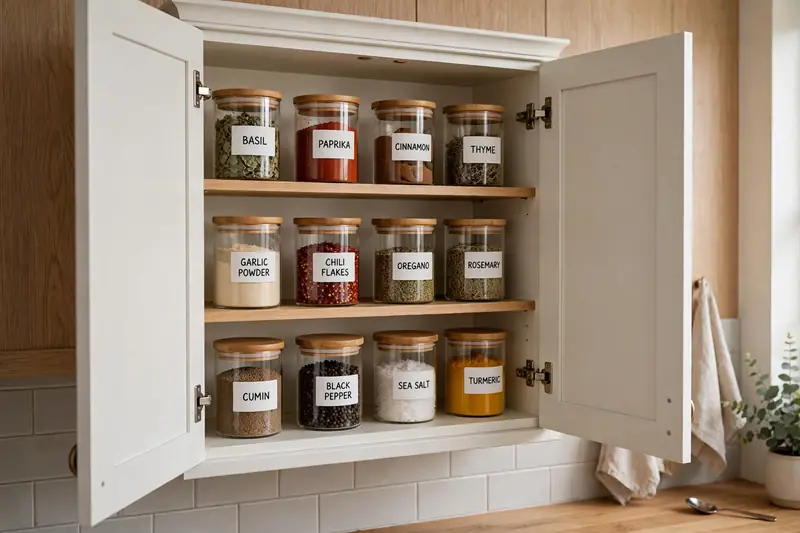
Whole nutmeg seeds look like something a dog would love to chew. They are hard, round, and smell interesting, which is a bad combination. Store all spices in a closed cabinet, not on an open rack at counter height. Dogs that counter-surf can knock jars down, and glass plus spice plus a determined dog is a triple mess.
Freshly grated nutmeg deserves extra respect because grating releases more of the active oils. If you grate spices for holiday cooking, do it over the counter, wipe up spills immediately, and keep the grater out of the sink where a dog might lick it. These sound like small habits. Poison control calls start with smaller ones.
Make the kitchen dog-free during the dangerous windows. Baking day, pie-cooling time, and the post-dinner cleanup are when most exposures happen, because food sits at counter height and attention is elsewhere. A baby gate across the kitchen doorway costs little and prevents the counter-surf that leads to most calls. Dogs do not need to be in the kitchen to enjoy the holidays. They need their own safe chew in the next room.
Puppies, small dogs, and sensitive stomachs
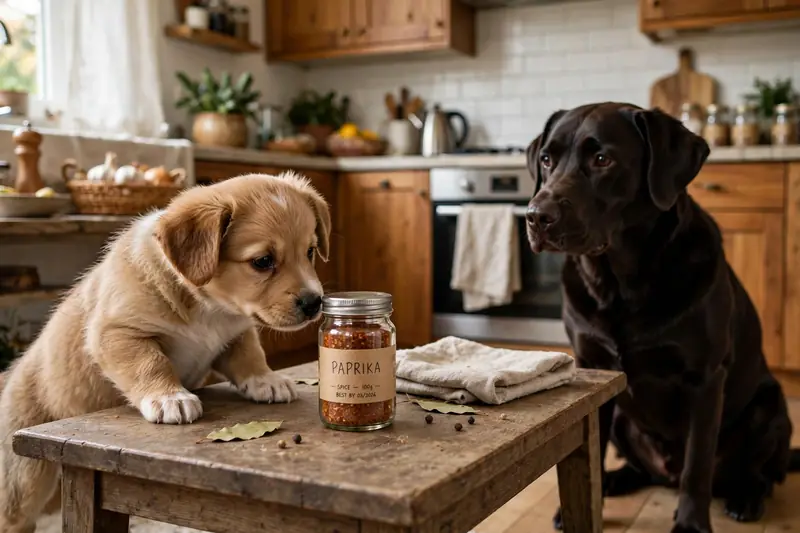
Small dogs face the highest risk because the toxic dose is measured against body weight. A teaspoon of nutmeg in a 60-pound Labrador and the same teaspoon in a 6-pound Chihuahua are entirely different emergencies. Puppies add curiosity to the equation: they chew everything, including spice jars and cooling baked goods, and their smaller bodies leave less margin.
Senior dogs with liver or heart conditions have less reserve to handle a toxin that raises heart rate and blood pressure. For these dogs, even a moderate exposure deserves a faster vet call. The VCA’s feeding guidelines remind owners that treats and extras should stay a small fraction of the diet, and a toxic spice should stay at zero percent of it.
Frequently asked questions about nutmeg and dogs
Owners ask about tiny amounts, pumpkin spice, mace, and safe spice swaps more than anything else. The answers below cover the nutmeg questions that come up every holiday season, from the spice rack to the baking sheet, and what to bake for dogs instead.
Is a tiny pinch of nutmeg safe for dogs?
There is no established safe amount. A pinch in a large dog’s baked treat is unlikely to cause poisoning, but vets advise against it because the margin is unstudied. Use cinnamon instead and skip the gamble.
Can dogs have pumpkin spice?
No. Pumpkin spice blends contain nutmeg along with cinnamon, ginger, and cloves. The nutmeg alone disqualifies the blend. Plain pumpkin puree with a pinch of cinnamon gives the flavor without the risk.
Is mace safe for dogs?
No. Mace is the outer covering of the nutmeg seed and contains the same toxic compound, myristicin. Treat it exactly like nutmeg.
Can dogs eat eggnog with nutmeg on top?
No. Eggnog is already off limits for dogs because of dairy, sugar, raw eggs, and often alcohol. The nutmeg dusting on top is one more reason, not the only one.
What about nutmeg in dog treats from the store?
Reputable dog treat brands do not use nutmeg. If a homemade or boutique treat lists nutmeg, do not buy it. The ingredient has no place in anything marketed for dogs, and “all-natural” on the label does not make a toxin safe.
How long does nutmeg poisoning last in dogs?
Signs can last up to 48 hours, according to PetMD. Monitor the dog for the full two days even if early vomiting seems to resolve.
Can nutmeg kill a dog?
Fatalities are rare and occur at much higher doses than a kitchen accident usually delivers. But severe poisoning with seizures is possible, which is why any significant ingestion needs veterinary care, not optimism.
Nutmeg is the holiday spice that looks innocent and is not. One teaspoon of ground nutmeg or a couple of whole seeds can poison a dog, and the signs can linger for two days. Keep the spice rack closed, keep the dogs out of the kitchen on baking day, and reach for cinnamon when you want that warm holiday flavor in something the dog can actually share. For everything else on the table, the human foods that are safe for dogs list is the faster reference. When the holidays end, do a spice-rack audit: nutmeg, mace, and any blend containing them go back in the closed cabinet, out of counter-surfing range for the rest of the year. Share this rule with everyone in the house, because the spice jar a guest leaves open on the counter is the one the dog finds.

Pumpkin spice blends, eggnog, and holiday baked goods all hide nutmeg, so read ingredient labels on seasonal treats before assuming any of them are safe to share.
Disclaimer: This article is for general information only and is not veterinary advice. If your dog eats nutmeg, especially a whole seed or a spilled jar, contact your veterinarian or Pet Poison Helpline promptly.