
Cranberry sauce is about half sugar by weight. Traditional recipes pack 50 to 60 grams of sugar into every 100 grams of sauce, because raw cranberries are so tart they need serious sweetening to taste like a side dish. That sugar is the whole story for dogs. The berries themselves are safe. The sauce is cranberry-flavored sugar, and some versions hide far worse things than sugar: raisins, brandy, or xylitol in the sugar-free kind.

Can dogs eat cranberry sauce? The direct answer
No, dogs should not eat cranberry sauce. The sugar load alone can cause vomiting and diarrhea, and it is dangerous for diabetic dogs. Some recipes add raisins, currants, or brandy, which are toxic to dogs, and sugar-free versions may contain xylitol, which can be deadly. A few plain cranberries are the safe alternative.
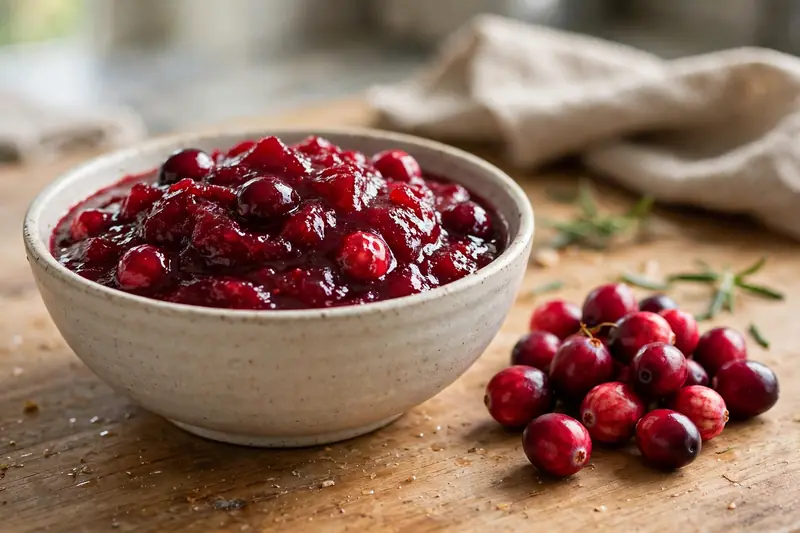
The PetMD’s cranberry guide states it plainly: cranberries are not toxic, but cranberry sauce is not the healthiest thing for dogs to eat. The AKC’s guide to cranberries for dogs adds that feeding plain sauce in minute quantities is probably safe, while warning about the recipe risks.
Cranberries versus sauce: why the form matters
Fresh cranberries are small, tart, and safe. Dogs can eat them in small amounts, and most dogs self-limit because the sourness puts them off after a few berries. The berries bring fiber, vitamin C, and antioxidants with almost no sugar. Cranberry sauce adds everything a dog should avoid: cup after cup of sugar, and sometimes butter, spices, or alcohol.
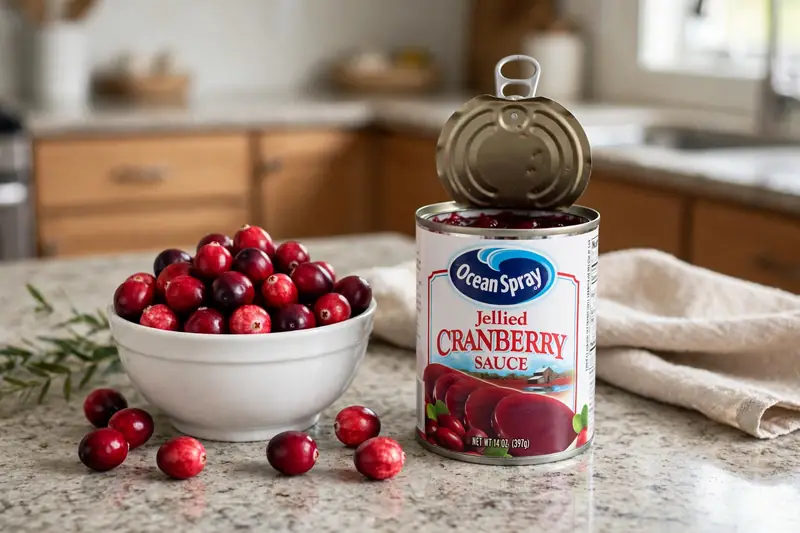
Canned jellied sauce and homemade whole-berry sauce fail the test equally. The can lists sugar or corn syrup as a main ingredient, and homemade versions often use even more. “Homemade” sounds healthier, but a homemade sauce with a cup of sugar per bag of berries is no kinder to a dog than the can. The form is the problem, not the brand.
Sugar: what it actually does to a dog
A spoonful of cranberry sauce delivers a sugar hit a dog’s body is not built to handle. The likely result is stomach upset: vomiting, gas, or diarrhea. In a diabetic dog, it can spike blood sugar dangerously. Repeated sugary treats contribute to weight gain and dental disease, which is why vets treat sugar as a hard no.
Here is the nuance worth keeping. A healthy dog that licks a trace of sauce off a plate will probably be fine. PetMD notes that a small amount in a healthy dog likely causes no more than mild upset. The danger scales with amount and with the dog: small dogs, diabetic dogs, and dogs with sensitive stomachs react to less. A full serving, or a dog that raids the sauce dish, is a vet-call situation, not a wait-and-see one.
Hidden dangers inside the recipe
Sugar is the predictable problem. The unpredictable ones are worse. Some recipes mix in raisins or currants for texture, and grapes are toxic to dogs, capable of causing sudden kidney failure. Holiday versions sometimes add brandy, which is toxic even in small amounts. Spiced recipes can include nutmeg or mace, and sugar-free versions may use xylitol.

This is why “just a spoonful” is bad advice when you did not make the sauce. You cannot see raisins in a dark whole-berry sauce at a glance, and you cannot taste xylitol in a sugar-free version without knowing the recipe. If the sauce came from someone else’s kitchen, a restaurant, or a can with a label you have not read, the safe answer is none. The Pet Poison Helpline’s xylitol page explains why sugar-free anything near a dog is an emergency until the label says otherwise.
The UTI claim, examined closely
Cranberries have a reputation for supporting urinary tract health, and some owners wonder if the sauce could help a dog with bladder issues. The evidence disappoints. Cranberries contain compounds called proanthocyanidins that may reduce bacterial adhesion in the urinary tract, but the evidence in dogs is limited, and no sauce delivers those compounds without the sugar that cancels the benefit.
Two more cautions come from veterinary sources. Large amounts of cranberries have been linked to calcium oxalate bladder stones in dogs, so “more is better” is exactly wrong here. And dogs taking blood thinners such as warfarin should not get cranberry supplements without explicit veterinary guidance, because of a known interaction. A dog with urinary symptoms needs a vet visit and proper treatment, not cranberry sauce from the holiday table.
What actually helps a dog with urinary trouble is unglamorous: a vet visit, a proper diagnosis, and clean water always available. Bacterial infections need appropriate treatment, not berries. Stones need imaging and a plan. Owners sometimes delay the vet visit while trying home remedies, and the infection or blockage gets worse in the meantime. If your dog strains to urinate, goes frequently in small amounts, or has blood in the urine, skip the cranberries and call the vet that day.
How to share cranberries the safe way
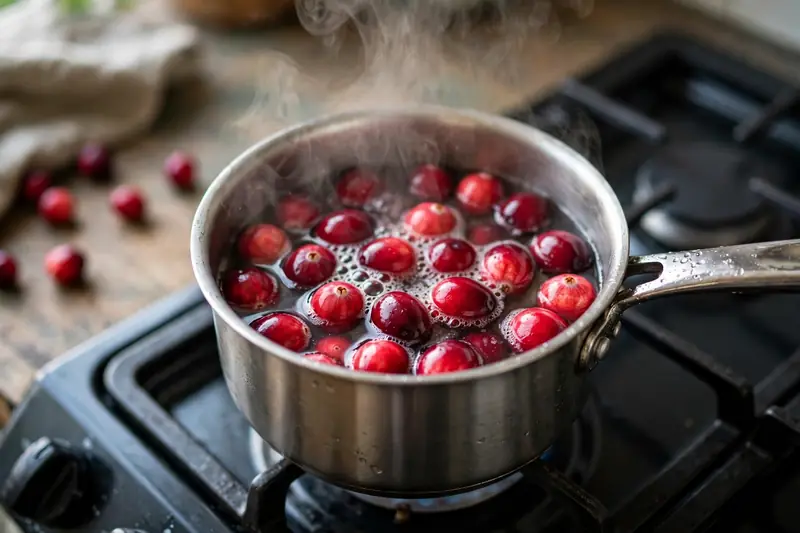
If your dog likes the tart taste, and many do not, simmer a small handful of plain fresh cranberries in water until they pop, let them cool, and mix a few into the bowl. No sugar, no spices, no juice. That is the entire recipe. Raw cranberries work too, though the tartness makes most dogs quit after two or three.
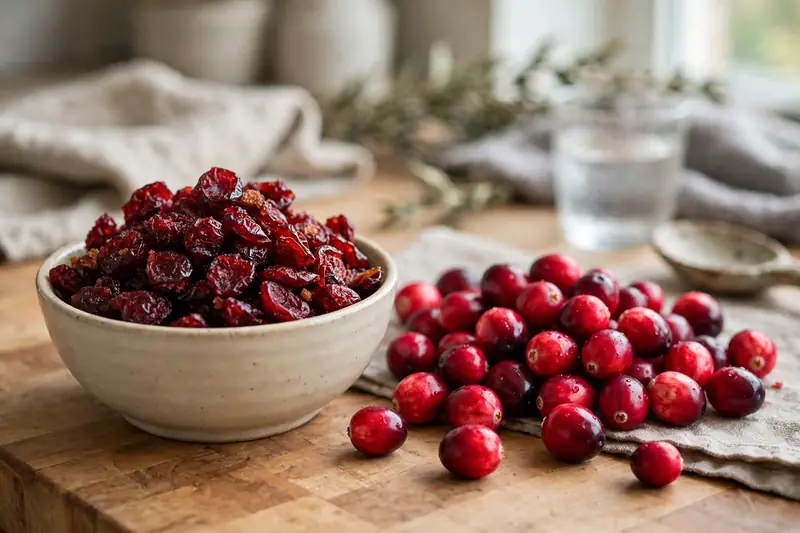
Frozen cranberries work just as well as fresh. Freezing does not change the safety profile, and some dogs prefer the cold crunch. Buy plain frozen berries with no added sugar or syrup, and thaw a few before serving so they are not rock hard. Dried berries from the baking aisle are the ones to distrust, since those are the sweetened kind. When the bag says nothing but “cranberries,” you are holding the right one.
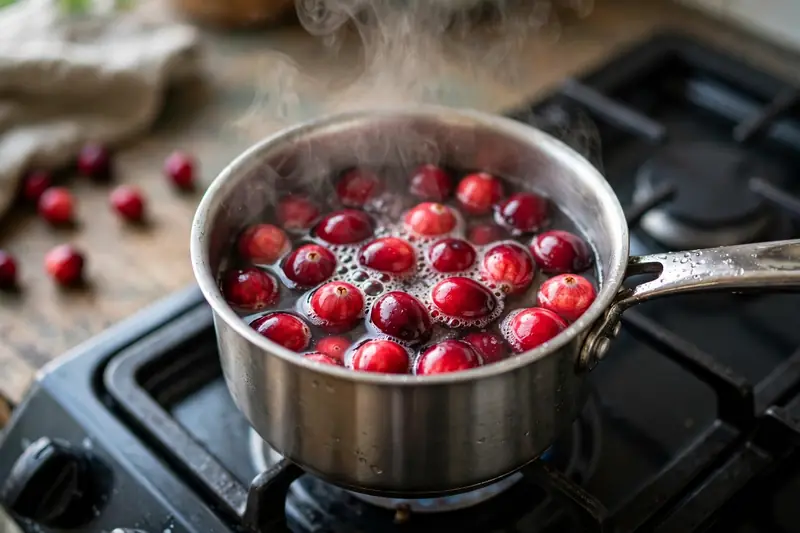
Keep the portion small: a few berries for a small dog, a small spoonful for a large one. Cranberries are a garnish, not a side dish. Crush larger berries for small dogs to reduce any choking risk. And skip this entirely for dogs prone to oxalate stones unless your vet approves, since even plain cranberries carry that caution in quantity.
Cranberry supplements marketed for dogs exist, and some owners ask about them. These are concentrated products, not food, and they should only be used on veterinary advice. The supplement aisle is not regulated the way medicine is, so quality varies and dosing is guesswork without a vet’s guidance. A few plain berries as an occasional garnish need no such deliberation. Keep the simple thing simple, and leave the concentrated products to professional advice.
Dried cranberries and cranberry juice: also no
Dried cranberries sound like a convenient alternative, but most commercial dried cranberries are heavily sweetened, and some use xylitol. Trail mixes with dried cranberries often add raisins and chocolate too, making them a triple threat. Unless the package shows unsweetened cranberries with no additives, keep the bag away from the dog.
Trail mix is the worst version of this. One handful can combine sweetened cranberries, raisins, chocolate chips, and macadamia nuts, which means sugar plus three separate toxins in a single grab. Dogs love trail mix because it is salty, sweet, and fatty all at once. Hikers and holiday travelers should treat it like medication: sealed, high up, and never left in a coat pocket on the floor. If a dog gets into trail mix, call the vet with the ingredient list, because the treatment depends on which toxins were inside.
Cranberry juice fails the same way. Commercial juice is mostly sugar water or, in diet versions, xylitol. Dogs do not need juice of any kind, and the concentrated sugars hit harder in liquid form. Water remains the best drink for a dog at the holiday table, in a clean bowl, refreshed often.
My dog ate cranberry sauce: what to do
Check the recipe first. If the sauce was sugar-free, look for xylitol immediately, and call your vet or Pet Poison Helpline if it is present or uncertain. If the sauce contained raisins, currants, or brandy, call the vet regardless of amount, because those ingredients are toxic on their own.

For standard sugary sauce in a healthy dog, estimate the amount and watch for 24 hours. Expect possible vomiting or diarrhea with larger servings. Keep the next meal light and the water fresh. A bland meal of plain boiled chicken and rice for a day often settles a mild sugar upset, the same approach vets suggest for most dietary indiscretions. Call the vet if vomiting repeats, the dog seems lethargic, or you are dealing with a diabetic dog, a small dog that ate a lot, or any dog that also got into the raisins. The ASPCA’s list of people foods to avoid covers the ingredients to double-check while you monitor.
Puppies, small dogs, and sensitive stomachs
Puppies should get plain cranberries only in tiny amounts, if at all. Their digestion is still developing, and tart berries can cause disproportionate upset. Small dogs face the sugar math at its worst: a tablespoon of sauce is a much bigger dose per pound for a Chihuahua than for a Labrador.

Senior dogs with diabetes, kidney issues, or bladder stone history should skip cranberries unless the vet signs off. For these dogs, the risks stack: sugar against diabetes, oxalates against stone history. A safe fruit treat from the human foods that are safe for dogs list, like blueberries or apple slices, is the better holiday share.
Frequently asked questions about cranberry sauce and dogs
Owners ask about plain berries, juice, dried cranberries, specific brands, and the UTI claims owners hear about more than anything else. The answers below cover the cranberry questions that come up every Thanksgiving, from the sauce boat to the trail mix bowl.
Are cranberries toxic to dogs?
No. Plain cranberries are safe for dogs. The sauce is the problem, because of its sugar and possible toxic add-ins.
How many cranberries can my dog eat?
A few plain berries are enough. Think garnish, not serving. Large amounts can cause stomach upset and have been linked to bladder stones.
Can dogs drink cranberry juice?
No. Commercial cranberry juice is loaded with sugar or sweeteners, and diet versions may contain xylitol. Dogs do not need juice.
Are Craisins safe for dogs?
No. Most dried cranberries are sweetened, and some contain xylitol. Only unsweetened dried cranberries with no additives are even worth considering, and fresh is better.
Can cranberry sauce help my dog’s UTI?
No. The evidence for cranberries helping UTIs in dogs is limited, and sauce adds sugar that helps nothing. A dog with urinary symptoms needs a vet, not sauce.
Is Ocean Spray cranberry sauce safe for dogs?
No. Canned jellied sauce is mostly sugar regardless of brand. The brand does not change the ingredients that matter.
What fruit can I give my dog instead?
Blueberries, strawberries, and apple slices with the core removed are all safe in small amounts and far better holiday shares than sauce.
Cranberry sauce is the side dish that looks like fruit and acts like candy. Half its weight is sugar, and the recipes that stray from sugar stray toward raisins, brandy, or xylitol instead. The berries underneath are perfectly safe, which makes the swap easy: simmer a few plain cranberries for the dog, keep the sauce for the people, and let the holidays stay out of the vet clinic. Keep the can itself away from dogs too, since an opened can’s sharp lid edge can cut a curious nose or tongue. Rinse and recycle it promptly instead of leaving it on the counter. A holiday built on safe swaps is one the whole family enjoys, four-legged members included, with no vet visit required.

If you want the cranberry flavor without the risk, simmer a spoonful of plain cranberries in water until they pop, then cool the mixture completely before offering a small taste.
Disclaimer: This article is for general information only and is not veterinary advice. If your dog eats sugar-free sauce or sauce containing raisins, or shows repeated vomiting or lethargy, contact your veterinarian promptly.



1 thought on “Can Dogs Eat Cranberry Sauce? Sugar, Risks, and Alternatives”