Your kid leaves a juice box on the floor, and the dog finishes it before you cross the room. Dogs can drink apple juice in tiny amounts without poisoning, but it is a poor drink that offers nothing water does not do better. It keeps the sugar, drops the fiber, and sometimes arrives with sweeteners that turn a mild concern into an emergency. A stolen sip needs no panic. A habit needs to end.
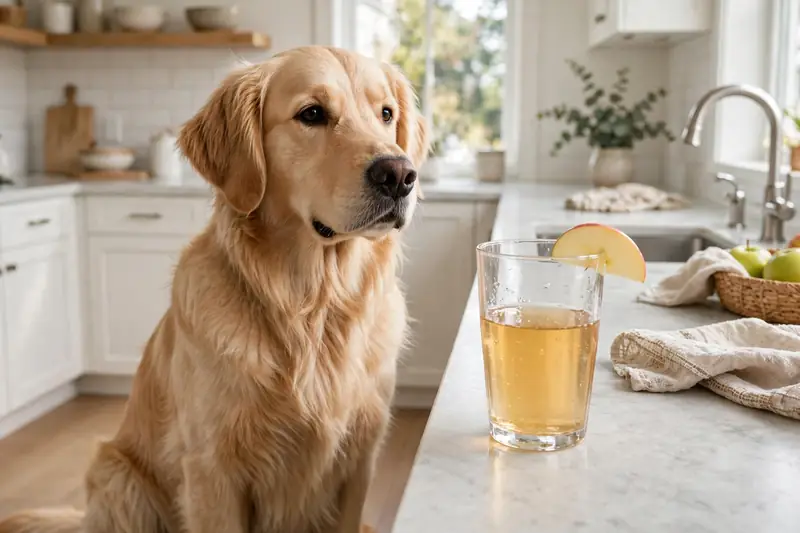
Apple juice feels harmless because apples are wholesome. Apples themselves earn a spot on safe-food lists, and the AKC’s produce guide treats the fruit as a fine occasional treat. The juice is a different product wearing the fruit’s reputation. It keeps the sugar, drops the fiber, and sometimes arrives with sweeteners that turn a mild concern into an emergency. The sections below take the drink apart piece by piece.
Can dogs drink apple juice? The direct answer
Owners want the verdict first, so here it is. Apple juice carries no poison for dogs, yet no dog should drink it as a beverage. A tablespoon or two of 100 percent juice will not harm a healthy dog. Regular servings deliver concentrated sugar that the canine body was never built to process, and sugar-free versions may hide xylitol, which can kill. Water wins every comparison.

The “not toxic” label does the confusing work here. Owners hear it and translate it to “safe,” but the two words cover different ground. Plenty of non-toxic things still harm dogs through sugar, acid, or sheer pointlessness. Orange juice sits in the same category for the same reasons. The ASPCA’s people foods to avoid lists true poisons, and juice appears on no such list because its case is nutritional rather than toxicological, which still makes it strong enough to keep the juice out of the bowl.
The sugar math: juice vs cola vs whole apple
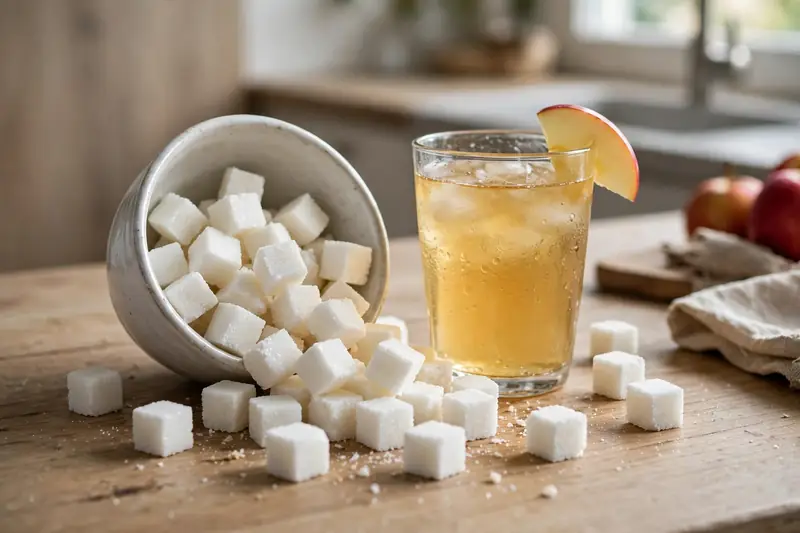
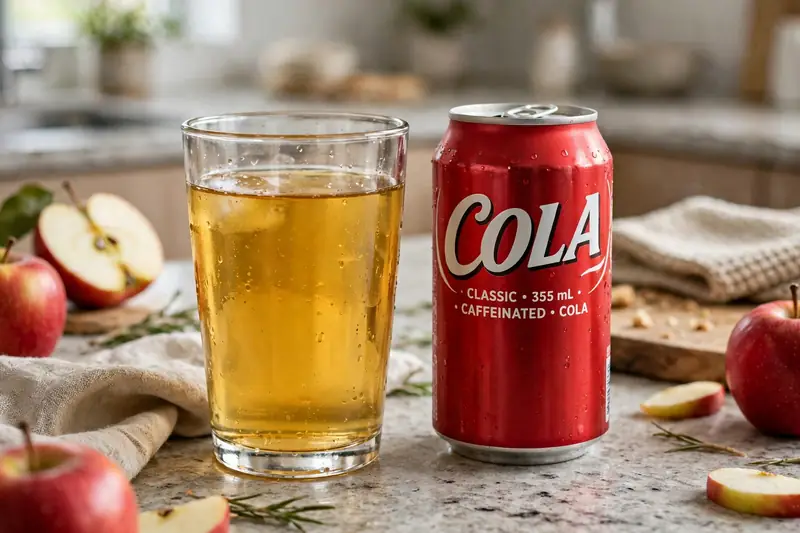
Numbers make the argument better than adjectives. Twelve ounces of 100 percent apple juice carries about 10 teaspoons of sugar, roughly the same as a 12-ounce can of cola. The whole apple that juice came from carries a fraction of that sugar per bite, wrapped in fiber that slows absorption to a crawl.

Liquid sugar hits differently than solid sugar. The gut absorbs it fast, blood glucose spikes instead of rising gradually, and the pancreas scrambles to keep up, which is a lot of drama for a drink that offered nothing in the first place. A dog’s system, built for meat and mild plant matter, handles that spike poorly. Whole fruit forces chewing, which slows intake and lets fiber blunt the sugar’s impact. Juice removes every one of those brakes. Owners who would never hand a dog a cola should apply the same logic to the juice box, because the sugar load is nearly identical and the dog’s body cannot tell which marketing department it came from.
The xylitol danger in sugar-free juice
Regular juice is a sugar problem. Diet juice can be a poison problem. Some sugar-free apple juices use xylitol, an artificial sweetener that triggers fatal blood sugar crashes in dogs even in small amounts. The “diet” or “no sugar added” label is the warning sign, not the reassurance.
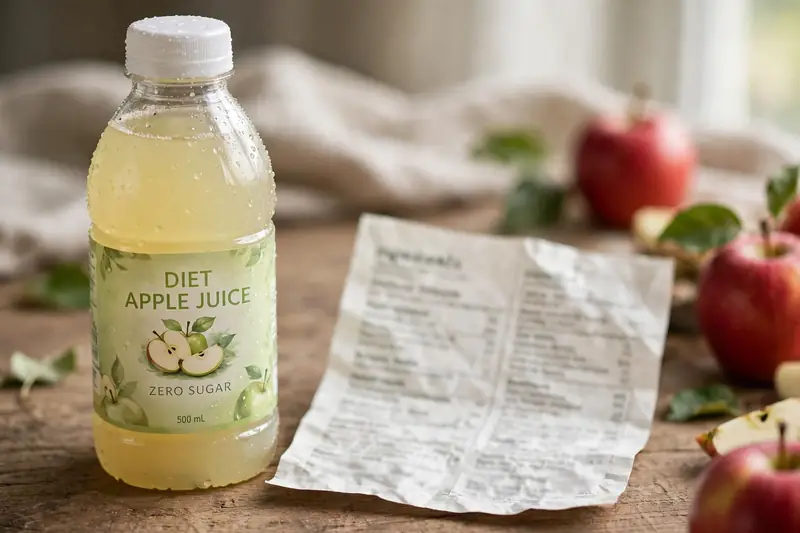
Xylitol works fast and without mercy. The dog’s pancreas mistakes it for a massive sugar load and floods the blood with insulin. Blood sugar collapses within the hour, and the dog can go from wobbly to seizing before the owner finishes reading the label. PetMD’s xylitol poisoning guide documents the progression and the aftermath: survivors face liver damage over the following days. Any juice labeled diet, light, sugar-free, or no-sugar-added deserves a full ingredient read before it enters a house with a dog. Xylitol also hides as birch sugar. Finding either name means the bottle stays far from the dog, permanently.
What a big gulp does to a dog
Small sips pass quietly. Large servings announce themselves. A dog that drinks a large amount of apple juice will likely develop vomiting or diarrhea within a few hours as the sugar overwhelms the gut. Diabetic dogs face a sharper threat: the sugar spike can push blood glucose to dangerous levels.
The dose that counts as “large” depends on the dog. A few tablespoons trouble a Chihuahua. Half a bottle troubles a Labrador. Beyond the immediate stomach upset, repeated sugar loads feed the slow problems: weight gain and dental decay, plus a pancreas kept permanently on alert. Diluting helps at the margins. One part juice to two parts water cuts the concentration, though it does not turn juice into a good idea. The honest framing is that juice is a treat with no nutritional role, and treats with no role should stay rare.
Whole apples: the better way to share
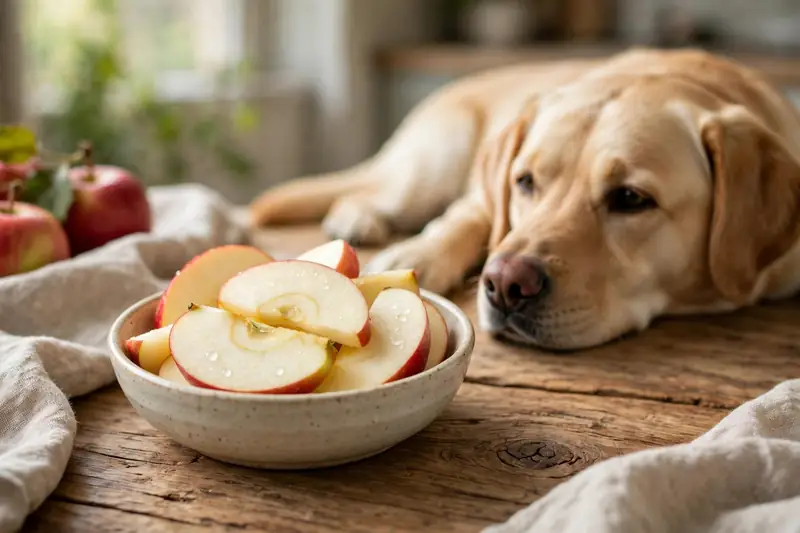
The fruit redeems what the juice ruins. Seedless apple slices make a solid dog treat, with fiber, crunch, and natural sweetness in a package the dog’s body handles well. The AKC’s produce guide lists apples among the safe fruits, with the standard cautions.

Preparation takes a minute. Wash the apple and slice it, removing every seed and the core. Seeds contain amygdalin, a compound that releases cyanide in tiny amounts, and while a swallowed seed or two rarely matters, the habit of removing them costs nothing. The core is a choking risk for enthusiastic eaters. A few slices a couple of times a week fit easily inside the 10-percent treat budget, and the dog will crunch them with more enthusiasm than it ever showed a juice bowl. Compared with juice, the whole fruit delivers slower sugar and real fiber, plus the satisfying crunch that makes a treat feel like a treat. The dog gets the apple experience without the sugar flood.
Juice from concentrate and cloudy varieties
Not all apple juice is pressed the same way, and owners ask whether the type matters. Juice from concentrate packs the same sugar load as fresh-pressed, often with added flavors and sweeteners that make it worse. Cloudy or unfiltered juice keeps some pulp, which sounds healthier and changes almost nothing about the sugar.
Concentrate starts as juice with the water removed for shipping, then gets reconstituted later. The process itself is neutral. The problem is what manufacturers add back: extra sweeteners, “natural flavors,” and preservatives that fresh juice skips. Cloudy juice retains pectin and pulp, which adds a whisper of fiber, but the sugar concentration stays nearly identical. Neither version earns a place in the dog’s routine. The type debate is a distraction from the real question, which is whether the dog needs juice at all. It does not.
Puppies, seniors, and diabetic dogs
Healthy adults shrug off a stolen sip. Vulnerable dogs do not get the same grace. Puppies, seniors with health issues, and diabetic dogs should get no apple juice at all. Their bodies handle sugar spikes and stomach upset with less margin.
Puppies dehydrate fast, so any vomiting or diarrhea episode escalates quickly. Their small bodies also reach a dangerous sugar load from a smaller volume. Senior dogs often carry early metabolic or kidney issues that sugar aggravates. Diabetic dogs face the clearest danger: a sugary drink can spike blood glucose within the hour and undo careful management. For these dogs the rule is absolute, not portion-based. Owners should treat any real exposure as worth a vet call rather than a wait-and-see, because the downside of waiting is measured in hours, not days.
What to do if your dog drinks apple juice
Stay calm and gather facts before deciding. Check how much the dog drank and read the label for xylitol or birch sugar, then call your vet if the amount was large or the label lists anything suspicious. Plain juice in a small amount usually needs nothing but watching.
The label check comes first because it changes the response completely. Xylitol on the label means an emergency clinic visit now, not after symptoms. For plain juice, estimate the volume carefully: a licked saucer versus half a bottle are different situations. Watch for vomiting, diarrhea, or unusual lethargy over the next few hours. Mild cases resolve on their own, and a bland diet for a day or two settles the stomach. Offer fresh water to help the sugar pass, and keep the dog’s routine calm while the stomach settles. Do not induce vomiting at home unless the vet directs it.
Drinks that actually suit dogs
The beverage aisle is built for people, and dogs need almost none of it. Fresh water is the only daily drink dogs need, with vet-guided electrolyte drinks reserved for dehydration recovery. Sports drinks and every fruit juice fail the same test: sugar without purpose.

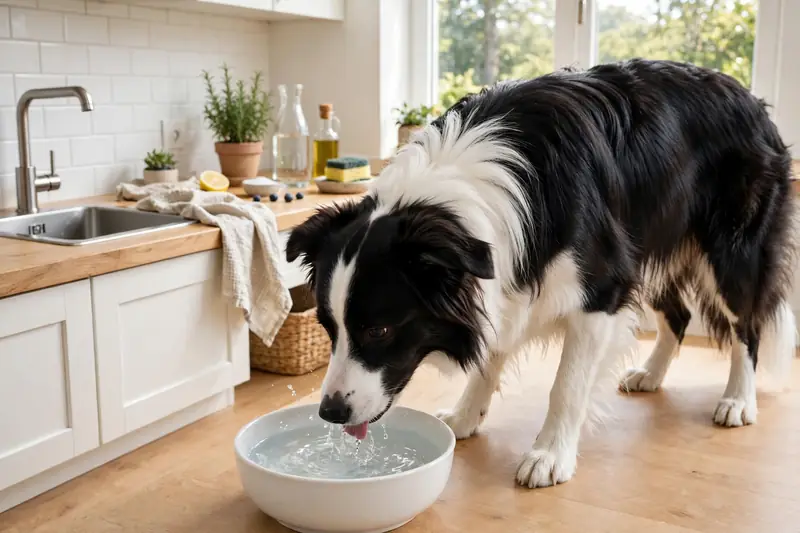
The VCA’s feeding guidelines keep the message deliberately dull: clean water, fresh daily, in a clean bowl. Dogs need roughly an ounce of water per pound of body weight each day, and most hit that target without encouragement when the bowl is clean and full. The safe drinks for dogs guide covers the rare exceptions, like vet-directed rehydration. Everything else in the drink aisle exists because people like flavor. The dog’s biology never placed the order.
When to call the vet
Most apple juice incidents resolve without professional help. Call your vet for any xylitol-containing juice, for a diabetic dog that drank any real amount, or when vomiting or diarrhea persists beyond a day. Puppies with any symptoms deserve a faster call.
Bring the bottle or a photo of the label to the call. The vet needs the exact product and ingredient list, because the advice for xylitol differs completely from the advice for plain sugar. For mild plain-juice cases, describe the amount and timing, and expect home-monitoring guidance. Save the poison control number in your phone before the next incident. Juice boxes are a permanent feature of houses with kids, and preparation turns the next spill into a routine rather than a scare.
Frequently asked questions about dogs and apple juice
Owners usually ask about cider and concentrate first, then folk remedies. The answers below cover the questions that come up most often.
Can dogs drink apple cider?
Apple cider should stay away from dogs. Unfiltered cider often contains spices like cinnamon and nutmeg in amounts worth avoiding, and hard cider contains alcohol, which is toxic to dogs. The sugar load matches juice. Keep all cider out of reach.
Can dogs drink apple juice from concentrate?
Juice from concentrate earns no recommendation. It carries the same concentrated sugar as fresh juice and often adds sweeteners and artificial flavors. The reconstitution process adds nothing the dog needs. Whole fruit beats every version.
Is apple juice good for constipated dogs?
Apple juice is not a recommended constipation remedy. Some owners try it as folk medicine, but vets do not endorse it, and the sugar can worsen stomach upset. A constipated dog needs a vet’s guidance, and fiber from whole fruit or pumpkin is the safer direction.
Can dogs drink unfiltered or cloudy apple juice?
Cloudy juice keeps a little pulp, which adds negligible fiber and changes nothing about the sugar load. It is marginally less processed and equally unsuitable as a dog drink. The same limits apply.
How much apple juice can a dog have?
There is no recommended serving, only risk levels. A tablespoon or two of 100 percent juice is unlikely to harm a healthy adult dog. Beyond that the sugar load climbs fast, and daily servings are never a good idea. When in doubt, offer water with an apple slice instead.
Can dogs drink apple juice with cinnamon?
Cinnamon in the tiny amounts used as a spice is not toxic to dogs, but cinnamon-flavored juice usually means added sugars and flavorings. The spice is not the problem. Everything around it is. Skip flavored juices entirely.

Apple juice is sugar water with an orchard’s reputation. It will not poison a dog, but it fattens, rots teeth, spikes blood sugar, and in its diet versions can hide a lethal sweetener. The whole apple does everything the juice claims to do. Fiber and crunch replace the sugar flood. Pour the juice for the kids, slice an apple for the dog, and keep water in the bowl where it belongs.
Disclaimer: This article is general information, not veterinary advice. Dogs with diabetes, kidney disease, or digestive conditions should get drink guidance from their own veterinarian.