

Most fruit juices will not poison your dog, but they are a poor treat for one simple reason: sugar. A cup of apple juice carries roughly 24 grams of sugar and about 114 calories, which is a heavy load for an animal that gets everything it needs from water and balanced food. One juice is a genuine emergency: grape juice, because grapes can shut down a dog’s kidneys. Everything else sits somewhere between “harmless sip” and “bad habit,” and this guide sorts out exactly where.
The short answer: can dogs drink juice?
Dogs can drink small amounts of plain, unsweetened fruit juice without poisoning themselves, but juice offers them nothing that water and whole fruit do not already provide. The natural sugar in juice adds calories and can loosen stools, so it works only as a rare treat in tiny servings. Grape juice is the exception that matters. It is toxic and can cause kidney failure, so it must never reach your dog’s bowl.
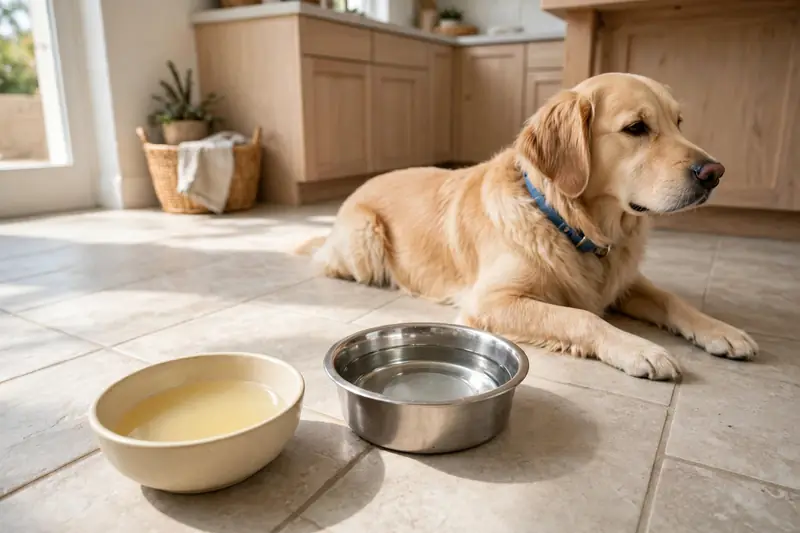
Think of juice the way you would think of soda for a child. Not an emergency in a small amount, not something to build into the routine. A couple of laps of diluted apple juice on a hot day will not harm a healthy dog. A daily bowl of orange juice is a different story, and most of the guides that give juice a blanket yes skip the part about how quickly the sugar adds up. Your dog’s body handles sugar less gracefully than yours, and it has no nutritional need for any of it. Water stays the drink. Juice stays the rare exception.
The ASPCA’s people-foods list draws the same line: most fruit juices escape the toxic list, while grapes and xylitol sit on it among the items that never belong in a dog’s diet. One juice can kill. The rest just are not worth it.
Grape juice is the one that can kill
Grape juice is toxic to dogs because grapes themselves are toxic. Eating or drinking anything made from grapes can trigger acute kidney injury, and there is no established safe amount. A few grapes have sickened large dogs, which means a glass of juice, made from many grapes, carries real danger.
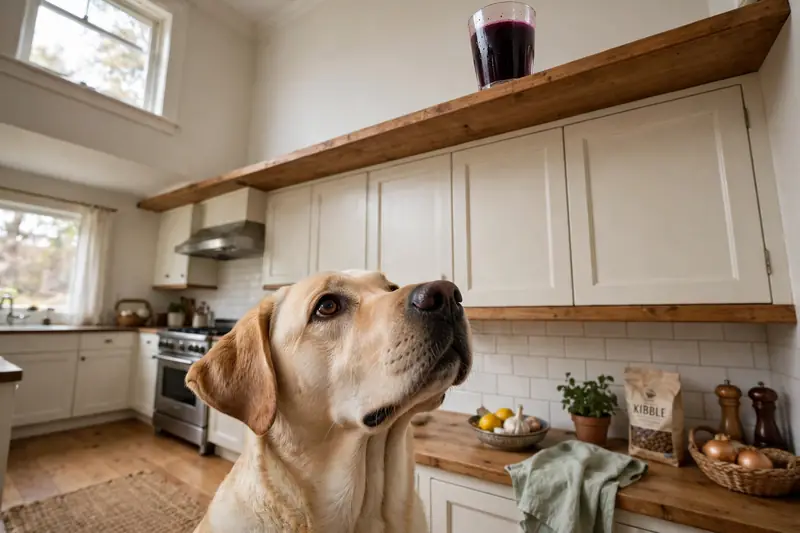
Signs of grape poisoning usually appear within hours. Watch for vomiting, diarrhea, loss of appetite, lethargy, and abdominal pain. A dog that stops producing urine is in critical condition. The Pet Poison Helpline lists grapes as toxic and advises immediate veterinary treatment, because early decontamination and IV fluids give the kidneys their best chance. Do not wait for symptoms to appear. If your dog drank grape juice, call your vet or a poison hotline at once, note how much was drunk and when, and follow their instructions. Do not induce vomiting on your own.
Wine deserves a mention here too. It is fermented grape juice, so it carries the double threat of grapes plus alcohol. Our guide to whether dogs can eat grapes covers the fruit side in more detail.
The sugar problem in one glass
An 8-ounce glass of apple juice contains about 24 grams of sugar. For a 20-pound dog, that single glass delivers a meaningful share of its daily calories with zero fiber, zero protein, and nothing the dog actually needs. Dogs evolved to get their energy from meat and fat, not from concentrated fruit sugar, and their smaller bodies feel the effect faster.

Weight gain comes first, because liquid calories do not satisfy a dog the way chewed food does. Dental trouble follows, since sugar feeds the bacteria behind plaque. Blood sugar swings matter most for diabetic dogs, where a sugary drink can destabilize the day. None of this requires a poisoning to be a problem. A dog that drinks juice regularly simply eats worse.
Here is the number that puts it in perspective. The VCA’s feeding guidelines cap all treats, juice included, at about 10 percent of daily calories. One small glass of juice can blow past that cap for a small dog before the day has properly started. That is the math most juice guides never show.
Apple juice: the closest thing to a safe choice
Plain, unsweetened apple juice is the juice most often called safe for dogs, and in tiny amounts that is fair. It is not toxic. A tablespoon or two of the plain stuff, diluted with water, is the serving that keeps it in treat territory rather than sugar territory.
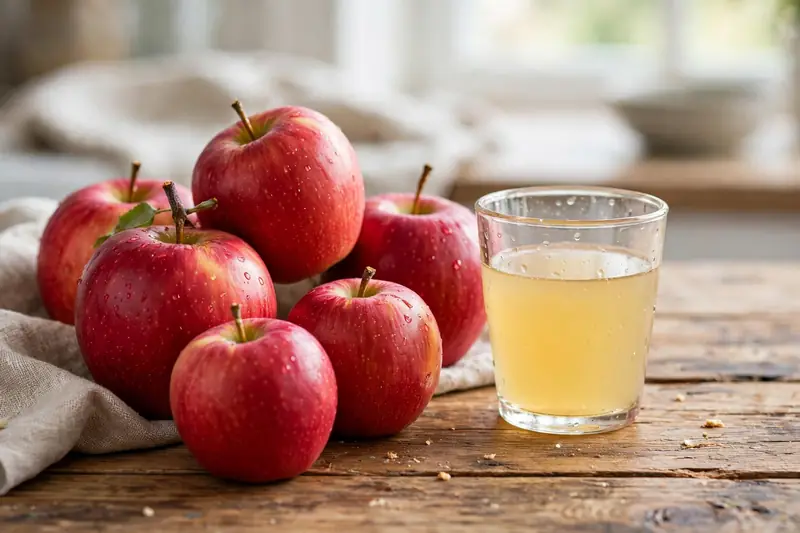
But apple juice carries a quirk worth knowing. Apples contain sorbitol, a sugar alcohol that pulls water into the bowel. That is why some sources mention apple juice for mild constipation, and it is also why the same juice can cause watery stools in a dog that was not constipated to begin with. Both claims are true. The sorbitol does not care which outcome you wanted. If your dog gets loose stool after apple juice, that is the sorbitol doing exactly what chemistry says it does, and the answer is less juice or none.
Apple seeds contain amygdalin, a compound that releases cyanide when crushed. Commercial juice carries no seed risk, but home juicers should core the apples and discard the seeds first. Seeds pass through whole and harmless most of the time, but there is no reason to blend them in. Read our apple juice for dogs guide for the full breakdown.
Orange, lemon, and other citrus juices
Orange juice will not poison your dog, yet it ranks among the least sensible choices. Citrus juice is acidic, and the citric acid that gives it bite can irritate a dog’s stomach. Most dogs dislike the taste anyway, which tells you something about how their instincts rate it.
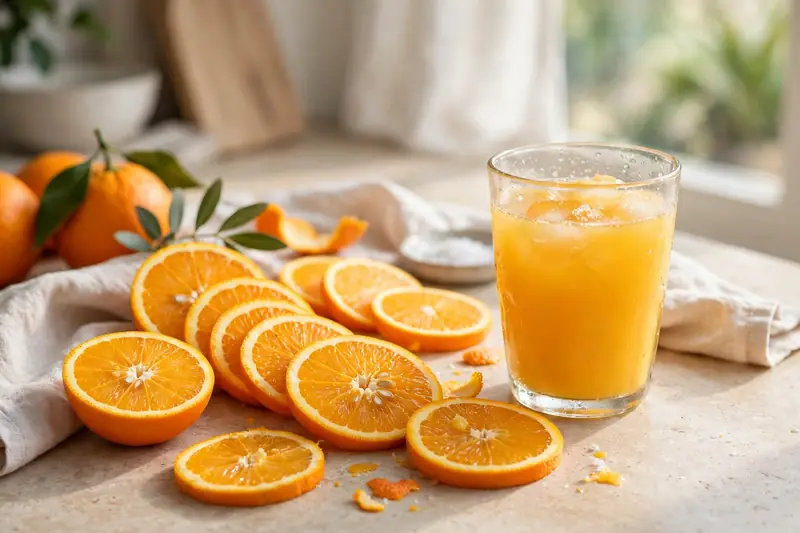
A lap or two of fresh orange juice will not poison a dog, but expect possible drooling, lip-smacking, or a skipped meal afterward in sensitive dogs. Lemon and grapefruit juice are worse on the acidity scale and offer even less reason to share. The peel and seeds of citrus fruits contain oils that irritate in larger amounts, so if you squeeze fresh, keep the dog away from the rinds. Given that citrus brings acidity without any benefit the dog cannot get from a blueberry, it sits firmly in the “why bother” category. Our orange juice guide goes deeper on citrus specifics.
The store-bought label traps
The juice aisle is where a mostly harmless treat turns risky. “No added sugar” still means roughly 24 grams of natural sugar per cup. “From concentrate” means the same sugar with more processing. Added-sugar varieties push the number higher, along with preservatives and artificial colors a dog has no use for.
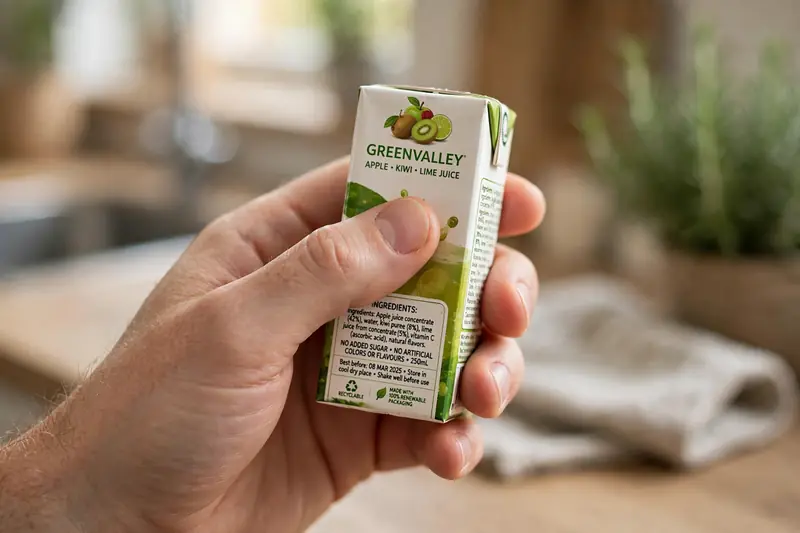
The real trap is the sugar-free version. Some diet and “zero sugar” juices use xylitol, also labeled as birch sugar, as the sweetener. Xylitol is extremely toxic to dogs. It triggers a massive insulin release that crashes blood sugar, and larger amounts can cause liver failure. The Pet Poison Helpline’s xylitol page warns that even small amounts can be dangerous, which is why the ingredient list matters more than the front of the carton. Read every label. If you see xylitol, birch sugar, or any sweetener you do not recognize, the juice stays on the shelf.
Homemade juicing rules
If you want to share juice, the safest version is the one you make yourself, because you control everything in it. Wash the fruit, remove all seeds, cores, pits, and stems, and juice only flesh from fruits your dog can already eat safely.
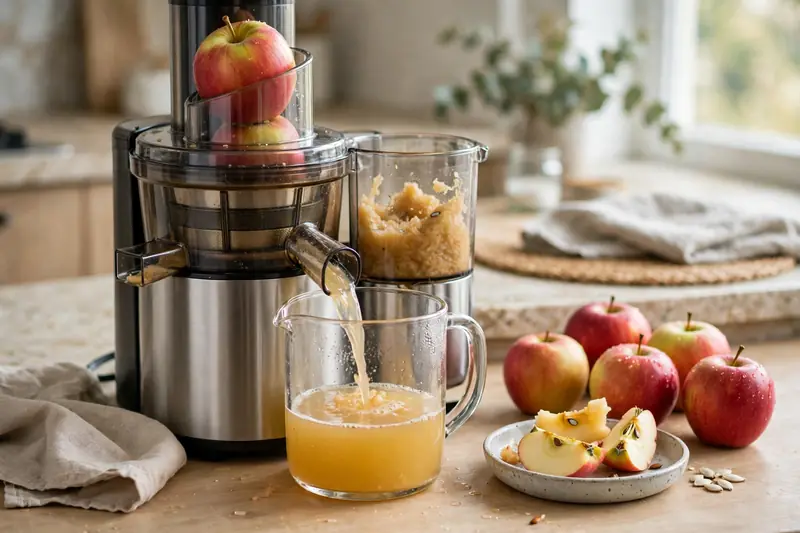
Apple and watermelon juice cleanly, and both sit on the safe list as whole fruits. Remove watermelon seeds and rind first; our watermelon guide covers the prep. Dilute the result half and half with water, which stretches a tablespoon of juice into a satisfying small bowl. Skip the pulp-heavy blends with added ingredients, and never juice grapes, raisins, or anything from the toxic foods list.
How much juice is too much
Treat juice like a condiment, not a beverage. For a small dog, a tablespoon of diluted juice is plenty. Medium dogs can handle a couple of tablespoons. Large dogs can have a small splash, perhaps a quarter cup diluted, and none of this more than once or twice a week.
Frequency matters more than the single serving. A tablespoon every day becomes a habit, and habits become calories, and calories become weight. Save juice for real occasions: a hot afternoon, a pill that needs masking, a senior dog that needs coaxing to drink. Puppies under six months should skip juice entirely. Their digestion is still settling, and they have even less margin for sugar. Diabetic dogs should skip it too, unless the vet specifically approves, because the sugar spike is the opposite of what their management needs.
Better ways to give your dog fruit
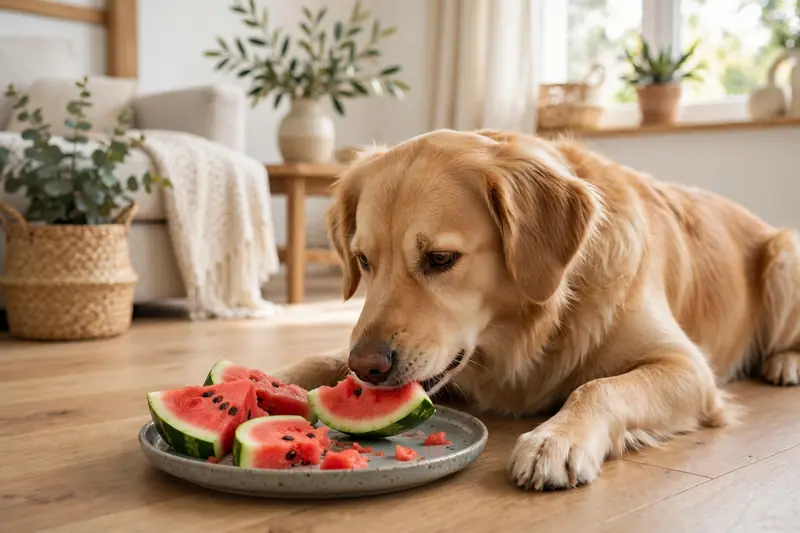
Whole fruit beats juice in every comparison that matters. An apple slice delivers fiber that slows sugar absorption, satisfies chewing, and carries a fraction of the sugar per satisfying bite. Watermelon chunks hydrate with mostly water. Blueberries are the training-treat gold standard for a reason: tiny, low calorie, and dogs love the chase.
If the goal is hydration, plain water wins outright, and our complete guide to what dogs can drink ranks every option. If the goal is flavor, freeze diluted juice into ice cubes for the water bowl on hot days. And if your dog ignores the whole arrangement, that is fine. Dogs do not need fruit at all. The milk question comes up just as often, and the answer there is similarly measured.
Fruit itself beats juice every time. A few blueberries or apple slices deliver the flavor dogs enjoy with the fiber that slows sugar down, and the chewing keeps them busy. Save juice for the occasional tiny taste, read every label for xylitol and added sugar, and keep grape juice out of the house routine entirely.
Frequently asked questions about dogs and juice
Owners usually ask about specific juices, puppies, and what to do after a scare. The answers below cover the questions that come up most.
Can dogs drink apple juice?
Yes, in small amounts. Plain, unsweetened apple juice is not toxic, but keep it to a tablespoon or two diluted with water, offered rarely. Too much can cause loose stools because of the natural sorbitol in apples.
Can dogs drink orange juice?
A lap or two will not poison a dog, but citrus juice is acidic and can upset the stomach. Most dogs dislike the taste. There is no nutritional reason to offer it, so plain water or a dog-safe fruit is the better pick.
What should I do if my dog drank grape juice?
Call your veterinarian or a pet poison hotline immediately. Note how much was drunk and when. Do not wait for symptoms and do not induce vomiting unless a professional tells you to. Early treatment with IV fluids gives the kidneys the best chance.
Can dogs drink cranberry juice?
Plain, unsweetened cranberry juice in tiny amounts carries no toxin, though most cranberry juice cocktail is loaded with added sugar. It does not treat urinary infections in dogs the way some owners hope. Ask your vet about the urinary issue directly instead.
Can puppies drink juice?
Puppies under six months should skip juice. Their digestive systems are still maturing, and sugary drinks can cause diarrhea more easily in young dogs. Stick to fresh water and puppy-appropriate food.

Juice earns a cautious, narrow yes. A splash of plain apple or watermelon juice, diluted and rare, is a harmless novelty. Grape juice is never allowed near a dog, sugar-free versions with xylitol are poison, and the daily drink stays what it has always been: fresh water. Keep the juice habit occasional and the labels honest, and there is little to worry about.
Disclaimer: This article is for general information only and is not veterinary advice. Every dog is different, and dogs with health conditions such as diabetes or kidney disease may need different guidance. If your dog drinks grape juice or shows symptoms after any juice, contact your veterinarian promptly.

1 thought on “Can Dogs Drink Juice? Which Juices Are Safe and Which to Avoid”