On August 28, the FDA posted a voluntary recall covering two lots of frozen chicken pet food from Northwest Naturals of Portland, Oregon. Two lots of Northwest Naturals frozen chicken pet food were recalled after FDA testing found Salmonella and Listeria contamination. One lot tested positive for Salmonella, the other for both Salmonella and Listeria monocytogenes, and no illnesses had been reported at the time of the announcement. If you feed frozen raw food, this is worth five minutes of your time.
Was there a frozen chicken dog food recall
Yes. Northwest Naturals voluntarily recalled two lots of frozen chicken pet food on August 28 after FDA sample testing found bacterial contamination. The recall covers one lot of Frozen Chicken Recipe (a cat food also sold as a protein topper for dogs) and one lot of Frozen Raw Diet for Dogs Chicken Recipe.
The cat food lot tested positive for Salmonella, while the dog food lot tested positive for both Salmonella and Listeria monocytogenes, and the company reported no illnesses in connection with either lot when the recall was announced. Recalls of this kind are voluntary, which means the company pulled the product itself after the test results came in, with the FDA publishing the notice.
Exactly which products and lots were recalled
Only the two lots below are affected. Check the lot code, best-by date, and UPC on your bag, since recalls name exact lots for a reason. If none of the three identifiers match, your bag is not part of this recall.

| Product | Lot | Best by | UPC |
|---|---|---|---|
| Northwest Naturals Frozen Chicken Recipe, 2 lb bag (cat food, also a topper for dogs) | B-5 | 01/26/2028 | 087316384956 |
| Northwest Naturals Frozen Raw Diet for Dogs Chicken Recipe, 6 lb bag | B-19 | 01/25/2028 | 087316380392 |
The recall covers 53 cases (1,272 pounds) of the cat food recipe and 19 cases (684 pounds) of the dog food recipe. The lot code is printed on the bag, usually near the best-by date on the back panel. Do not go by the product name alone. Recalls are lot-specific, and the same product from any other lot is not included.
If the numbers match, stop feeding the bag immediately, even if your dog seems fine. Bacteria do not change how the food looks or smells.
Why these products were recalled: Salmonella and Listeria explained
Salmonella and Listeria monocytogenes are bacteria that cause foodborne illness in people and animals. Salmonella in dogs typically brings vomiting, diarrhea (sometimes bloody), fever, and lethargy. Listeria is less common in dogs but more dangerous when it strikes, with the potential for serious systemic infection.
Raw pet food carries these bacteria more often than cooked food because nothing in the process kills them. The contamination came to light through routine FDA sample testing, not through sick dogs, which is actually the system working as designed: the testing caught the problem before a pattern of illnesses forced the issue. The FDA’s recall notice for the Northwest Naturals products lists both lots, the test findings, and the company’s contact information.
People handling the food face risk too. Salmonella spreads through contact with the food, the bowl, and anything the raw food touches. That is why every raw recall notice doubles as a hygiene reminder for the humans in the house.
How to check your freezer in five minutes
Pull every bag of Northwest Naturals frozen food out of the freezer and work through this sequence. First, find the product name and confirm it is one of the two listed above. Second, read the lot code and compare it to B-5 or B-19 exactly. Third, check the best-by date and the UPC as a cross-check.
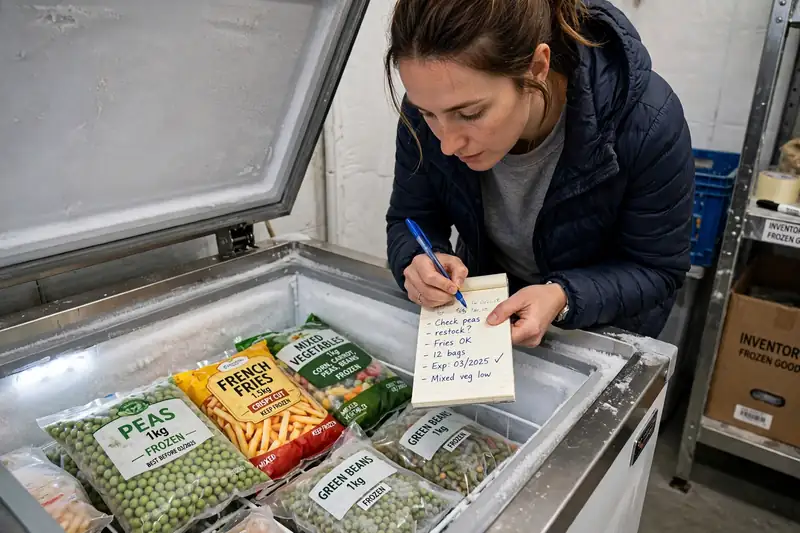
Photograph the lot code panel before you do anything else, because the photo protects you if the bag gets thrown out and you later need proof of purchase for a refund, and it gives your vet exact information if your dog gets sick. Check the whole freezer, not just the open bag. Unopened bags from the same lot are recalled too.
If you buy from a local pet store, call and ask whether they stocked these lots. Retailers are supposed to pull recalled product, but small shops sometimes miss a notice. Your call helps them and other customers.
What to do if you have a recalled bag
Stop feeding it immediately and seal the bag shut. Do not donate it. Do not feed it to another animal. And do not try to cook out the bacteria for the dog.
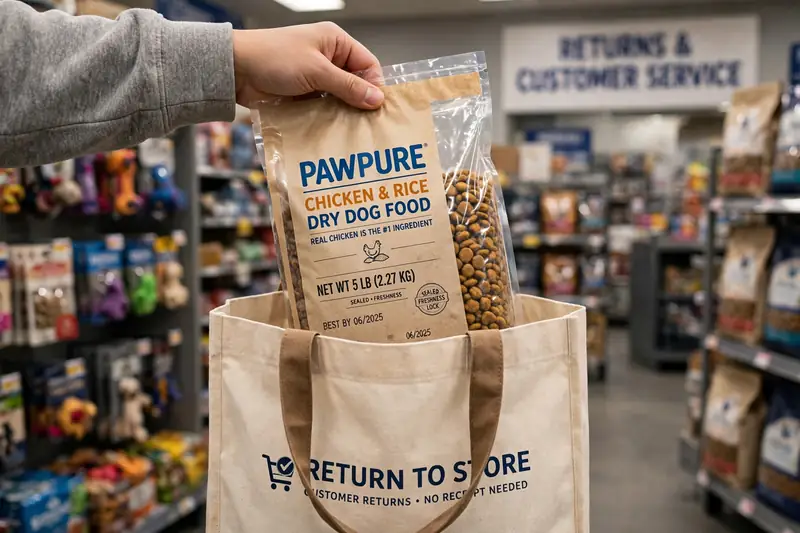
Return it to the store where you bought it for a refund or replacement, following the company’s recall instructions.
Then clean everything the food touched. Wash bowls, scoops, storage containers, and countertops with hot soapy water. Wash your hands thoroughly after handling the bag.
If the food thawed on a counter or in the fridge, sanitize that surface too. Listeria survives refrigeration and can linger on surfaces, so this step is not optional.
Keep the lot photo and the receipt if you have it. If your dog ate from the recalled lot, note the dates fed and watch for symptoms over the next several days. Most dogs exposed to Salmonella show signs within 12 to 72 hours, though some carry it without obvious illness.
Signs of Salmonella or Listeria illness in dogs
Watch for vomiting, diarrhea, fever, lethargy, and loss of appetite. Bloody diarrhea in dogs is a red flag that warrants a prompt vet visit rather than home watching. Some dogs develop abdominal pain and refuse food for a day or more.

Mild cases can look like ordinary stomach upset, which is why the lot connection matters. A dog with gastroenteritis in dogs after eating a recalled lot needs the vet to know about the recall, because the treatment and the reporting change. Puppies, senior dogs, and dogs with weakened immune systems face higher risk of severe illness.
Call your vet if symptoms appear, and mention the recall by name with the lot code. The vet may want a stool sample to confirm the bacteria. Keep the dog hydrated and do not start antibiotics on your own. Antibiotics are a vet decision, and unnecessary use can do more harm than good.
The pattern: frozen raw recalls keep happening
The Northwest Naturals recall did not arrive alone. Oma’s Pride recalled a lot of Woof Complete Canine Chicken Recipe, a frozen raw food, after FDA testing found Salmonella. That recall covered 639 bags of lot BB012729 with a best-by date of 1/27/2029, distributed across 11 states, and three dogs fell ill in connection with it.

Earlier in the year, Albright’s Raw Pet Food recalled a lot of its Chicken Recipe for Dogs after a Salmonella finding in FDA routine testing, with no illnesses reported. The thread connecting all three is the product type: frozen raw food, where bacteria survive the cold chain intact.
This pattern is worth understanding rather than fearing. Raw feeding has devoted followers, and many dogs eat raw for years without incident. But the recall record shows the risk is real and recurring, concentrated in exactly the products marketed as minimally processed. If you feed raw, the recall-checking habit below is not optional for you.
Freezing does not kill these bacteria
Here is the misconception that makes frozen raw recalls surprising. Freezing pauses bacterial growth. It does not kill Salmonella or Listeria.

The bacteria go dormant in the freezer and wake up when the food thaws, fully capable of causing illness. That is why a frozen product can be recalled for contamination just like a fresh one.
Cooking is what kills them. Heat to proper internal temperatures destroys both organisms, which is why cooked chicken carries a fraction of the risk. Owners curious about raw chicken for dogs should understand this tradeoff clearly: raw preserves nutrients and texture that cooking changes, and it preserves the bacteria that cooking destroys.
This also explains the handling rules. Thaw raw food in the refrigerator, never on the counter. Use thawed food promptly.
Treat every surface it touches as contaminated until washed. The freezer is a pause button, not a kill step.
Safe handling rules for raw dog food
Treat raw dog food the way you treat raw chicken for your own family. Wash your hands with soap for at least 20 seconds after handling it. Use separate cutting boards and utensils, or wash them in hot soapy water immediately after. Disinfect countertops where raw food sat.
Feed in a bowl, not scattered, and pick the bowl up after the meal. Wash the bowl with hot soapy water after every feeding, not once a day. Store raw food sealed, on a low fridge shelf where drips cannot fall onto other food. Keep children away from the feeding area until everything is cleaned.
If anyone in the house is pregnant, elderly, very young, or immunocompromised, take the risk conversation to your vet before feeding raw at all. These are the people Salmonella and Listeria hit hardest, and the dog’s bowl is a transmission route into the household. For most families, how to boil chicken for dogs gives the protein benefits of chicken with the bacteria handled by heat.
How to check any pet food recall yourself
Bookmark the FDA’s recall listings and check them the way you check the weather before a trip. The FDA publishes every animal food recall notice with the product, lots, dates, and company contacts. When a recall breaks in the news, the FDA notice is the primary source, and everything else is commentary.

Read the notice itself, not just the headline. Headlines say “dog food recalled.” The notice says which lots, which sizes, which dates, and what to do. That precision is the difference between throwing out a safe bag and feeding a recalled one.
If your dog gets sick from a food, the FDA’s guide to reporting a pet food complaint walks through filing a report. Keep the bag, note the lot, save your vet records. The FDA’s animal food program runs on reports like yours, and recalls often start with an owner who noticed something wrong. For general questions about a pet product problem, the FDA’s advice on reporting pet product problems covers where each type of complaint goes.
Frequently asked questions about the frozen chicken recall
Owners usually ask about scope, refunds, and what raw feeding means going forward. The answers below cover the repeat questions.
Is all Northwest Naturals food recalled
No. Only the two lots in the table above: lot B-5 of the Frozen Chicken Recipe and lot B-19 of the Frozen Raw Diet for Dogs Chicken Recipe. Every other lot and product from the company is outside this recall.
Can I get a refund for a recalled bag
Yes. Return the bag to the retailer where you bought it and follow the company’s recall instructions for a refund or replacement. Keep your lot photo and receipt to make the process smooth.
My dog ate the recalled food and seems fine. Now what
Watch closely for vomiting, diarrhea, fever, or lethargy over the next several days, and tell your vet about the exposure even if no symptoms appear. Some dogs carry Salmonella without obvious illness but can still shed the bacteria. Keep up the hygiene routine around the dog.
Does cooking recalled raw food make it safe
No. Do not try to salvage a recalled bag by cooking it. Recalled product should be returned or thrown out sealed. Cooking advice like plain cooked chicken for dogs applies to fresh chicken you bought yourself, not to product under recall.
Where do I report a problem with my dog’s food
File a report with the FDA through its pet food complaint process, and tell your vet. Include the product name, lot code, where you bought it, and your dog’s symptoms with dates. Your report helps regulators spot patterns.
Should I stop feeding raw entirely
That is a personal decision to make with your vet. Raw meat diets for dogs carry documented bacterial risks alongside their devotees’ reported benefits. If you continue, commit to the handling rules above and the habit of checking recall notices regularly.
Recalls are the safety net working, not the system failing. The testing caught contaminated lots before illnesses piled up, and the notice gave owners exact lots to check. Keep the five-minute freezer check in your routine, handle raw food like the raw meat it is, and the next recall notice will be a chore rather than a scare.
Disclaimer: This article is for general information only and is not veterinary advice. Recall details come from the FDA notice linked above; check the notice itself for the latest information. If your dog ate a recalled product or shows symptoms, contact your veterinarian promptly.