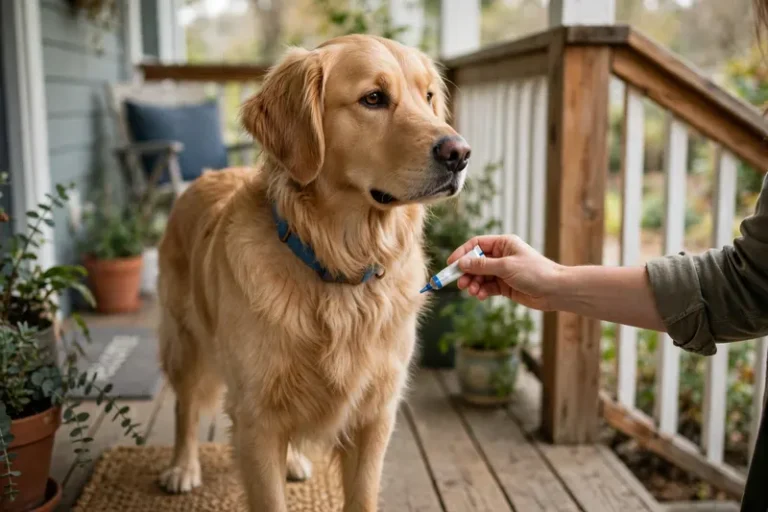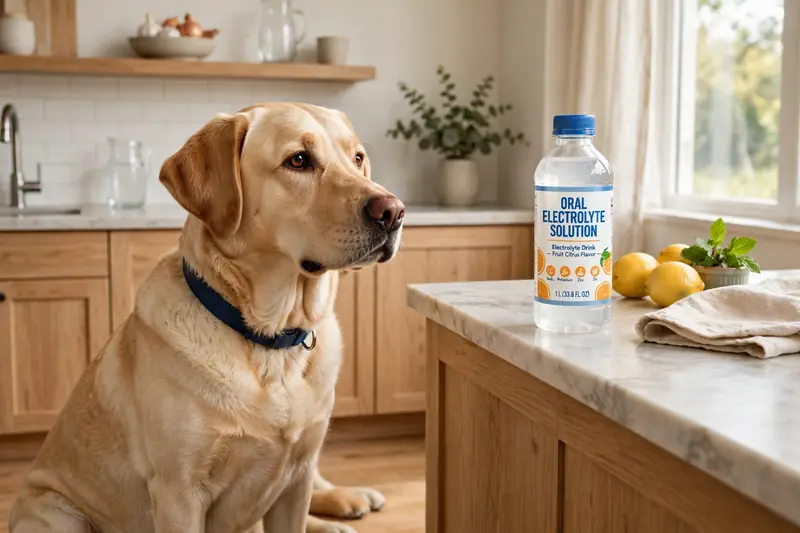
The most honest sentence in the Pedialyte debate comes from a veterinarian: there are currently no veterinary studies on giving Pedialyte to dogs. The internet recommends it constantly, vets mention it routinely, and the evidence behind all of it is clinical experience plus extrapolation from children. Unflavored Pedialyte, diluted and given in small amounts, is considered safe for short-term use in dogs, but it is not proven better than water and never replaces veterinary care. This guide separates what is known from what is assumed.
The short answer: can dogs drink Pedialyte?
Most dogs can safely drink small amounts of diluted, unflavored Pedialyte for a short time. It replaces water, dextrose, sodium, potassium, and chloride lost to vomiting or diarrhea. But it should not be the first thing you reach for, flavored versions can contain the dog-killing sweetener xylitol, and any dog that is seriously ill needs a vet, not a bottle.
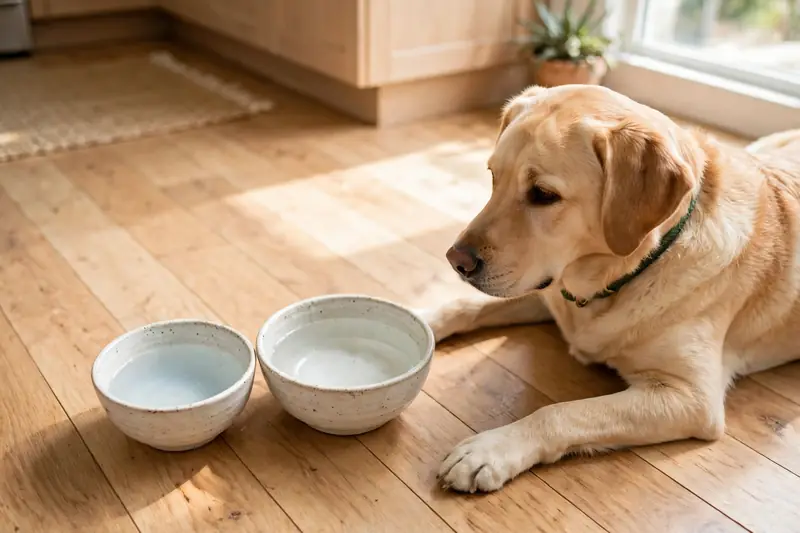
Integrative veterinarian Dr. Julie Buzby puts the hierarchy plainly: Pedialyte is acceptable in some situations, yet it would not be her first, second, or even third choice for a dehydrated dog. That framing is the right one. Pedialyte is a reasonable improvisation when you have it on hand and the dog is mildly off, not a treatment plan. Keep plain water available at all times, offer Pedialyte only alongside it, and stop once the dog drinks water normally. Our guide to what dogs can drink puts it in context with every other option.
What Pedialyte actually is
Pedialyte is an oral electrolyte solution developed for dehydrated children. The unflavored version contains water, dextrose (a simple sugar), sodium, potassium, chloride, and zinc. Each ingredient has a job: the salts replace electrolytes lost in fluid, and the small amount of sugar helps the gut absorb water and sodium together.

Compared with sports drinks, the formula is gentler. Pedialyte carries less sugar and a more balanced salt profile than Gatorade, which is why vets who accept improvisation usually name Pedialyte first. Our Gatorade guide covers that comparison in full. But “made for children” is still not “made for dogs.” A child’s electrolyte needs and a dog’s differ, and the product was never tested for canine use. That gap between “better than Gatorade” and “proven for dogs” is where the honest conversation lives.
The uncomfortable truth: no studies in dogs
This is the complicating fact most Pedialyte articles skip. Dr. Buzby notes that no published veterinary studies evaluate Pedialyte in dogs. The studies that do test oral electrolyte replacement in dogs use products formulated specifically for dogs, not the human product from the pharmacy shelf.

What does that mean in practice? The safety record is anecdotal and clinical, which counts for something but proves less than a trial. It also means there is no official canine dosage, only rules of thumb passed between vets and owners. And it means the claim “Pedialyte is better than water for a mildly dehydrated dog” has no study behind it either. Some veterinary commentators argue plain water works just as well for mild cases, and nothing in the literature contradicts them. None of this makes Pedialyte dangerous. It makes it unproven, which is a different and more useful thing to know before you rely on it.
Unflavored vs flavored: the label that matters most
If you take one rule from this article, take this one: only unflavored Pedialyte, never the flavored kind. Flavored varieties can contain xylitol, also labeled as birch sugar, an artificial sweetener that is extremely toxic to dogs. Xylitol triggers a massive insulin release that crashes blood sugar within minutes, and larger amounts can cause liver failure.
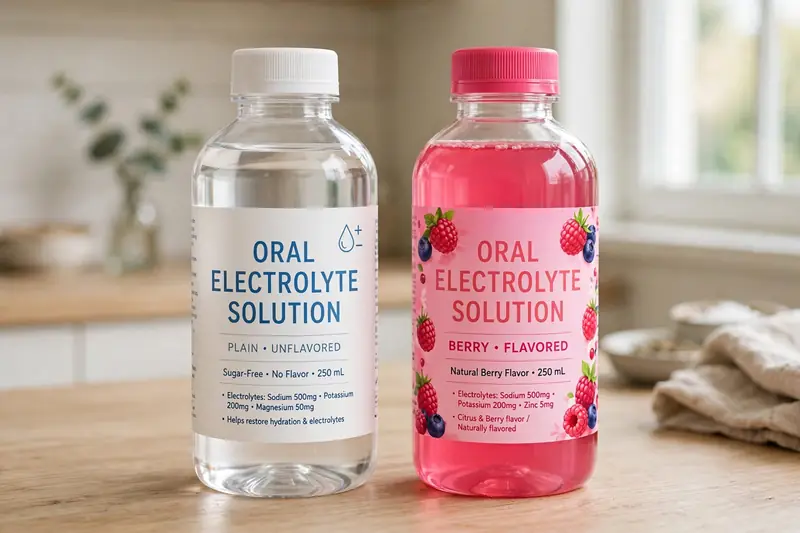
The Pet Poison Helpline warns that even small amounts of xylitol can be dangerous, which makes the flavored bottle a far bigger threat than the dehydration you were trying to treat. The ASPCA’s people-foods list names xylitol among the items that never belong in a pet’s diet. Read the ingredient panel every time, even on a brand you have bought before, because formulations change. Powder packs and freezer pops follow the same rule: unflavored only, label checked, no exceptions. This is also why our toxic foods list deserves a permanent spot on your fridge.
When Pedialyte can help
The reasonable use case is a dog with mild fluid loss that is still drinking and still fairly bright: a day of soft stool, a single vomiting episode followed by recovery, a hot day where the dog drank less than usual. In those situations, diluted unflavored Pedialyte offered alongside water may encourage drinking and replace some lost salts.

“Mild” needs the same strict definition as ever. The dog is alert, interested in water, and the symptoms are already easing. Pedialyte is a comfort measure for the recovery phase, not an intervention for the crisis phase. Think of it as making the water bowl slightly more interesting and slightly more useful for a few hours. If the dog perks up and returns to normal drinking, the Pedialyte did its small job. If nothing changes, the situation was never in Pedialyte’s league to begin with.
How to give it: dilution, amounts, timing
Dilute unflavored Pedialyte about one to one with plain water. The dilution softens the sugar and salt load closer to what a dog needs and stretches the bottle. Offer small amounts frequently rather than a bowlful at once: roughly a tablespoon per 10 pounds of body weight, once an hour, is the commonly cited rule of thumb.

Some sources suggest capping the total around 8 ounces (240 milliliters) per day for an average dog, with more for large dogs and less for small ones, but remember there is no official canine dose. Your vet can calculate an exact amount for your dog’s weight, and a quick call beats guessing. Always keep plain water available next to the Pedialyte. If the dog chooses water, that is a good sign, not a failure. Stop the Pedialyte once normal drinking resumes, and never use it as a daily supplement. Electrolytes in excess can strain the kidneys, which is the opposite of helping.
When Pedialyte makes things worse
Pedialyte is the wrong move in several situations. A dog that is actively vomiting cannot keep it down, and offering fluids by mouth just restarts the vomiting cycle while deepening dehydration. Diabetic dogs face the dextrose problem: even the modest sugar in Pedialyte can spike blood glucose.

Dogs with heart disease, kidney disease, or high blood pressure are sensitive to the sodium load, and extra salt can worsen their condition. Here is the counterintuitive one: dogs with heat stroke often have higher than normal electrolyte levels already, and adding more can worsen the imbalance. Senior dogs, pregnant dogs, and nursing dogs all deserve a vet’s word before any electrolyte product. The pattern is consistent: the sicker the dog, the less room for improvisation. A bland diet and professional guidance beat a bottle in every one of these cases.
Pedialyte vs water vs dog-specific products
Plain water remains the default for mild dehydration, and several veterinary commentators consider it just as effective as Pedialyte for dogs that can drink normally. Water has no sugar to spike glucose, no sodium to burden kidneys, and nothing to disagree with a sensitive stomach. When a dog will drink water willingly, water is the answer.

Dog-specific electrolyte products are the best commercial option. They are formulated for canine electrolyte needs and avoid the sweetener question entirely. Ask your vet which one to stock before you need it. Pedialyte ranks between the two: better formulated than sports drinks, less ideal than water or a canine product. Homemade electrolyte solutions get mentioned online, but recipes vary and the ratios matter, so get the formula from your vet rather than a comment section. And the AKC’s guide on milk for dogs is worth a read if drink questions keep coming up in your house.
Red flags that skip home care entirely
Some situations go straight past the Pedialyte question to the car. Repeated vomiting, bloody vomit or stool, and bloody diarrhea all need immediate veterinary care. A dog that refuses water entirely cannot be rehydrated by mouth at home.

Lethargy, weakness, difficulty standing, sunken eyes, and pale or tacky gums signal dehydration that oral fluids will not fix. Puppies crash faster than adults, so treat any fluid loss in a young dog as urgent. Severe dehydration needs intravenous fluids and diagnosis of the underlying cause, which only a clinic provides. The VCA’s feeding guidelines remind owners that extras should never displace proper nutrition and care. If you are unsure which side of the line your dog is on, the vet visit is the answer. Uncertainty is itself a red flag.
Pedialyte earns its place as a short-term bridge, not a treatment. When a dog is mildly dehydrated from a brief stomach upset, the unflavored version can help until the vet takes over. It cannot fix the cause, it is not meant for daily use, and the flavored versions bring sweeteners that create new problems. Watch the dog, not the bottle: energy, gum color, and skin elasticity tell you more than any label. If the signs point past mild, skip the home shelf and call the vet. Dehydration moves fast in small dogs and puppies. Small bodies dehydrate fast.
Frequently asked questions about dogs and Pedialyte
Owners usually ask about puppies, daily use, and the flavored versions. The answers below cover the questions that come up most.
Can puppies drink Pedialyte?
Puppies dehydrate faster and suffer worse effects than adult dogs, so a sick puppy should be assessed by a vet promptly. Do not try to manage a fading puppy on Pedialyte at home. The margin for error is too small.
How much Pedialyte can I give my dog per day?
There is no official canine dose. The common rule of thumb is about a tablespoon of diluted Pedialyte per 10 pounds of body weight per hour, with some sources capping the day around 8 ounces for an average dog. Ask your vet for an exact amount for your dog’s weight.
Can I give my dog Pedialyte every day?
Daily Pedialyte is a bad idea. It is a short-term aid for mild fluid loss, not a daily supplement. Excess electrolytes can strain the kidneys, and daily use would mask whatever is actually wrong. If your dog needs it often, the underlying issue needs diagnosis.
Is flavored Pedialyte safe for dogs?
Flavored Pedialyte is not safe. Flavored varieties can contain xylitol, which is highly toxic to dogs and can cause a fatal blood sugar crash and liver failure. Use only unflavored Pedialyte, and read the ingredient label every time.
What about Pedialyte powder packs?
The same rules apply: unflavored only, label checked for xylitol or birch sugar, diluted one to one with water. The powder form is convenient to store, which makes it a reasonable item for a pet first-aid kit once your vet approves.
My dog drank a lot of Pedialyte. Should I worry?
A healthy dog that overdrank diluted unflavored Pedialyte will most likely be fine, though excess electrolytes can cause stomach upset. Watch for vomiting or lethargy, offer plain water, and call your vet if anything seems off. The worry case is flavored Pedialyte with xylitol, which needs immediate veterinary attention.

Pedialyte is a useful improvisation with honest limits. Unflavored, diluted, small amounts, short term, mild cases only: inside those guardrails it is considered safe. Outside them, or in a flavored bottle, it ranges from unhelpful to dangerous. Water does most of the real work, dog-specific products do it better, and the vet does what no bottle can. Keep unflavored Pedialyte in the cupboard if your vet approves, and keep the label-reading habit sharper than the bottle.
Disclaimer: This article is for general information only and is not veterinary advice. Pedialyte is not a substitute for veterinary care. Dogs with diabetes, heart disease, kidney disease, or severe dehydration need professional treatment. If your dog may have ingested xylitol, seek emergency veterinary care immediately.