
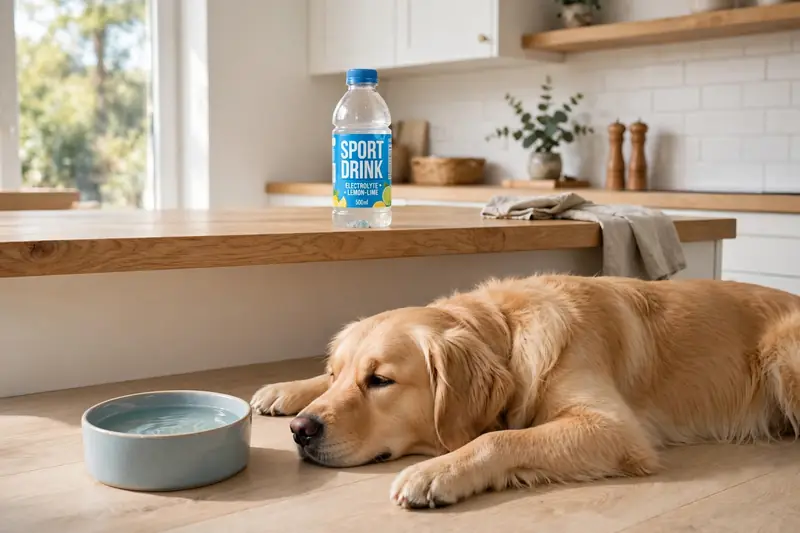
Yes, a sick dog can have a little Gatorade without being poisoned. But here is the part that matters most: plain water does the same job better in most cases, and Gatorade’s sugar and sodium were calibrated for a sweating human athlete, not a panting dog. Small amounts of regular Gatorade are not toxic to dogs, yet it should never replace water or veterinary care. This guide covers what is actually in the bottle, the narrow situations where it helps, and the better options for a dehydrated dog.
The short answer: can dogs drink Gatorade?
Dogs can drink small amounts of regular Gatorade without poisoning themselves. Its electrolytes, mainly sodium and potassium, can help replace what a dog loses through vomiting or diarrhea. But Gatorade is high in sugar, it was formulated for human sweat, and it should only be used briefly, diluted, and ideally with a vet’s guidance. Our guide to what dogs can drink ranks the safer options first.

Veterinary sources split on this one, and the split is worth stating plainly. Some vets say a little diluted Gatorade is a reasonable short-term aid for a dog with mild stomach upset. Others say skip it entirely and use plain water or a product made for dogs. Both camps agree on the core point: Gatorade is not dangerous in small amounts, and it is not a treatment. If your dog is clearly dehydrated, the answer is a vet visit, not a sports drink. The rest of this guide is about the narrow middle ground where a few sips make sense.
What is actually in the bottle
A standard 20-ounce bottle of Gatorade Thirst Quencher contains about 34 grams of sugar, 140 calories, 270 milligrams of sodium, and 75 milligrams of potassium, plus artificial colors and flavors. That is more sugar than a can of cola, a drink nobody would offer a dog. The electrolytes are real but modest. The sugar is the dominant ingredient by weight.
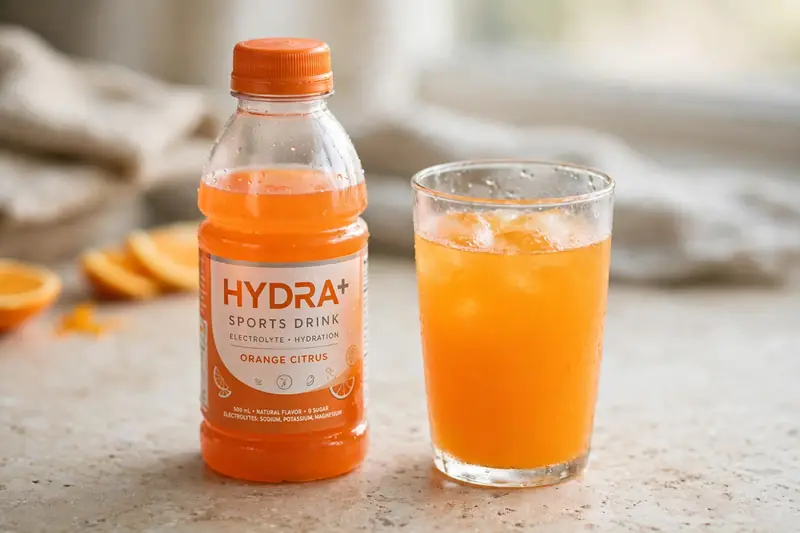
Those numbers explain the whole debate. The sodium and potassium can help a dog that is losing fluids, which is the argument for it. The 34 grams of sugar can upset the same dog’s stomach further, which is the argument against it. Sugar also worsens diarrhea in some cases, because concentrated sugar in the gut pulls water the wrong way. So the bottle contains both the help and the harm, and the ratio was never designed with a dog’s gut in mind. Reading the label is non-negotiable: flavors vary, and sugar-free versions swap the sugar for artificial sweeteners that bring their own questions.
Built for sweat, not for panting
Gatorade exists because human athletes sweat out large amounts of sodium. A marathon runner can lose over a gram of salt per hour through sweat, and the drink was engineered to put it back. Dogs cool themselves by panting instead of sweating, which loses water with very little salt.

That single physiological difference is why the formula fits dogs poorly. A dog losing fluid through vomiting or diarrhea needs water first, and its electrolyte losses differ from a sweating human’s. Pouring a human-calibrated sodium load into a dog that did not lose that sodium can push levels the wrong way, especially in dogs with heart or kidney conditions. A few sips will not harm a healthy dog. Still, Gatorade is never the ideal tool, only an available one. Dogs evolved to rehydrate on water. Everything else is improvisation.
When a little Gatorade makes sense
The use case is narrow: a dog with mild vomiting or diarrhea that is still drinking, still reasonably bright, and keeping some fluids down. In that situation, a small amount of diluted Gatorade can encourage drinking and replace some lost electrolytes while you monitor. Offer a bland diet once the stomach settles and the dog keeps water down.

“Mild” is doing heavy work in that sentence. It means a single episode of vomiting or a day of soft stool in an otherwise normal dog. It does not mean repeated vomiting, bloody stool, a dog that refuses water, or a puppy that is fading. Those situations need a vet, and Gatorade becomes a delay tactic that wastes the window for real treatment. Think of it as a bridge for a few hours, not a plan. If the dog is not clearly improving within half a day, the bridge has done all it can do.
How to serve it safely
Dilution is the whole technique. Mix regular Gatorade about half and half with plain water, which cuts the sugar and sodium to more reasonable levels while keeping enough flavor to interest the dog. Offer small amounts frequently rather than a full bowl at once: a few tablespoons for a small dog, up to a quarter cup for a large dog, every 10 to 15 minutes.

Always keep plain fresh water available alongside it. The dog should be choosing, not forced, and many dogs will pick the water once the novelty fades. Stop the Gatorade as soon as the dog drinks water normally again. Never let it become a daily drink. One more practical note: stick to the regular formula for this purpose. The sugar-free versions are a separate question with a worse answer, covered next.
The sugar-free trap
Gatorade Zero and similar sugar-free sports drinks replace sugar with artificial sweeteners, which sounds like an upgrade and is not. Some sugar-free drinks and drink mixes use xylitol, also labeled birch sugar, and xylitol is severely toxic to dogs. It triggers a massive insulin release that crashes blood sugar, and larger amounts can destroy the liver.
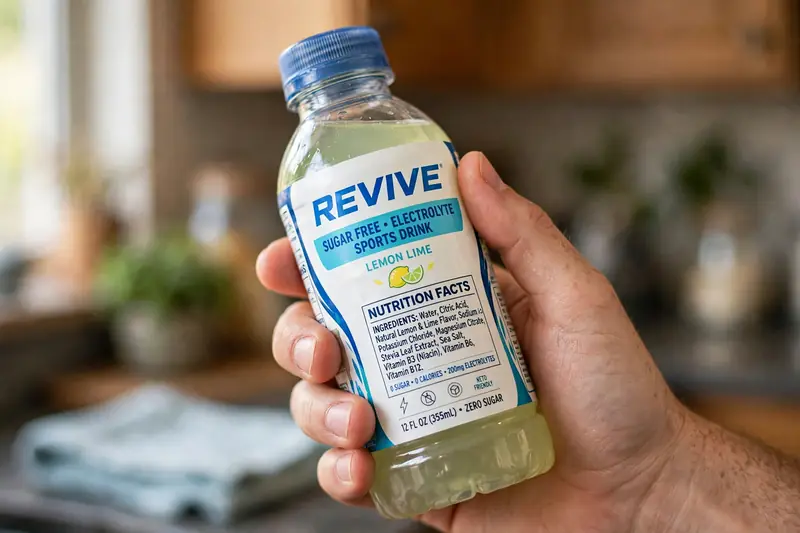
The Pet Poison Helpline’s xylitol page warns that even small amounts can be dangerous, so the label check is not optional. Read the ingredient list on any sugar-free or “zero” product before it goes near your dog. If you see xylitol or birch sugar, the bottle stays sealed. Xylitol sits on our toxic foods list for good reason. The ASPCA’s people-foods list names xylitol among the items that never belong in a pet’s diet. For a sick dog, the regular sugary version, diluted, is paradoxically the safer pick. That sentence feels wrong until you remember what xylitol does.
Gatorade vs Pedialyte vs plain water
Plain water wins for almost every situation. It hydrates without sugar, without excess sodium, and without anything to disagree with a sensitive stomach. The milk question confuses owners just as often, and the answer follows the same logic: water first. Dogs with mild fluid loss usually recover fastest on water alone, which is the least dramatic and most correct answer.

Pedialyte sits in the middle. Unflavored Pedialyte targets dehydrated children, so its sugar and sodium levels run lower than Gatorade’s, and many vets prefer it as the improvisation of choice. Makers did not formulate it for dogs either, and flavored versions can contain xylitol, so the same label rules apply. Our Pedialyte guide covers the details. Gatorade comes last of the three for canine use: usable in a pinch, diluted, but outclassed by both alternatives. Dog-specific electrolyte products exist too, and they beat all the human options on formulation. If your dog gets dehydrated more than rarely, ask your vet which one to keep on the shelf.
Dogs who should skip Gatorade entirely
Some dogs should not get Gatorade even diluted. Diabetic dogs cannot afford the sugar load, which can spike blood glucose. Dogs with heart disease or kidney disease cannot afford the extra sodium, which can worsen fluid retention and blood pressure. Senior dogs often carry one of these conditions quietly, which is why age alone is a reason to ask the vet first.

Overweight dogs should skip it too, since the calories are pure extra. And any dog that is actively vomiting should not be offered Gatorade or anything else by mouth until the vomiting stops and the vet advises. Pouring fluid into a dog that cannot keep it down just restarts the cycle. The VCA’s feeding guidelines put all extras at about 10 percent of daily calories, a cap that sugary drinks hit fast. When in doubt about your dog’s category, the default is water and a phone call.
Dehydration signs that mean vet, not Gatorade
Learn the checks, because they decide whether the sports drink stays in the fridge. Lift the dog’s lip: healthy gums are moist and pink, while tacky or pale gums signal trouble. Pinch the skin on the back of the neck: in a hydrated dog it snaps back at once, while slow return means fluid loss. Watch energy and appetite: a dehydrated dog goes quiet, then lethargic.

Sunken eyes, panting at rest, and a dry nose paired with lethargy all point the same direction. Puppies dehydrate faster than adults and crash harder, so lower your threshold for young dogs. And do not overcorrect the other way: drinking too much water carries its own risks. No sports drink fixes these signs. Diagnosis and proper fluids do. That means the car, not the bottle. Gatorade has no place in moderate or severe dehydration. It is a comfort measure for mild cases only, and the line between mild and serious is thinner than it looks.
Gatorade works as a rare backup, not a daily drink. For a healthy dog with mild stomach upset, a small amount of the plain version can help bridge the gap until you reach the vet. For everything else, fresh water does the job better, and a vet visit answers the questions a sports drink cannot.
Frequently asked questions about dogs and Gatorade
Owners usually ask about sickness, puppies, and the zero-sugar version. The answers below cover the questions that come up most.
Can I give my dog Gatorade when it is sick?
For mild vomiting or diarrhea in an otherwise bright dog, a small amount of diluted regular Gatorade is acceptable as a short-term aid. It is not a treatment. If symptoms persist beyond half a day, or the dog refuses water, see a vet.
How much Gatorade can a dog have?
Dilute it half and half with water, then offer a few tablespoons for a small dog or up to a quarter cup for a large dog, every 10 to 15 minutes. Always keep plain water available too, and stop once the dog drinks water normally.
Can puppies drink Gatorade?
Puppies dehydrate quickly and should be seen by a vet promptly when sick. Do not try to manage a sick puppy on Gatorade at home. The margin for error in young dogs is too small for improvisation.
Is Gatorade Zero safe for dogs?
Sugar-free versions are not the upgrade they appear. They replace sugar with artificial sweeteners, and some products in this category contain xylitol, which is highly toxic to dogs. Always read the label, and keep any product listing xylitol or birch sugar away from your dog entirely.
Can I freeze Gatorade into ice cubes for my dog?
You can, using the diluted regular formula, as an occasional novelty on a hot day. It is a treat, not hydration therapy. Skip the sugar-free versions for freezing too, for the same sweetener reasons.
What about other sports drinks like Powerade?
The same rules apply. They are built for human sweat, high in sugar or artificial sweeteners, and never formulated for dogs. Plain water or unflavored Pedialyte beats all of them.

Gatorade sits in a narrow space between harmless and helpful: a sugary human drink that a mildly sick dog can tolerate in small diluted sips while you watch and wait. Water does the real work, Pedialyte does the improvisation better, and the vet does the treatment. Keep the bottle for yourself after the run, and keep the dog’s bowl full of fresh water. Drink questions come up constantly; the AKC’s guide on milk for dogs answers the next most common one.
Disclaimer: This article is for general information only and is not veterinary advice. Dogs with diabetes, heart disease, or kidney disease should not receive Gatorade without veterinary approval. If your dog shows signs of dehydration, contact your veterinarian promptly.


2 thoughts on “Can Dogs Drink Gatorade? When Electrolytes Help and When They Hurt”