
A koala can eat a pound and a half of eucalyptus leaves a day, thanks to a body built to flush the plant’s toxins. Your dog’s liver cannot do what a koala’s does. Eucalyptus is toxic to dogs in every form that matters: the leaves, the bark, and especially the concentrated oil. The ASPCA lists the whole genus as toxic, and the compound responsible has a name worth knowing: eucalyptol.

Is eucalyptus safe for dogs
No. Eucalyptus is not safe for dogs, and the answer does not change much between the plant and the products made from it. The ASPCA lists eucalyptus as toxic to dogs, naming eucalyptol as the toxic principle and salivation, vomiting, diarrhea, depression, and weakness as the clinical signs. Leaves and bark both count.
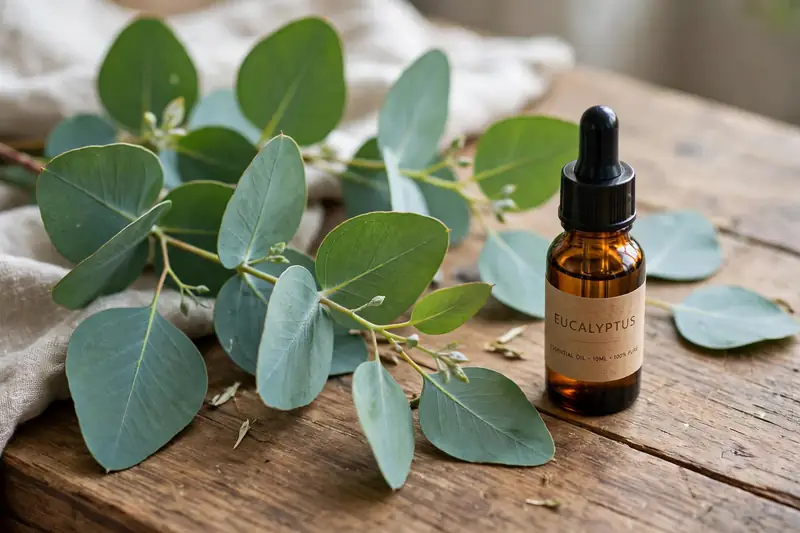
Severity tracks concentration. A dog that chews a fallen leaf will likely face stomach upset. A dog that swallows concentrated eucalyptus oil faces a genuine poisoning emergency with neurological signs. Between those poles sits every diffuser, balm, and cleaning product in your house, which is why this article works form by form.
What makes eucalyptus toxic: eucalyptol
Eucalyptol, also called 1,8-cineole, is the volatile compound that gives eucalyptus its sharp, medicinal smell. It is the plant’s chemical defense system, concentrated in the leaves and distilled into the essential oil at far higher levels. A dog’s liver processes it poorly compared to the specialist herbivores that evolved alongside the tree.

Once absorbed, eucalyptol irritates the gut lining and then goes systemic. The gut takes the first hit: drooling, nausea, vomiting, diarrhea. Higher doses reach the nervous system and the liver, which is where the serious signs begin.
Dogs are not alone in this vulnerability. Cats are even more sensitive to essential oils because they lack a liver enzyme, glucuronyl transferase, that helps clear these compounds. Eucalyptus sits on the toxic list for dogs, cats, and horses alike.
There are over 700 eucalyptus species, and their chemistry varies. Treat them all as unsafe unless your vet says otherwise about a specific product. The species on the label does not make the oil safe.
Eucalyptus oil vs the plant: which is worse
The oil is the concentrated threat. Essential oil packs eucalyptol at levels the plant never reaches, so a few licks of spilled oil or a chewed bottle can deliver a toxic dose fast. Pet Poison Helpline lists eucalyptus oil among oils known to poison dogs, with signs from drooling and vomiting to tremors, wobbliness, seizures, and liver or kidney failure.

The plant is milder but not harmless. Chewing leaves or bark typically produces drooling, vomiting, and diarrhea, and most cases resolve with supportive care. Dried decorative stems carry the same compounds as fresh ones, so the bundle in the vase is not a safer version.
Skin contact deserves its own warning. Undiluted oil on skin causes irritation and chemical burns, and dogs lick. Any oil on fur becomes an oral dose within minutes. Never apply eucalyptus oil to your dog’s coat, paws, or bedding, no matter what a blog suggests.
Signs of eucalyptus poisoning in dogs
Mild exposure announces itself through the gut: drooling, pawing at the mouth, a single episode of vomiting, soft stool. These signs follow leaf-chewing or licking a diluted product, and they often settle once the source is removed. Do not assume they will, though. Watch the dog.

Moderate to severe poisoning looks neurological. Repeated vomiting, wobbliness or loss of coordination, excessive drooling that will not stop, muscle tremors, depression, weakness. Concentrated oil ingestion can progress to seizures, breathing difficulty, and collapse. Kidney damage is a documented risk with large oil doses.
Timing matters. Gut signs can start within an hour or two. Neurological signs may lag behind as the compound absorbs.
Any tremor, seizure, or breathing trouble after eucalyptus exposure is an emergency clinic visit, not a wait-and-see situation. Bring the product or plant with you so the vet knows exactly what and how much.
Diffusers: the rules that keep dogs safe
Here is the nuance that changes the diffuser debate. The ASPCA Animal Poison Control Center explains the essential oil risk with a practical line on diffusers: running one for a short time in a secured area your pet cannot access is not likely to be an issue. The danger is concentrated oil, not a faint scent in a ventilated room.

That sentence comes with conditions doing real work. Secured area means the dog cannot reach the diffuser, knock it over, or drink the water. Short time means intermittent use, not all-day fogging. Ventilation means the room has airflow and the dog can leave.
A small closed bedroom with a diffuser running for hours and the dog shut inside fails every one of those tests.
Dogs with asthma, chronic bronchitis, or collapsing trachea get no diffuser at all. Their airways react to volatile compounds at levels a healthy dog tolerates. Puppies and senior dogs deserve the same caution. When in doubt, diffuse in a room the dog does not use, or skip eucalyptus for a scent with a cleaner safety record.
Where eucalyptus hides in your house
The plant in the vase is the obvious source. The sneaky ones live in the medicine cabinet and the cleaning caddy. Vapor rubs contain eucalyptus oil alongside camphor and menthol, and Pet Poison Helpline flags them as toxic to dogs if ingested. Dogs chew the jar out of curiosity, then face both poisoning and a potential intestinal blockage.

Cough drops are next. Many contain eucalyptus oil and menthol, and some add xylitol, which is toxic to dogs on its own. A dropped cough drop is a double threat.
Shower steamers and bath bombs release concentrated oil into hot steam in a small enclosed space. Cleaning sprays and floor cleaners with eucalyptus scent put residue on surfaces dogs walk and lick.
Liquid potpourri and simmer pots deserve special mention. The VCA’s guide to essential oil and liquid potpourri poisoning covers how heated scented liquids burn mouths and throats when curious dogs drink or spill them. Do a room-by-room audit: bathroom, bedroom diffuser, kitchen simmer pot, cleaning closet. Move every eucalyptus product behind a closed door.
What to do if your dog eats eucalyptus
Remove the source first. Take the plant, close the bottle, get the diffuser out of reach. Check what is missing: count chewed leaves, estimate spilled oil, note the time. Your vet or poison control will ask for all of it.

Call your vet or a poison control center next, and describe the form and the amount. Leaf-chewing with mild drooling may earn a watch-at-home plan. Any oil ingestion, any neurological sign, or any doubt earns a clinic visit.
Do not induce vomiting at home. Veterinary toxicologists warn against home vomiting attempts without direct guidance, and with caustic oils there is an added reason: bringing the oil back up can burn the throat a second time.
While waiting, keep your dog calm and still. Do not offer food, milk, or home remedies. If oil is on the skin or fur, you can gently wipe it with a dry cloth, but skip the bath unless the vet advises it, since wet oil spreads. Save the product label or a sample of the plant for the vet.
Skin contact and diluted products
Some grooming and topical products made for dogs contain eucalyptus in diluted amounts, which confuses owners who read that the plant is toxic. The dose and the formulation decide the risk. A manufactured product with a low concentration, used as directed on intact skin, sits far from a bottle of pure oil. That does not make it risk-free.

Dogs lick, and licking turns a skin product into an oral dose. Read labels like a skeptic. “Contains eucalyptus” tells you nothing about concentration.
Read labels like a skeptic. “Contains eucalyptus” tells you nothing about concentration.
If your dog develops redness, itching, or a rash where a product was applied, wash it off gently and call your vet. Stop using any product your dog tries to lick off obsessively. The same label scrutiny applies to the natural-remedy shelf: peppermint oil and avocado oil each carry their own rules for dogs, and “natural” never means “safe.”
Puppies, pregnant dogs, and dogs with liver disease should skip eucalyptus products entirely, even diluted ones. Their margin for error is the thinnest. When a product is optional and the risk is real, skipping it is the whole decision.
Safer scents and plants instead
You do not have to give up a nice-smelling house or greenery. For plants, the ASPCA’s non-toxic list includes spider plants and Boston ferns, both easy to grow and safe if a curious dog takes a test bite. They give you the trailing-green look of eucalyptus stems without the toxic principle.

For scent, the safest move is ventilation and cleanliness rather than a replacement oil. Simmering plain citrus peels or herbs you have already checked for safety gives a gentle scent without volatile oil concentrates. If you use any scented product, keep the dog’s ability to leave the room non-negotiable.
The broader lesson travels well: check every plant and oil against a poison control database before it enters a dog household. Lilies are toxic to dogs, snake plants cause trouble too, and poinsettias irritate more than most owners expect. For anything that goes in the mouth, keep the human foods dogs can eat list handy as well.
When to call the vet about eucalyptus
Call immediately if your dog swallowed eucalyptus oil, shows tremors, seizures, wobbliness, breathing trouble, or repeated vomiting, or if a puppy or a dog with liver disease was exposed at all. Bring the product, the label, or a sample of the plant. Time and information are the two things that improve outcomes.

A vet visit is also wise for persistent drooling or vomiting after leaf-chewing that does not settle within a few hours, any skin reaction to a eucalyptus product, or diffuser exposure in a dog with respiratory disease. Mild one-off leaf nibbles with no symptoms still deserve a phone call, because the vet may want to know the species and the amount.
Keep your vet’s number and the ASPCA poison control number saved before you need them. Eucalyptus exposure is one of those emergencies where owners lose twenty minutes searching for a number while the dog deteriorates. Put both numbers on the fridge tonight.
Frequently asked questions about eucalyptus and dogs
Owners usually ask about diffusers, dried stems, and lookalike products. The answers below cover the repeat questions.
Can I run a eucalyptus diffuser if my dog is in another room
Yes, with conditions. The ASPCA poison control center considers short-term diffuser use in a secured area the pet cannot access unlikely to be an issue. Keep sessions brief, ventilate the room, and never let the dog drink the diffuser water or chew the reeds.
Are dried eucalyptus stems toxic to dogs
Yes. Drying does not remove eucalyptol, so the decorative bundle carries the same toxic compounds as fresh leaves. Dogs that chew dried stems face the same drooling, vomiting, and diarrhea. Keep arrangements out of reach or choose a non-toxic plant.
My dog sniffed eucalyptus leaves on a walk. Is that dangerous
Sniffing alone is not poisoning. The risk comes from chewing and swallowing plant material or oil. That said, teach a solid leave-it for interesting plants, since a sniff often becomes a taste with curious dogs.
Is eucalyptus mulch safe around dogs
Eucalyptus mulch is less concentrated than the oil but still contains the plant’s compounds, and dogs that chew mulch swallow bark pieces. Most dogs ignore mulch, but heavy chewers should be redirected. Watch for vomiting if your dog snacks on it.
What about eucalyptus in my dog’s shampoo
Some dog shampoos include small amounts of eucalyptus for scent. Used as directed and rinsed well, the risk is low, but dogs with sensitive skin may react, and heavy licking after a bath adds oral exposure. If your dog itches or rashes after use, switch products and tell your vet.
Is eucalyptus safe for cats
No, and cats are more sensitive than dogs. Cats lack a liver enzyme that helps clear essential oil compounds, so eucalyptus oil poses a higher poisoning risk to them. Households with both species should keep eucalyptus out entirely.
Eucalyptus asks for respect rather than fear. Keep the plant out of reach, the oil locked away, and the diffuser in a room the dog does not use, and most households never have a problem. The emergency starts when concentration meets access, so remove one of the two and the risk collapses.
Disclaimer: This article is for general information only and is not veterinary advice. Sensitivity to eucalyptus varies with the form, the dose, and the dog. If your dog is exposed and shows any symptoms described here, contact your veterinarian or a poison control center promptly.


