Every December the warning circulates: poinsettias will kill your dog. It is one of the most persistent myths in pet care. So are poinsettias poisonous to dogs? Technically yes, but mildly, and the danger is wildly exaggerated. The plant’s milky sap can irritate the mouth and stomach, causing drooling or vomiting, but serious harm is rare and treatment is rarely needed. This guide gives the accurate picture: what the sap does, what to do if your dog chews the plant, and which holiday plants deserve the real worry.
Are poinsettias poisonous to dogs?
Yes, but only mildly. Poinsettias sit on the ASPCA‘s toxic plant list because their milky sap irritates the mouth and stomach, sometimes causing drooling, vomiting, or diarrhea. But the ASPCA itself calls the plant “generally over-rated in toxicity,” and the Pet Poison Helpline says serious reactions are rare and treatment is rarely necessary.

This is the nuance most warnings miss. “Toxic” on a list does not mean “deadly.” It means the plant can cause some adverse effect, and for poinsettias that effect is usually limited to irritation. The Pet Poison Helpline puts it bluntly: while poinsettias are commonly hyped as poisonous plants, the poisoning is greatly exaggerated. The American Kennel Club’s chief veterinary officer agrees that reactions are hardly ever serious or fatal. So yes, keep the plant away from your dog as a sensible precaution. No, you do not need to banish it from the house or panic if a leaf goes missing.
What makes poinsettias irritating
The culprit is the plant’s milky white sap, which contains diterpenoid euphorbol esters and saponin-like compounds. These chemicals irritate mucous membranes on contact, which is why chewing the leaves stings the mouth and upsets the stomach. The leaves themselves taste intensely bitter, which is why most dogs stop after one bite.
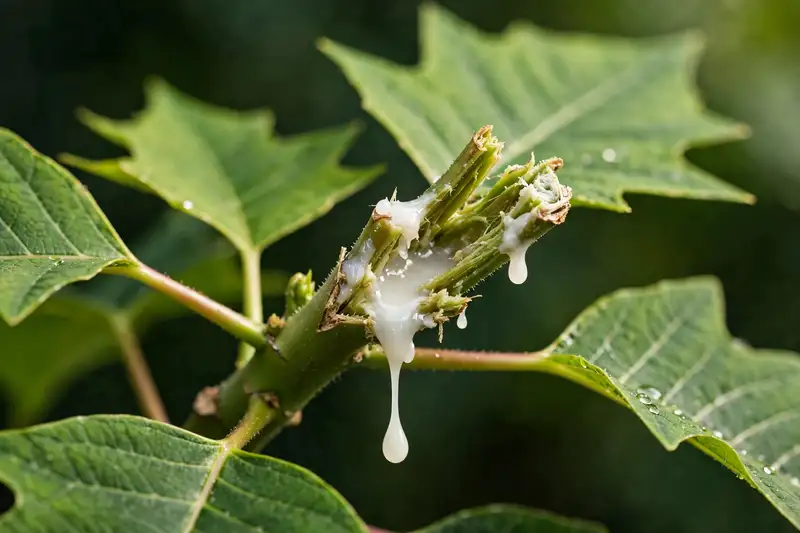
The sap is the plant’s defense system, and it works. A dog that bites a leaf gets an immediate unpleasant mouthful, and the bitter taste does more to stop the chewing than any training could. The irritation is a contact effect, not a systemic poison: it bothers the tissues it touches rather than shutting down organs. That is the fundamental difference between poinsettias and truly dangerous plants like lilies, which attack the kidneys. Understanding this distinction keeps the response proportionate. Rinse the mouth, watch the dog, and call for advice, rather than racing to the emergency clinic in a panic.
Symptoms if your dog chews one
Expect mild signs: drooling, lip licking, pawing at the mouth, mild vomiting, and occasionally diarrhea. Skin contact with the sap can cause redness or itchiness around the mouth. Symptoms usually appear within a few hours and resolve on their own. Severe or persistent symptoms are uncommon but warrant a vet call.

Most dogs show nothing at all beyond a disgusted expression. The bitter taste limits how much any dog will eat, which is nature’s own dose control. If vomiting happens, it is typically brief and self-limiting. Watch for the exceptions: repeated vomiting, bloody vomit or stool, extreme lethargy, or signs of an allergic reaction like facial swelling. Those are not typical poinsettia effects, and they suggest either a large ingestion, another plant, or an individual sensitivity. When symptoms stay mild and the dog is otherwise itself, monitoring at home with your vet’s phone guidance is usually enough.
What to do if your dog ate poinsettia
Stay calm. Remove any remaining plant material from the mouth, offer fresh water, and watch for drooling or vomiting over the next few hours. Call your vet or the Pet Poison Helpline at 855-764-7661 for guidance, especially if symptoms persist. Do not induce vomiting unless a professional specifically tells you to.

Have details ready when you call: roughly how much was eaten, when, and your dog’s weight. Take a photo of the plant if you are unsure what it is; accurate identification prevents wrong treatment. Do not give home remedies like milk or oil, which can worsen stomach upset. If the dog is drooling heavily, gentle rinsing of the mouth with water can ease the irritation. Keep the ASPCA Animal Poison Control number, 888-426-4435, saved alongside your vet’s number before the holidays. Both lines charge a consultation fee, but the guidance is worth it when you are unsure.
Why the deadly reputation is overblown
The killer-poinsettia story traces back to a century-old rumor, and research has repeatedly failed to support it. A university study famously fed rats hundreds of poinsettia leaves with no toxic effects. Poison control data shows severe cases are virtually nonexistent. Yet the myth survives because it is dramatic, seasonal, and endlessly reshared.
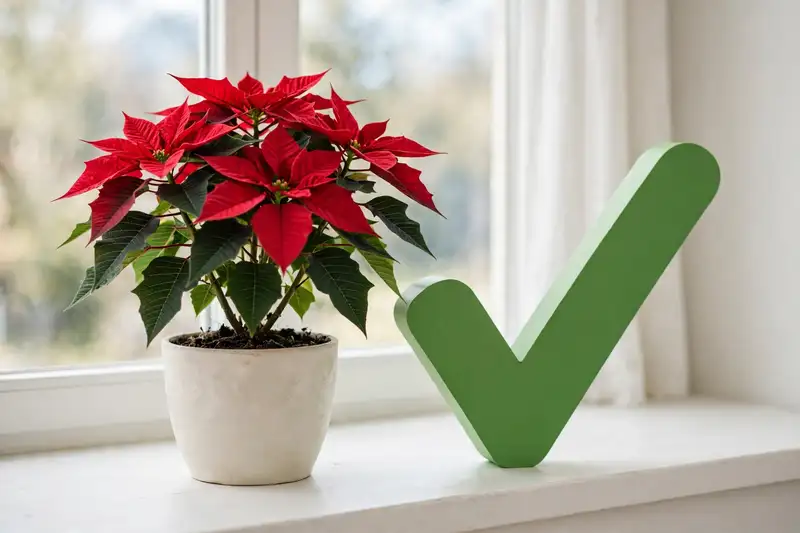
Myths like this persist for understandable reasons. A bright red plant that oozes white sap looks dangerous, and “better safe than sorry” feels like responsible pet ownership. Social media does the rest, amplifying the scariest version of every story. The harm goes beyond unnecessary anxiety. When everything is labeled deadly, owners stop distinguishing real emergencies from mild ones, and that dulls the response to genuine dangers. The accurate message is calmer and more useful: poinsettias merit caution, not fear, and your vigilance is better spent on the plants that truly threaten pets. A five-minute read of the ASPCA’s plant list before decorating saves more worry than a season of forwarded warnings.
Poinsettias vs truly dangerous holiday plants
Save your real worry for holly, mistletoe, amaryllis, and lilies. Holly berries cause intense vomiting and diarrhea. Mistletoe can cause gastrointestinal upset and, in rare cases, cardiovascular problems. Amaryllis bulbs are toxic. Lilies, especially for cats, can cause fatal kidney failure. Compared with these, the poinsettia is a minor irritant.
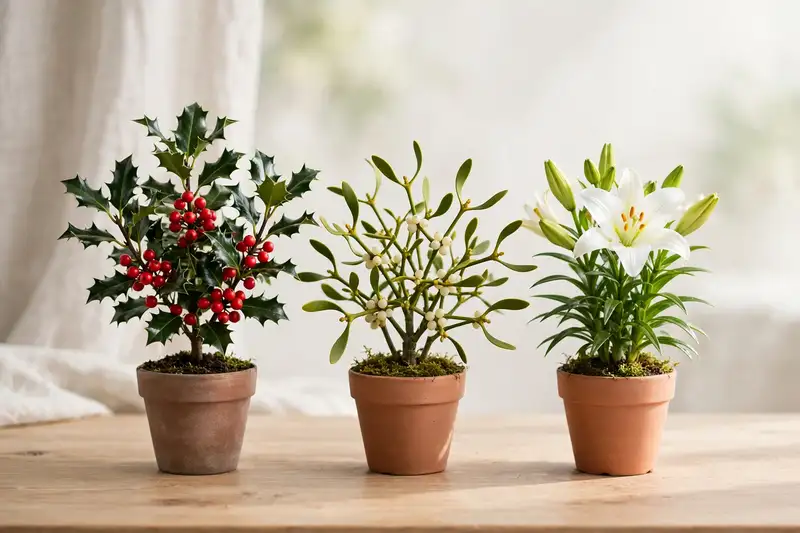
This comparison reframes holiday decorating decisions. If you are choosing between worry budgets, spend it keeping mistletoe out of reach and lilies out of the house entirely, particularly with cats. Christmas trees themselves are not highly toxic, but the water in the stand can harbor fertilizers and bacteria, so cover it. Tinsel and ribbon cause intestinal blockages when swallowed. Ornaments break into sharp pieces. The poinsettia on the mantel is far down this risk list. Knowing the real hierarchy lets you decorate for the season without either complacency or panic.
Keeping the plant and the dog
You can have both. Place poinsettias on high shelves, mantels, or in rooms the dog cannot access unsupervised. Clean up fallen leaves promptly, since a leaf on the floor is an invitation. Consider a plant stand with a barrier for determined chewers, and give the dog engaging alternatives during the excitement of decorating.

Management beats training for plant safety. A dog can learn “leave it,” but a closed door works even when you are not watching. During the holidays, routines shift, guests arrive, and supervision gets patchy, which is exactly when management matters most. Wipe up sap if a stem breaks during handling. If you have a dedicated plant-chewer, hanging planters remove the temptation entirely. And remember the rest of the holiday hazards while you are at it: chocolate, xylitol in sugar-free treats, rich fatty foods, and alcohol all pose greater seasonal risks than the poinsettia ever will.
Sap on skin or eyes
Poinsettia sap can irritate skin and eyes on contact. If sap gets on your dog’s skin, wash the area gently with lukewarm water and mild pet-safe soap. If it gets in the eyes, flush with clean lukewarm water for several minutes. Redness that fades within a few hours is typical; persistent swelling, scratching, or eye discharge needs a vet.

Handle the plant with the same care yourself. The sap irritates human skin too, which is why florists wear gloves. Keep broken stems away from the dog while you arrange or discard the plant. If your dog rubs its face in the sap, the combination of mouth and skin irritation can look alarming, with drooling plus redness, but it usually settles once the sap is washed off. Do not apply creams or ointments unless your vet advises it; most topical products just give the dog something else to lick. Clean water and time resolve the vast majority of sap exposures.
Puppies and curious chewers
Puppies explore the world with their mouths, making them the most likely poinsettia tasters. The bitter taste usually stops them fast, and serious harm remains unlikely. Still, puppy-proof the holidays: keep plants elevated, supervise free-roaming time, and redirect chewing to appropriate toys. A puppy that eats a large amount or shows more than mild symptoms needs a vet call.

Young dogs also react more dramatically to mild irritants because everything is new. A puppy that drools copiously after one leaf may look worse than it is; stay calm, rinse, and observe. Use the season as training opportunity: reward the puppy for ignoring plants, practice “leave it” with tempting items, and make the puppy’s own toys the most exciting things in the room. If your puppy is a relentless plant eater, consider skipping live poinsettias this year in favor of silk ones. There is no shame in choosing the decoration that fits the dog you have right now.
Holiday plants that are safe instead
If you want zero worry, choose plants the ASPCA lists as non-toxic: Christmas cactus, African violets, and orchids are festive and pet-safe. Herbs like rosemary and basil double as kitchen plants. For the classic red look without the sap, high-quality silk poinsettias fool the eye from across the room.
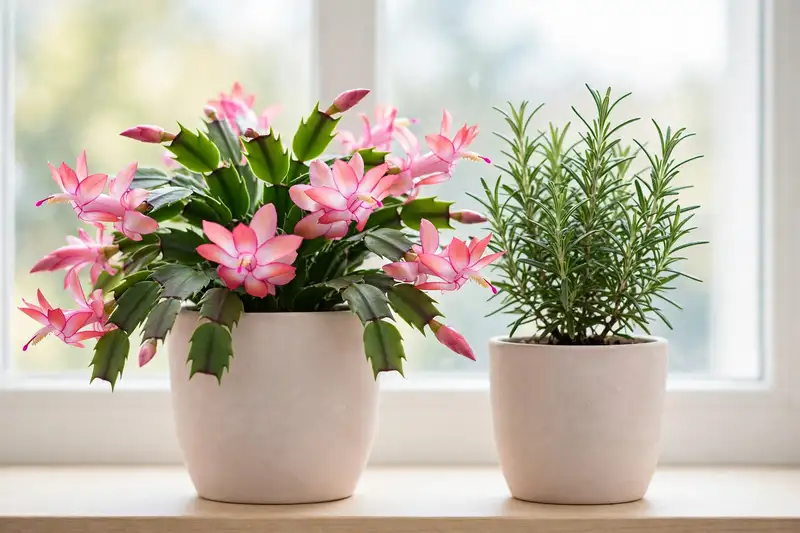
Safe plants still deserve basic management. Any plant material in large amounts can upset a stomach, and potting soil may contain fertilizers. But the margin of safety is enormously wider than with truly toxic species. A house full of Christmas cactus and orchids lets you enjoy the season without scanning the floor for fallen leaves. Whatever you choose, keep the plant’s tag or a photo of it; if the dog ever does eat something, accurate identification speeds up every phone call that follows.
Poinsettias are mildly irritating, not deadly: a mouthful of bitter sap, maybe some drooling, and a dog that has learned its lesson. Keep the plant out of reach, know the poison control numbers, and spend your real vigilance on holly, mistletoe, and lilies. Share the calm, accurate version of this story with fellow dog owners before the holidays; it is worth spreading. For other toxic foods to keep away from dogs, see our guides on grapes and garlic. And for the full reference on safe feeding year-round, visit what human food dogs can eat.
Frequently Asked Questions
Are poinsettias poisonous to dogs?
Mildly. The milky sap irritates the mouth and stomach, causing drooling, vomiting, or diarrhea, but the ASPCA calls the plant generally over-rated in toxicity and serious harm is rare.
What happens if my dog eats a poinsettia leaf?
Usually mild drooling or vomiting that resolves on its own, since the bitter taste limits how much dogs eat. Call your vet or the Pet Poison Helpline at 855-764-7661 if symptoms persist or seem severe.
Should I take my dog to the vet for eating poinsettia?
For mild, brief symptoms, phone guidance is usually enough. Go in if vomiting is repeated, there is blood, the dog is lethargic, or you suspect a different plant was eaten.
Are poinsettias more dangerous than other holiday plants?
No, they are among the least dangerous. Holly, mistletoe, amaryllis, and lilies pose far greater risks. Lilies can cause fatal kidney failure in cats.
Can poinsettia sap hurt my dog’s skin?
Yes, it can cause redness or itchiness on contact. Wash the area with lukewarm water and mild pet-safe soap, and flush eyes with clean water for several minutes if exposed.
Are poinsettias safe around puppies?
Puppies are the most likely to taste them, but the bitter sap usually stops them quickly and serious harm is unlikely. Keep plants elevated and supervise, and call the vet if more than mild symptoms appear.
What holiday plants are safe for dogs?
Christmas cactus, African violets, orchids, and herbs like rosemary are listed as non-toxic and make festive, worry-free choices.
This article is general information only and is not a substitute for veterinary advice. If your dog shows severe or persistent symptoms after eating any plant, contact your veterinarian or animal poison control promptly.