
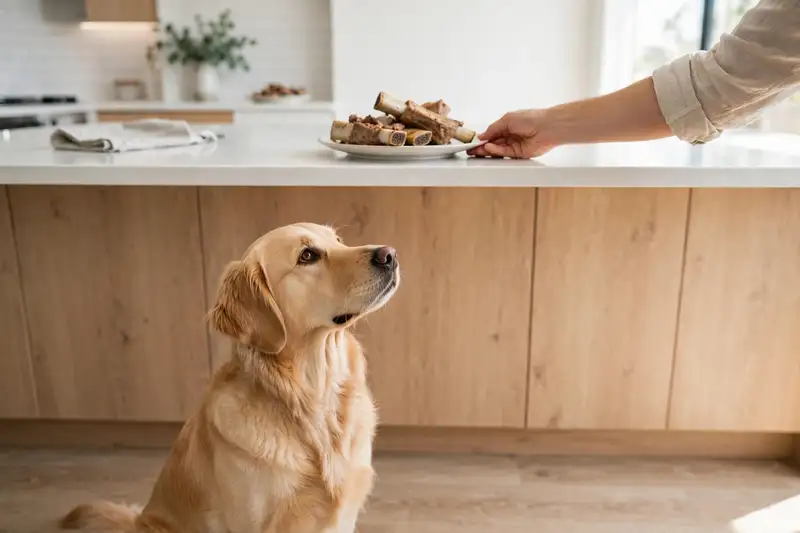
It looks like the most natural treat in the world: the leftover ribs from dinner, handed to the hopeful dog under the table. But can dogs have rib bones? No. Veterinary sources including the AKC and PetMD agree that rib bones, cooked or raw, bring risks that far outweigh any chewing pleasure. Splinters, choking, intestinal blockages, broken teeth, and pancreatitis all trace back to this one handout. This guide explains each danger, what to do if your dog already ate one, and the safe chews to offer instead.
Can dogs have rib bones?
No. Dogs should not have rib bones of any kind: not pork, not beef, not cooked, not raw, and not for any size of dog. Rib bones splinter easily, carry choking and blockage risks, and the fatty meat on them can trigger pancreatitis. PetMD advises against rib bones entirely, and the AKC’s rib bone guide agrees.
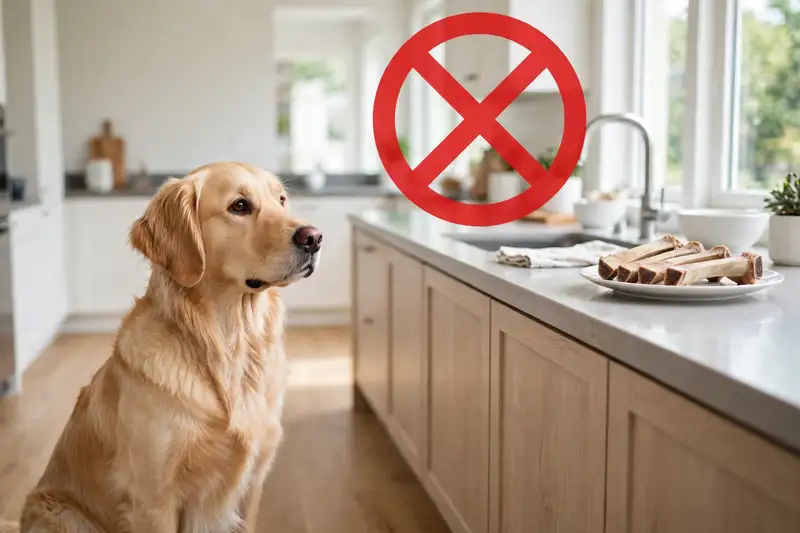
This surprises owners because dogs have eaten bones for millennia. But the modern veterinary consensus is clear, and it rests on emergency room evidence, not theory. Rib bones are the wrong size and shape: small enough for a dog to bite into chunks, hard enough to break into sharp pieces. The AKC notes that even though humans struggle to crack ribs, dogs’ jaws break them down with ease. When your dog begs at the table, the kind answer is a safe chew, not the rib. The rest of this guide shows why, danger by danger.
Why cooked rib bones are dangerous
Cooking changes bone structure. Heat dries out the collagen inside and leaves a stiff, brittle bone that shatters under chewing pressure into needle-like shards. Those shards can cut the mouth and tongue, lodge in the throat, or puncture the stomach and intestines. The AKC warns that cooked bone pieces cause serious damage to the mouth, throat, or intestines.
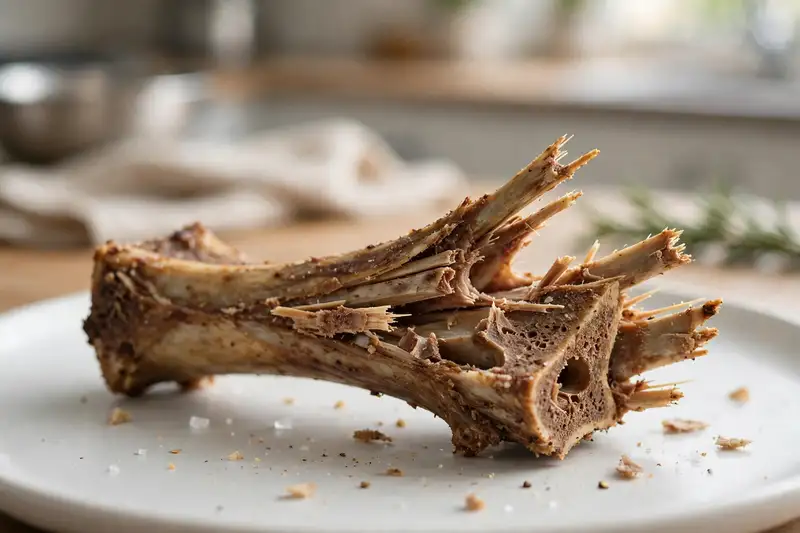
Cooked is the worst-case version of every bone risk. A sharp fragment that perforates the gut wall lets bacteria flood the abdomen, causing peritonitis, a body-wide infection that can kill. Fragments too large to pass cause blockages that need surgical removal. Cooking also strips nutrients, so the dog gets the danger without even the nutritional upside raw feeders claim. This applies to every cooked bone, chicken, turkey, beef, pork, and rib bones most of all because their curved shape breaks into such nasty pieces. The rule is absolute: no cooked bones, ever, for any dog.
What about raw rib bones?
Raw rib bones are less brittle than cooked ones, but vets advise against them. Raw ribs can still splinter, lodge in the throat or gut, and crack teeth. They also carry bacteria like salmonella and E. coli that sicken dogs and the people they lick. The FDA advises against giving dogs bones, and PetMD warns against bones of any kind.
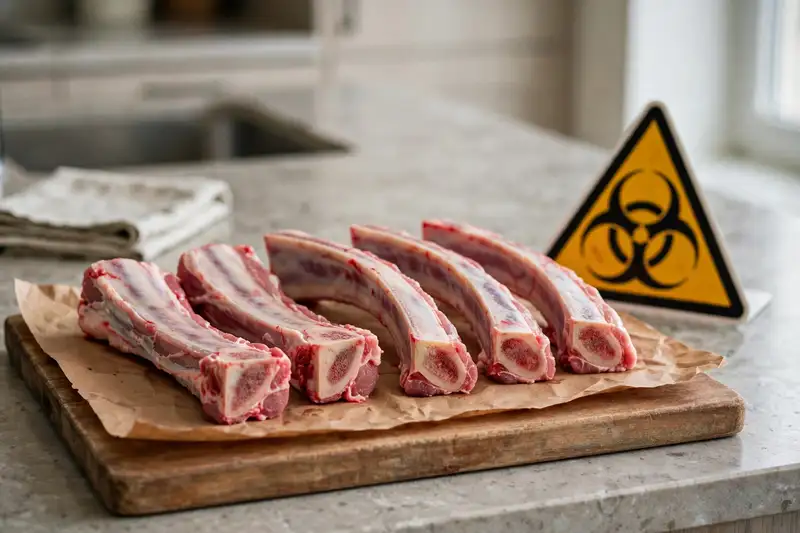
Some raw-feeding advocates allow large raw bones under supervision, and the AKC is more relaxed about big raw beef bones too large to swallow. But ribs do not qualify as large and safe. They are exactly the size a determined dog can break apart and gulp. The bacterial risk is real for households with children, elderly people, or anyone immunocompromised, since the dog’s saliva and stool can spread pathogens around the home. Add the pork-specific concern: raw pork can carry trichinosis parasites. With safer chews widely available, raw ribs offer no advantage worth these stacked risks.
Pancreatitis: the fat problem
Rib bones, especially pork ribs, carry a heavy load of fat, and the sauces and seasonings we cook them with make it worse. Dogs are not built to handle that much saturated fat at once. The result can be pancreatitis, a painful inflammation of the pancreas that ranges from mild to deadly and always needs veterinary care.
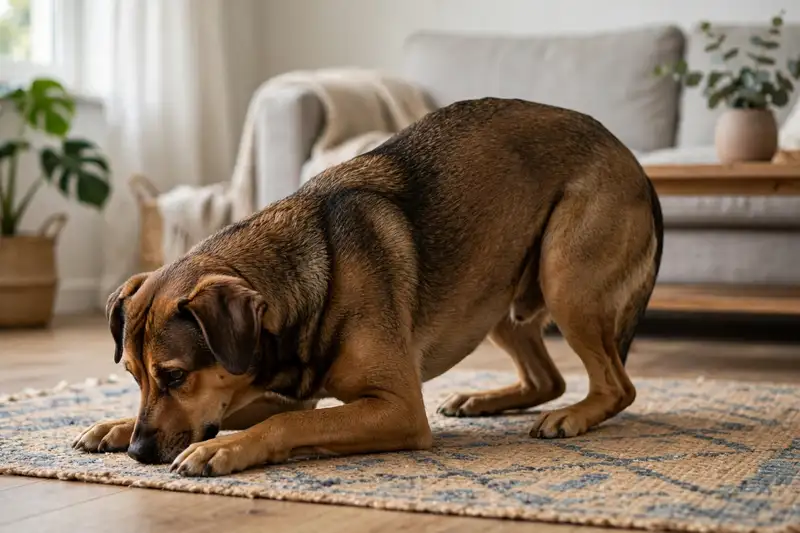
Pancreatitis typically shows up as vomiting, lethargy, diarrhea, and loss of appetite, sometimes within hours of the fatty meal. Severe cases cause intense abdominal pain, dehydration, and organ damage. Dogs with a history of pancreatitis are at even higher risk from a single indulgence. This is also why the meat left on the rib is no safer than the bone: trimming the meat off and feeding it is still a fat bomb, especially with barbecue sauce, garlic, or onion in the mix. A dog begging for rib meat is begging for the exact meal most likely to land it at the emergency clinic.
Choking and blockages
Rib bones are a choking hazard because dogs bite them into chunks and swallow pieces too large for the throat. Fragments that make it down can obstruct the intestines, blocking food from passing. Blockages are emergencies needing surgical removal and can turn fatal fast. The AKC notes rib fragments can even lodge in the descending colon.
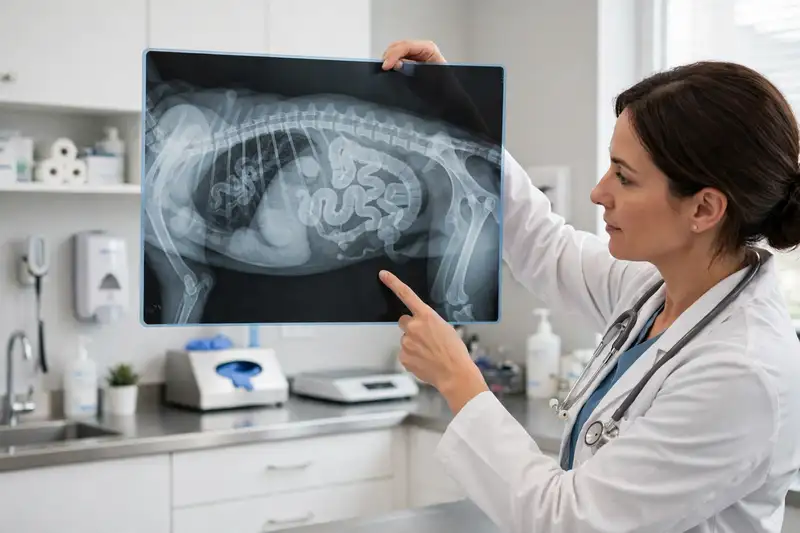
Watch for the warning signs after any bone incident: repeated vomiting, straining to defecate, lethargy, loss of appetite, abdominal pain, or a swollen belly. A blockage in the descending colon shows up as straining with vomiting, and the AKC flags it as an emergency no owner should try to handle at home. Time matters enormously with obstructions; a partial blockage can become complete, and trapped tissue can die. If you suspect your dog swallowed bone pieces, do not wait to see if they pass. Call your vet and describe exactly what happened.
Broken teeth and mouth injuries
Chewing hard bones breaks teeth. Slab fractures of the big chewing teeth are a classic bone-chewing injury, and they are painful and expensive, often needing extraction or root canal under anesthesia. Sharp splinters also cut gums, tongue, and palate. A dog that suddenly drops food, paws at its mouth, or drools blood after chewing may have a fractured tooth.
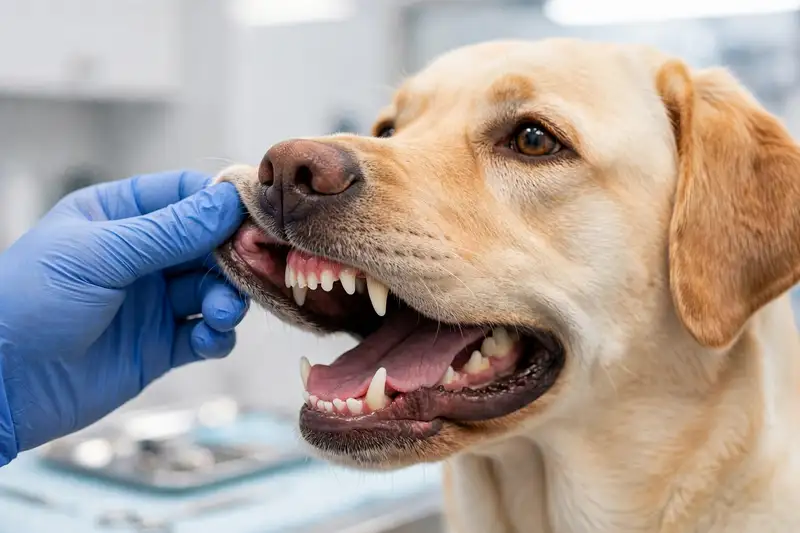
Dogs hide mouth pain well, so the damage often goes unnoticed until infection sets in. A cracked tooth can abscess, swelling the face and requiring urgent dental surgery. Rib bones are particularly bad here because their density invites the hardest chewing while their shape creates sharp edges. The irony is sharp: owners give bones thinking they clean teeth, but veterinary dentists list bones among the top causes of broken teeth they treat. Dental chews with the Veterinary Oral Health Council seal clean teeth without the fracture risk. That seal exists precisely so owners do not have to gamble with real bones.
What to do if your dog ate a rib bone
Call your veterinarian or emergency clinic right away for advice. Do not try to make your dog vomit: sharp fragments can do more damage coming back up. Your vet may advise monitoring at home for a small, smooth piece or an exam with X-rays for anything larger or sharp. Watch closely for vomiting, lethargy, appetite loss, abdominal pain, or straining.

Stay calm and gather information before you call: what kind of rib, cooked or raw, how much, how long ago, and how big your dog is. Do not feed bread or other foods to “cushion” the bone; the AKC specifically advises against that folk remedy. If the vet says to monitor, check every stool for fragments over the next two to three days and watch for black, tarry stool, which signals internal bleeding. Any vomiting, especially repeated, any sign of pain, or any lethargy upgrades the situation to an immediate visit. When in doubt, go in. An X-ray that shows nothing is infinitely cheaper than a perforation found too late.
Safe chew alternatives
Dogs still need to chew, and plenty of safe options exist. Bully sticks, tendons, and dental chews with the VOHC seal satisfy the urge without splintering. Sturdy rubber toys, stuffed and frozen with a little peanut butter, keep power chewers busy. For long-lasting chewing, look for products sized to your dog that cannot be bitten into chunks.
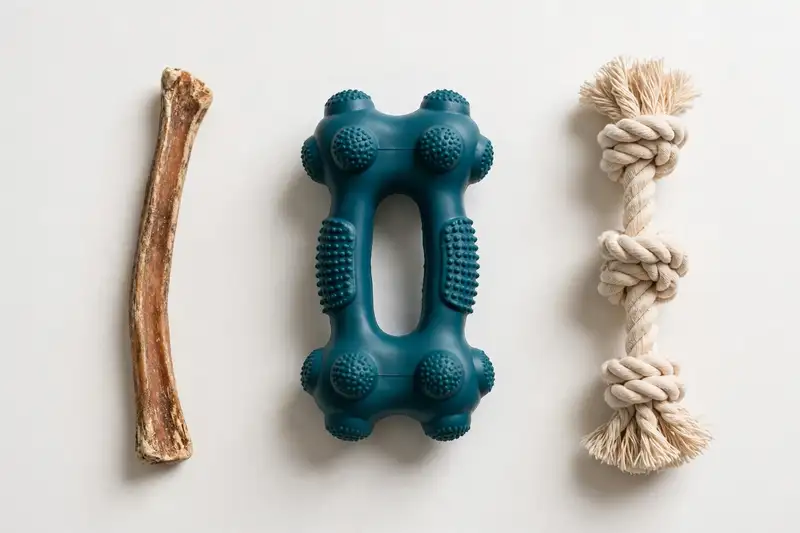
Match the chew to the chewer. Aggressive chewers destroy soft toys and need the heavy-duty rubber tier; gentle chewers do fine with softer options. Always supervise chewing sessions and remove any chew once it gets small enough to swallow whole. Rotate options to keep things interesting, and remember that chewing is also mental enrichment: a frozen stuffed toy works the brain as well as the jaws. Ask your vet or a pet store staffer for size guidance if you are unsure. The goal is the happy, tired chewing face, with none of the emergency vet bill.
The trash and table rules
Most rib bone incidents are thefts, not gifts. Dogs raid trash cans, counter-surf cooling racks, and snatch plates when backs are turned. Keep rib bones out of any trash the dog can reach, use cans with locking lids, and clear plates immediately after meals. When cooking, keep platters of bones away from counter edges.
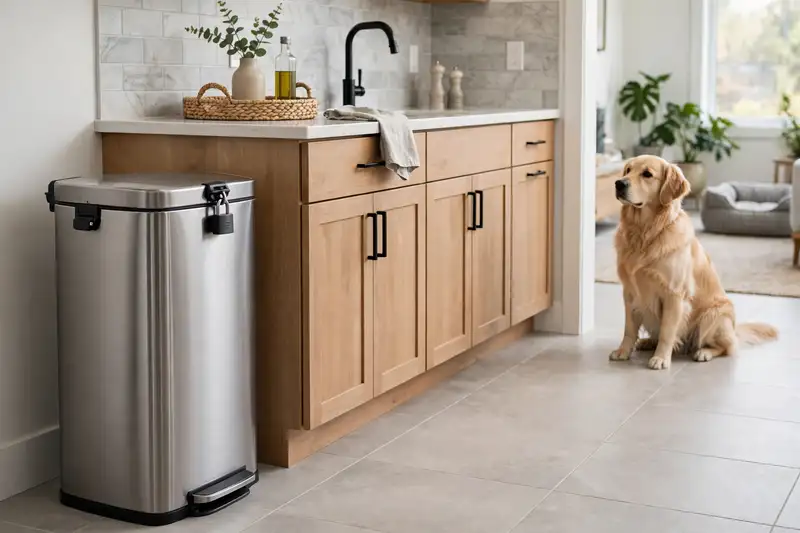
Train the whole household, because the dog only needs one careless moment. Guests at barbecues are the classic failure point: someone hands the dog a rib thinking it is a treat, or leaves a plate at dog height. A brief word to visitors prevents most of it. For determined counter-surfers, management beats training in the short term: put food away, use baby gates, and never leave the kitchen unsupervised with food out. Dogs that repeatedly steal food may also benefit from structured feeding times and puzzle feeders that satisfy the foraging instinct legally.
The FDA warning on packaged bone treats
This goes beyond a table-scrap issue. In 2017 the FDA warned owners about packaged bone treats, including rib bones, after receiving reports of sick and dead dogs. The products were marketed as safe, flavored chews, yet caused choking, blockages, and perforations like any other bone. The warning is a reminder that processing and packaging do not make bones safe.
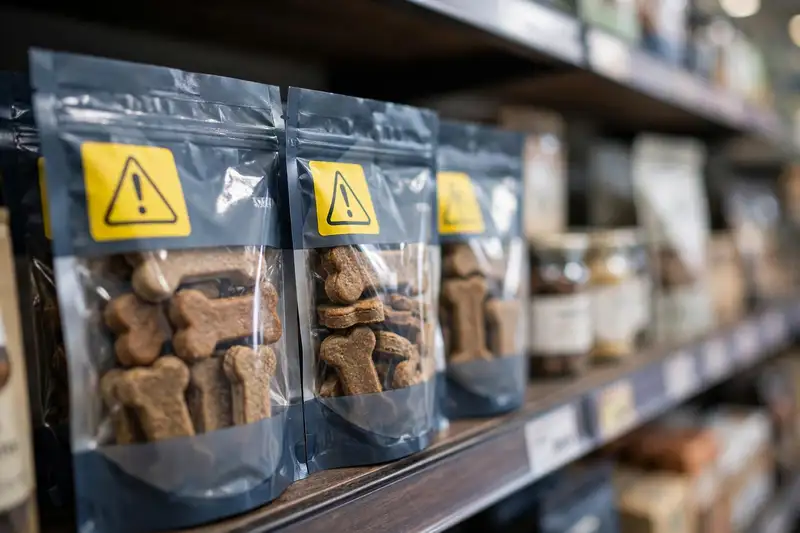
Read labels skeptically. “Smoked,” “roasted,” and “natural” describe flavor, not safety, and heat-treated bones splinter regardless of the marketing. If a product is a real bone in a bag, it carries real bone risks. Choose chews manufactured to be digestible or made from non-bone materials instead. And keep the lesson general: any chew that breaks into hard, sharp pieces fails the safety test, whatever the package promises. When a chew starts cracking or splintering during use, take it away, no matter what it cost.
The answer stays no: no rib bones, cooked or raw, for any dog. Offer a safe chew, secure the trash, and brief the barbecue guests. For the bone question in general, our guide to whether dogs can eat chicken covers why cooked poultry bones are just as dangerous. For the safe way to get bone goodness without the bone, see our bone broth guide. And for the full safe-foods list, visit what human food dogs can eat.
Frequently Asked Questions
Can dogs have pork rib bones?
No. Pork rib bones splinter, cause choking and blockages, and their high fat content can trigger pancreatitis. Raw pork adds a risk of trichinosis parasites. Skip all pork bones entirely.
Can dogs have beef rib bones?
No. Beef rib bones carry the same splintering, choking, blockage, and broken-tooth risks as pork ribs. Cooked beef ribs are the worst option since heat makes bone brittle.
What should I do if my dog ate a cooked rib bone?
Call your vet or emergency clinic right away. Do not induce vomiting, since sharp fragments can injure the throat coming up. Monitor for vomiting, lethargy, appetite loss, or straining, and go in promptly if any appear.
Are smoked or packaged bone treats safe?
No. The FDA warned in 2017 about packaged bone treats after reports of sick and dead dogs. Heat-treated bones splinter regardless of flavoring or packaging. Choose digestible chews instead.
Can rib bones cause pancreatitis in dogs?
Yes. The fatty meat on ribs, plus sauces and seasonings, can trigger pancreatitis, a painful pancreatic inflammation that needs veterinary care. Dogs with a history of pancreatitis are at highest risk.
What are safe alternatives to rib bones?
Bully sticks, tendons, VOHC-sealed dental chews, and sturdy rubber toys stuffed with peanut butter all satisfy chewing safely. Supervise chewing and remove anything small enough to swallow.
Can puppies have rib bones?
No. Puppies are even more vulnerable, with smaller throats, developing teeth, and a habit of gulping. Give puppies size-appropriate safe chews instead.
This article is general information only and is not a substitute for veterinary advice. If your dog has eaten a rib bone and shows vomiting, pain, lethargy, or loss of appetite, seek veterinary care immediately.

1 thought on “Can dogs have rib bones? The vet answer is no”