

Can dogs eat bones? The short answer is that cooked bones are never safe, and raw bones are a judgment call with real risks on both sides. Cooked bones splinter into sharp shards that can cut the mouth, throat, and intestines. Raw bones do not splinter the same way, but they can still crack teeth, carry bacteria, or cause blockages. Many vets say skip bones entirely, while experienced raw feeders give large raw bones under close watch. This guide lays out both sides honestly, bone by bone, so you can decide with clear eyes.
Can Dogs Eat Bones? The Short Answer
Cooked bones are a hard no for every dog, every time. Raw bones sit in a gray area: some vets and raw-feeding owners give large raw meaty bones with strict supervision, while many veterinary organizations advise against all bones because of tooth fractures, choking, and bacterial risks. Know both positions before you decide.
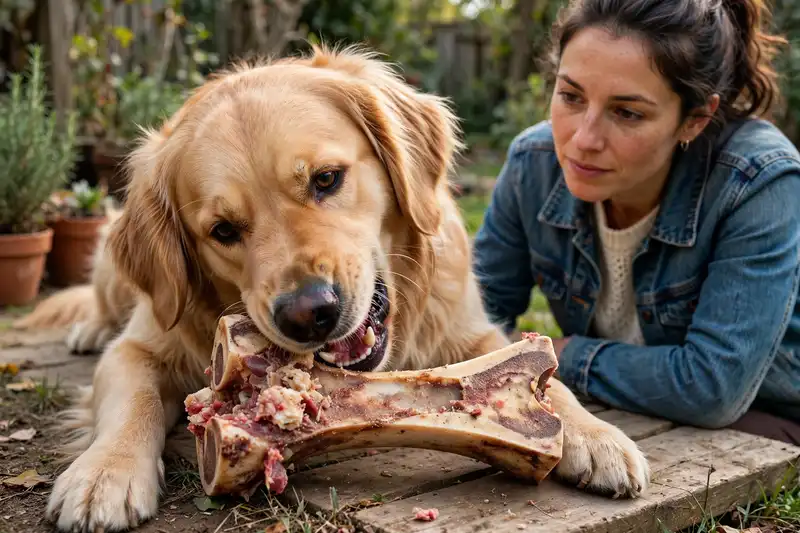
The divide comes down to how the two camps weigh risk. Veterinary dentists see the cracked slab fractures and broken canines every week, so their default is caution. Raw feeders point to thousands of dogs chewing raw bones without incident and argue the dental and mental benefits are real. Both sides agree on one thing: no dog should ever get a bone unsupervised, and cooked bones should never be on the menu.
Your own dog matters in this decision too. An aggressive chewer that tries to swallow chunks is a poor candidate for any bone. A gentle gnawer under your eye is a different story. When in doubt, safer chew options exist that give most of the benefit with far less risk.
Why Cooked Bones Are So Dangerous
Cooking changes the structure of bone, making it brittle and prone to splintering. When a dog crunches a cooked bone, it breaks into sharp shards that can slice the gums, lodge in the throat, or puncture the stomach and intestines. These injuries can require emergency surgery.

This applies to every cooked bone without exception. Chicken, turkey, pork, rib, and steak bones all become dangerous once cooked, whether they were roasted, boiled, fried, or smoked. Smoked and dried bones from pet stores are cooked too, despite the packaging. If heat touched it, it does not go to the dog. For the specifics on poultry, see our guide on whether dogs can eat chicken bones.
The danger is not theoretical. Emergency vets regularly remove bone fragments from throats and operate on perforated intestines, and cooked poultry bones are among the most common culprits. Table scraps are the usual source, so get family and guests in the habit of clearing plates where dogs cannot reach them.
Raw Bones: The Other Side of the Debate
Raw bones are softer and more flexible than cooked ones, which is why raw feeders consider them a different category. A large raw bone typically gets gnawed and scraped rather than shattered, giving the dog chewing satisfaction and some dental scraping action without the shower of sharp shards.

Supporters also point to nutrition and enrichment. Raw meaty bones provide calcium, phosphorus, and marrow, and the long chewing sessions tire out energetic dogs mentally. For owners already feeding raw diets, bones are a normal part of the menu rather than an occasional treat.
The counterargument is that “softer” does not mean “safe.” Veterinary organizations including PetMD‘s contributors note that raw bones still cause tooth fractures, and raw meat carries Salmonella and Campylobacter that can sicken both dogs and the humans in the house. The raw side is a considered risk, not a free pass.
Experience level matters more than most guides admit. Owners who feed raw successfully tend to know their dog’s chewing style intimately: which dogs gnaw patiently, which ones try to swallow chunks, and which get possessive over high-value items. That knowledge only comes from watching the dog chew, session after session. If you have never studied how your dog handles a challenging chew, a raw bone is a poor place to start the experiment.
Raw Meaty Bones vs Recreational Bones
Not all raw bones serve the same purpose. Raw meaty bones, like turkey necks or beef ribs sized to the dog, are meant to be chewed and partly eaten. Recreational bones, like large beef marrow bones or knuckles, are meant for gnawing only, with the dog scraping meat and marrow while the bone itself stays mostly intact.

Match the bone to the goal. Meaty bones suit dogs that chew thoughtfully and stop when the meat is gone. Recreational bones suit power chewers, since the bone is too large and dense to be consumed quickly. Either way, take the bone away once it gets small enough to swallow or starts developing sharp edges.
Marrow deserves its own caution. It is extremely rich, and a dog that gorges on marrow can end up with vomiting or pancreatitis. Scoop out some of the marrow for enthusiastic dogs, or limit the session. Rich foods and sensitive stomachs are a bad combination, as our human food guide explains.
Which Bones Are the Most Dangerous?
Some bones carry more risk than others, and it helps to know the worst offenders. Cooked poultry bones top every danger list because they splinter so readily. Pork bones, cooked or raw, are dense and prone to splintering into sharp pieces. Fish bones are small, sharp, and easy to swallow.

Rib bones deserve special mention. They are the right size to be swallowed whole by medium and large dogs, and cooked ribs splinter badly. Read our full breakdown of whether dogs can have rib bones before handing over barbecue leftovers. Cut bones with sharp sawn edges are another hazard, since the flat cut surface can slice gums.
Small bones of any kind are a choking risk, and bones that fit entirely in your dog’s mouth should never be given. When owners ask which single bone causes the most emergency visits, most vets point to cooked chicken bones from the dinner table.
Size and Supervision Rules for Raw Bones
If you choose to give raw bones, size and supervision are what keep the risk down. The bone should be clearly larger than your dog’s muzzle, so the dog must gnaw it rather than gulp it. A bone the dog can fit in its mouth is a bone that can end up in its throat.
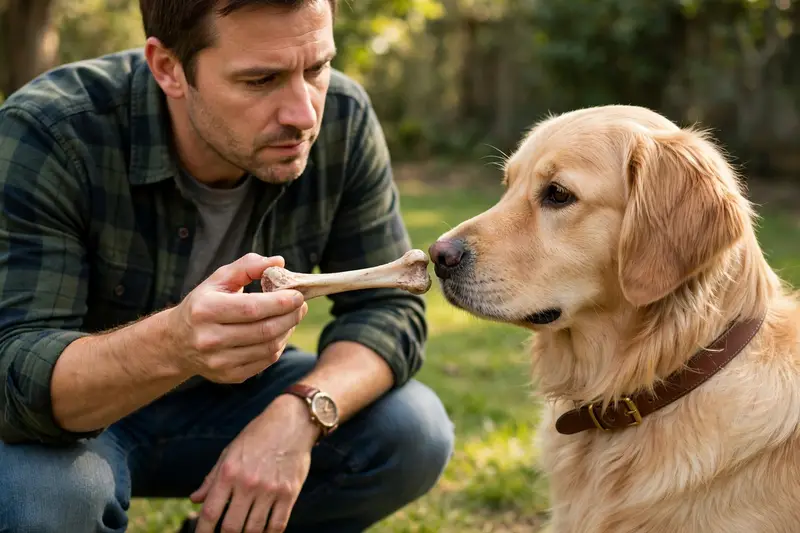
Supervision means active watching, not being in the same room while you scroll your phone. Stay close enough to take the bone away the moment it gets small, develops sharp points, or the dog starts trying to swallow pieces. Limit sessions to ten or fifteen minutes, then put the bone away. The American Kennel Club advises owners to always supervise chewing and remove chews that show wear.
Handle raw bones like raw meat everywhere else. Wash your hands after handling, clean the chewing area, and refrigerate the bone between sessions, discarding it after a few days. Keep other pets and small children away while the dog is chewing to avoid guarding conflicts.
Watch the clock as well as the bone. Long sessions increase the odds of a tired dog making a bad decision, like trying to swallow a piece that is almost small enough. Ending the session while the dog is still happily engaged keeps the experience positive and teaches the dog that giving up the bone is routine, not a punishment. Trade for a treat when you take it away, and the dog will hand it over willingly next time.
Risks Even Raw Bones Carry
Going raw removes the splintering problem but leaves several others. Tooth fractures are the big one. Dogs crack the large chewing teeth, called carnassials, on bones harder than their teeth, and slab fractures often need extraction under anesthesia. Weight-bearing bones from large animals are the hardest and most likely to break teeth.

Bacterial contamination is the second concern. Raw bones can carry Salmonella, E. coli, and Campylobacter, which can make dogs sick and spread to humans through licking and household surfaces. Households with small children, elderly people, or anyone immunocompromised should weigh this carefully. If a dog develops persistent vomiting or bloody diarrhea after chewing raw bones, our gastroenteritis in dogs guide explains which signs mean a vet visit cannot wait.
Blockages round out the list. Dogs that bite off and swallow chunks can develop obstructions in the stomach or intestines, and sharp fragments can irritate the gut lining on the way through. VCA Hospitals lists vomiting, lethargy, and straining among the warning signs that a swallowed fragment is causing trouble.
What to Do If Your Dog Already Ate a Bone
Stay calm and figure out what kind of bone it was. A large raw bone swallowed in small gnawed pieces is less alarming than a cooked chicken bone crunched into shards. Note the time, the type of bone, and roughly how much your dog ate.

Do not try to make your dog vomit. Sharp fragments can do more damage coming back up, and vomiting should only ever be induced on direct veterinary instruction. You can read how vomiting is induced in dogs to understand why the timing and method matter so much, but this is not a do-it-yourself moment.
Call your vet and describe what happened. They may advise watchful waiting with soft food and monitoring, or they may want to see the dog right away. Watch for choking, drooling, vomiting, bloody stool, belly pain, lethargy, or straining over the next 48 hours. Any of those signs means the vet visit cannot wait.
Safer Alternatives to Real Bones
If the risks put you off bones, plenty of options scratch the same itch. Dental chews approved by the Veterinary Oral Health Council are designed to reduce plaque without breaking teeth. Look for the VOHC seal when you shop for chews.
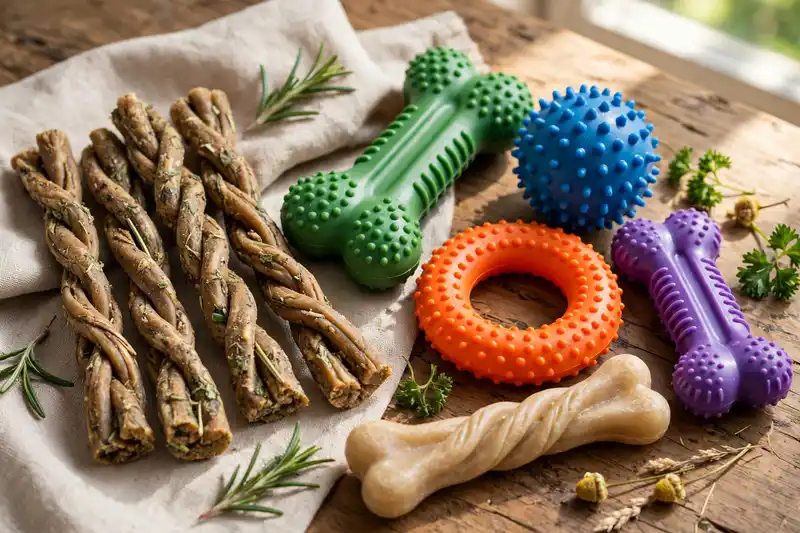
Rubber chew toys, especially stuffable ones, give aggressive chewers a safe outlet. Freeze broth or peanut butter inside for a longer-lasting challenge. The Merck Veterinary Manual notes that appropriate chew toys also reduce destructive chewing around the house, which is a welcome side effect.
Edible chews like bully sticks and yak cheese chews are popular, though they still need supervision and should be taken away when small. Raw carrots and frozen apple slices work for light chewers. Whatever you choose, match the chew to your dog’s chewing style and always supervise.
The Wolf Myth: Why “Wild Dogs Eat Bones” Misses the Point
A common argument for bones is that wolves eat whole prey, bones and all. That is true, but it skips some important context. Wolves eat fresh raw prey, choose softer bones, and yes, they do suffer broken teeth and fatal blockages in the wild. Nature is not a safety endorsement.
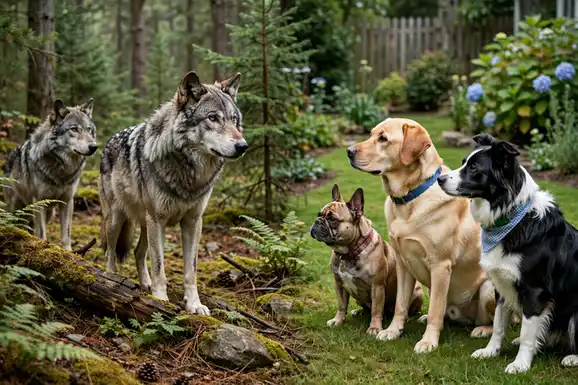
Domestic dogs are also not wolves. Thousands of years of breeding have changed jaw structure, especially in flat-faced and toy breeds whose crowded teeth are more fracture-prone. A wolf’s gamble with a carcass bone does not translate into a safe habit for a pug.
The most useful takeaway from the wolf comparison is about raw versus cooked. Wolves never encounter roasted chicken bones, and the cooked bone is the genuinely unnatural danger in this whole debate. If the wolf argument convinces you of anything, let it be that cooked bones stay off the menu. A warm bowl of bone broth for dogs gives the flavor dogs love with none of the physical risk.
Frequently Asked Questions
Can dogs eat cooked bones of any kind?
No. All cooked bones are unsafe because heat makes them brittle and likely to splinter into sharp shards. This includes roasted, boiled, fried, and smoked bones, whether chicken, pork, beef, or rib. Never give a dog a cooked bone.
Are raw chicken bones safe for dogs?
Raw chicken bones are softer than cooked ones, but they are small and easily swallowed whole, which makes them a choking and blockage risk. Many vets advise against them. Larger raw bones from bigger animals are the safer end of the raw spectrum, always supervised.
What bones can dogs safely chew?
The lowest-risk options are large raw meaty or recreational bones clearly bigger than the dog’s muzzle, given under active supervision for short sessions. Even these carry tooth fracture and bacterial risks, so many owners prefer VOHC-approved dental chews instead.
How long should I let my dog chew a bone?
Keep sessions to about ten to fifteen minutes, then take the bone away. Remove it sooner if it gets small enough to swallow, develops sharp edges, or your dog starts biting off chunks. Refrigerate raw bones between sessions.
My dog swallowed a cooked bone. Will it be okay?
It might pass without trouble, but cooked bones can cause serious harm, so call your vet right away for guidance. Do not induce vomiting on your own. Watch closely for choking, vomiting, bloody stool, or lethargy over the next two days.
Do bones really clean dogs’ teeth?
Chewing does scrape away some plaque, which is where the reputation comes from. But bones clean teeth at the cost of real fracture risk, and veterinary dentists see the damage regularly. VOHC-approved dental chews and regular brushing clean teeth without that trade-off.
Are marrow bones too rich for dogs?
The marrow inside large bones is very fatty, and too much can cause vomiting, diarrhea, or pancreatitis in sensitive dogs. Scoop out some marrow for enthusiastic eaters and keep sessions short. Dogs with a history of pancreatitis should skip marrow bones.
1 thought on “Can Dogs Eat Bones? The Honest Answer About Raw and Cooked Bones”