Salt sits on every kitchen counter, and dogs are professional counter-surfers, so the question comes up constantly. Salt is safe for dogs in the tiny amounts already mixed into their food, and it turns dangerous at roughly 2 to 3 grams per kilogram of body weight. That gap between “essential mineral” and “emergency” is wider than most owners think, and narrower than the fear suggests. A stolen chip will not poison your dog. A knocked-over salt shaker emptied onto the floor might.

Is salt actually dangerous for dogs, or is the fear overblown
Salt deserves neither panic nor a free pass. Dogs need sodium for normal nerve signals, muscle function, and fluid balance, and a complete dog food already supplies it. The danger starts when a dog eats a concentrated dose all at once, which pushes blood sodium up fast and pulls water out of cells, including brain cells.
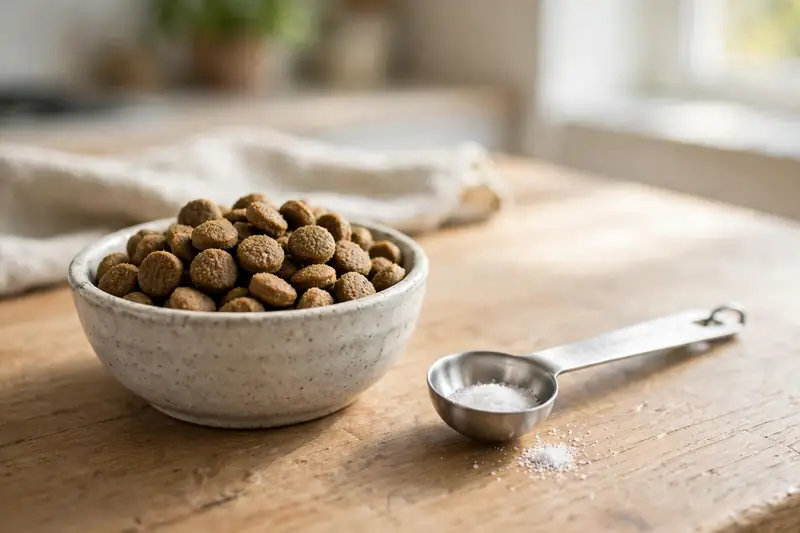
Veterinary toxicologists call the result sodium ion poisoning. The brain swells or shrinks as fluid shifts, and that is what produces the neurological signs: wobbliness, tremors, seizures.
So the honest framing is dose, not drama. Tiny daily sodium keeps your dog healthy. A sudden large dose is a genuine emergency. Everything below is about knowing where that line sits for your dog.
How much sodium your dog actually needs
A healthy dog needs only a small amount of sodium each day, and the food bag already handles the math. AAFCO, the body that sets nutrient profiles for pet food in the United States, requires dry dog food to contain at least 0.3% sodium on a dry matter basis. Every complete food on the shelf clears that bar.

That number matters for two reasons. First, it kills the myth that dogs do better on zero-salt diets. A homemade diet with no added salt and low-sodium ingredients can actually leave a dog short on sodium over time, which is one more reason homemade meals need a veterinary nutritionist behind them.
Second, it means you never need to add salt to your dog’s food. The VCA’s general feeding guidelines for dogs treat sodium as a solved problem inside complete food, not something owners should supplement.
Dogs do lose a little sodium through normal body functions, but the amounts are small and the food replaces them. Unless your vet has prescribed something specific, the salt shaker stays a people-only tool.
The toxic dose, by dog size
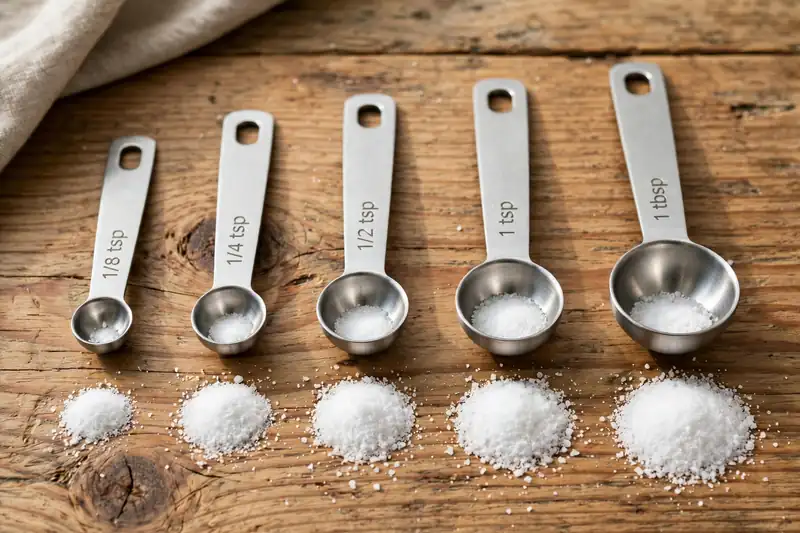
Here is the number to remember. The American College of Veterinary Pharmacists puts the toxic dose at 2 to 3 grams of sodium chloride per kilogram of body weight, and notes that 4 grams per kilogram can be fatal. One level teaspoon of table salt weighs about 6 grams, so the math is uncomfortably easy to do.
| Dog size | Weight | Potentially toxic amount | Potentially fatal amount |
|---|---|---|---|
| Small | 5 kg (11 lb) | 10 to 15 g (about 2 to 3 tsp) | 20 g (about 3 to 4 tsp) |
| Medium | 15 kg (33 lb) | 30 to 45 g (about 5 to 8 tsp) | 60 g (about 10 tsp) |
| Large | 30 kg (66 lb) | 60 to 90 g (about 10 to 15 tsp) | 120 g (about 20 tsp) |
Read that table twice. A small dog can hit the toxic range with two teaspoons of salt, which is less than the salt in a single generous handful of pretzels plus a salted snack. A large dog needs far more, which is why most salt emergencies involve small dogs, puppies, and concentrated sources like playdough rather than table food.
Two caveats keep this honest. Dogs vary, and a dog that is already dehydrated or has kidney trouble can run into problems at lower doses.
Also, these are single-dose figures. A dog that grazes salty scraps all day can accumulate trouble more gradually. When in doubt, treat any deliberate salt eating as worth a vet call.
Signs of salt poisoning, from early to severe
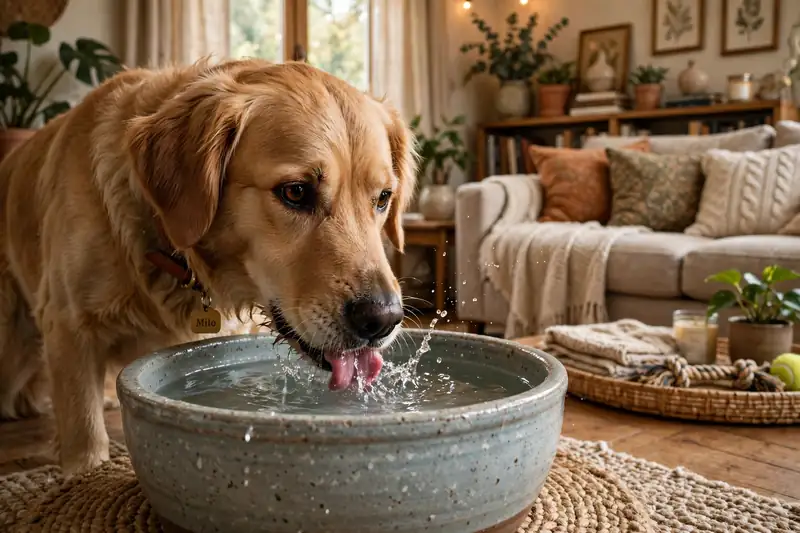
Vomiting usually arrives first, often within three hours of the salt going down, and it is the body’s attempt to eject the problem. Excessive thirst follows behind. Your dog may drain the water bowl, then hunt for more in the toilet, the shower floor, or a puddle outside. Those two signs together after a salty incident are your early warning.
If the sodium load keeps climbing, the signs turn neurological. Watch for wobbliness or a drunk-looking walk, tiredness that looks more like dullness, muscle twitches, and disorientation. The Merck Veterinary Manual covers salt toxicity in depth, including how fluid shifts around the brain drive these symptoms.
The severe end is unmistakable: repeated vomiting, seizures, collapse, coma. Dogs can die from salt poisoning, and severe cases carry a poor outlook even with treatment.
That sounds frightening, and it should motivate fast action rather than panic. Most dogs never get near these doses. The ones that do need a vet within the hour, not tomorrow morning.
The hidden salt sources in your home
Table salt is the obvious one, but the hidden sources cause more emergencies. Homemade playdough is the classic. It is flour, water, and a staggering amount of salt, and dogs love the doughy texture. A dog that eats a fist-size ball of playdough can take in a toxic dose in minutes, and published poisoning cases have started this way.

Paintballs are another. They contain salt and other compounds, and a dog that raids a paintball bag gets a concentrated hit. Rock salt and de-icing salt, the coarse crystals scattered on winter sidewalks and driveways, tempt dogs on walks.
They lick it off their paws or eat it straight from a pile. Seawater is the outdoor version: a dog that drinks seawater at the beach while playing can swallow enough salt to get sick, especially a small dog that gulps repeatedly.
Baking soda deserves a mention too. It is sodium bicarbonate, not table salt, but it contributes to the same sodium overload. Keep the box shut and the pantry latched. If you have kids, the playdough rule is the one to drill in: it lives on a high shelf or it lives in the trash, because toddlers share.
Salty human foods that cause the most trouble
Most salty human food will not poison a dog outright, but the worst offenders are worth knowing by name. Chips, pretzels, salted popcorn, and salted nuts deliver a lot of sodium in a small, easy-to-steal package. Processed meats like ham, bacon, salami, and deli slices stack salt on top of fat, which brings its own stomach problems.

Soy sauce is the concentrated one people underestimate. A single tablespoon holds around 900 milligrams of sodium, and a dog that laps up a spilled puddle gets a fast dose. Canned soups, gravy packets, and bouillon cubes sit in the same category: salty liquids a dog can drink quickly. Fast food fries and pizza crusts are the classic trash-raid combo.
None of this means a single stolen chip is an emergency. It means salty foods belong to the same category as the other human foods that are safe for dogs only in strict moderation. If you share table food at all, keep the human foods that are safe for dogs list where the whole family can see it. And remember the quieter dangers in seasoned food: how much onion is toxic to dogs is worth knowing, since onion powder hides in many salty snacks, and garlic is toxic to dogs in the same hidden way.
Your dog just ate salt: what to do right now
First, estimate what went down: how much, what kind, and how big your dog is. A licked chip and half a shaker are different situations, and your vet will ask.

Second, offer fresh water and let your dog drink. Do not force it or withhold it. Trying to flush salt out with extra water can cause its own problems.
Third, call your vet or a poison control line and describe the amount. This is the step people skip, and it is the one that matters most. The vet can do the dose math for your dog’s exact weight and tell you whether to come in now or watch at home.
Do not try to make your dog vomit on your own. Vets strongly advise against home vomiting attempts without direct guidance, and with salt there is an extra reason for caution: bringing concentrated salt back up can irritate on the way and does not reliably fix the sodium already absorbed.
While you wait for guidance, keep your dog calm and resting. Excitement and panting lose water through the respiratory tract, which is the opposite of what you want. If your dog is already vomiting repeatedly, trembling, or wobbly, skip the phone math and go straight to the clinic or emergency vet. Those signs mean the sodium is already doing damage.
How vets treat salt poisoning
Treatment sounds simple but is technically delicate. The vet confirms the diagnosis with bloodwork showing high sodium, then corrects it with intravenous fluids. The word is gradual.

Dropping blood sodium too fast lets water rush back into brain cells, which can cause brain swelling. Vets lower sodium slowly over many hours, sometimes more than a day, while monitoring blood values.
Mild cases may need only fluids and observation. Severe cases need intensive care: seizure control, brain swelling management, and round-the-clock monitoring. The Merck Veterinary Manual covers salt toxicity in depth for the clinical details, and one theme runs through all of it: outcomes track closely with how fast treatment starts. Dogs seen early, before seizures begin, do far better than dogs that arrive comatose.
This is also why the bill for waiting is so high. A phone call costs nothing. An ICU stay for advanced salt poisoning costs thousands and still carries real risk. When the dose math looks even borderline, err toward the call.
Puppies, small dogs, and dogs with health conditions
Small dogs live closer to the toxic line since dosing is weight-based. A Chihuahua and a Labrador can eat the same pile of salt with completely different outcomes. Puppies add two more problems: they explore with their mouths, so they find the playdough and the rock salt, and their smaller bodies and less mature kidneys handle sodium swings worse.

Dogs with kidney disease sit in the highest risk group. Damaged kidneys cannot excrete a sodium load efficiently, so a dose a healthy dog might ride out can overwhelm them. If your dog has any kidney diagnosis, treat every salt incident as vet-worthy, even small ones.
The same caution applies to dogs with heart disease or high blood pressure, where sodium and fluid balance are already medical juggling acts. Your vet may have already put these dogs on sodium-aware diets, which makes an accidental salt load more dangerous, not less. Read up on dogs with kidney disease if this is your situation, since diet rules for those dogs are stricter across the board.
Senior dogs deserve a mention too. Aging kidneys filter less efficiently, and older dogs drink less water on their own, which removes the body’s natural dilution response. Keep salty foods and de-icing salt especially far from the old-timers.
When to call the vet and when to watch at home
Call the vet now if your dog ate playdough, paintballs, rock salt, or an unknown amount of table salt; if your dog is vomiting repeatedly, wobbly, twitching, or unusually dull; or if your dog has kidney, heart, or other chronic disease. Take the packaging or a photo of it. The vet needs the product and the estimated amount.

Watchful waiting at home fits a narrow set of cases: a single chip or pretzel, a lick of a salty plate, a healthy adult dog acting completely normal. Even then, keep water available and watch for vomiting or extreme thirst over the next few hours. If anything changes, the waiting ends.
One more scenario: seawater at the beach. A few laps while swimming usually pass without trouble, but a dog that drank a lot or repeatedly needs watching for vomiting and diarrhea, and a vet call if either shows up. Salt water plus heat plus exercise dehydrates fast, and electrolytes for dogs are worth knowing about for the recovery side of any dehydration episode. For mild stomach fallout after any dietary indiscretion, a bland diet for a day or two often settles things once the vet gives the all-clear.
Frequently asked questions about salt and dogs
Dog owners ask about small daily amounts, seawater, and the old home-remedy myths. The answers below cover the repeat questions.
Can dogs have a little salt on their food
There is no reason to add it. Complete dog food already contains the sodium your dog needs, measured to the AAFCO minimum and balanced against everything else in the recipe. Adding salt only pushes the total up for zero nutritional gain.
Is sea salt or Himalayan salt safer than table salt
No. Sodium chloride is sodium chloride regardless of the marketing. Fancy salts contain the same sodium per gram, sometimes with trace minerals in amounts too small to matter. The toxic dose math does not change with the price tag.
My dog drank seawater at the beach. Should I worry
A few mouthfuls during swimming usually cause nothing worse than mild stomach upset. Worry when the drinking was deliberate and repeated, or when vomiting, diarrhea, or extreme thirst follow. Small dogs reach risky doses with less water, so watch them more closely.
How soon do salt poisoning symptoms appear
Vomiting often starts within three hours of a large dose, according to veterinary toxicology references. Neurological signs like wobbliness and tremors can follow over the next several hours as sodium climbs. Do not wait for the full picture to develop before calling.
Can I use salt to make my dog vomit in an emergency
No, and this old home remedy is dangerous in its own right. Giving salt as an emetic can cause the very sodium poisoning you are trying to prevent. Vets advise against inducing vomiting at home without direct veterinary guidance, full stop.
Are low-sodium dog foods better for healthy dogs
Not necessarily. Healthy dogs handle the normal sodium in complete foods without trouble, and the AAFCO minimum exists because dogs need the mineral. Sodium-restricted diets are medical tools for dogs with heart or kidney disease, prescribed by vets, not a wellness upgrade for healthy dogs.
Salt is one of those topics where the extremes are both wrong. It is not a poison lurking in every meal, and it is not harmless in any amount. Keep the dose numbers from the table above in your head, keep playdough and rock salt out of reach, and let the dog food do the sodium math it was designed to do.
Disclaimer: This article is for general information only and is not veterinary advice. Sodium needs and toxic thresholds vary with a dog’s size, age, and health. If your dog eats a large amount of salt or shows any symptoms described here, contact your veterinarian or a poison control center promptly.