
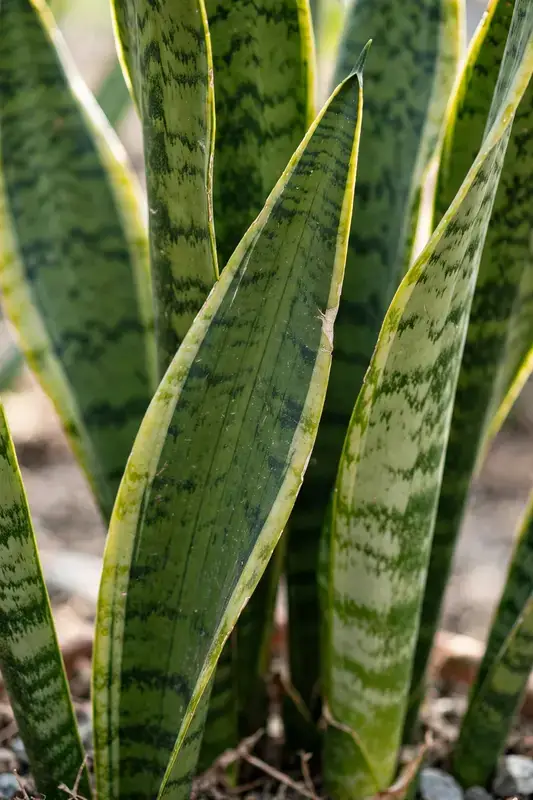
Yes, snake plants are toxic to dogs. These popular houseplants, also called mother-in-law’s tongue or Sansevieria, contain natural compounds called saponins that irritate a dog’s mouth and stomach. The good news is that poisoning is usually mild to moderate: most dogs develop vomiting, diarrhea, drooling, or a short spell of lethargy and recover fully. Severe cases are rare, but any chewing episode still deserves a call to your vet. This guide covers the symptoms, what to do right away, and how to keep your home green and dog-safe.
Are Snake Plants Toxic to Dogs? The Direct Answer
Yes. Snake plants are listed as toxic to dogs by the ASPCA because their leaves contain saponins. Chewing or swallowing the leaves typically causes nausea, vomiting, diarrhea, drooling, and loss of appetite. Most cases stay mild to moderate and resolve with veterinary guidance, but you should always call your vet.

Snake plants earned their popularity because they survive neglect, low light, and irregular watering. That toughness is part of the problem for dogs: the thick, upright leaves sit at exactly the height of a curious nose, and a bored dog may take an exploratory bite. Puppies and young dogs are the most likely chewers.
One reassuring detail is that the leaves taste bitter and feel tough, so most dogs spit them out after a nibble rather than eating a large amount. That natural deterrent is why serious poisonings are uncommon. Still, “usually mild” is not the same as “safe,” and the steps below assume you take every exposure seriously.
What Makes Snake Plants Poisonous: Saponins Explained
Saponins are natural chemical compounds the plant makes to defend itself against pests and fungi. In a dog’s digestive tract, saponins irritate the lining of the mouth, throat, and stomach, which triggers drooling, nausea, and vomiting. Think of them as the plant’s built-in bitter deterrent.

Every part of the snake plant contains saponins, but the leaves are the part dogs actually chew. The concentration is highest in the thick, fleshy leaf tissue. Unlike some plant toxins that attack the liver or kidneys, saponins mainly cause local irritation and gut upset, which is why the effects stay in the mild-to-moderate range for most dogs.
Saponins are also what make the plant foam slightly when crushed, a trait shared with soapwort and other saponin plants. The ASPCA Animal Poison Control Center lists snake plant, under its botanical name Sansevieria trifasciata, as toxic to dogs, cats, and horses. That listing is the authority most vets reference.
Symptoms of Snake Plant Poisoning in Dogs
The most common signs appear within a few hours of chewing. Expect drooling, nausea, vomiting, and diarrhea, sometimes with visible bits of leaf in the vomit. Many dogs also go off their food for a day and seem quieter than usual.

Mouth irritation can show up as pawing at the face or reluctance to eat hard kibble. Abdominal discomfort may make the dog restless, stretch into a play bow repeatedly, or whine when the belly is touched. These signs point to gut irritation rather than organ damage, which matches the saponin profile.
Severe signs are uncommon but worth knowing. Ongoing vomiting, bloody stool, extreme lethargy, or difficulty breathing go beyond typical saponin irritation and need emergency care. If your dog shows any of these, skip the phone triage and head to the clinic. For reference on digestive emergencies, see our guide to gastroenteritis in dogs.
How Dangerous Is It Really? Severity in Plain Terms
For most dogs, snake plant poisoning is unpleasant but not life-threatening. Veterinary toxicologists classify it as mild to moderate: gut upset that resolves with supportive care. Dogs that nibble a leaf tip and spit it out may show nothing worse than drool and one round of vomiting.

The amount eaten is the main factor. A tiny exploratory bite is very different from a determined dog shredding several leaves. Small dogs, puppies, and dogs with existing stomach conditions feel the effects more strongly. Pet Poison Helpline notes that while saponin plants generate many worried calls, severe outcomes are rare.
That said, “rare” is not “never,” and individual reactions vary. Dehydration from repeated vomiting can become its own problem, especially in small dogs. Treat every exposure as worth a vet call, and let the professional decide whether your dog needs to be seen. Caution costs a phone call; complacency can cost more.
My Dog Ate a Snake Plant: What to Do Right Now
First, move your dog away from the plant and check their mouth for leaf pieces you can gently remove. Note how much seems to be missing from the plant and roughly when the chewing happened. Then call your vet or the ASPCA poison control line with those details ready.
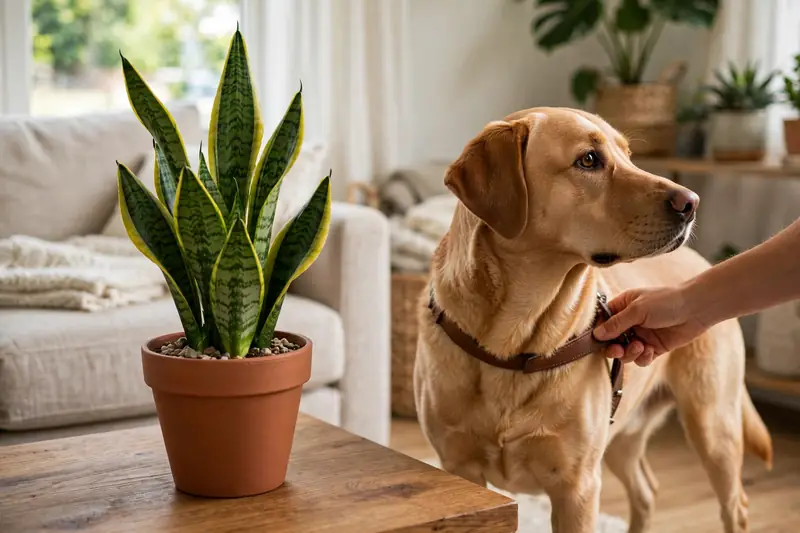
Do not induce vomiting on your own. Plant material coming back up can irritate the throat a second time, and vomiting is only appropriate when a professional advises it. You can read how vomiting is induced in dogs to understand the controlled process, but this is a call-the-vet situation, not a home-treatment one.
Offer small sips of water to soothe the mouth, and watch your dog closely for the next several hours. Save any vomited material in a bag in case the vet wants to see it. Most vets will advise monitoring at home for mild signs, but they may want to examine dogs that ate a lot or are already vomiting repeatedly.
If vomiting has been heavy, ask your vet whether electrolytes for dogs are appropriate to support hydration while the stomach settles. Do not reach for human sports drinks on your own, since their sugar and additive load is wrong for dogs. Keep the dog’s environment calm and quiet, and hold off on rich food or new treats for a day or two. A settled stomach recovers faster when it is not asked to do extra work.
How Vets Treat Snake Plant Poisoning
Treatment is supportive, meaning the vet manages the symptoms while the body clears the saponins. For mild cases, that may be as simple as monitoring, bland food for a day or two, and fluids if the dog is dehydrated. There is no specific antidote, and none is needed.

If vomiting is persistent, the vet may give anti-nausea medication and IV or subcutaneous fluids. Activated charcoal is sometimes used for plant ingestions, but only under veterinary direction and timing. Our article on activated charcoal for dogs explains how it works when a vet chooses it.
Blood work is rarely necessary for a straightforward snake plant case, since saponins do not typically damage organs. The vet will focus on hydration, comfort, and making sure nothing else was eaten. Most dogs bounce back within 24 to 48 hours. A gentle bland diet for dogs helps the stomach settle during recovery.
Why Dogs Chew Houseplants (and How to Stop It)
Dogs chew plants out of boredom, curiosity, teething discomfort, or simply because the leaves move and look interesting. Puppies explore the world with their mouths, and a tall, wiggly snake plant leaf is an inviting target. Some dogs also chew greenery when their stomach already feels off.

Boredom is the most fixable cause. A dog that gets long walks, play sessions, and chew toys is far less interested in your decor. Rotate toys to keep them novel, and consider puzzle feeders that make the dog work for meals. A tired dog is a well-behaved dog, and that applies to houseplants too.
For persistent chewers, bitter apple spray on the pot (not the leaves your dog might ingest in quantity) can deter interest, and training a solid “leave it” command pays off everywhere. Never punish a dog after the fact; they will not connect the scolding to the plant. Redirect, reward the right choice, and manage the environment so the wrong choice is harder to make.
Pet-Safe Houseplants That Look Just as Good
You do not have to give up indoor greenery. The spider plant is the classic dog-safe choice: arching striped leaves, very forgiving, and non-toxic. Boston ferns add lush fullness to hanging baskets, and parlor palms bring height without danger indoors.

Other safe picks include the money tree, calathea varieties with their patterned leaves, and most true palms. Herbs like basil and thyme are safe too, and growing them in the kitchen gives you fresh seasoning as a bonus. Always verify a new plant against the ASPCA toxic plant database before buying, since common names can be misleading.
Swapping plants is the most reliable fix for a determined chewer. You can keep your snake plant at the office or give it to a pet-free friend, and fill the empty corner with something from the safe list. PetMD‘s veterinary reviewers recommend auditing every plant in a pet home, not just the obvious ones.
When you shop, bring the botanical name with you, not just the common one. “Snake plant” alone has referred to several different Sansevieria species over the years, and common names shift between nurseries. A quick photo of the plant tag lets you check the ASPCA database accurately at home before the plant ever crosses your threshold.
Quarantine new plants for a few days in a closed room while you confirm they are safe. It is a small habit that prevents the classic mistake: buying a “pet-safe” plant on a store employee’s word, only to learn later it was mislabeled. Trust the database, not the shelf tag.
Keeping Snake Plants Out of Your Dog’s Reach
If you are keeping the snake plant, placement is everything. High shelves, hanging planters, and rooms the dog cannot enter all work. Remember that a determined jumper or a tall breed can reach further than you think, so test the spot from your dog’s perspective.
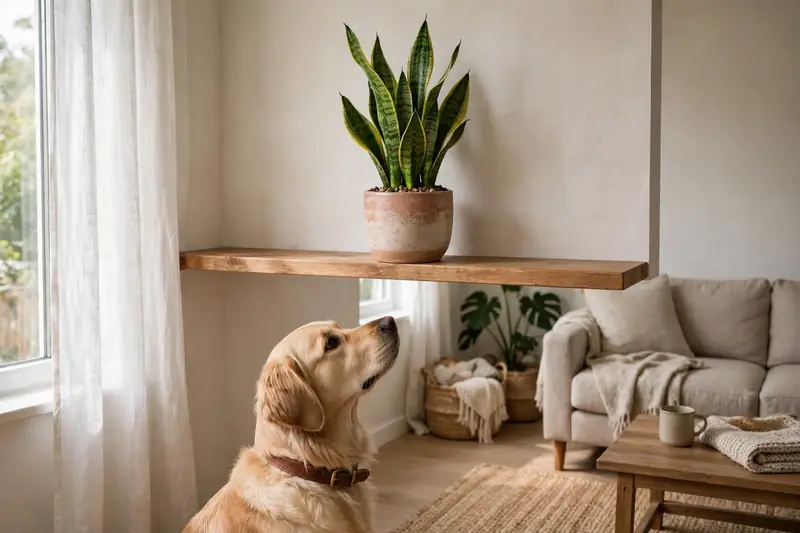
Fallen leaves are an easy detail to miss. Snake plants drop the occasional dried leaf, and a foraging dog will find it on the floor. Check under and around the pot weekly. If the plant lives in a room the dog uses, a baby gate is a simple barrier that still lets light through.
Talk to everyone in the household, including kids and visitors, about the rule. One well-meaning person moving the plant “temporarily” to a low table undoes all your planning. A small tag on the pot noting it is toxic to pets helps guests remember. Consistency across the household is what makes placement strategies actually work.
Other Common Houseplants That Are Toxic to Dogs
Snake plants are far from the only risk in the average living room. Pothos and philodendron contain calcium oxalates that burn the mouth. Lilies are extremely dangerous to cats and harmful to dogs. Aloe vera causes vomiting and diarrhea, and sago palm is one of the most dangerous of all, with liver-destroying toxins in every part.
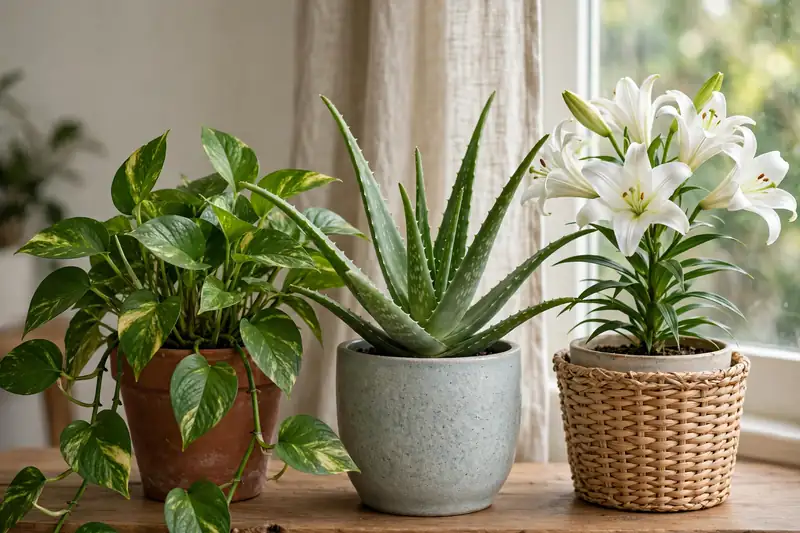
Dieffenbachia, ZZ plants, and rubber plants round out the usual suspects found in homes and offices. If you are unsure about any plant you own, search the ASPCA database by its botanical name. The American Kennel Club also publishes pet-poison plant lists written for owners rather than botanists.
Doing one full audit of your home is worth an afternoon. Walk room to room, photograph each plant, and check them all in one sitting. Replace or relocate the toxic ones, and keep the poison control number saved in your phone. If a dog ever seems queasy after plant contact, a little bone broth for dogs can encourage fluids while you call the vet.
Frequently Asked Questions
Will a snake plant kill my dog?
It is very unlikely. Snake plant poisoning in dogs is typically mild to moderate, causing vomiting and diarrhea rather than organ failure. Deaths are extraordinarily rare. Still, call your vet for every exposure, since individual reactions vary.
How much snake plant is dangerous for a dog?
Any amount can cause irritation, but severity tracks with how much was eaten. A nibbled leaf tip often causes only drooling, while several shredded leaves can mean a rough day of vomiting and diarrhea. Small dogs are affected by smaller amounts.
What are the first signs my dog ate a snake plant?
Drooling, pawing at the mouth, nausea, vomiting, and diarrhea usually appear within a few hours. You may see leaf pieces in the vomit. Loss of appetite and mild lethargy often follow for a day.
Should I induce vomiting if my dog ate a snake plant?
No, not on your own. Vomiting plant material can re-irritate the throat, and the decision belongs to your vet or poison control. Call them, describe what happened, and follow their instructions.
How long does snake plant poisoning last in dogs?
Most dogs recover within 24 to 48 hours with supportive care and rest. Persistent vomiting beyond a day, bloody stool, or worsening lethargy means the dog should be seen promptly rather than monitored at home.
Are snake plants toxic to cats too?
Yes, snake plants are toxic to cats as well, and cats tend to chew houseplants more often than dogs. The same saponins cause vomiting, diarrhea, and drooling in cats. Keep the plant out of reach of all pets.
What is a good alternative to a snake plant?
Spider plants, Boston ferns, parlor palms, calatheas, and money trees are all non-toxic to dogs and look great indoors. They need a bit more water and attention than a snake plant, but the peace of mind is worth it.



2 thoughts on “Are Snake Plants Toxic to Dogs? What Every Owner Should Know”