Yes, dogs can drink too much water, and the result is a genuine emergency. When a dog swallows a large amount of water very quickly, usually during swimming or hose play, blood sodium drops to dangerous levels. Cells swell, brain cells swell with them, and the dog can go from playful to seizing in under an hour. The condition has a name, water intoxication or hyponatremia, and it kills dogs every summer. Normal drinking from the bowl is not the problem. Speed is.
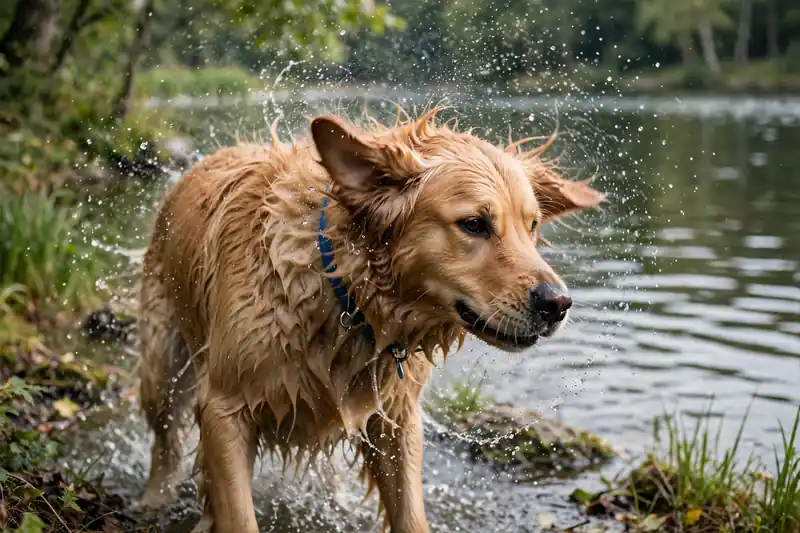
Can dogs drink too much water? The short answer
Dogs can drink too much water when they swallow large amounts very fast, most often while swimming, diving for toys, or biting at hose streams. The excess water dilutes blood sodium, a condition called hyponatremia, and causes dangerous swelling in the brain. It is a veterinary emergency with no safe home treatment. Ordinary bowl drinking does not cause it, so never restrict your dog’s normal water.
This distinction is the whole article in one paragraph. Your dog’s kidneys handle normal drinking beautifully, adjusting output to match intake all day long. Water intoxication happens when intake overwhelms that system in minutes: gulp after gulp during water play, each mouthful adding to a flood the kidneys cannot drain fast enough. The AKC’s guide to water intoxication puts it plainly, noting that even play-biting a garden hose stream can overload a dog’s system.
What water intoxication does inside the body
Blood sodium acts like a traffic controller for water, keeping fluid balanced between the bloodstream and the cells. Flood the blood with pure water and sodium concentration falls. Osmosis then pulls water into the cells to rebalance, and the cells swell. Most organs tolerate some swelling. The brain cannot, because the skull gives it nowhere to expand.
That is why the symptoms turn neurological so fast. Rising pressure inside the skull damages brain cells, and the damage can become permanent within hours. Veterinarians call the underlying state hyponatremia, meaning low blood sodium, and the PetMD veterinary guide describes the classic cascade: staggering, lethargy, nausea, bloating, vomiting, dilated pupils, glazed eyes, pale gums, and excessive drooling, progressing in severe cases to breathing difficulty, collapse, seizures, coma, and death.
One number gives the scale. Emergency vets cite roughly 15 percent of body weight in water, swallowed over a short period, as the zone where intoxication risk becomes real. For a 20-pound dog, that is about 3 pounds of water, less than half a gallon, an amount a water-obsessed retriever can swallow during a long fetch session without anyone noticing. There is no official safe limit, because size, speed, and duration all interact. Treat any frantic water gulping during play as the warning it is.

The three scenarios that cause it
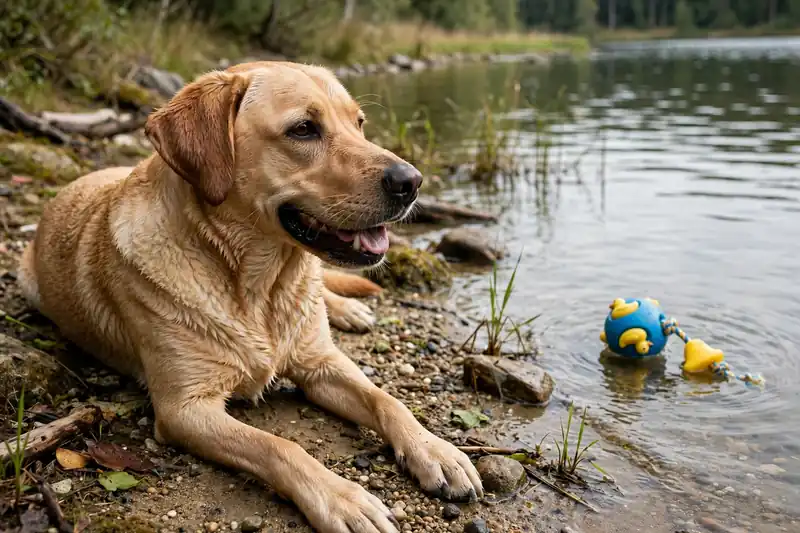
Swimming with an open mouth causes most cases. Dogs that swim with their mouths open, bite at waves, or swallow water with every stroke take in astonishing volumes over a long session. Diving for toys is worse, because each dive forces water in. A dog that fetches from deep water for an hour straight is the classic patient.
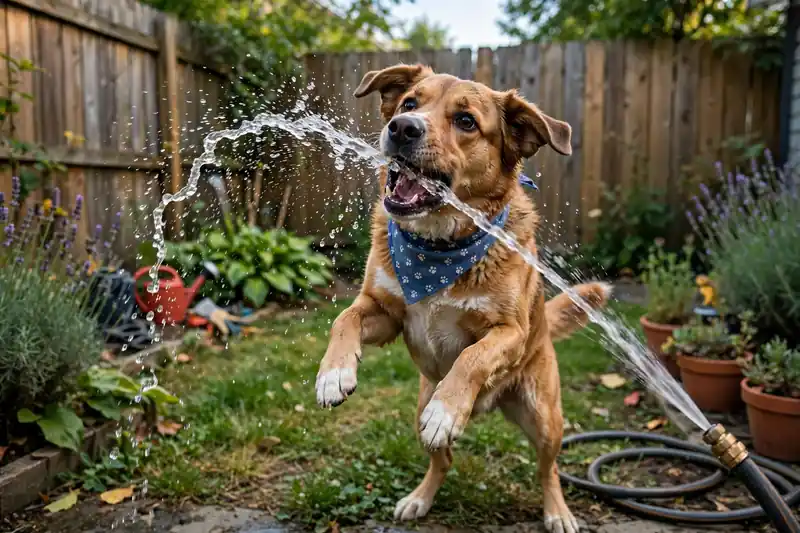
Hose and sprinkler play comes second. A dog snapping at a hose stream swallows water continuously while having the time of its life, and owners read it as harmless fun. The AKC specifically flags this one: the stream looks like a game, but the intake is relentless. Kiddie pools with hose refills create the same pattern on a smaller stage.
Post-exercise gulping is the quiet third. An overheated dog that drains a huge bowl in seconds after hard exercise is drinking fast enough to matter, especially a small dog. Offer water after exercise in smaller amounts with pauses, rather than one enormous bowl all at once.
Symptoms by stage: what to watch for
Signs can begin within 20 to 30 minutes of heavy water intake, though sometimes they take a few hours. The progression below is the pattern vets describe. Earlier is always better for treatment, so do not wait for the next stage to confirm your suspicion.
| Stage | Signs | Action |
|---|---|---|
| Early | Drooling, nausea, vomiting water, bloated belly, lethargy, restlessness | Stop all water play, call your vet now |
| Worsening | Wobbly walking, glazed eyes, dilated pupils, pale gums, confusion | Emergency vet, go now |
| Severe | Collapse, difficulty breathing, seizures, coma | Emergency clinic immediately, every minute counts |
The early stage is easy to misread as tiredness after swimming. A dog that vomits clear water repeatedly after water play, then seems oddly flat or wobbly, is not just tired. Trust the pattern over the individual symptom. If the dog was gulping water and now looks wrong, act.

Dogs at higher risk
Water-obsessed breeds top the list. Retrievers, spaniels, and other water dogs live for the fetch game, and their enthusiasm is exactly what drives dangerous intake volumes. A Labrador that would happily retrieve until sunset can swallow an astonishing amount of lake water in a single session without ever looking distressed. The dog’s joy is real. The risk hiding inside it is real too.
Small and toy breeds come next, for pure math. A body of eight pounds reaches a risky intake ratio far sooner than a body of eighty, doing the same activity for the same time. Puppies compound the problem by playing the hardest and self-regulating the least. They do not take breaks on their own, which is why the 15-minute rule matters most for the youngest and smallest swimmers.
Heat multiplies everything. Hot weather means longer swim sessions, harder play, and stronger thirst, all pushing intake up at once. Summer afternoons at the lake are peak season for a reason. None of this means keeping water-loving dogs out of the water. It means the dogs most drawn to water get the most structured breaks.

What to do: the emergency protocol
There is no home treatment for water intoxication. Do not give salt, salty food, or sports drinks or electrolyte products to “replace the sodium.” Correcting sodium too fast can cause a devastating brain injury called osmotic demyelination, which is why vets raise sodium slowly, typically no faster than about 0.5 to 1 mEq/L per hour, while monitoring bloodwork constantly. This is hospital work, full stop.
Your job is speed and information. Get the dog to an emergency vet immediately and call ahead so the team is ready. If a poisoning hotline is faster to reach, the ASPCA Animal Poison Control Center handles urgent toxicity calls around the clock. Report what the dog was doing, for how long, and roughly how much water it swallowed. Note when symptoms started and what you have seen. At the clinic, treatment usually means carefully chosen IV fluids, drugs to reduce brain swelling such as mannitol, diuretics to remove excess fluid, and seizure control if needed. Caught early, many dogs recover fully. Caught late, the brain damage can be permanent or fatal, which is why the drive matters more than anything you could do at home.

Prevention: rules for safe water play
Take breaks. Every 15 minutes of water play, call the dog out for a few minutes of land rest. This single habit prevents most cases, because it breaks the continuous gulping cycle and lets the kidneys catch up. Use flat floating toys instead of sinking ones, so the dog is not diving and inhaling water with every retrieve.
Discourage hose-biting directly. Redirect the game to something that does not involve swallowing the water supply. In pools, watch the shallow-end lappers too, since steady lapping adds up over a long afternoon. After swimming, offer normal bowl water in the usual way and let the dog drink at its own pace.
Small and toy breeds deserve extra vigilance. Their bodies have less room for error, and they reach dangerous intake ratios faster than a large dog doing the same activity. None of this means small dogs cannot swim. It means their sessions run shorter and their breaks run longer.
Salt water is a different emergency
Dogs that drink seawater face the mirror-image problem. Salt water drives sodium dangerously high, a condition called hypernatremia or salt poisoning, with its own symptom set: extreme thirst, vomiting, diarrhea, tremors, and seizures. The treatment differs completely, which is why telling the vet whether the water was fresh or salt matters.
Do not confuse the two at the beach. A dog vomiting after swallowing seawater needs the same urgency as a freshwater case, but the vet needs to know which direction the sodium went. When in doubt, say exactly what happened and let the bloodwork decide.

Normal bowl drinking is safe: do not restrict water
This point needs its own section because frightened owners overcorrect. A dog drinking normally from its bowl throughout the day will not give itself water intoxication. The kidneys evolved for exactly this job, and healthy dogs self-regulate intake well. Restricting bowl water risks dehydration, which brings its own dangers, especially in summer.
The one exception is medical. If your vet has restricted water for a specific condition or before a procedure, follow that instruction. Otherwise, keep fresh water available at all times, refill often in hot weather, and save your vigilance for the speed of intake during play, not the total in the bowl. Dogs that drink excessively day after day, far beyond normal, should see a vet anyway, since constant extreme thirst can signal diabetes, kidney disease, or other conditions worth diagnosing. The AKC’s guide to excessive thirst explains how vets work up the cause. For everyday drinking options beyond the bowl, the what dogs can drink guide covers the safe list.

The takeaway is simple: never restrict normal drinking, and manage the risky situations instead. Keep play sessions with hoses and sprinklers short, watch pool and lake time, and know the early signs of water intoxication so you can act fast. Most dogs will never come close to danger. The ones at risk are the obsessive drinkers and the hard-playing swimmers, and both do fine with a watchful owner.
Frequently asked questions about dogs drinking too much water
Owners usually ask about hose play, how much is too much, and whether bowl drinking is safe. The answers below cover the questions that come up most often.
Can playing with a hose really cause water intoxication?
Snapping at a hose or sprinkler stream leads to continuous swallowing, and the AKC names it specifically as a cause. It looks like harmless fun, which is exactly why it catches owners off guard.
How much water is too much for a dog?
There is no fixed number. Emergency vets cite around 15 percent of body weight swallowed quickly as the danger zone, but size, speed, and duration all matter. Small dogs reach risky ratios faster than large ones.
How fast do symptoms appear?
Anywhere from 20 to 30 minutes after heavy intake to a few hours later. Early signs like vomiting water, bloating, and lethargy can look like ordinary tiredness, so consider the context of water play.
Should I limit my dog’s water bowl after learning this?
Normal bowl drinking does not cause water intoxication, and restricting water risks dehydration. The danger is rapid intake during water play, not the daily total.
Can water intoxication be treated at home?
There is no safe home treatment, and giving salt or sports drinks can cause serious harm. Emergency veterinary care with slow, monitored sodium correction is the only safe treatment.
Is salt water intoxication the same thing?
No, it is the opposite problem. Fresh water drives sodium too low, while seawater drives it too high. Both are emergencies, both need a vet fast, and the vet needs to know which water was involved.

Water intoxication is frightening precisely because it strikes during fun. The prevention is almost boringly simple: breaks every 15 minutes, no hose-biting games, flat toys instead of diving toys, and a watchful eye on the enthusiastic gulpers. Know the early signs, and a bad afternoon at the lake stays a story instead of becoming a tragedy.
*Disclaimer: This article is for general information only and is not veterinary advice. Water intoxication is a medical emergency. If your dog shows symptoms after heavy water intake, go to an emergency veterinarian immediately rather than trying any home treatment.*