Most vets let dogs drink water until 2 to 3 hours before surgery, then ask you to pick up the bowl. Food gets a much longer fast, usually 8 to 12 hours, because water leaves the stomach far faster than kibble does. The rule exists for one reason. Anesthesia relaxes the reflexes that keep stomach contents out of the lungs, and anything left in the stomach can come back up and cause aspiration pneumonia. Your own vet’s instructions beat any general guideline here, since protocols vary from clinic to clinic and dog to dog.

Can dogs drink water before surgery? The short answer
Dogs can usually drink water until 2 to 3 hours before surgery, but not on the morning of the procedure itself. Food needs a longer fast of 8 to 12 hours. Every clinic sets its own cutoff, so the instruction sheet your vet hands you is the final word, not a blog post. When in doubt, call the clinic and ask.
Water gets the shorter fast for a simple mechanical reason. Liquids pass through a dog’s stomach in minutes, while solid food needs six to eight hours to clear under normal circumstances. That difference is why the AKC’s surgery prep guide treats food and water as two separate questions, and why PetMD’s anesthesia guide notes that fasting a dog the night before is standard while water rules stay looser. The goal is an empty stomach at induction, and water simply empties faster.

Why vets restrict water at all: the aspiration problem
General anesthesia switches off the gag reflex. The larynx relaxes, the esophageal sphincter loosens, and stomach contents can flow the wrong way. If vomit reaches the lungs, the result is aspiration pneumonia, a serious and sometimes fatal complication. The VCA’s anesthesia guide names improper fasting as a specific anesthesia danger for exactly this reason: an unconscious dog cannot swallow to protect its airway.
Water is less dangerous than food here, but it is not zero risk. A stomach full of water can still regurgitate under anesthesia. That is why the cutoff exists even for water, just closer to the procedure. Think of the fast as two clocks running at different speeds. The food clock starts the night before. The water clock starts a few hours before the appointment.

The standard cutoff most vets actually use
No single protocol covers every clinic, but the pattern below shows up again and again in pre-surgical instructions. Use it to understand the shape of the rules, then follow your vet’s version.
| Item | Common cutoff | Notes |
|---|---|---|
| Food | 8 to 12 hours before | No food after 8 to 10 pm the night before a morning procedure |
| Treats and chews | Same as food | Training treats, dental chews, and rawhide all count |
| Water | 2 to 3 hours before | Many clinics say pick up the bowl the morning of surgery |
| Medications | Ask your vet | Some morning meds are fine with a sip of water; some are not |
Some clinics are stricter and ask for no water from midnight. Others are looser and allow water until you leave for the clinic. PetMD’s spay surgery guide, for example, describes the classic “no food or water after midnight” instruction for that procedure. Neither approach is wrong. The right answer is the one printed on your discharge sheet, because the anesthetist plans around it.
The night before surgery: a simple timeline
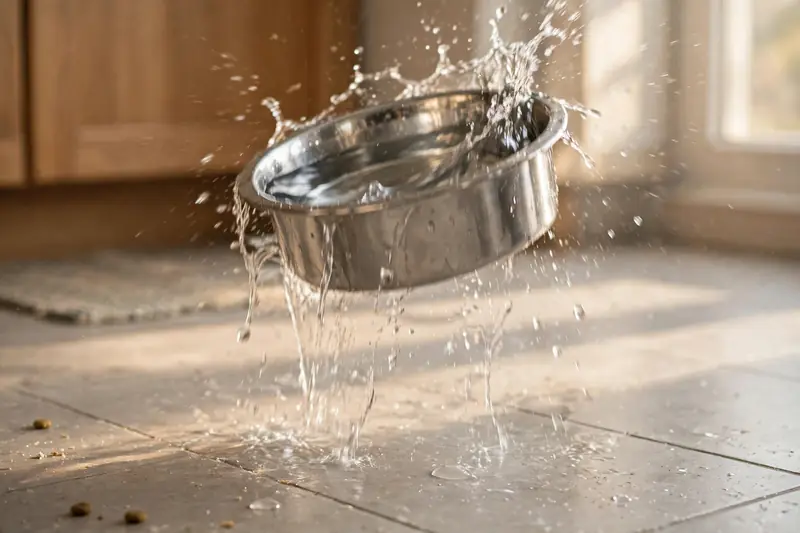
Feed the last meal by early evening, around 7 or 8 pm for a morning procedure. Then pick up the food bowl. Leave water down overnight unless your vet told you otherwise, since a hydrated dog handles anesthesia better and most clinics only restrict water in the final hours.
Keep your dog indoors for the evening. An outdoor dog can drink from puddles, birdbaths, or a neighbor’s bowl, and any of those reset the water clock without you knowing. In a multi-dog house, separate the surgery patient or pick up every bowl in the house. Dogs are observant thieves when another bowl still has water in it.
Take a short walk before bed so your dog empties its bladder and bowels. A comfortable dog sleeps better, and the clinic appreciates a dog that arrives already walked. If your vet prescribed a mild sedative for the morning, confirm whether it goes down with a tiny sip of water or on its own.

The morning of surgery: hour by hour
Pick up the water bowl first thing. No breakfast, no training treats, no dental chew, no sneaky bite of toast. Chews and rawhide count as food because they sit in the stomach for hours, and a bully stick at 6 am can ruin an 8 am induction.
Walk your dog on a leash for a few minutes. Short and calm beats long and exciting. Then head to the clinic on time. The team needs the buffer for the pre-anesthetic workup: exam, bloodwork, and catheter placement.
Tell the staff everything, even the embarrassing bits. If the dog licked the cat’s food bowl at midnight, say so. The anesthetist would rather adjust the plan than discover it mid-procedure.
If your dog already drank water, call your vet now
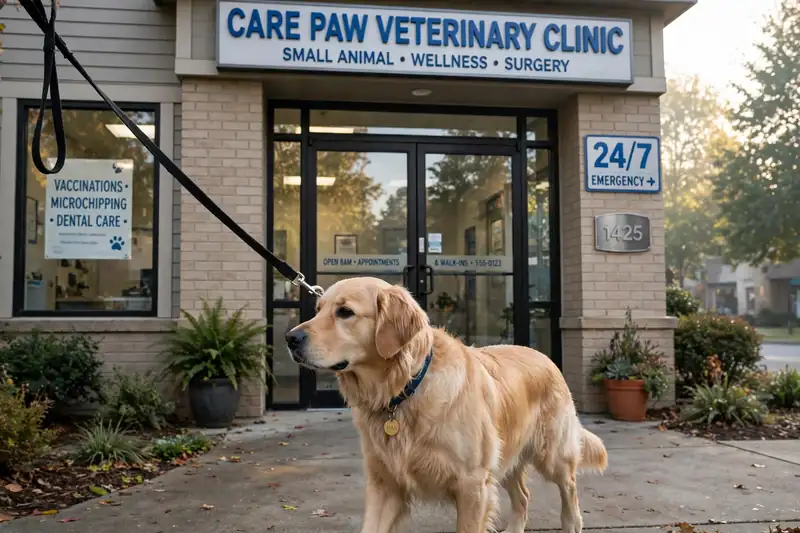
Do not try to fix it quietly. Call the clinic, say how much water your dog drank and when, and let the vet decide. Water is less serious than food here. A dog that drank more than two hours before the procedure is usually still a fine anesthesia candidate, since the stomach has likely cleared it. A big drink 30 minutes before induction is a different story, and the vet may push the surgery back by an hour or two.
Never hide an accidental drink because you fear the lecture. The anesthetist doses drugs and plans monitoring around an empty stomach. Surprises under anesthesia are how bad mornings happen. A rescheduled surgery costs you a day. Aspiration pneumonia can cost far more.

Puppies, seniors, and diabetic dogs play by different rules
Very young puppies cannot fast like adults. A puppy under four months old risks low blood sugar if fasted too long, so many vets allow food and water much closer to the procedure, sometimes until the morning of. Diabetic dogs get custom instructions too, because fasting and insulin interact in ways that need a vet’s math, not a blog’s.
Senior dogs often get the standard fast with extra monitoring, since anesthesia already asks more of aging kidneys and livers. Dogs with kidney disease deserve a special mention: dehydration plus anesthesia is a rough combination, which is why your vet may tweak the water cutoff for a dog with kidney disease. Brachycephalic breeds like bulldogs and pugs carry higher anesthesia risk in general, so their fasting instructions tend to be strict. If your dog falls into any of these groups, the phone call matters more than the article.

Even ice cubes count as drinking
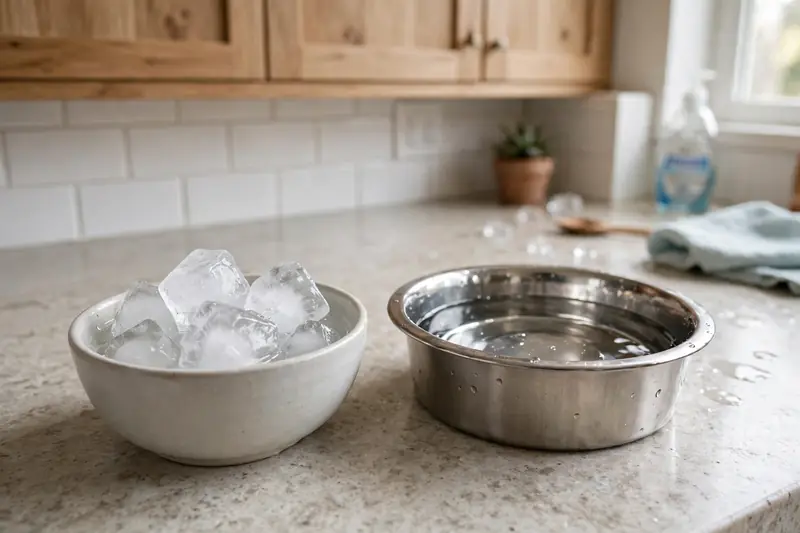
Ice cubes are water in slow motion. A dog crunching ice an hour before surgery is drinking, just on a delay. Flavored water additives and broth toppers count as intake too, and milk behaves more like food than water in the stomach, so it follows the food cutoff, not the water one. When the bowl comes up, everything drinkable except plain water goes with it.
This is also the morning to skip the lick mat, the frozen Kong, and the dental chew you normally give out of habit. Anything that takes hours to digest is food for fasting purposes. Plain water, within your vet’s window, is the only thing that goes in.
Water after surgery: when the bowl comes back
Most dogs can have small amounts of water once they are awake and steady, usually a few hours after the procedure. Offer a little at a time rather than a full bowl. Some dogs drink frantically after anesthesia and then vomit it straight back up, which is miserable for everyone and can irritate a fresh incision from the heaving.
Appetite usually returns within 24 hours. A half-size portion of something light, like the bland diet of boiled chicken and rice, is the classic first meal. If your dog has not eaten within 48 hours, call the vet, since that can signal pain or infection rather than normal grogginess. And do not be surprised if your dog ignores the fancy recovery food and begs for its regular kibble. Hunger returning is a good sign.
One reassurance for the drive home: your dog will not dehydrate from a few hours without water. Clinics run IV fluids during surgery precisely to keep blood pressure and hydration steady while the dog cannot drink. The fast is a planned, monitored pause, not neglect.

The fasting rules feel strict because the stakes are real. An empty stomach keeps anesthesia safe, and every hour of the water cutoff exists for a reason your vet can explain in one sentence. Follow the clinic’s instructions exactly, write down the cutoff time the night before, and set an alarm so the morning does not get away from you. Tell every family member the rule, since one well-meaning bowl refill undoes the whole plan. After surgery, offer water in small amounts and let the vet set the pace. Most dogs bounce back fast, and the brief fast is a small price for a safe procedure. When the clinic gives a specific time, that time wins.
Frequently asked questions about water before surgery
Owners usually ask about the exact cutoff and the sneaky sources of water that catch people out. The answers below cover the questions that come up most often.
How long before surgery should my dog stop drinking water?
Most vets say 2 to 3 hours before the procedure, with the bowl picked up the morning of surgery. Some clinics say no water after midnight, and some allow water until you leave the house. Follow your clinic’s sheet.
Can my puppy drink water before surgery?
Puppies under four months old usually get shorter fasts because of low blood sugar risk. Many vets let young puppies have water, and sometimes food, closer to the procedure. Ask your vet for the puppy-specific protocol.
What if my dog drank water 30 minutes before surgery?
Call your vet immediately and report the amount and timing. The vet may delay the procedure by an hour or two to let the stomach clear. Do not hide it. Water this close to induction raises the aspiration risk.
Can my dog have ice cubes instead of water before surgery?
No. Ice cubes are just slow water, and they follow the same cutoff. Some vets allow a chip or two closer to the procedure than a bowl of water, but only if they say so first.
Should I withhold water the whole night before?
Usually not. Most protocols keep water available overnight and restrict it only in the final hours. Withholding water all night is an older approach some clinics still use, so check your instructions rather than assuming.
When can my dog drink normally after surgery?
Once awake and steady, offer small amounts, then return to normal access over a few hours. If your dog vomits after drinking, wait a bit and try a smaller amount. Call the vet if vomiting repeats.
For a broader look at what your dog can safely drink day to day, the what dogs can drink guide covers the everyday options, and coconut water comes up a lot as a post-exercise question.
Water before surgery follows a simple logic once you see it. Food fasts long because it digests slowly. Water fasts short because it clears fast. Your vet’s cutoff is the only number that matters, the night before is about removing temptation, and an honest phone call fixes almost every accident. Get those three right and the anesthesia team gets the empty stomach they need.
*Disclaimer: This article is for general information only and is not veterinary advice. Fasting protocols vary by clinic and by dog. Always follow your veterinarian’s specific pre-surgical instructions, and call your vet with any questions before the procedure.*