The FDA’s animal and veterinary recall list is the official place to check whether your dog’s food has been recalled. Every recall notice names the brand, the product, the lot codes, and the reason, so you can match the bag in your kitchen against the list in minutes. This guide shows you where to look, how to read a recall notice, how to get alerted automatically, and what to do if your food is on the list.
What is the FDA dog food recall system? The short answer
The FDA, through its Center for Veterinary Medicine, oversees dog food recalls in the United States. When a pet food is found contaminated, mislabeled, or otherwise unsafe, the manufacturer removes it from shelves, usually voluntarily, sometimes at the FDA’s request. Every action gets posted on the FDA’s public recall list for animal and veterinary products. Checking that list is free and takes minutes. It is the single most reliable way to know whether your dog’s food is affected.
The system exists because pet food problems are found after products ship. A contaminated batch can reach thousands of homes before anyone gets sick, so the recall machinery is designed for speed: identify the problem, pull the product, tell the public, and track what happens next. Understanding how that machinery works turns you from a worried bystander into an informed owner who can act in minutes.
Where to check: the official recall list
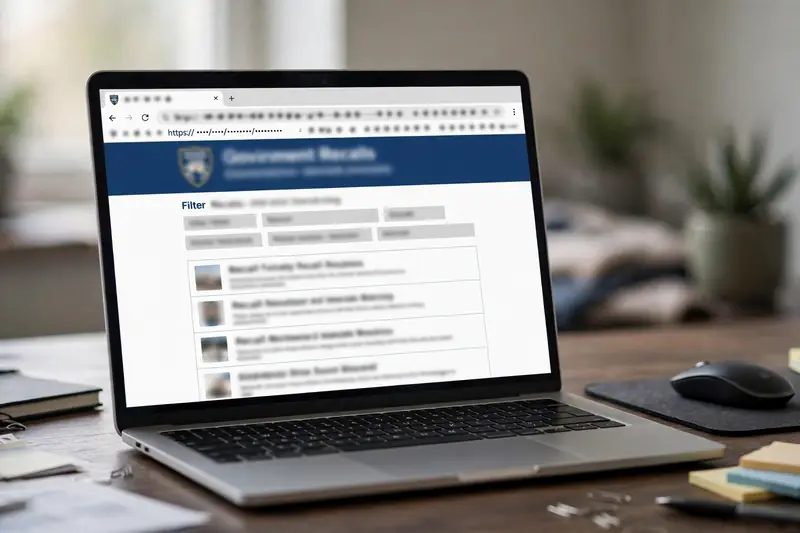
The authoritative source is the FDA’s recall page for animal and veterinary products. The FDA recalls and withdrawals page lists every active animal-food recall and withdrawal notice, each one linking to a full announcement with the details you need. Bookmark it. This is the page to check any time you hear a rumor about a recall, because rumors routinely name the wrong brand, the wrong product, or a recall from years ago.
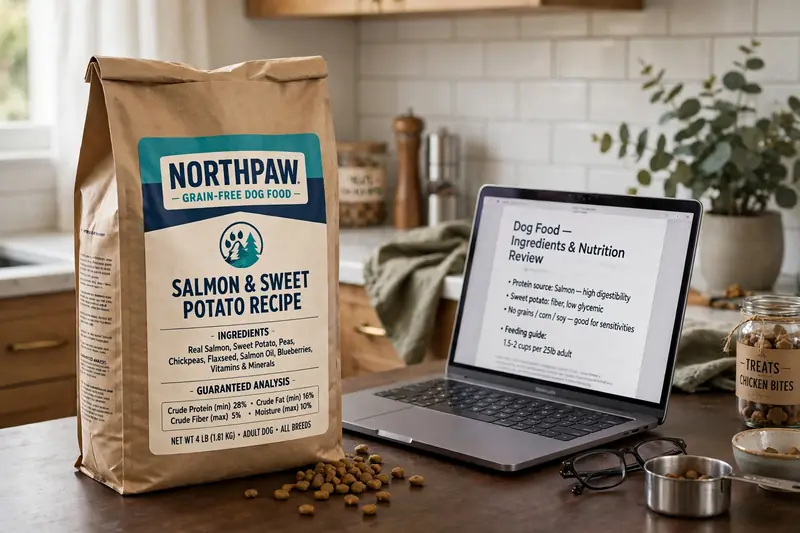
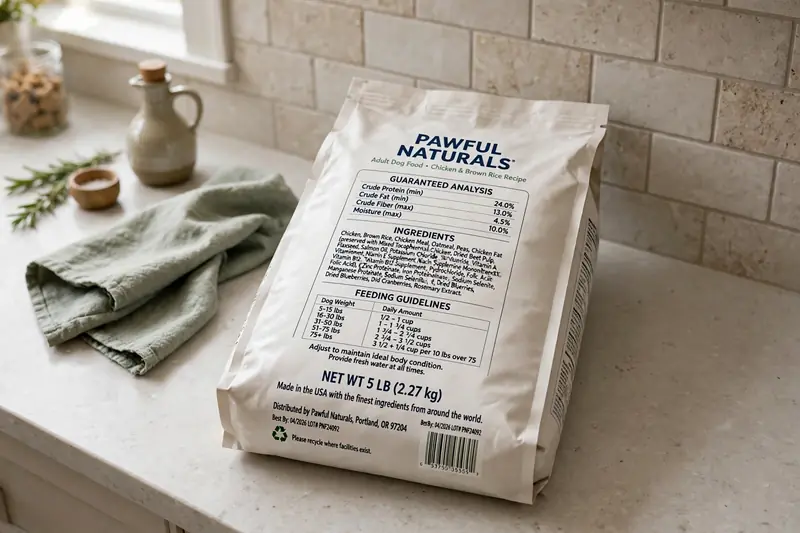
Each notice follows the same structure. It names the company and the brand, lists the exact products and sizes affected, gives the lot codes and best-by dates, describes the reason for the recall, and tells you what to do: stop feeding it, return it, watch for symptoms. The lot code is the key detail. A recall almost never covers every bag a company ever made. It covers specific production runs, and the lot code on your bag tells you whether yours is one of them.
State agriculture departments sometimes post their own notices, and the FDA’s animal foods and feeds page explains the broader safety system behind those notices. But for the question “is my dog’s food recalled right now,” the FDA recall list is the single source of truth. Third-party sites and social media posts can help you hear about a recall, but verify every claim against the FDA page before acting on it.
How to get recall alerts automatically
Waiting to hear about a recall by chance is a bad strategy. The FDA’s Center for Veterinary Medicine runs an email update system, and signing up takes a few minutes. The CVM contact and updates page points you to the “Stay Informed” signup, where you can subscribe to animal food updates. New recall announcements then land in your inbox as they are issued, usually the same day.
Make the alerts useful with one habit. When each new bag or can of dog food enters your house, photograph the lot code and best-by date. Owners who do this can check an alert against their pantry in thirty seconds, and the photo also helps with refunds or problem reports.
Retailers add a second safety net. Many pet stores and online sellers email or text customers who bought a recalled product, using purchase records. This only works if you buy through an account rather than as a guest, so consider that the next time a checkout page offers guest mode. Between FDA alerts and retailer notices, a diligent owner rarely misses a recall that matters.
Recall vs withdrawal vs advisory: what the terms mean
The words get used interchangeably, but they mean different things. A recall is the removal of a product that violates FDA regulations or poses a health risk. Most recalls are voluntary, meaning the company initiates the removal itself once a problem is found, often after FDA testing or consumer complaints flag it. The FDA can also request a recall, and in some cases order one.
A market withdrawal is quieter. It covers products removed for minor issues that do not violate regulations in a way that threatens health, like a labeling quirk the company wants to fix. Withdrawals still appear on the FDA’s list, but they carry less urgency than recalls.
An advisory is a warning without a product removal. The FDA issues advisories when it has safety concerns but the product has not been formally recalled, often because the investigation is ongoing. The distinction matters for your response: a recall or advisory naming your product means stop feeding it now, while a withdrawal of a different lot than yours means no action needed.
Recall classes: how serious is it
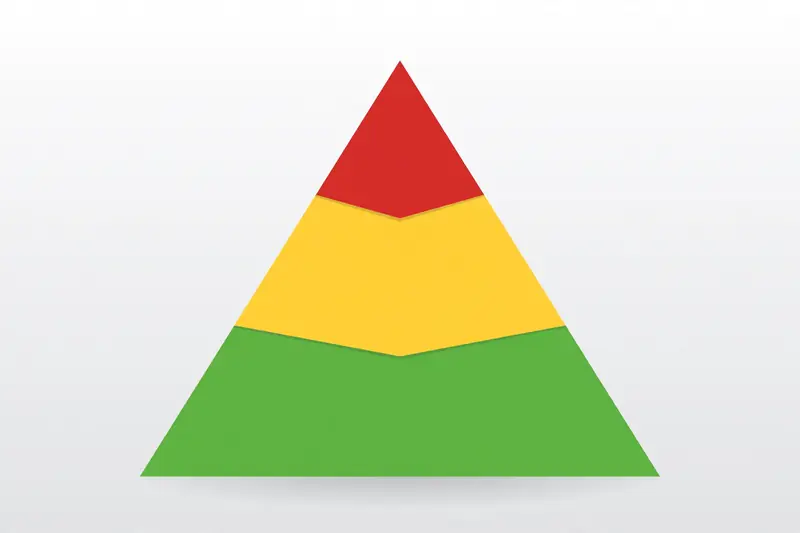
The FDA sorts recalls into three classes by severity. Class I is the most serious: a reasonable probability that the product will cause serious health problems or death. Contamination with Salmonella or Listeria in pet food typically lands here, since those bacteria can sicken dogs and the people handling the food. A Class I recall naming your lot code is a stop-feeding-immediately situation.
Class II means the product might cause temporary or reversible health problems, with a remote chance of serious harm. Nutrient imbalances often fall in this class: a food with too little of an essential vitamin will not poison a dog overnight, but feeding it for weeks causes real harm. Class III is the mildest: the product is unlikely to cause health problems, usually a labeling or packaging violation with no safety impact.
The class tells you how fast to move, not whether to act. Even a Class III recall deserves a check of your lot codes, because the classification describes the risk, not your specific bag. Read the reason, match your codes, and follow the notice’s instructions.
How to read a recall notice like a pro
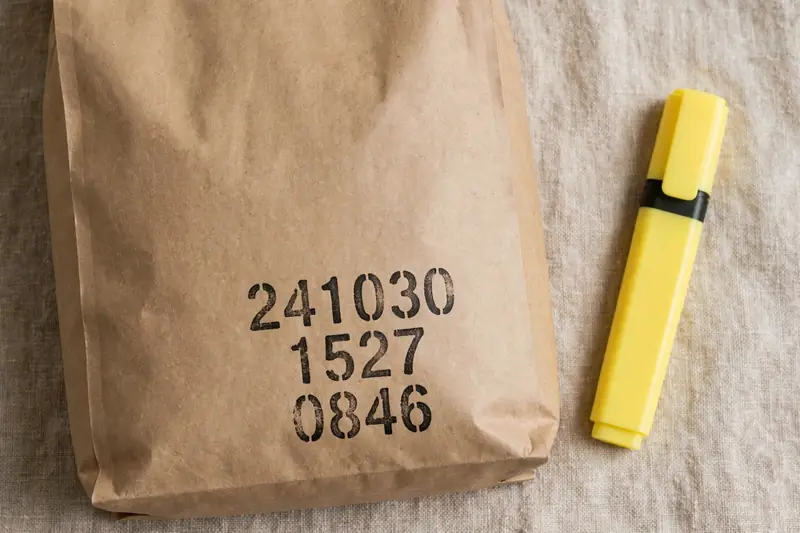
Open the notice and find four things. First, the product identity: brand name, product name, and package sizes. Marketing names can be confusing, with similar products in the same line, so match the exact product name on your bag, not just the brand. Second, the lot codes and best-by dates, usually printed as a list or a range. These are almost always on the back or bottom of the bag, or stamped on the can.
Third, the reason. The notice states plainly what was found: bacterial contamination, foreign material, elevated or deficient nutrient levels. This tells you what symptoms to watch for. Fourth, the instructions: stop feeding, return the product to the store for a refund, and contact the company or your vet if your dog shows symptoms. Save the notice or screenshot it. If your dog gets sick, the vet will want to see exactly what the recall said.
One more detail experienced owners check: the distribution list. Notices often state which states or retailers received the affected lots. If your state is not listed, your risk is probably lower, though lot codes remain the final word. Products move through online sellers and discount channels in ways distribution lists do not always capture.
Recent notable cases: why this system matters
The recall list stays active year-round. In late summer, a raw pet food maker recalled frozen products over Salmonella and Listeria contamination, a major manufacturer recalled thousands of canned dog food cases over potential metal contamination, and another brand pulled products after foreign plastic and metal fragments were found in cans, a case tracked in detail on the Pedigree dog food recall page. Earlier in the year, a raw food company faced an FDA advisory, a freeze-dried brand recalled batches over Salmonella, and a pet food maker pulled products over low thiamine levels.
Notice the pattern. Contamination recurs. Foreign material recurs. Nutrient problems recur. No category is exempt, and no brand reputation replaces checking your lot codes. These cases also show the system working: problems found, products pulled, public told. The list is proof that vigilance pays, not proof that all dog food is dangerous.
A caution about specifics: recall details change as investigations update, with lot lists expanding and notices being revised. Treat any summary, including this one, as background. For action, always read the current FDA notice for the product in question. Never act on a screenshot of a recall circulating on social media without verifying it against the FDA list first. Outdated and doctored recall posts are a perennial problem.
What to do if your dog’s food is recalled
Stop feeding the product immediately. This is step one and it is not negotiable, even if your dog seems fine. Some contaminants cause illness days after exposure, and nutrient deficiencies do their damage silently over weeks. Switch to a different food, ideally one you already know your dog tolerates, and transition sensibly if you can. A bland diet works as a short-term bridge, and warming the replacement with a little chicken broth can ease the transition for picky dogs. In a true emergency, an abrupt switch beats continued feeding of a recalled product.
Save the packaging. Do not throw the bag away. The lot code on it is your proof for a refund and your evidence if your dog gets sick. Seal the remaining food in case testing is needed. Contact the retailer or manufacturer about a refund; recall notices spell out the process, and companies expect these calls.
Watch your dog. Match your vigilance to the reason: bacterial contamination means watching for vomiting, diarrhea, fever, and lethargy over the next several days; foreign material means watching for choking, vomiting, or signs of intestinal blockage; nutrient problems mean a vet visit even if the dog seems fine, since deficiencies do not announce themselves early. The ASPCA’s guide to recalled pet food walks through this decision calmly: check whether your product and lot are affected, stop feeding if they are, and call your vet with the recall details if symptoms appear.
Handle the food safely in the meantime. Bacterial recalls can sicken people too, especially children, older adults, and anyone immunocompromised. Wash your hands after handling the product. Disinfect bowls and storage containers, and keep the recalled food away from other pets.
How to report a problem with dog food
The recall system depends on owners reporting. If your dog gets sick from a food and you suspect the product, the FDA wants to hear about it through its Safety Reporting Portal, the online system for reporting pet food problems. You can also call the FDA’s consumer line. Your report should include the brand and product name, the lot code, where you bought it and when, a description of what happened, and your vet’s findings if you have them.
Veterinarians can file too, and a vet’s report with lab work carries extra weight. If your vet suspects a food-related illness, ask whether they will report it. Keep the packaging and the receipts, and keep a timeline of symptoms. Investigators use exactly these details to connect scattered cases into a pattern worth acting on. Many recalls began with a handful of owners who bothered to report.
Frequently asked questions about FDA dog food recalls
Owners usually ask where the official list lives, how alerts work, and what to do first. The answers below cover the questions that come up most often.
Where is the official FDA dog food recall list?
On the FDA’s website, in the animal and veterinary section covering recalls and withdrawals. It is free and public, and it is updated as new actions are issued. Bookmark it and check it directly rather than relying on social media posts.
How do I sign up for FDA recall alerts?
Through the Center for Veterinary Medicine’s “Stay Informed” email signup. New animal food recall announcements arrive in your inbox as they are issued, usually the same day.
My dog’s brand was recalled but a different product. What should I do?
Check the lot codes. Recalls cover specific products and production runs, not entire brands. If your exact product and lot are not listed, no action is needed. Keep the alert anyway in case the recall expands.
How long do I need to watch my dog after a recall?
It depends on the reason. Bacterial contamination usually shows within days. Nutrient deficiencies can take weeks to cause visible harm. Follow the notice’s guidance and call your vet with any concern rather than waiting.
Should I throw away the recalled food?
No, not immediately. Save the packaging with the lot code for your refund and as evidence if your dog gets sick. Seal the remaining food and keep it away from pets and children until you know what the manufacturer wants done with it.
Can I get a refund for recalled dog food?
Recall notices include refund instructions. Retailers and manufacturers expect these claims, so keep your receipt and the packaging with the lot code to make the process smooth.
Recalls are the safety net working, not the food supply failing. A system that finds problems and pulls products, then tells you the same day, is a system worth using. Bookmark the FDA list, sign up for the alerts, photograph your lot codes, and you will never be the owner who hears about a recall weeks late from a neighbor. For day-to-day feeding safety beyond recalls, the human foods guide covers what is safe to share from your own plate. Ten minutes of setup buys years of peace of mind.
*Disclaimer: This article is for general information only and is not veterinary advice. Recall details change as investigations develop. Always verify current recall status on the FDA’s official recall list, and contact your veterinarian if your dog shows symptoms after eating a recalled product.*