One veterinarian quoted on Rover puts it in a single careful sentence: carbonated water is OK in a pinch, but it is not something he would recommend. Dogs can drink plain sparkling water in tiny amounts without poisoning, but the bubbles bring gas and bloating risks that still water never does. A stray lap from your glass will not harm a healthy dog, and most owners will never need to think about it twice. A bowlful is a different decision, and flavored varieties change the answer entirely.
This drink sits in a strange middle ground. It is not soda, with its caffeine and sugar, and it is not still water either. The carbon dioxide that makes it fizz is the whole question. Dogs do not process that gas the way people do, and their stomachs complain sooner. This article separates the fizz from the fear: what the bubbles actually do, how much is too much, and which cans hide real poisons behind the sparkle.
Can dogs drink sparkling water? The direct answer
Owners expect a yes or no, and the truthful answer is a qualified maybe. Plain unflavored sparkling water is not toxic to dogs, and an ounce or two on occasion will not harm a healthy dog. The qualification matters more than the permission. Carbonation can cause gas, burping, and stomach discomfort, and large amounts raise bloat concerns, especially in deep-chested breeds. Still water remains the better choice every time.
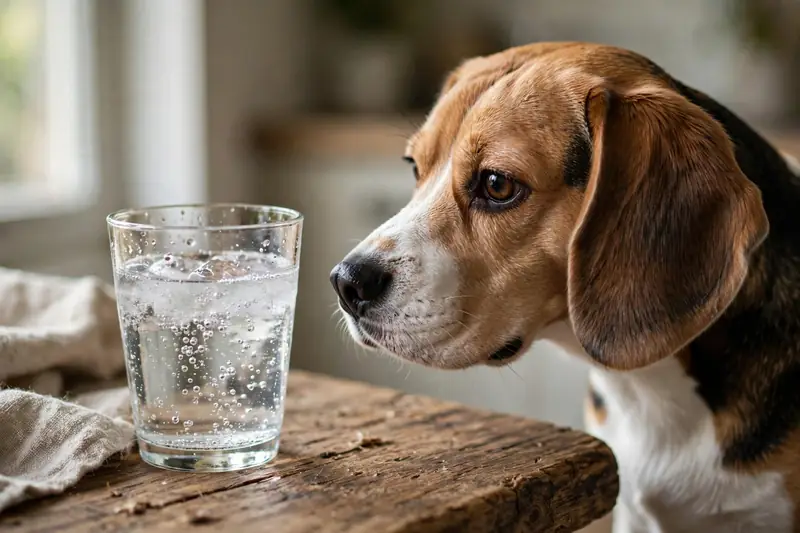
No major veterinary body recommends sparkling water for dogs. The honest veterinary position, voiced by Dr. Gary Richter on Rover, is that a small amount is acceptable in a pinch but never preferable. That framing is useful because it matches how exposures actually happen. Dogs rarely get sparkling water as a planned drink. They steal laps from glasses, knock cans over, or drink from an unattended bottle. Knowing the fizz is a mild irritant rather than a poison turns those moments from emergencies into watch-and-wait situations, with one large exception covered below.
What carbonation does inside a dog
It is ordinary water with carbon dioxide gas dissolved under pressure. Inside a dog’s stomach, that gas comes out of solution and expands, causing burping and gas, along with abdominal discomfort. Dogs have shorter digestive tracts than people, so the gas moves through faster and with less grace.

Carbonation also creates carbonic acid, which gives sparkling water its slight bite, and that mild acidity can irritate a sensitive stomach lining enough to cause nausea or a refused meal afterward. Most dogs find the sensation unpleasant, which is why many sniff fizzy water and walk away, leaving the glass to the person who actually ordered the sensation. The dogs that do drink it often burp, and a burping dog is a dog whose stomach is working through discomfort. None of this is dangerous in small amounts. It is simply the body dealing with gas it never asked for, and the process offers the dog nothing in return.
The bloat connection owners should understand
Bloat is the serious word in this conversation, and it deserves precision. Bloat, or gastric dilatation-volvulus, is a life-threatening emergency where the stomach fills with gas and can twist, and large volumes of carbonated water add gas to a stomach that may already be vulnerable. The VCA’s bloat guide describes the progression: the stomach distends with gas, then in the worst cases rotates and cuts off blood flow. Surgery is the only fix.

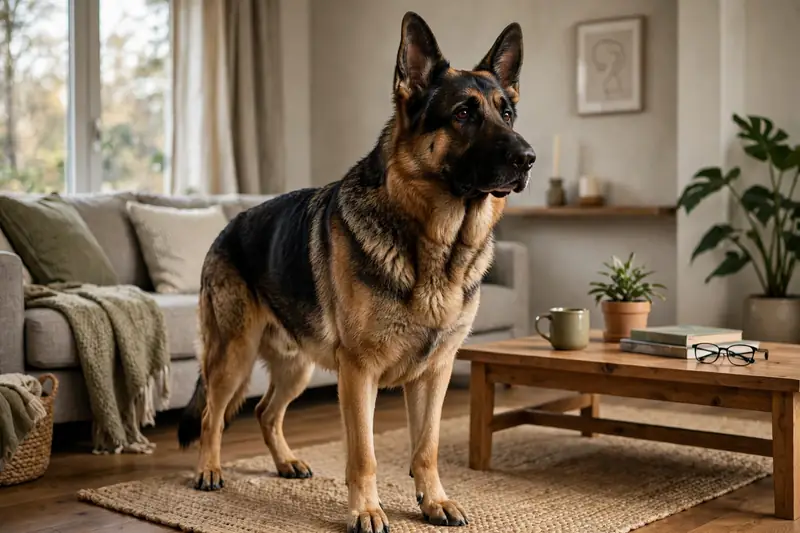
Honesty requires the caveat. No study has proven that the fizz causes bloat in dogs. Dr. Richter himself notes the evidence is absent but the concern is real, particularly for large dogs. Bloat mostly strikes large, deep-chested breeds. Great Danes and German Shepherds top the risk list. Boxers and Standard Poodles follow close behind. VCA notes that dogs over 100 pounds face roughly a 20 percent lifetime risk of bloat. For these breeds, even a theoretical gas source is worth avoiding. The signs of bloat include a swollen belly and restlessness, plus drooling and retching without producing vomit. Those signs mean an emergency clinic immediately, whatever the dog drank.
How much sparkling water is safe
There is no official serving size, but cautious sources converge. One to two ounces of plain sparkling water as an occasional treat is the cautious ceiling most vets would accept. That is a few laps, not a bowl. It should never become a regular drink or a water replacement.

Letting the glass sit for a few minutes before offering it is the oldest trick in this small book. Standing lets much of the carbon dioxide escape, which flattens the fizz and removes most of the gas problem. Serve it at room temperature rather than ice cold, since very cold drinks can shock a hot dog’s system, which is a separate and well-documented risk that has nothing to do with the bubbles. Watch the dog afterward for burping, gassiness, or a swollen-feeling belly. Any of those signs means the experiment ends. Dogs that show zero interest are making the smart choice on their own, and owners who coax them into trying it are solving a problem the dog never had.
Flavored sparkling water: the xylitol trap
Plain fizz is a mild irritant. Flavored fizz can be a killer. Some flavored sparkling waters and diet sodas use xylitol, an artificial sweetener that is lethal to dogs even in small amounts. Citric acid flavorings and added sodium add stomach irritation on top. The label decides everything.

Xylitol hides under friendly names. Birch sugar is the common alias, and some labels bury it deep in the ingredient list. PetMD’s xylitol poisoning guide documents the speed: insulin floods the blood, blood sugar crashes within the hour, and liver damage can follow over days. A dog that drinks a xylitol-sweetened fizzy water needs a vet immediately, not after symptoms appear. The rule for flavored waters is absolute. If the ingredient list is not fully understood, the can stays away from the dog. Unflavored seltzer from a trusted brand is the only fizzy product that even enters the conversation.
Sparkling water vs soda vs seltzer
The fizzy aisle confuses everyone, so the distinctions matter. Plain seltzer is carbonated water with nothing added, sparkling mineral water adds natural minerals, and soda adds sugar, caffeine, or sweeteners that make it dangerous for dogs. Tonic water belongs in the dangerous group as well. Quinine and a heavy sugar load give no dog anything it needs.
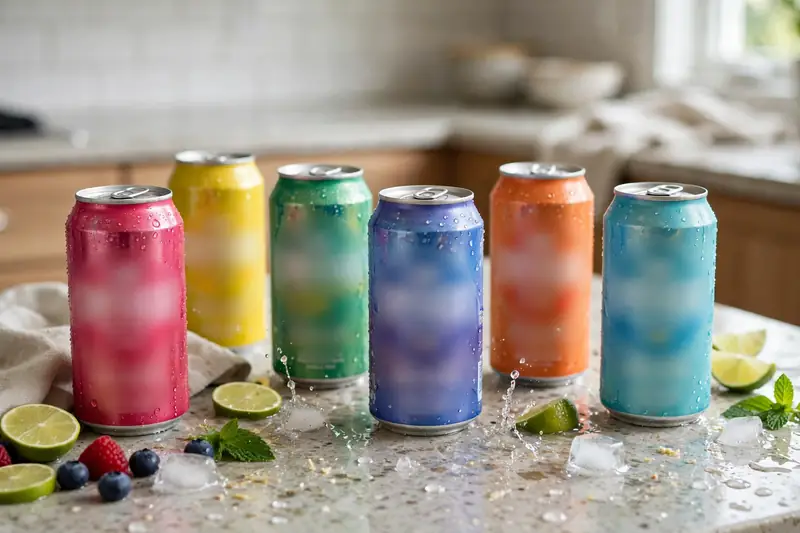
The safety ranking runs from still water at the top down to soda at the bottom, passing plain seltzer and sparkling mineral water, then flavored seltzer and tonic water, along the way. Club soda sits near seltzer but contains added sodium, which makes it a slightly worse choice for dogs watching salt intake. Sparkling mineral waters like plain Perrier are simply fizzy water with dissolved minerals, which puts them in the same mild-irritant category as seltzer. The practical takeaway is short: if the can lists anything beyond water and carbon dioxide, assume it is not for the dog until the label proves otherwise.
Puppies, seniors, and deep-chested breeds
Not every dog faces the same risk from the same sip. Puppies, seniors with digestive trouble, and deep-chested breeds should skip sparkling water entirely. Their margins are thinner and the payoff is zero.
Puppies dehydrate quickly, so any vomiting or diarrhea episode escalates faster than in adults. Their digestive tracts are still learning, and unnecessary gas is an unhelpful lesson. Senior dogs with chronic stomach issues or a history of bloat gain nothing from the experiment. Deep-chested breeds carry the bloat risk described above, and for them the theoretical concern is reason enough. Small dogs are not exempt either. A gas load that a Labrador absorbs without notice can visibly distend a Chihuahua’s belly. The only dogs that might tolerate an occasional ounce are healthy, medium-to-large adults with cast-iron stomachs, and even they do better with still water.
What to do if your dog drinks too much
Most overindulgence ends with embarrassment rather than emergency. If your dog drinks a large amount of plain sparkling water, watch for bloating, excessive gas, vomiting, or belly pain over the next few hours. Mild gassiness that passes is the usual outcome. Persistent swelling or retching is not.
Keep the dog calm and still after a big fizzy drink. Exercise on a full, gassy stomach is exactly the scenario bloat literature warns against, so skip the walk for an hour or two. Offer fresh still water to dilute what is in the stomach, and let the dog rest somewhere quiet while the gas works its way out. Do not try to make the dog vomit. If the belly looks swollen, if the dog paces and drools, or if retching produces nothing, treat it as a bloat emergency and drive to the nearest emergency clinic without waiting to see whether it passes. For flavored water exposures, check the label for xylitol first. Xylitol changes the response from watching to rushing.
Keeping your dog hydrated the right way
The fizz is a novelty. Hydration is a daily job. Fresh still water, refilled daily in a clean bowl, is the only drink a dog needs, at roughly an ounce per pound of body weight each day. The VCA’s feeding guidelines keep nutrition boring on purpose, and water is the most boring part.
Dogs that drink too little usually object to the bowl, not the water. A slimy bowl discourages drinking faster than any water type, so wash it daily with hot soapy water. Lake water tempts dogs on walks but carries bacteria and algae risks. Distilled water is safe short-term but pointless long-term. Owners worried about drinking too much water should know that sudden intake changes can signal illness, which is a vet conversation rather than a water-type question. The safe drinks for dogs guide rounds up the few vet-approved exceptions for special situations.
When to call the vet
Plain fizz rarely needs a vet. Call your vet immediately for any flavored water with xylitol, any signs of bloat, or a deep-chested breed showing belly swelling after drinking. Bloat signs never wait for morning.
Save the ASPCA Animal Poison Control number in your phone next to your vet’s clinic number. When calling about a flavored water scare, have the can in hand and read the ingredient list exactly. For plain sparkling water with mild symptoms, describe the amount and the timing, and the vet will usually advise home watching. Bloat calls are different. State the breed, the belly appearance, and the retching, and expect instructions to come in now. Speed is the entire treatment for bloat.
Frequently asked questions about dogs and sparkling water
Owners usually ask about specific brands and tonic water first, then daily use. The answers below cover the questions that come up most often.

Can dogs drink LaCroix?
Unflavored LaCroix is plain carbonated water with natural flavors and no sweeteners, which puts it in the mild-irritant category. An occasional small sip is unlikely to harm a healthy dog. It offers no benefit, and still water remains the better choice.
Can dogs drink tonic water?
Tonic water should stay away from dogs. It contains quinine and a heavy sugar load, and diet versions may use artificial sweeteners. The combination of carbonation and sugar, plus quinine, gives it no place in a dog’s diet.
Does sparkling water hydrate dogs?
The water in it hydrates normally. The problem is palatability and gas: many dogs drink less of it, and the carbonation can cause discomfort. Still water hydrates better in practice because dogs actually drink enough of it.
Can dogs drink sparkling water with lemon?
Lemon-flavored sparkling water adds citric acid to the carbonation, which doubles the stomach irritation. Some lemon flavorings use sweeteners worth checking. Plain water with nothing added is always the safer pour.
Will the bubbles hurt my dog’s stomach?
A few bubbles cause burping at most. A large amount can cause painful gas and bloating, especially in small or sensitive dogs. Deep-chested breeds face the additional theoretical bloat risk. The dose makes the discomfort.
Can dogs drink carbonated water every day?
Daily carbonated water is a bad habit with no upside. The recurring gas and acidity irritate the gut over time, and the dog misses the easy hydration of still water. Keep fizz as a rare accident, not a routine.
It is the least dangerous fizzy drink and still not a good one. The bubbles that entertain people only irritate dogs, the bloat question hangs over deep-chested breeds, and flavored cans hide sweeteners that kill. Still water does the whole job without the drama. Save the sparkle for your own glass, and let the dog’s bowl stay flat and fresh. Boring wins.
Disclaimer: This article is general information, not veterinary advice. Dogs with a history of bloat, digestive disease, or heart conditions should get drink guidance from their own veterinarian.