
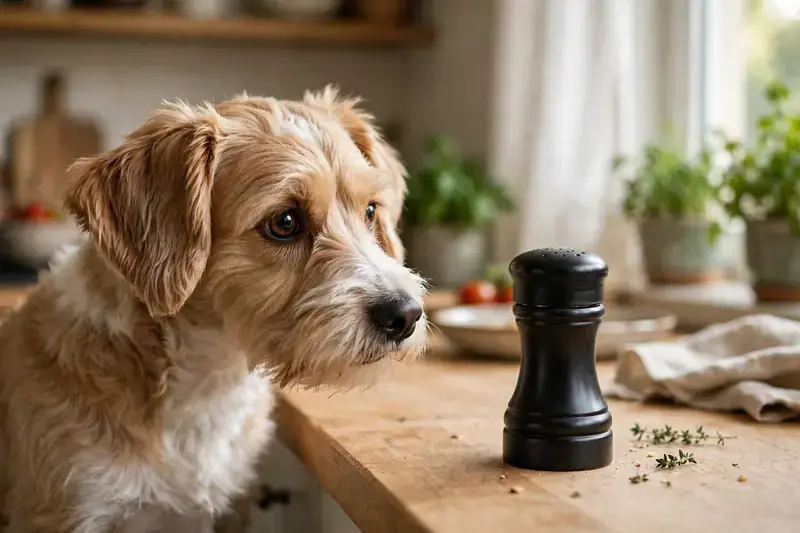
Your dog just licked up food seasoned with black pepper, and now you are wondering: can dogs eat black pepper? Here is the reassuring part first: black pepper is not classified as toxic to dogs. The less reassuring part: it irritates their digestive tract and airways, so it should never be added to their food on purpose. This guide covers what piperine does to dogs, how much is a problem, what to do after an accident, and safer ways to make your dog’s meals appealing. For the bigger picture on sharing food, see our guide to what human food dogs can eat.
Can Dogs Eat Black Pepper? The Verdict
Dogs can tolerate tiny accidental amounts of black pepper without serious harm, since it is not toxic, but it offers no benefit and irritates the stomach and airways. Never season your dog’s food with black pepper deliberately. If your dog ate a peppery meal, monitor for vomiting, diarrhea, or heavy drooling.

This is one of those foods where “not toxic” and “fine to feed” are very different things. The ASPCA lists black pepper as a mild irritant rather than a poison, which surprises owners who expect a hard yes or no. Veterinary sources including Adoptapet’s veterinary team land in the same place: trace exposure is low-risk, deliberate feeding is pointless and unkind to the dog’s gut.
The practical rule is simple. A stolen bite of peppered chicken is a watch-and-wait situation, not an emergency. Shaking pepper onto your dog’s dinner “for flavor” is a bad idea with zero upside. Dogs do not need seasoned food, and their senses of smell and taste make pepper far more intense for them than for us.
What Makes Black Pepper Irritating: Piperine
Piperine is the compound that gives black pepper its heat, and it irritates a dog’s mucous membranes, stomach lining, and airways. Dogs have far more sensitive noses than humans, so even the smell can trigger sneezing fits, and ingestion can inflame the digestive tract.
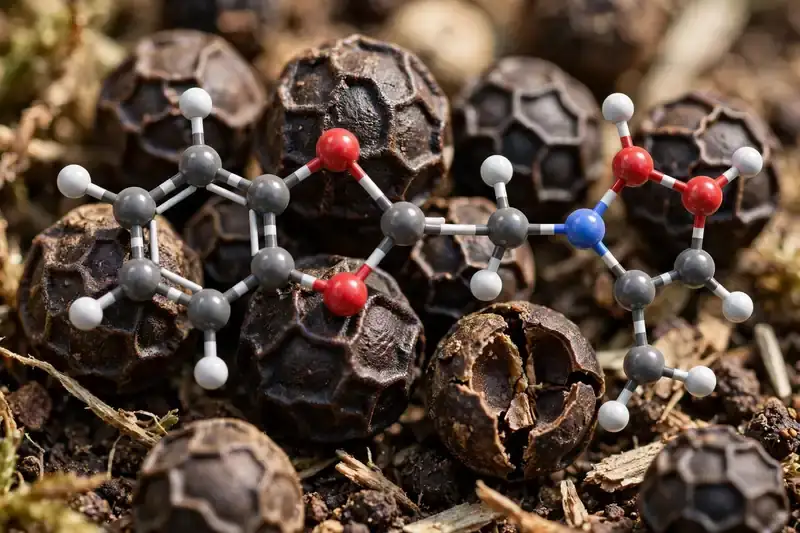
In humans, piperine is the reason pepper makes you sneeze when you grind it too close to your face. Now scale that up to an animal whose sense of smell is tens of thousands of times more sensitive. Sniffing freshly ground pepper can send a dog into a sneezing fit, and the fine particles irritate eyes and nasal passages on contact.
Inside the gut, piperine stimulates the same heat receptors that respond to chili, just more mildly. A dog’s stomach lining reacts with inflammation: nausea, excess drool, and in larger amounts, vomiting and diarrhea. None of this is poisoning in the technical sense. It is irritation, and it is unpleasant enough that no dog volunteers for it twice.
Ground pepper is worse than whole peppercorns for exactly this reason. Grinding releases a cloud of fine particles that hang in the air right at nose level for a dog. If you cook with a lot of fresh-ground pepper, keep the dog out of the kitchen while you grind and season. Whole peppercorns dropped on the floor are less of an airborne problem but still a chewing hazard for curious puppies.
Symptoms If Your Dog Eats Black Pepper
Expect sneezing, drooling, lip licking, or mild stomach upset after small amounts, and vomiting or diarrhea after larger amounts. Most cases resolve on their own within a few hours. Respiratory irritation from inhaling ground pepper usually passes quickly once the dog is in fresh air.

Watch the timeline. Sneezing and pawing at the nose right after exposure point to airway irritation, which is dramatic but typically brief. Drooling and lip-smacking suggest nausea, which may or may not progress to vomiting. If vomiting or diarrhea starts, it usually begins within a couple of hours of eating the peppery food.
Most dogs ride this out without intervention. Offer fresh water, keep the dog comfortable, and hold off on rich food until the stomach settles. Our bland diet for dogs guide is useful if the upset lingers into the next meal. The ASPCA Animal Poison Control is the authority to consult if you are ever unsure whether a seasoning exposure is serious.
How Much Black Pepper Is Too Much?
There is no established toxic dose because black pepper is not a poison; it is an irritant, so the question is really how much causes misery. A light dusting on stolen table scraps rarely causes more than brief discomfort, while a dog that eats a pile of cracked pepper or a heavily seasoned dish can develop significant vomiting and diarrhea.
Size matters enormously here. A pinch that a Labrador shrugs off can upset a three-pound Chihuahua’s whole evening. Small dogs have less body mass to dilute the irritant and more sensitive systems generally. If your tiny dog got into something heavily peppered, take it more seriously than you would for a big dog.
Ignore the alarmist dosing tables floating around some spice websites claiming precise toxicity thresholds from veterinary studies. No credible veterinary body publishes a toxic dose for black pepper because toxicity is not the mechanism. Irritation scales with amount, sensitivity, and whether the pepper was inhaled, eaten dry, or eaten in food.
My Dog Ate Seasoned Food: What to Do Now
Stay calm, figure out what seasonings were involved, and monitor your dog for a few hours. Black pepper alone needs only observation and water, but many seasoned dishes also contain garlic or onion, which are genuinely toxic, so identifying every ingredient is the critical step.

Run through the ingredient list mentally or check the recipe. Plain salt and pepper? Watch and wait. Garlic powder, onion powder, or an unknown spice blend? That changes the situation entirely, and you should call your vet with the details. This ingredient check matters more than anything else you do in the first ten minutes.
For a pepper-only incident, remove access to the food, offer water, and watch for vomiting, diarrhea, or lethargy over the next few hours. Do not induce vomiting; it is unnecessary for an irritant and can cause more harm. If symptoms are severe or your dog seems truly distressed, call your vet. PetMD has vet-reviewed guidance on handling dietary indiscretions.
Black Pepper vs Bell Peppers and Chili
Sweet bell peppers are safe for dogs in moderation and make a fine crunchy treat, while black pepper is an irritant and chili peppers are worse, causing intense burning and GI distress. Do not confuse them: the peppercorn spice and the vegetable share only a name.
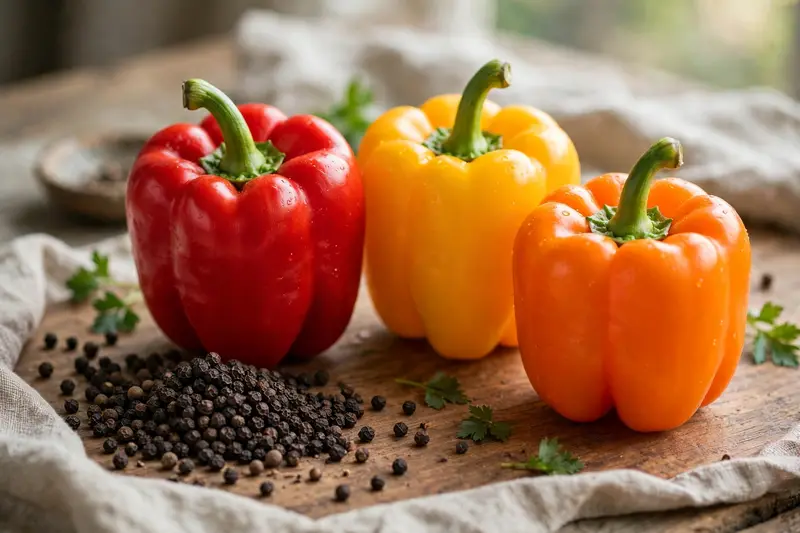
This confusion causes real mistakes. Someone reads that “peppers are safe for dogs” and assumes the spice grinder counts. Bell peppers are mild, hydrating vegetables with vitamin C and fiber. Black peppercorns are concentrated piperine. Chili peppers contain capsaicin, which hits dogs even harder than piperine. Three different plants, three different safety profiles.
If you want to share a pepper with your dog, offer a slice of raw bell pepper with seeds removed. Most dogs enjoy the crunch. Keep the spice grinder and the hot sauce firmly in the humans-only category.
Is There Any Health Benefit for Dogs?
No. Despite piperine’s studied effects in laboratory settings, there is no evidence of health benefits from feeding black pepper to dogs, and any theoretical upside is outweighed by the guaranteed irritation. Dogs get everything they need from a balanced diet without spice-rack experiments.

You may encounter claims online that piperine boosts nutrient absorption or fights inflammation, borrowed from human supplement marketing. Those studies involve controlled extracts and specific conditions, not a shake of pepper over kibble. Even if some effect existed in theory, deliberately irritating your dog’s gut to chase it would be poor trade.
The supplement industry loves borrowing credibility from lab research, and pet products are no exception. When you see “with black pepper extract for absorption” on a dog supplement, ask your vet whether the product is legitimate before buying. A balanced commercial diet plus vet-approved supplements covers genuine nutritional needs without the guesswork.
Dog-Safe Ways to Add Flavor
Instead of pepper, make meals appealing with a splash of unsalted bone broth or chicken broth, a spoonful of plain pumpkin puree, or a sprinkle of fresh parsley. These add smell and taste dogs love without irritating their stomachs, and picky eaters respond well to the extra aroma.

Bone broth is the heavyweight champion of dog meal toppers: savory, hydrating, and easy to make or buy (choose onion-free, low-sodium versions). Our bone broth for dogs guide covers safe preparation. Plain canned pumpkin (not pie filling) adds fiber and most dogs love the taste. Fresh parsley in small amounts freshens breath and adds a mild flavor.
Warming the food slightly also boosts aroma, which is what actually drives a dog’s appetite. Dogs experience food primarily through smell, so anything that makes dinner smell meatier works better than any seasoning. A tablespoon of warm water mixed into kibble releases aroma instantly and costs nothing.
Spices That Are Actually Dangerous
Garlic and onion in any form are the real seasoning dangers: they damage red blood cells and can cause life-threatening anemia days after ingestion. Nutmeg, in quantity, is also toxic. When a seasoned dish worries you, these are the ingredients to check for first, not the pepper.

The delay with garlic and onion toxicity catches owners off guard. A dog can seem fine for two or three days, then develop weakness, pale gums, rapid breathing, and dark urine as red blood cells break down. Powdered forms are more concentrated than fresh, so spice-rack quantities are especially risky. The AKC maintains a clear list of toxic foods worth bookmarking.
Other spice-rack hazards include excessive salt, which can cause sodium ion poisoning in large amounts, and xylitol, sometimes found in “sugar-free” seasoned products. When in doubt about any ingredient, VCA Hospitals has searchable toxin information written for pet owners.
Keeping Dogs Away From Seasonings
Store spices in closed cabinets, never leave seasoned food unattended on counters, and teach a solid “leave it” cue. Most pepper incidents happen the same way: food left within snout range for thirty unsupervised seconds. Prevention beats treatment every time.

Counter-surfing is a management problem more than a training problem. Tall dogs and determined jumpers defeat good intentions, so physical barriers matter: baby gates, closed doors, and food pushed to the back of the counter. During cooking, keep the dog out of the kitchen or settled on a mat with a chew.
Guests are the wildcard. Visitors who think slipping the dog “just a bite” is kind need a polite heads-up that seasoned food can make dogs sick. A simple “please don’t feed the dog, he has a sensitive stomach” works even when the dog’s stomach is perfectly fine. If an accident does lead to dehydration from vomiting or diarrhea, our notes on electrolytes for dogs explain when fluid support becomes a vet matter.
Frequently Asked Questions
Is black pepper poisonous to dogs?
No, black pepper is not classified as poisonous to dogs. The ASPCA lists it as a mild irritant rather than a toxin. It can cause sneezing, drooling, vomiting, or diarrhea, especially in larger amounts, but it does not poison organs the way garlic or onion does.
What should I do if my dog inhaled black pepper?
Move the dog to fresh air and let the sneezing fit pass, which it usually does within minutes. Offer water. If coughing, wheezing, or breathing difficulty persists beyond a short while, or if the dog seems distressed, call your vet.
Can dogs eat food seasoned with salt and pepper?
A small accidental amount is low-risk, but do not make it a habit. The bigger concern with seasoned human food is usually the other ingredients: garlic, onion, and excessive salt or fat. Always check the full ingredient list after an incident.
Is white pepper safer than black pepper for dogs?
Not meaningfully. White pepper contains piperine too and irritates the same way. Neither belongs in a dog’s diet. The same goes for most ground spice blends: the issue is irritation plus whatever else is in the mix.
Can black pepper kill a dog?
An ordinary culinary exposure will not kill a dog. Extremely large ingestions could cause severe GI distress requiring veterinary treatment, but fatalities from black pepper alone are not documented in veterinary literature. The realistic risk is discomfort, not death.
Are bell peppers safe for dogs?
Yes, sweet bell peppers are safe in moderation. Remove seeds and stem, and offer raw or lightly cooked pieces. They provide hydration, fiber, and vitamins. Red, yellow, and orange bells tend to be sweeter, and most dogs prefer them over green. Chop into bite-sized pieces for small dogs to prevent gulping. Introduce any new vegetable gradually to avoid soft stool.
What spices are safe for dogs?
Small amounts of fresh parsley, basil, and turmeric are generally considered safe, though none are necessary. Cinnamon in tiny amounts is usually fine. Avoid garlic, onion, nutmeg, and hot peppers entirely. Introduce any new herb in a tiny amount first and watch for soft stool. Most dogs do best with plain food, and toppers like broth beat seasonings for both safety and enthusiasm. When in doubt, skip the spice and use bone broth instead.



1 thought on “Can Dogs Eat Black Pepper? Safety Facts Every Owner Should Know”