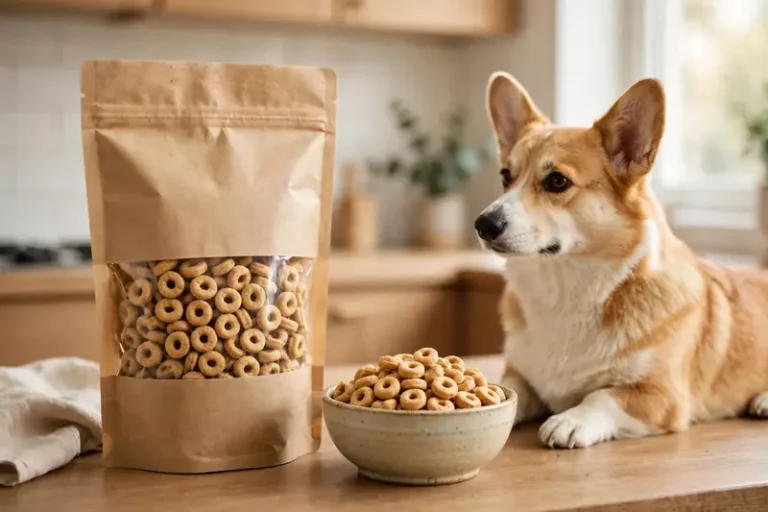
The bar slides off the counter, the dog is faster than your hand, and half of it is gone before you can react. That is how most protein bar emergencies start: not with a decision to share, but with a dropped snack and a dog that moves faster than its owner. Dogs should not eat protein bars, because many hide xylitol, chocolate, or caffeine behind a healthy-looking wrapper. The wrapper is the whole problem.

Can dogs eat protein bars? The short answer
There is no safe default here. Dogs should not eat protein bars, because the ingredient list on any given bar can hide xylitol, chocolate, or caffeine. Each one is dangerous on its own. A bar that looks like pressed oats and honey can still carry a sweetener that hospitalizes a dog.

Protein bars are formulated for human metabolism and human workouts, with human taste buds in mind. Dogs process several common bar ingredients in ways that range from unpleasant to lethal, and the dog’s smaller body weight multiplies every dose, which is why a snack built for a 180-pound gym-goer lands so differently in a 25-pound terrier. The protein itself is not the issue. Everything around the protein is.
If your dog begs when you unwrap a bar, keep the human foods that are safe for dogs list in mind and redirect to something from it. The begging is about the ritual, not the bar. A small training treat delivers the same satisfaction with none of the risk.
Xylitol: the ingredient that kills
Xylitol is the number one danger in protein bars, and it hides well. Xylitol can kill a dog at just 0.1 grams per kilogram of body weight, and many protein bars list it as birch sugar. Same chemical, friendlier name, identical danger.
The mechanism is brutal and fast. A dog’s pancreas mistakes xylitol for real sugar and floods the body with insulin. Blood sugar crashes within 10 to 60 minutes, bringing weakness and wobbliness, then vomiting. Seizures follow at higher doses.
Higher doses attack the liver directly, and liver failure can follow hours later even in dogs that seemed to recover from the initial crash. There is no antidote. Treatment means hospitalization with IV glucose and liver support, started before the vet even finishes the diagnosis.
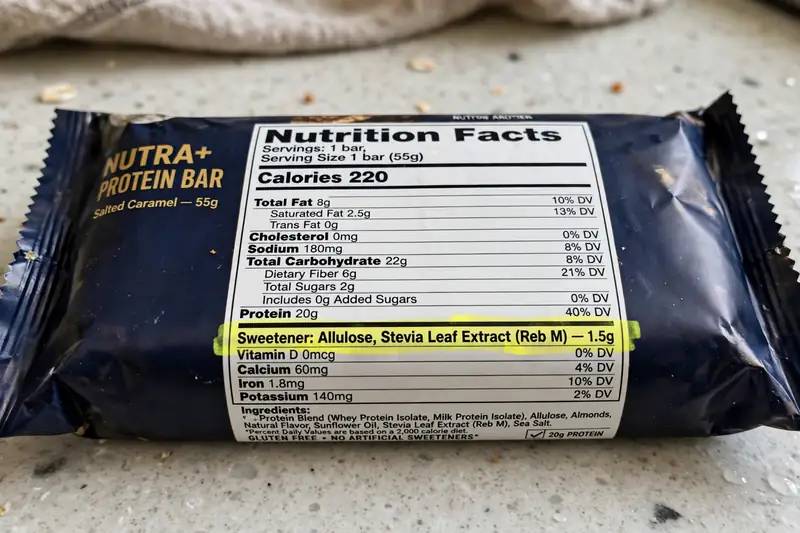
The labeling is the trap. Xylitol appears as birch sugar, birch sap, wood sugar, or buried inside “sugar alcohol” totals. Protein bars marketed as low sugar, keto, or diabetic friendly are the most likely carriers, which is exactly the category a health-conscious owner is most likely to keep in the house.
Pet Poison Helpline’s xylitol warning names protein bars and powders among the products that commonly contain it. The FDA’s xylitol warning for dog owners says the same in plainer terms: check every label, every time.
One honest complication: not every protein bar contains xylitol. A simple oat and honey bar is mostly a calorie problem, not a poisoning. But you cannot verify that from the wrapper in the seconds after your dog grabs it, and birch sugar does not sound dangerous to anyone who has not been warned. The rule stays no, because the exceptions are invisible.
Chocolate coating and theobromine
Chocolate-covered bars bring the second classic toxin. The chocolate coating on protein bars contains theobromine, which dogs process so slowly that it builds to toxic levels. Dark chocolate coatings are the worst, milk chocolate less so, and cocoa powder in the bar itself counts too.

Theobromine overstimulates the heart and nervous system. Early signs look like restlessness and vomiting, then progress to a rapid heartbeat and tremors. Seizures follow in severe cases.
The dose math depends on the chocolate type, the bar size, and the dog’s weight, which is why Pet Poison Helpline’s chocolate warning asks for all three facts when you call. A large dog that eats a single milk-chocolate-coated bar will probably be fine. A small dog that eats a dark-chocolate one may not be.
White chocolate is the odd one out. It contains almost no theobromine, though it is still pure fat and sugar. The white chocolate guide on this site explains the distinction. But a white chocolate coating only removes the theobromine danger. The xylitol question stays open, along with the fat and sugar.
Caffeine and the energy bar stack
Energy and pre-workout bars add a stimulant problem on top. Many energy bars contain caffeine from coffee, green tea extract, or guarana. Dogs are far more sensitive to caffeine than people. The toxic effects start at doses that would barely register in a human.

Caffeine hits the heart, the nervous system, and the gut at once. Expect restlessness and a racing heart, with vomiting and diarrhea common within an hour or two. Tremors appear at higher doses, and seizures are possible.
Dogs clear caffeine slowly, so the effects linger for hours. A bar with 100 mg of caffeine, an ordinary amount in an energy bar, is a serious dose for a 20-pound dog.
The label rarely says “caffeine” plainly. Green tea extract and guarana, with yerba mate and cacao contributing too, all add caffeine without using the word. “Energy blend” and “focus blend” are marketing terms that can hide meaningful stimulant loads. If the bar promises energy, focus, or pre-workout performance, assume it contains something stimulating until the label proves otherwise.
Dogs do not need any of it.
Raisins and macadamia nuts: hidden add-ins
The fruit and nut bars hide the third category of danger. Some protein bars contain raisins or macadamia nuts, and both are toxic to dogs in surprisingly small amounts. Trail-mix style bars are the usual suspects, and the dried fruit mixes hide their own problems.

Raisins and grapes can cause sudden kidney failure in dogs, and the toxic dose is unpredictable. Some dogs eat a handful with no effect, others go into kidney failure from a few raisins, and nobody can predict which dog is which. That unpredictability is the danger. There is no safe raisin dose to calculate, so any raisin exposure is a call-your-vet situation.
Macadamia nuts cause weakness and vomiting, with tremors and an odd hind-leg wobbliness that looks alarming and usually resolves within a day or two. They are less often lethal than xylitol or raisins, but a macadamia-containing bar still earns a vet call. Dried fruit mixes can also hide citrus oils and heavy sulfites, neither of which a dog’s stomach appreciates. The pattern holds: the add-ins that make a bar interesting for people are the parts that threaten dogs.
Fat and whey: the pancreatitis angle
Even a bar with no true toxin can cause real trouble. Protein bars are calorie-dense and high in fat, and a rich bar can trigger pancreatitis in a sensitive dog. Pancreatitis is a painful inflammation of the pancreas, and it is expensive to treat.

A single bar can carry 8 to 12 grams of fat, which is a heavy load for a small dog’s system in one sitting. Dogs with any history of pancreatitis, or breeds prone to it like Miniature Schnauzers, should never get the chance. Vomiting and belly pain, with hunched posture and loss of appetite, in the day after a fatty snack are the signs to watch.
Whey protein brings a quieter problem. Many dogs tolerate it, but lactose-sensitive dogs can get gas, soft stool, or vomiting from whey concentrate. Soy protein isolate can do the same in soy-sensitive dogs.
These are discomforts, not emergencies, but they underline the point: a bar engineered for human digestion is a stranger in a dog’s gut. The protein your dog actually needs comes from meat and eggs, plus its regular food.
What to do if your dog ate a protein bar
Speed matters, and the label matters more. If your dog ate a protein bar, grab the wrapper, check for xylitol and chocolate, and call your vet immediately. Do not wait for symptoms with xylitol. The crash can start within 10 to 60 minutes, and treatment works best when it starts before the crash.

Read the ingredient list out loud to the vet. Say the product name, the amount eaten, and the dog’s weight. Name the suspects specifically: xylitol, birch sugar, chocolate, caffeine, raisins, macadamia nuts. Each one changes the treatment plan.
If the wrapper is gone, describe the bar as best you can: brand and flavor, and whether it was sugar-free, chocolate-coated, or an energy bar.
Do not induce vomiting unless your vet or poison control tells you to. Vomiting helps with some toxins and harms with others, and the decision depends on what was in the bar and how long ago it was eaten. Keep the dog calm and still while you make the call. Panic burns time, and time is the one thing xylitol does not give you.
Dog-safe high-protein treats that actually work
Dogs do not need protein bars, because dogs already eat more protein than people do. The best high-protein treats for dogs are simple foods. Cooked chicken and turkey top the list. Eggs work too, and commercial treats made for dogs round it out. No wrapper reading required.

Small pieces of plain cooked chicken breast are the gold standard. They are pure protein, dogs love them, and there is nothing to check on a label. Hard-boiled egg pieces work the same way. For training, commercial treats with short ingredient lists do the job, and freeze-dried meat treats are about as close to a “protein bar for dogs” as the market gets.
Peanut butter deserves its usual warning here. Natural peanut butter without xylitol is a fine high-value treat, but the same xylitol problem that haunts protein bars haunts peanut butter jars. Check every label for xylitol or birch sugar before the jar gets near the dog. An apples slice with a thin smear of verified peanut butter is a better snack than any bar on the shelf.
Puppies and small dogs: why size changes everything
Toxic doses are measured per kilogram, which means small bodies lose fast. Puppies and small dogs face the highest risk from protein bars because every toxin in the bar hits harder at low body weight. A bar that gives a Labrador an upset stomach can hospitalize a Chihuahua.

The xylitol math is the starkest. At 0.1 grams per kilogram, a 5-pound dog needs barely a quarter gram to hit the toxic threshold, and a single bar can hold several grams. Puppies add an immature liver to the problem, which processes toxins more slowly and recovers more poorly. There is no safe puppy portion of a protein bar, not even a crumb, because crumbs of a xylitol bar still carry xylitol.
Small-dog owners should treat protein bars like medication: stored high and stored closed, never left on a coffee table. Dogs counter-surf at exactly the height where gym bags and purses sit. The prevention is boring and it works: the bar lives in a zipped pocket or a closed pantry, and the dog never gets the chance.
When to call the vet
Call your vet immediately if the bar contained xylitol, chocolate, raisins, or macadamia nuts, or if you cannot read the label. Xylitol exposure is the emergency that cannot wait: call now, even if the dog looks completely normal. The blood sugar crash starts silently.

Watch for the xylitol signs in the first hour: weakness and wobbliness, with vomiting. Chocolate signs take longer. Restlessness and a racing heart arrive over several hours.
Raisin signs are the slowest, with vomiting first and kidney changes over one to three days. Keep the wrapper for the vet visit. The exact product name beats your description every time.
For a bar with none of the big four toxins, usually just stomach upset follows. A bland diet for a day or two settles most cases. The ASPCA’s people-foods guidance lists the ingredients that should never reach a dog’s bowl, and protein bar wrappers are full of them.
Frequently asked questions about dogs and protein bars
Owners usually ask about granola bars, big-name brands, and how fast xylitol acts. The answers below cover the questions that come up most.
Can dogs eat granola bars?
No, granola bars are not safe either. Many contain chocolate chips, raisins, or honey with added sweeteners, and some use xylitol. The same label-checking rules apply, and the answer is the same: keep them away from the dog.
Can dogs eat Quest bars?
Quest bars are sweetened with sugar alcohols, and while they typically use erythritol rather than xylitol, labels change, so the risk stays. They also contain heavy fiber loads that cause stomach upset in dogs. Keep them stored away from pets.
Can dogs eat Clif bars?
Clif bars often contain chocolate chips or chocolate coating, and some flavors include caffeine from green tea extract. They are calorie-dense and offer nothing a dog needs. Not safe to share.
Can dogs eat homemade peanut butter protein balls?
Only if you made them and you know every ingredient. Homemade balls with verified xylitol-free peanut butter with oats and honey are generally safe in small amounts. The danger is the peanut butter jar, so check it first.
How fast does xylitol poisoning act in dogs?
Blood sugar can crash within 10 to 60 minutes of eating xylitol. Liver damage follows hours later in severe cases. That speed is why vets say to call immediately rather than waiting for symptoms.
My dog ate a bar with no xylitol or chocolate. Is it fine?
Probably, but watch for stomach upset from the fat and fiber load. Vomiting or diarrhea within a few hours is the likely result. Call your vet if it does not settle within a day, or if you are unsure about any ingredient.
Protein bars are people food in the strictest sense: engineered for a species with a different metabolism, a different liver, and a much larger body. The protein in the bar is the least interesting thing about it for a dog, and the sweeteners and coatings, with the stimulants around that protein, range from useless to lethal. Keep the bars zipped away, share a piece of chicken instead, and if a bar ever disappears down your dog’s throat, grab the wrapper and call the vet before you do anything else, because the first hour after xylitol decides everything.
Disclaimer: This article is for general information only and is not veterinary advice. Every dog is different, and dogs with health conditions or with puppies and nursing dogs may need different guidance. If your dog shows symptoms after eating a protein bar, contact your veterinarian.