
One teaspoon of matcha powder holds 60 to 70 milligrams of caffeine, roughly an espresso shot. That number surprises people because matcha looks like a health drink and comes in a calm green color. Dogs should not have matcha in any amount, because the caffeine hits their hearts and nervous systems far harder than it hits ours. There is no safe serving size to calculate.
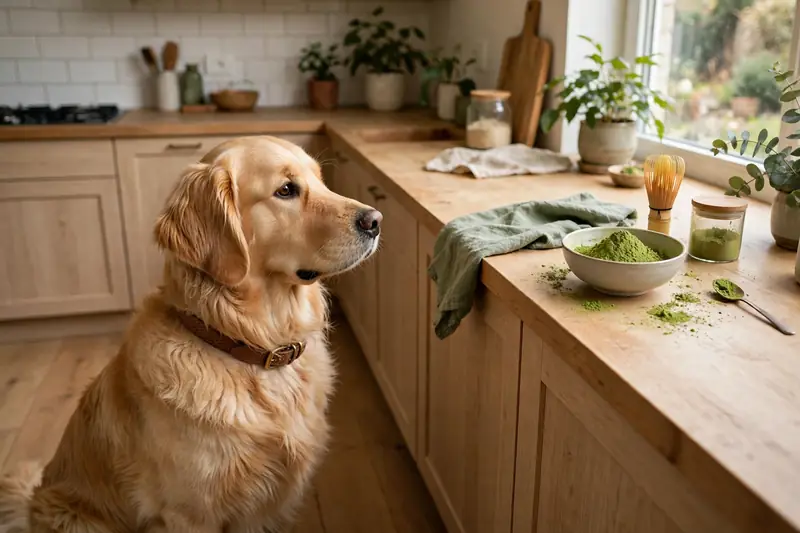
Can dogs eat matcha? The short answer
Matcha is concentrated green tea powder, and concentration is the problem. Dogs should not eat matcha because it delivers a large caffeine dose plus a trace of theobromine, which dogs process far more slowly than people. A lick of a diluted latte is a smaller worry than a spoonful of powder.
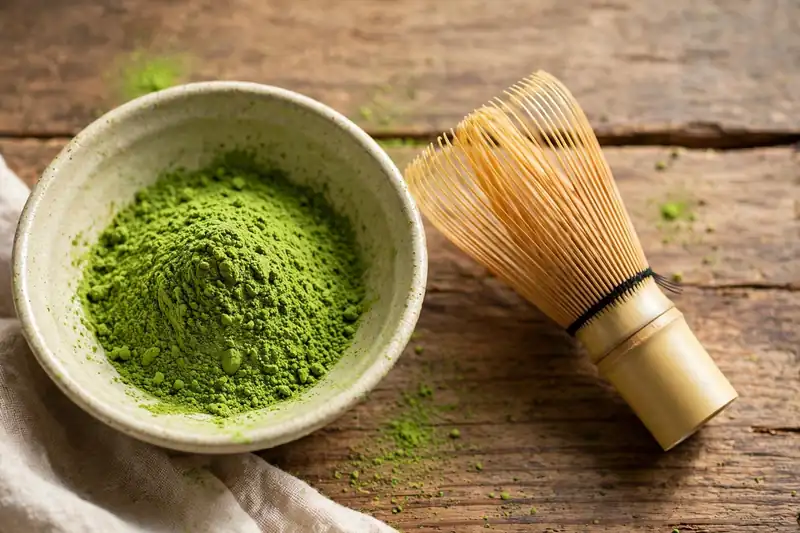
The confusion is understandable. Matcha has a wellness reputation, an antioxidant story, and a calming ritual around it.
None of that transfers to dogs. The canine body treats caffeine as a toxin to be cleared slowly, and the “calm” in matcha marketing refers to a different compound entirely, one that does not cancel the caffeine. More on that later.
If your dog watches you whisk matcha every morning, keep the human foods that are safe for dogs list in mind for the begging moments. The ritual can stay. The sharing cannot.
Why matcha hits harder than green tea
Matcha skips the brewing entirely. It is the whole tea leaf, stone-ground into powder, and you consume the entire leaf instead of an infusion. A teaspoon of matcha carries 60 to 70 mg of caffeine, far more than a steeped cup of green tea delivers, because none of the leaf gets thrown away. That whole-leaf difference is the entire story.

A standard cup of steeped green tea leaves most of its caffeine and compounds behind in the discarded leaves.
Matcha drinkers swallow all of it. For a person, that means a stronger, steadier lift. For a dog, it means a bigger toxic load from a smaller amount. The powder format makes accidental overexposure easy, too. A knocked-over tin or an open bag on a low shelf can put a meaningful dose within a dog’s reach in seconds.
Ceremonial and culinary grades differ in taste and price, not in safety. Both are concentrated caffeine. “Organic” and “ceremonial” on the label change nothing about the methylxanthine content. If anything, higher-grade matcha is more finely ground and dissolves faster, which only speeds absorption.
Caffeine in dogs: slow metabolism, long trouble
Dogs are not small people when it comes to caffeine. Dogs break caffeine down slowly and reabsorb it from the bladder back into the bloodstream, so a single dose stimulates the heart and nervous system for hours. What feels like a mild lift to you can push a dog into genuine toxicity.

The numbers make the risk concrete. Pet Poison Helpline’s caffeine warning notes that caffeine poisoning can begin at roughly 9 milligrams per pound of body weight. A 10-pound dog hits that threshold at about 90 mg, which is less than two teaspoons of matcha powder. A 50-pound dog needs more, but not as much more as owners assume.
Veterinary sources describe caffeine damaging the heart and liver first, then the kidneys and central nervous system, with the severity tracking the dose against the dog’s size and health. Small breeds and puppies react to smaller amounts. So do seniors and dogs with heart or kidney conditions. There is no established safe serving, which is why the responsible answer is none at all rather than a little.
Theobromine: the chocolate connection
Caffeine gets the headlines, but matcha carries a second stimulant. Matcha contains a trace of theobromine, the same compound that makes chocolate dangerous for dogs, though caffeine remains the main threat. The amounts tell the story, and the story favors caffeine as the danger.

The amounts tell the story. Matcha holds roughly 0.27 mg of theobromine per gram, while the toxic dose for dogs starts around 20 mg per kilogram of body weight. A dog would need to eat an enormous amount of matcha for theobromine alone to cause serious harm. In realistic exposures, the theobromine is a footnote and the caffeine is the emergency.
The connection still matters for one reason: it puts matcha in the same toxic family as chocolate, and the MSD Veterinary Manual on methylxanthine toxicity describes how these compounds overstimulate the heart and nervous system together. The ASPCA’s people-foods guidance lists chocolate and caffeine among the substances that never belong in a pet’s diet. Matcha sits squarely in that company.
The matcha products dogs actually encounter
Matcha rarely reaches dogs as pure powder. It arrives in products, and each product adds its own risks. Matcha lattes are off-limits, and so are matcha ice cream and energy bites. Each one is dangerous for slightly different reasons. The product matters as much as the matcha.

A matcha latte is matcha powder whisked into milk. The caffeine is still there, joined by dairy that many dogs struggle to digest and sugar or flavored syrups on top. Some flavored drinks hide xylitol, the sweetener that crashes a dog’s blood sugar within the hour. A latte is diluted compared to raw powder, but dilution is not safety.
Matcha ice cream stacks caffeine on fat and sugar, with dairy in the mix. That combination can trigger stomach upset in any dog and pancreatitis in a sensitive one.
The green color reads as healthy, which makes it more tempting to share, not less dangerous. Matcha baked goods and energy bites can be the most concerning of all. They often use concentrated powder rather than a diluted drink, and they hide other dog-dangerous ingredients: chocolate, macadamia nuts, raisins, or xylitol. A single energy ball can carry a meaningful caffeine load in a small package.
Symptoms of caffeine toxicity in dogs
Caffeine poisoning announces itself quickly. Signs of caffeine toxicity in dogs usually appear within 30 minutes to two hours of eating matcha, and they can last for many hours because dogs clear caffeine so slowly. The spectrum runs from mild to life-threatening.

Early signs include restlessness and hyperactivity, with pacing common as the dog fails to settle. Vomiting and diarrhea often follow. Excessive thirst and urination show up as the body tries to flush the stimulant. Panting and an elevated body temperature reflect the revved-up metabolism.
Serious signs mean the situation is escalating. A rapid or irregular heartbeat, with muscle tremors and twitching, points to the heart and nervous system under real strain.
Seizures and collapse are the far end of the spectrum. These signs do not always march in order, and a dog can look mildly restless an hour before the situation turns. Do not grade the symptoms at home. Call a professional and describe what you see.
What to do if your dog ate matcha
Act quickly and do not wait for symptoms. If your dog ate matcha, note how much was eaten, in what form, and when, then call your vet or a poison hotline immediately. The amount question is for the professional, not for a blog calculator.

Do not induce vomiting unless a vet or poison control tells you to. Vomiting helps with some toxins and harms with others, and the decision depends on the dose and the timing. Keep the matcha packaging so you can read the product name and the caffeine content back to the professional. Note the dog’s weight if you know it.
Two hotlines cover the after-hours gap. The ASPCA Animal Poison Control Center at (888) 426-4435 and the Pet Poison Helpline at (855) 764-7661 both staff around the clock, though consultation fees may apply. Save both numbers in your phone now. Most owners look them up mid-panic, which wastes the minutes that count.
The L-theanine myth
Matcha’s calming reputation comes from a real compound, which is what makes the myth sticky. Matcha contains L-theanine, a calming amino acid, but it does not cancel out or offset the caffeine in any meaningful way for dogs. The calm and the stimulation arrive together, and the stimulation wins.
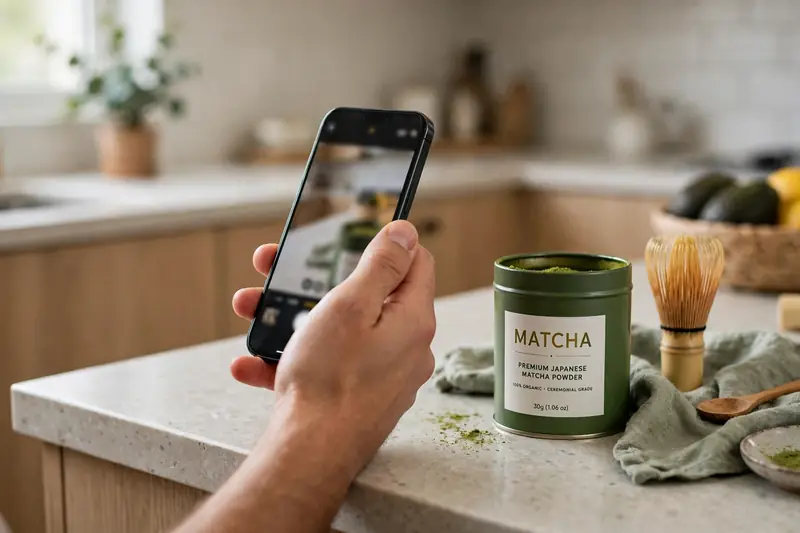
L-theanine is legitimately interesting. It promotes relaxed alertness in people, and caffeine-free L-theanine supplements for dogs exist on the market, sometimes recommended by vets for anxiety. That is a purified amino acid in a measured dose, not a spoonful of caffeinated powder. Conflating the two is the error.
The honest version of the story: green tea contains a calming compound and a stimulating compound, and in matcha the stimulant dose is large enough to dominate. If anxiety is the reason matcha crossed your mind, ask your vet about caffeine-free calming products made for dogs. The Merck Veterinary Manual on food hazards covers the stimulant side of the equation in clinical detail.
Safe green treats that scratch the same itch
Matcha is unnecessary for dogs, but the impulse behind sharing it is affection, and affection deserves an outlet. Blueberries and pumpkin puree are safe alternatives to matcha. Carrots and green beans belong on the same list. The green color is optional. The safety is not.

Blueberries are the antioxidant answer. They are low calorie, easy to serve, and most dogs eat them like candy. Pumpkin puree, the plain canned kind, is fiber-rich and gentle on the stomach. Carrots and green beans give the crunch that matcha never could, and both are classic low-calorie training treats.
For the drink ritual itself, fresh water is the answer, possibly with ice cubes on a hot day. Some owners freeze low-sodium dog-safe broth into cubes for a special treat. An apples slice or a few bananas pieces round out the safe snack plate. None of these will give your dog energy in the matcha sense, which is precisely the point.
When to call the vet
Call your vet if your dog ate any amount of matcha powder, a matcha energy bite, or a large quantity of any matcha product. Any known matcha ingestion is worth a call. Small and sensitive dogs can react to very little caffeine. Do not wait to see whether symptoms develop.

A single lick of a diluted latte in an average-size dog is the lowest-concern scenario, and even then a call buys peace of mind. Note the amount and watch for restlessness, a racing heart, or vomiting over the next few hours. Puppies and seniors get a lower threshold for the call, and so do small breeds and dogs with heart conditions.
For mild stomach upset after a tiny exposure, a bland diet for a day or two often settles things. Anything beyond mild, or any uncertainty about the amount, means the vet decides, not the internet.
Frequently asked questions about dogs and matcha
Owners usually ask about tiny licks and green tea, plus how long symptoms last. The answers below cover the questions that come up most.
Can dogs have a little bit of matcha?
No, it is best to give none at all. There is no established safe amount, and small or sensitive dogs can react to very little caffeine. A tiny accidental lick is less dangerous than eating powder, but no deliberate serving is safe.
Is matcha worse than regular green tea for dogs?
Yes, generally. Matcha is the whole leaf ground into powder, so it carries more caffeine gram for gram than a steeped cup of green tea. Neither is appropriate for dogs, but matcha delivers the bigger dose.
My dog licked my matcha latte. Should I panic?
Stay calm, but stay alert. A single lick of a diluted latte is unlikely to harm an average-size dog. Note the amount, watch for restlessness or vomiting, and call your vet if anything seems off or if your dog is small.
Can dogs eat matcha ice cream?
No, matcha ice cream is not safe. It combines caffeine with high fat and sugar, with dairy in the mix, which can trigger stomach upset or pancreatitis on top of the stimulant risk. Keep it away from the dog entirely.
How long does caffeine toxicity last in dogs?
Signs usually appear within 30 minutes to two hours and can last for many hours, sometimes 12 or more, because dogs clear caffeine slowly. The duration depends on the dose and the dog’s size and health.
Is white chocolate matcha safe for dogs?
No, white chocolate does not make it safe. White chocolate matcha products still contain matcha caffeine, and many contain sugar and dairy as well. The white chocolate does not make the matcha safe.
Matcha is a hard no for dogs, and the reasons are all numbers: 60 to 70 milligrams of caffeine per teaspoon, toxicity possible from 9 milligrams per pound, and a metabolism that clears it all far too slowly. The wellness halo around matcha belongs to people. Dogs get their antioxidants from blueberries and their calm from a good walk, and neither one comes with a racing heart. Keep the tin sealed, keep the lattes on high shelves, and if matcha ever goes missing near your dog, call the vet first and count teaspoons later.
Disclaimer: This article is for general information only and is not veterinary advice. Every dog is different, and dogs with health conditions or with puppies and nursing dogs may need different guidance. If your dog shows symptoms after eating matcha, contact your veterinarian.


1 thought on “Can Dogs Eat Matcha? Caffeine Risks and Safe Swaps”