
The most dangerous thing about Takis for dogs takes one to five days to show up. Onion and garlic powder damage red blood cells silently, and the anemia arrives long after the crunch is forgotten, which is why owners rarely connect the cause. No, dogs should not eat Takis. The seasoning carries onion and garlic powder that can destroy red blood cells, plus heavy salt, fat, and chili heat that dogs cannot handle. There is no safe flavor, no safe color, and no safe “just one” habit.

Can dogs eat takis? The short answer
Dogs should not eat Takis in any flavor. All five common varieties, Fuego, Nitro, Blue Heat, Crunchy Fajitas, and Guacamole, contain onion or garlic powder, both toxic to dogs. The chips also deliver intense chili heat, high sodium, and significant fat. A single stolen chip is unlikely to cause serious harm, but the delayed blood effects mean “seems fine” proves nothing. Keep every flavor away from dogs.
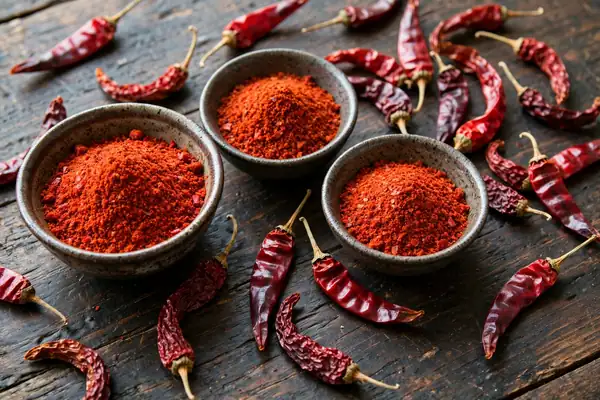
Takis are rolled corn tortilla chips, fried and coated in aggressive seasoning. Everything on top of the corn is the issue, and the coating is the entire point of the product. The seasoning is a concentrated delivery system for exactly the compounds dogs handle worst: alliums, salt, capsaicin, and fat.
The honest framing first: a healthy large dog that steals one Taki will most likely experience drooling, maybe vomiting, and then nothing. But that honest reassurance has a trapdoor, which is the delayed allium damage described below.
What is actually in a Taki
The ingredient list reads like a checklist of dog hazards. Corn masa flour, vegetable oil, and then the seasoning blend: salt, chili pepper, onion powder, garlic powder, citric acid, artificial colors, and flavor enhancers. Each component earns its own section below, but the table gives the full threat picture at a glance.
| Ingredient | Risk level | What it does to dogs |
|---|---|---|
| Onion powder | High | Damages red blood cells; anemia in 1 to 5 days |
| Garlic powder | High | Same red blood cell damage as onion |
| Chili pepper and capsaicin | Medium | Burns mouth, throat, and stomach lining |
| Sodium | Medium | Dehydration; salt poisoning in large amounts |
| Fat from frying | Medium | Pancreatitis risk; obesity over time |
| Artificial colors | Low | No nutrition; alarming red stool and vomit |
The AKC’s guidance on onions and dogs covers the allium danger in detail, and the ASPCA’s toxic plant database lists onion as toxic with organosulfur compounds as the mechanism. Powdered forms concentrate the problem: a teaspoon of onion powder represents far more onion than a teaspoon of the fresh vegetable, and seasoning blends do not disclose the percentage. You cannot do the safety math from the label, which is itself the answer. Unknown dose of a known toxin means no serving.
Onion and garlic powder: the delayed danger
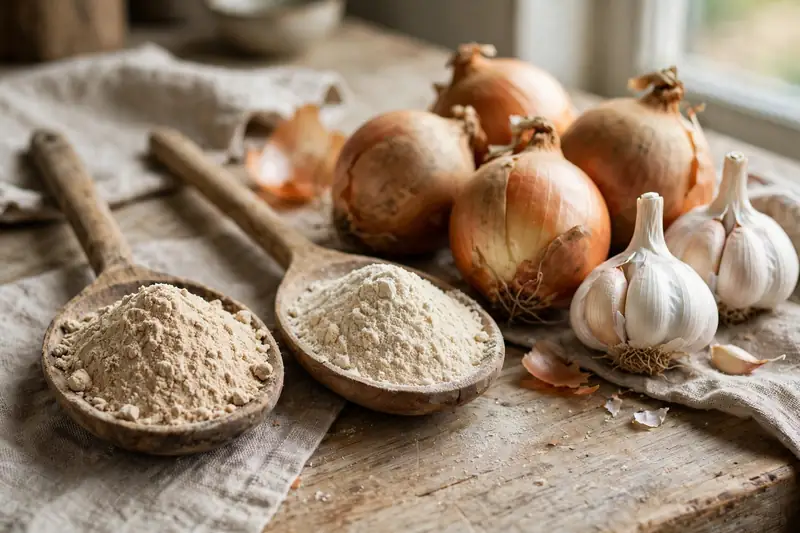
Onion and garlic belong to the allium family, and their sulfur compounds oxidize canine hemoglobin into deformed clumps called Heinz bodies. The spleen spots the damaged cells and destroys them, which is hemolytic anemia: the dog’s red blood cell count falls because its own body is clearing the wreckage. The process takes one to five days, so the dog eats the chips on Saturday and shows pale gums on Wednesday, and nobody connects the events.
This delay is the single most misunderstood part of the Taki question. Every other ingredient announces itself quickly: chili burns now, salt thirsts now, fat nauseates within hours. Allium damage works in silence and bills later. Symptoms, when they arrive, include lethargy, pale or yellowish gums, rapid breathing, dark urine, and loss of appetite. By the time an owner notices, the red blood cell destruction is well underway, and treatment means veterinary care, sometimes including transfusion in severe cases.
How much onion it takes to poison a dog depends on weight, concentration, and the individual dog, with some Japanese breeds showing extra sensitivity. Powdered onion in seasoning is more concentrated than fresh, which compresses the margin further. A few chips will not deliver a toxic allium dose to a large dog, and honesty requires saying so. But “not a toxic dose” is not “safe,” because the dose is unknowable from the bag, the damage is cumulative across exposures, and the habit is the real risk. The dog that steals one chip monthly is playing a lottery with lengthening odds.
Sodium: doing the salt math
A single one-ounce bag of Takis carries around 250 milligrams of sodium, which is a startling load for an animal that weighs a fraction of a person. Dogs need some salt, but their daily requirement is small, and a handful of intensely salted chips can exceed it several times over. The immediate effect is thirst: the dog drinks heavily as the body works to dilute the sodium. With water freely available, most dogs handle a small salt load without drama.

Salt poisoning, properly called hypernatremia, needs much more sodium than a few chips provide. Signs begin around 1 to 2 grams of salt per kilogram of body weight, which means a 10-kilogram dog would need 10 to 20 grams of salt, far beyond a stray chip. The dogs at real risk are small dogs that eat large quantities, dogs with heart or kidney disease that cannot handle sodium swings, and any dog denied water after eating salty food.
The practical rule is water and watching. If your dog eats a few Takis, make fresh water available and do not restrict it. Watch for extreme thirst, vomiting, or lethargy over the next hours. Salt is the ingredient most likely to cause same-day symptoms, which makes it the most visible and, paradoxically, the least scary of the big three. Visible problems get noticed. The allium problem does not, which is why it leads this article’s worries.
Capsaicin: pain without pleasure
Chili heat works on pain receptors, and dogs have the receptors without the enjoyment. People who love spicy food get a pleasure response mixed with the burn; dogs get the burn straight. Capsaicin irritates the mouth, throat, esophagus, and stomach lining, producing drooling, lip licking, panting, and visible distress. The dog cannot report the burning sensation, so it shows as anxiety, pacing, and frantic water drinking that does not help, because water does not dissolve capsaicin.

The digestive aftermath follows the same irritation down the tract: vomiting, diarrhea, and abdominal pain within hours. None of this is toxic in the poisoning sense. It is tissue irritation from a compound the dog’s gut was never meant to meet, and it resolves once the irritant passes. But “not toxic” undersells the suffering. A dog that eats several Takis can spend a miserable evening, and there is no antidote beyond time, water, and a bland diet afterward.
This is also why the “my dog loves spicy food” observation misleads. Dogs that eagerly eat spicy scraps are usually responding to fat and salt, not enjoying heat. The enthusiasm at the moment of eating says nothing about the stomach ache two hours later. Dogs are terrible judges of what agrees with them, which is why the judging is your job.
Fat and the pancreatitis risk
Twelve Takis deliver about 8 grams of fat, according to manufacturer nutrition data, and fat is the slow-burn hazard in the bag. A single fatty episode can trigger pancreatitis in susceptible dogs: inflammation of the pancreas that causes severe abdominal pain, repeated vomiting, lethargy, and loss of appetite. Pancreatitis in dogs ranges from mild to life-threatening, and high-fat human snacks are a classic trigger. Small breeds, overweight dogs, and dogs with a pancreatitis history sit in the highest risk group.
The chronic version matters too. Dogs that regularly score fatty human snacks gain weight, and the extra pounds compound every other health problem: joints, heart, diabetes risk. Takis are calorie-dense by design, engineered to be hard to stop eating, and those engineering goals serve the manufacturer, not the dog. The ASPCA’s people-foods guidance puts rich seasoned snacks firmly on the avoid list, and fat content is a large part of why.
Pancreatitis deserves more fame than it has: emergency vets see fat-triggered cases regularly after holidays and parties. If your dog eats a large amount and develops belly pain with repeated vomiting, the vet needs to hear about the fat, not just the spice.
One chip vs a whole bag: honest proportions
One chip stolen off the floor is a minor event for a healthy dog. Expect some drooling, maybe vomiting. Then a watchful evening. The allium dose in a single chip is too small to cause anemia in a medium or large dog, the salt is manageable with water available, and the capsaicin passes. Monitor, offer water, and do not panic. Panic helps nothing and teaches the dog that stealing chips produces exciting attention.

A handful changes the calculation. Multiple chips multiply every ingredient: more allium toward the danger zone, more salt toward dehydration, more fat toward pancreatitis, more capsaicin toward a miserable night. Small dogs cross thresholds faster, and a small dog that eats a handful deserves a vet call even without symptoms, because the per-pound math is unforgiving at low weights.


A whole bag is an emergency until proven otherwise. The combined sodium, allium, and fat load can poison a dog, with small dogs at risk of salt toxicity and any dog at risk of significant GI damage. Call your vet or emergency clinic immediately, and bring the bag so they can see the flavor and estimate the amount. Follow their instructions. Do not induce vomiting at home unless directed; the irritants coming back up can injure the throat, and the vet may prefer other decontamination. Speed matters more than home heroics.
What to do if your dog eats Takis
Take the bag away first, then assess the amount. A chip or two in a healthy dog means water, watching, and a calm evening otherwise. Note the time and the flavor, because the flavor tells the vet which seasoning blend was involved. Remove access to more: close the pantry, put the bag high, and check the floor for fallen pieces, since dogs that found one chip will search for its friends.
Offer fresh water freely and watch for four to six hours. Expected mild signs include drooling, lip licking, and thirst, possibly one vomit. Call your vet if vomiting repeats, diarrhea is bloody, the dog seems painful or lethargic, or a small dog ate more than a chip or two.

Remember the delayed allium window: watch the gums and energy for several days after any significant ingestion, not just the first evening. Pale gums or dark urine days later mean the vet, with the Taki incident reported as the likely cause.
For the recovery, a short bland diet of plain rice and boiled chicken rests the irritated gut. Reintroduce normal food over a day or two once stools firm up. And fix the storage: snack bags live in closed high cabinets from now on, because the dog that stole once has learned a profitable skill.
Safe crunchy alternatives that scratch the itch
Dogs that beg for Takis want crunch and your attention, and both have safe substitutes. Baby carrots deliver a satisfying crunch with fiber instead of fat. Apple slices, cored and seeded, give sweet crunch. Plain popcorn, air-popped with no salt or butter, is the closest texture match to a chip and most dogs love it. Commercial dog treats in crunchy formats exist for exactly this craving.

The deeper fix is the begging dynamic. Dogs beg because begging works, so redirect with a safe treat for a settled behavior like lying on a mat. Households with children need the same rule: no sharing spicy snacks with the dog, ever.
Keep a mental list of dangerous human snacks versus merely unhealthy ones. Takis sit in the dangerous column because of the allium content, alongside onion-heavy foods. Plain cheese in small amounts sits in the merely-unhealthy column. Knowing which column a snack occupies decides whether a theft is a watch case or a vet case, and Takis’ column is the one with the phone number.
When to call the vet
Call your vet if your dog eats more than a chip or two, if the dog is small, if vomiting or diarrhea is severe or bloody, or if you see pale gums, dark urine, lethargy, or appetite loss in the days after ingestion. Call emergency services for collapse, seizures, unproductive retching with a swollen belly, or any sign of an allergic reaction. A single chip in a healthy large dog with no symptoms needs monitoring, not a midnight drive.
Report the flavor, the estimated amount, the time, and the dog’s weight. Mention the delayed allium concern explicitly if symptoms appear days later; some vets will connect it, but the reminder helps, especially at emergency clinics seeing the dog for the first time. Blood work is the definitive check for allium anemia, and it is a simple test. Do not feel silly requesting it after a snack incident. The delay is exactly why the test exists.

Frequently asked questions about dogs and Takis
Owners usually ask about flavors, single chips, cats, and red stool. The answers below cover the repeat questions.
Are some Taki flavors safe for dogs?
None of them. Fuego, Nitro, Blue Heat, Crunchy Fajitas, and Guacamole all contain onion or garlic powder. There is no safe flavor in the lineup, regardless of heat level or color.
My dog ate one Taki. Will it be okay?
Most likely yes, for a healthy medium or large dog. Expect possible drooling or a single vomit, offer water, and watch the evening. Watch gums and energy for a few days too, because allium effects are delayed.
Can cats eat Takis?
Cats are also sensitive to onion and garlic, in some ways more so than dogs. The same seasoning dangers apply, and cats have smaller bodies with smaller margins.
Why is my dog’s poop red after eating Takis?
Artificial food coloring. The red dyes pass through and tint the stool, which looks alarming but is harmless color. Blood looks darker and tarrier; dye looks bright red. When in doubt, the vet can tell the difference.
Can puppies eat Takis?
Absolutely not. Puppies have smaller bodies and developing organs, with lower tolerance for every ingredient in the bag. Keep all spicy seasoned snacks completely away from puppies.
How long should I watch my dog after it eats Takis?
Watch closely for 6 hours for the immediate effects, then loosely for 5 days for the delayed allium signs: pale gums, lethargy, dark urine, appetite loss. The two windows cover the two danger types.
Takis are engineered for humans who enjoy the burn, and every engineering choice in the bag works against dogs. The chili punishes immediately, the salt punishes within hours, and the allium punishes within days. Keep the bag in a closed cabinet, the dog on safe crunchy treats, and the vet’s number where you can find it.
Disclaimer: This article is for general information only and is not veterinary advice. Onion and garlic toxicity is a medical issue: if your dog eats Takis in quantity or shows pale gums, dark urine, or lethargy afterward, contact your veterinarian promptly.


