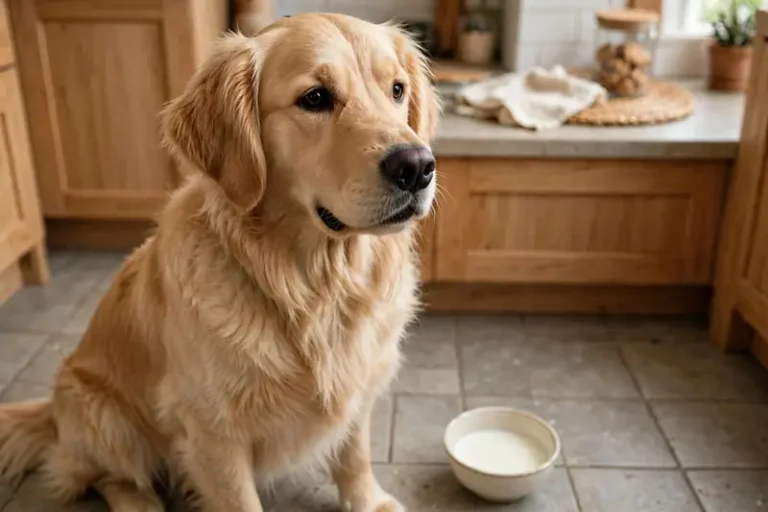
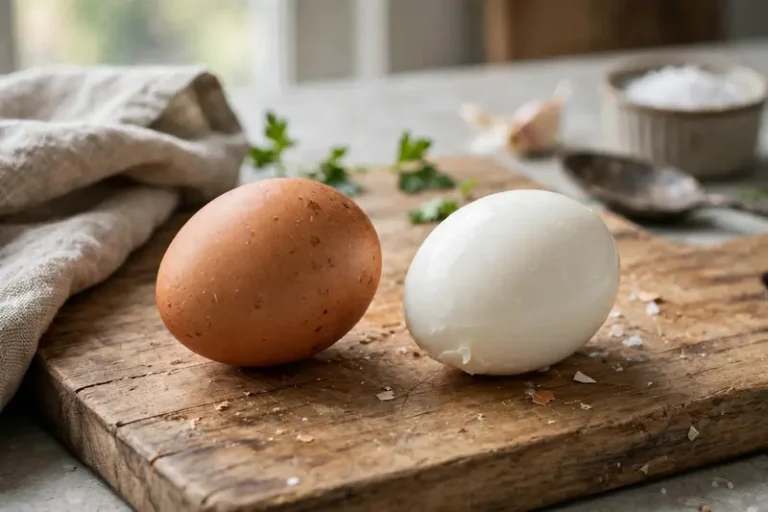
Scrambled eggs are the breakfast most likely to end up in the dog’s bowl, because the dog is already watching you make them. Can my dog eat scrambled eggs? **Dogs can eat scrambled eggs when they are plain, fully cooked, and served in small amounts.** Eggs are one of the most digestible protein sources around, and scrambled is one of the safest ways to serve them. The trouble starts with the human version: butter, oil, salt, cheese, milk, and onion turn a fine dog treat into stomach trouble or worse. AKC’s guide to eggs for dogs gives the same verdict: cooked plain, no seasonings, in moderation. This guide covers the dog-safe cooking method, exact portions by size, the add-ins to never use, and the dogs that should skip eggs.

Can dogs eat scrambled eggs?
**Dogs can eat scrambled eggs as long as they are cooked plain with no butter, oil, salt, or seasonings.** Scramble the egg in a dry nonstick pan over low heat until no runny egg remains. Serve it cooled, in a portion sized to the dog. One large egg carries 60 to 80 calories, about 6 grams of protein, and about 5 grams of fat, so it fits as an occasional treat, never a daily meal.

Set the dog’s portion aside before you season your own breakfast. That one habit prevents every scrambled egg problem in this article. PetMD’s guide to eggs for dogs lists scrambled among the safe preparations, right behind boiled. If you share breakfast foods often, the list of human foods dogs can eat is worth bookmarking. A dog trying egg for the first time gets a tablespoon, not a plate.
Why scrambled eggs work so well for dogs
**Eggs pack highly digestible protein, essential amino acids, and B vitamins into a soft, easy-to-eat form.** The protein in eggs digests almost completely, which is why eggs show up in recovery diets. They carry vitamin B12, riboflavin, and selenium, plus healthy fats in the yolk. The soft texture suits dogs that struggle with hard kibble: seniors with worn teeth, dogs recovering from dental work, and picky eaters that turn away from the bowl.

The general eggs for dogs guide covers the full nutrition picture. Scrambled earns its spot because the cooking is fast and needs no added fat, unlike fried eggs. Eggs do not replace balanced dog food. They are a supplement with a specific job: tempting appetite, softening meals, and adding protein variety a few times a week. A dog that eats a complete food already gets everything eggs offer, just in less exciting form.
The plain rule: how to cook them for your dog
**Crack the egg into a clean bowl, scramble it in a dry nonstick pan over low or medium heat, and cook until no runny egg remains.** No butter, no oil, no salt, no pepper, no milk. A dry nonstick skillet is the whole technique. Stir gently until the egg sets into soft curds, then cool before serving.

“Fully cooked” means no wet or runny spots. Runny egg carries the same bacterial risk as raw egg, and soft curds are the texture dogs handle best anyway. Do not microwave in plastic or cook in bacon grease, both of which add problems the plain method avoids. One egg scrambles in about two minutes, which makes this the fastest dog treat in the kitchen. Make the dog’s portion first, plate it to cool, then cook yours however you like.
What goes wrong in human-style scrambled eggs
**Butter, oil, salt, milk, cheese, and alliums turn safe scrambled eggs into a problem.** Butter and oil add fat a dog does not need; a buttery scramble can trigger pancreatitis in a sensitive dog. Salt in quantity risks sodium overload. Milk adds lactose many adult dogs cannot digest, which means gas and diarrhea a few hours later. Cheese piles on fat and salt together.

Onion, garlic, chives, and scallions are the serious ones. Alliums damage a dog’s red blood cells whether raw, cooked, powdered, or hiding in a seasoning blend, and ASPCA’s list of people foods to avoid names them among the items that never belong in a dog’s bowl. A Denver omelet or a scramble with onion powder is off the table for the dog, full stop. Hot sauce, ketchup, and pepper blends add irritation on top. The dog’s scramble has one ingredient. Yours can have the rest.
Raw and runny eggs: the two real risks
**Raw eggs carry Salmonella risk, and raw egg whites contain avidin, which binds biotin.** Cooking solves both. Salmonella sickens dogs with vomiting, diarrhea, and fever, and it spreads around the kitchen on bowls, hands, and the dog’s face. Avidin in raw whites blocks biotin absorption, but this is a chronic-feeding problem: a dog would need to eat raw whites regularly for weeks to show a deficiency. A single stolen raw egg is a bacteria question, not a biotin emergency.

Raw eggs carry the full uncooked risk profile. For scrambled eggs the lesson is simple: no runny centers, no soft-set French style for the dog. Cook until set, every time. Wash the bowl, the fork, and your hands after handling raw egg, the same hygiene you use for your own cooking.
How much scrambled egg is safe
**Keep eggs under 10 percent of daily calories: a teaspoon or two for a tiny dog, up to one whole egg for a large dog, one to three times a week.** One large egg’s 60 to 80 calories is a full treat budget for a small dog and a modest extra for a big one. VCA’s feeding guidelines hold the 10 percent line for all treats, and eggs earn no exemption.

| Dog size | Safe amount | Frequency |
|---|---|---|
| Tiny (under 10 lbs) | 1 to 2 teaspoons | 1 to 2 times a week |
| Small (10 to 25 lbs) | 1 to 2 tablespoons | 1 to 2 times a week |
| Medium (25 to 50 lbs) | About half an egg | 1 to 3 times a week |
| Large (over 50 lbs) | Up to one whole egg | 1 to 3 times a week |
Start below the chart on the first try. Some dogs get loose stool from any new rich food, and egg yolk is rich. A dog that gains weight on eggs is getting them too often, since the calories add up silently when “just an egg” becomes daily. For most healthy dogs, a whole egg once or twice a week is plenty. Eggs are a treat with a job, not a second breakfast.
Scrambled eggs for sick, senior, and picky dogs
**Soft scrambled eggs are one of the best appetite tempters for dogs that will not eat.** A senior with worn teeth, a dog recovering from illness, or a picky eater that sniffs and walks away will often accept warm scrambled egg when nothing else works. The soft texture needs almost no chewing, the smell is appealing, and the protein is gentle on a recovering stomach.
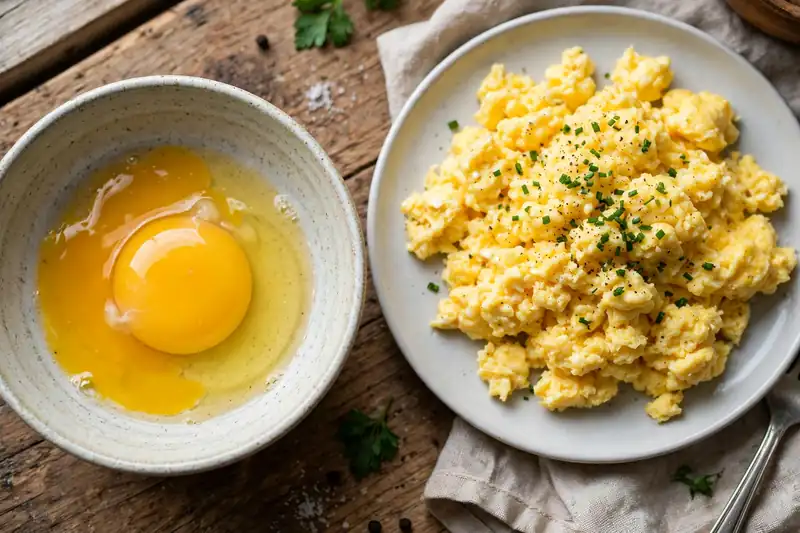
Vets often pair eggs with white rice or plain bread as a short-term recovery meal: easy to digest, bland, and palatable for dogs that have stopped eating. That combination belongs in the bland diet for a day or two rotation after stomach upset, once vomiting has stopped. Scrambled egg also works as a pill vehicle: a spoonful of warm egg hides a pill better than most commercial pockets. Serve it warm, not hot, and keep the portion small even for a sick dog. Food refusal lasting more than a day still needs a vet visit, since appetite loss is a symptom, not a feeding problem.
Dogs that should skip eggs
**Dogs with pancreatitis, kidney disease, or prescription diets need a vet’s word before eggs enter the menu.** The fat in egg yolks can trigger a pancreatitis flare in prone breeds, and a dog with a history of pancreatitis should get egg whites only, if anything, on veterinary advice. Kidney diets control protein and phosphorus precisely, and an extra egg breaks the math. Prescription diet dogs stay on the prescription.

Egg allergy exists in dogs, though it is uncommon. Signs mirror other food allergies: itchy skin, ear irritation, hives, or swelling around the face after eating egg. Stop offering eggs if any of these appear and mention it at the next vet visit. Overweight dogs on a managed calorie plan should count every egg against the daily total. When the vet says no eggs, the answer is no eggs. The dog will survive without them.
Scrambled vs boiled vs fried
**Boiled is the simplest, scrambled is the most versatile, and fried is the one to skip.** A hard-boiled egg needs no pan, no fat, and no attention: boil, cool, chop. Scrambled needs a nonstick pan and two minutes, and the soft curds suit dogs that struggle with chunks. Both are safe when plain. Fried eggs need oil or butter to cook properly, and that added fat is the whole reason to skip them.

Poached eggs land with scrambled: safe when plain, fully cooked, and unseasoned. Microwaved eggs work in a pinch but cook unevenly, so check for runny spots. The method matters less than the two rules that never change: fully cooked, nothing added. Pick whichever plain method fits your morning, and the dog gets the same safe egg.
When to call the vet
**Call the vet if your dog ate scrambled eggs with onion, garlic, or xylitol-containing additives, or shows repeated vomiting, facial swelling, or collapse.** Onion and garlic damage red blood cells over days, so pale gums or dark urine in the week after onion exposure needs a vet visit even if the dog seemed fine at first. Allergic swelling around the face is an urgent visit.
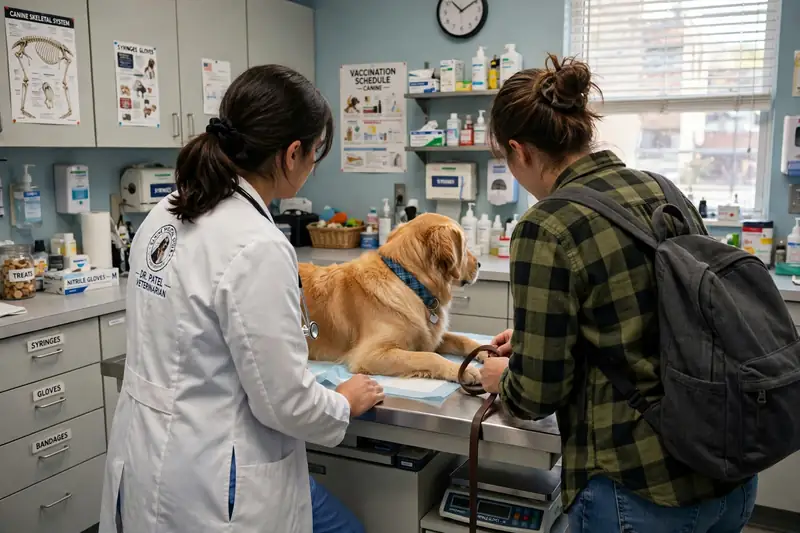
For plain scrambled egg with mild stomach upset, watching at home is reasonable. A bland diet for a day or two settles most cases. For raw or runny egg with vomiting, fever, or lethargy developing over 1 to 3 days, call the vet, since bacterial illness declares itself slowly. Keep your vet’s number saved in your phone.
Frequently asked questions about scrambled eggs for dogs
Owners usually ask about puppies, daily eggs, cheese, milk, and seasoned eggs. The answers below cover the questions that come up most often.
Can puppies eat scrambled eggs?
A tablespoon of plain, fully cooked scrambled egg is fine for a puppy already eating solid food well. Keep it occasional and small. Puppies under eight weeks, or any puppy with ongoing digestive trouble, should skip new foods unless the vet agrees.
Can dogs eat scrambled eggs every day?
Daily eggs unbalance the diet and stack up calories and fat. One to three times a week is the sensible range for most dogs. The complete dog food stays the daily meal.
Can dogs eat scrambled eggs with cheese?
Skip the cheese. It adds fat and salt without any benefit, and the lactose troubles many dogs. If you want to make the egg more appealing, serve it warm instead. Warmth does the tempting without the cheese.
Can dogs eat scrambled eggs with milk?
Skip the milk. Many adult dogs digest lactose poorly, and milk in scrambled eggs commonly causes gas or soft stool. Scramble in a dry nonstick pan with nothing added.
My dog ate my seasoned scrambled eggs. What should I do?
Check what was in them. Butter, salt, and pepper mean watching for stomach upset. Onion, garlic, or chives mean a vet call, since alliums damage red blood cells. Cheese or milk mean possible digestive upset. One seasoned serving rarely causes lasting harm in a healthy dog, but keep the dog’s portion plain from now on.
Are egg shells safe for dogs?
Egg shells are mostly calcium carbonate and are not toxic, but they are sharp when broken and offer no benefit in a scrambled egg context. Dogs on balanced food do not need the calcium. Skip the shells.
Scrambled eggs earn a solid yes, with the plain rule doing all the work. Cook them with nothing added, keep the portion modest, and they are one of the best soft treats in the kitchen. The human version stays on your plate.
Disclaimer: This article is for general information only and is not veterinary advice. Every dog is different, and dogs with health conditions, puppies, and nursing dogs may need different guidance. If you are unsure, or if your dog shows symptoms after eating scrambled eggs, contact your veterinarian.