
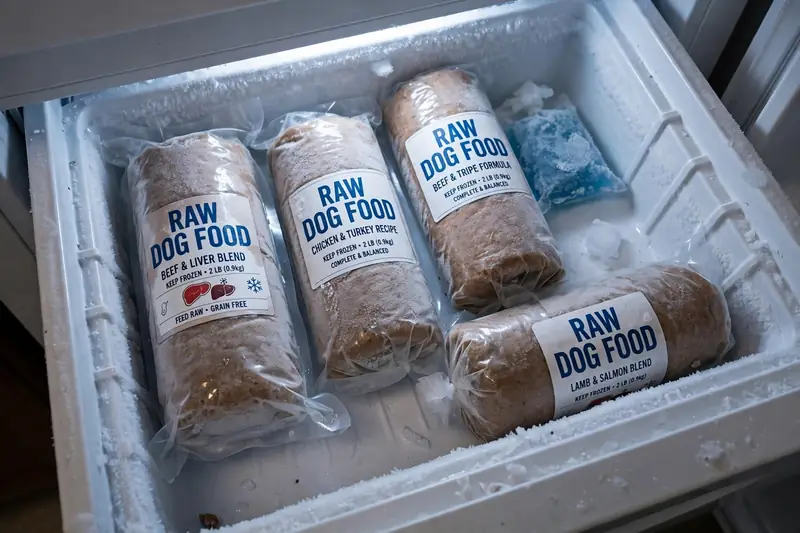
Yes, Raaw Energy recalled its frozen raw dog food after FDA testing found Listeria, Salmonella, and Campylobacter. There is a tube of frozen raw dog food in your freezer with a date stamped on the box. That date decides everything. Product made between July 17, 2025 and December 23, 2025, plus one batch dated March 31, 2026, falls inside the expanded recall: more than 180 lots across 60-plus varieties, sold in nine northeastern states. If your box falls in that window, stop feeding it now. This article lays out the full timeline, how to check your freezer in two minutes, what to do if your dog already ate it, and how refunds work.
Was there a Raaw Energy dog food recall? The short answer
Yes. Raaw Energy LLC recalled its frozen raw dog food in two stages. In late January 2026, after an FDA advisory, the company recalled eight lots contaminated with Listeria monocytogenes, Salmonella, and Campylobacter jejuni. On May 22, 2026, it expanded the recall to every product manufactured between July 17, 2025 and December 23, 2025, plus one lot dated March 31, 2026. The company also paused all production over sanitation concerns.
The recall started with a sick dog. In December 2025, a pet owner told the Connecticut Department of Agriculture that her dog developed gastrointestinal illness after eating Raaw Energy Chicken Medley. State officials collected a sealed sample of the same lot the dog had eaten, and the lab found three pathogens in it: Salmonella Infantis, Listeria monocytogenes, and Campylobacter jejuni. One sample in the wider testing also contained E. coli O157, though a later correction noted it was not a pathogenic strain. The FDA’s January 2026 advisory tells that story in the agency’s own words and remains the primary source for the case.
This is the largest raw dog food recall of 2026, and the messiest: an advisory first, a narrow recall, months of silence, then a sweeping expansion.
The timeline: from complaint to expanded recall
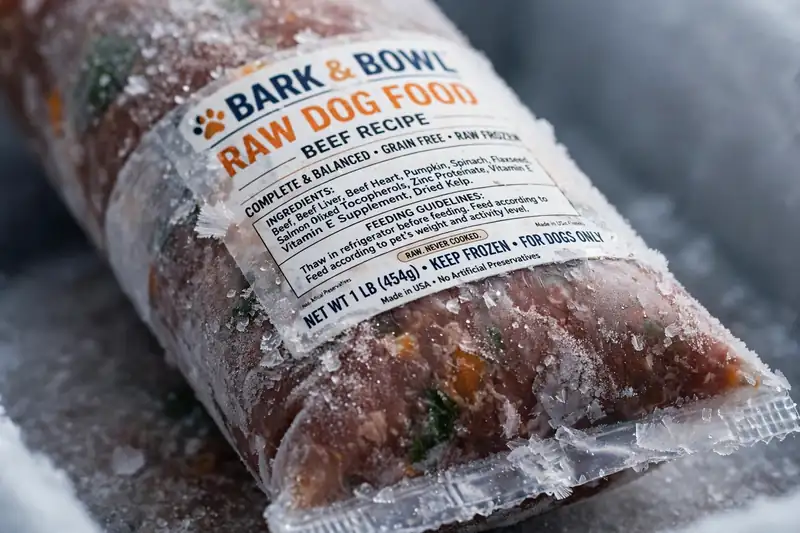
December 2025 brought the complaint. A Connecticut dog owner reported gastrointestinal illness after feeding Raaw Energy Chicken Medley, and on December 18 the state agriculture department collected a sealed sample of lot 7.17.25 from her. The state lab confirmed three pathogens. On January 14, 2026, Connecticut issued a “withdraw from distribution” order for the contaminated lot.
January 2026 brought the federal escalation. Connecticut and New Jersey officials tested eight unopened samples in total, and every one came back positive for one or more pathogenic bacteria. The FDA recommended that Raaw Energy recall the eight lots. The company did not act adequately, in the FDA’s judgment, so on January 23 the agency issued a public advisory: do not feed these lots. Days later, the company recalled eight lots covering Chicken Medley, Salmon, Beef and Chicken Medley, Beef and Turkey Medley, and Beef and Chicken Tripe Medley.
Then came the long gap. The advisory stayed up for months while the product sat in home freezers. In April 2026, New Jersey agriculture officials did follow-up sampling and found Listeria in four more samples from the same production window. The state issued a stop-sale notice on April 21, the FDA notified the company of the findings on May 13, and on May 21 the company temporarily halted all production. The next day, May 22, came the expanded recall: everything made July 17, 2025 through December 23, 2025, plus the March 31, 2026 lot of Beef and Turkey Medley. The FDA later issued a formal Warning Letter to the company over what its inspection found at the plant.
The pattern matters. The first action covered eight lots. The final action covered more than 180. Recalls grow when follow-up testing keeps finding contamination, and this one grew for four months.

Which products and date codes are affected
The expanded recall covers all Raaw Energy dog food manufactured between July 17, 2025 and December 23, 2025, plus one lot of Beef and Turkey Medley dated March 31, 2026. That spans more than 60 varieties and over 180 lots, sold as frozen tubes in 2-pound and 5-pound sizes. Recipes named in the notices include Chicken Medley, Salmon, Beef and Chicken Medley, Beef and Turkey Medley, and Beef and Chicken Tripe Medley, but the expansion is date-based, not recipe-based: if the manufacture date falls in the window, the product is recalled regardless of flavor.
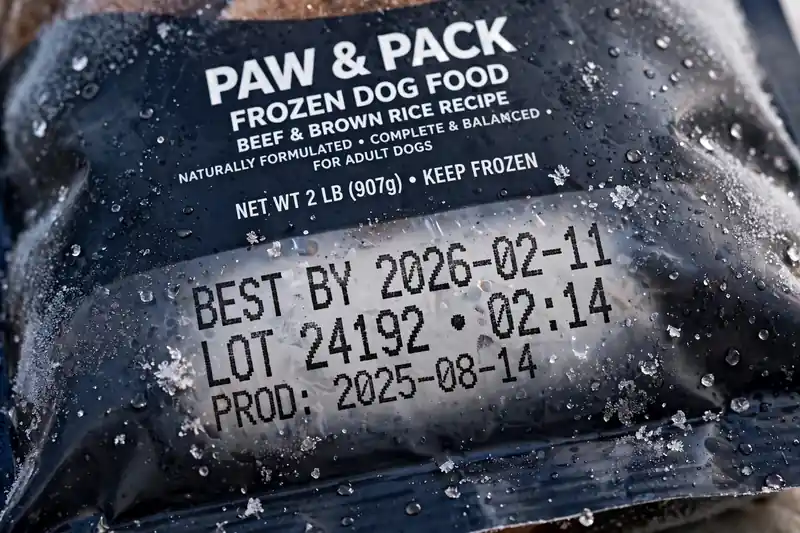
Distribution covered nine northeastern states: Connecticut, Delaware, Massachusetts, Maryland, New Hampshire, New Jersey, New York, Pennsylvania, and Virginia, sold for pickup through retail and wholesale accounts. The date code is printed on the box label. If it falls between 07/17/2025 and 12/23/2025, stop feeding it. If it reads 03/31/2026 on Beef and Turkey Medley, stop feeding it.
No other dates are included. Product made before July 17, 2025 or after March 31, 2026 is not part of this recall as announced. Recall scopes can change with new findings, so recheck the FDA’s recall list if you are unsure.
The bacteria involved and why they matter
Three pathogens drove this recall, and each threatens dogs and people differently.
Listeria monocytogenes causes listeriosis. In dogs it can bring fever, vomiting, diarrhea, and in severe cases neurological signs. It is especially dangerous to pregnant women, newborns, older adults, and anyone immunocompromised, which is why raw pet food recalls worry public-health officials beyond the pet bowl.
Salmonella needs little introduction. In dogs it causes vomiting, diarrhea (sometimes bloody), fever, appetite loss, and lethargy. Many dogs carry Salmonella without symptoms, which makes them silent spreaders in the house. In people it causes the familiar food-poisoning misery, and it hospitalizes thousands every year.
Campylobacter jejuni is the third, and the one owners know least. It is a leading bacterial cause of diarrhea in people, usually from contaminated food, and dogs can shed it in their stool after eating contaminated raw food. The VCA’s guide to raw food diets for dogs explains how these bacteria move between raw food, pets, and people in the same household.
Raw meat is the common thread. Cooking kills these organisms, and freezing leaves them alive. That single fact explains why raw pet food draws a disproportionate share of FDA pathogen recalls.

How to check your freezer right now
Do this tonight. Open the freezer, pull out every Raaw Energy package, and read the date code on the box label. Compare it to the recalled window: July 17, 2025 through December 23, 2025, plus March 31, 2026 for Beef and Turkey Medley.
If the date falls inside, bag the product and seal it, then throw it out or return it. Do not feed it “just to finish the bag.” Do not cook it and serve it. The recall is about contamination, and home cooking of a product this compromised is not a fix the FDA endorses.
If the date falls outside, the product is not recalled as announced. If the date code is missing or unreadable, treat it as recalled. A missing code on a product from the affected era is not worth the gamble, and no vet will tell you otherwise.
Then clean. Wash your hands, and wash any bowls, scoops, and surfaces the food touched with hot soapy water. The FDA’s safe handling guide for pet food recommends following up hard surfaces with a disinfecting solution. Raw food bacteria travel beyond the bowl: on hands, counters, and the dog’s mouth to everything the dog licks afterward.
What to do if you already fed it
First, do not panic. Most dogs that eat contaminated raw food escape serious illness, but watch closely, because the dog cannot tell you it feels off until it is already sick.
Monitor for vomiting, diarrhea, fever, appetite loss, and unusual lethargy over the next several days. Puppies, seniors, and dogs with weak immune systems deserve closer watching and a lower threshold for calling the vet. Save the packaging with the lot and date code. If your dog gets sick, the vet will want it, and the FDA wants the report.
Call your vet if symptoms appear, especially bloody diarrhea, repeated vomiting, or a dog that will not eat or drink. Mention the recall by name and give the date code. Vets take pathogen exposure more seriously when they know the source, and early treatment for dehydration and infection works far better than late treatment.
Also consider the humans. Anyone who handled the food should watch for nausea, vomiting, diarrhea, cramps, and fever. Pregnant women and immunocompromised people in the house should be extra cautious and should call their doctor about any symptoms. Listeria is the one that worries doctors most.
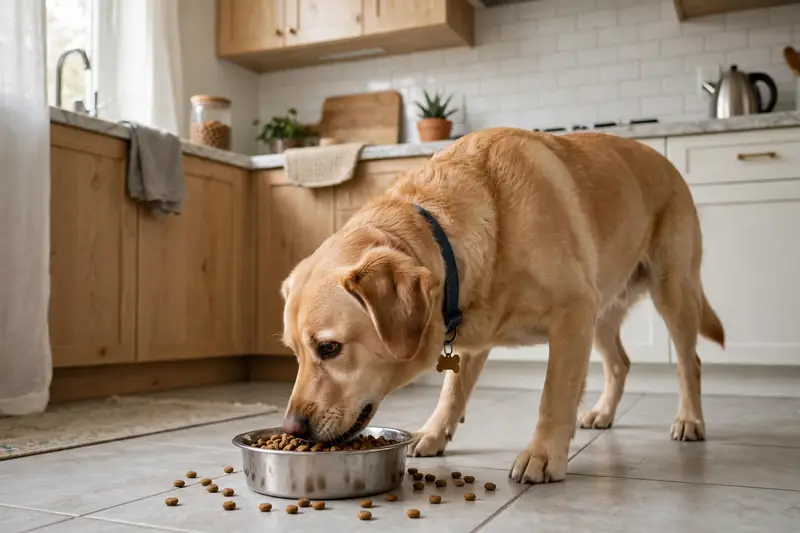
Signs of illness in dogs and people
In dogs, the three bacteria produce overlapping signs. Expect vomiting, diarrhea that may be bloody, fever, loss of appetite, and lethargy. Gastroenteritis in dogs covers the general picture, and bloody diarrhea is the sign that always earns a prompt vet visit. Neurological signs, wobbliness or disorientation, point more toward Listeria and need urgent care.
Onset varies. Salmonella signs can appear within hours to a few days. Listeria can take longer. Do not assume a good week means you are clear if the dog ate recalled product; keep the packaging and stay observant.
In people, expect the classic food-poisoning set: nausea, vomiting, diarrhea, abdominal cramps, and fever, usually starting 12 to 72 hours after exposure. Most healthy adults recover with fluids and rest. The exceptions are the vulnerable groups, and they should not wait to call a doctor.
Mild cases in dogs often resolve with supportive care. A bland diet for a day or two suits a dog recovering from mild stomach upset, but only after the vet has ruled out anything serious. Never start antibiotics on your own; the vet decides that.

Refunds and where the company stands now
The company paused all dog food production on May 21, 2026, the day before the expanded recall, citing sanitation concerns at its plant. The FDA’s subsequent Warning Letter described serious flaws in the facility and its procedures, beyond the pathogen-positive samples. That is unusually strong language from the agency and signals the problems ran deeper than one bad lot.
For refunds, the recall notices direct consumers to stop feeding the product and contact the company. Keep your receipt and the packaging with the date code; both speed up any refund claim. If you bought through a retailer, the store may handle the return directly.
As for the company’s future, production was described as paused, not permanently closed, at the time of the expansion. Whether and when Raaw Energy resumes selling, and under what corrected procedures, is something to verify before ever buying again, not something to assume. A recall this broad, paired with a Warning Letter, means the next purchase decision should wait for evidence of fixed sanitation, not marketing.

The raw food question behind this recall
This recall will be cited in the raw-feeding debate for years, so here is the complicating fact both sides should sit with. The FDA’s own two-year study found raw pet food more likely than other pet food types to carry disease-causing bacteria: about 8 percent of raw samples tested positive for Salmonella and 16 percent for Listeria, versus a fraction of a percent in conventional pet food. The agency’s position is blunt: it considers raw pet food a significant health risk, and the single best prevention is not feeding it.
The other side of that data: most raw samples tested clean. Roughly three-quarters had neither pathogen. Millions of raw meals are fed without incident, and advocates argue the nutritional case on its own terms. Both things are true. The risk is real and documented, and it is not universal.
What the Raaw case actually shows is narrower and more useful than the whole debate. Pathogen recalls cluster where sanitation fails at the plant. Eight positive samples across two states, then four more months later, plus an inspection finding serious facility flaws: that is a manufacturing story, not a raw-food-philosophy story. Owners who feed raw should read this recall as a warning about suppliers, not just about raw itself. And owners considering raw should know the raw meat, raw chicken, and raw eggs guides before deciding, because the risks start at the ingredient, not the brand.

How to check any dog food recall in minutes
Make this a habit, not a one-time scramble. Bookmark the FDA’s Recalls, Market Withdrawals, and Safety Alerts page and filter for animal and veterinary products. The agency posts company announcements there, usually the same day. Search the brand name.
Second, read the lot and date code on every bag or box when it arrives, before it goes into the storage bin. Recalls are lot-specific far more often than brand-wide, and the code on your package is the only thing that determines whether you are affected.
Third, sign up for FDA email alerts so new recalls come to you. The Raaw advisory sat public for months while affected product sat in freezers; owners who had alerts knew in January, not May.
If your dog eats a food that gets recalled, save the packaging, note the dates fed, watch for symptoms, and report problems through the FDA’s Safety Reporting Portal. Consumer reports are how the Raaw case started: one owner’s complaint in Connecticut triggered the testing that unraveled the whole thing. The bones guide is a different kind of food safety, but the principle is the same: know what is in the bowl.

Frequently asked questions about the Raaw Energy recall
Is every Raaw Energy product recalled?
Nearly. The expansion covers all dog food manufactured July 17, 2025 through December 23, 2025, plus one March 31, 2026 lot, which spans 180-plus lots and 60-plus varieties. Check your date code against that window.
My date code is smudged. What should I do?
Treat it as recalled. If you bought it during the affected era and cannot verify the date, the safe move is to discard it. No refund is worth a pathogen gamble.
Can I get a refund?
The recall directs consumers to stop feeding the product and contact the company or the retailer. Keep the receipt and packaging with the date code to support the claim.
Is Raaw Energy still selling dog food?
The company paused all production on May 21, 2026 over sanitation concerns. Verify its current status directly before considering any future purchase.
Should I stop feeding raw food entirely?
That is a personal decision, but go in informed. The FDA considers raw pet food a significant health risk and advises against it; the agency’s testing found higher contamination rates in raw than in conventional pet food. If you continue, choose suppliers with transparent sanitation and testing.
How do pet food recalls get announced?
Companies issue voluntary recalls, the FDA posts the announcement on its recalls page, and in serious cases the agency issues its own advisory or Warning Letter. Email alerts from the FDA are the fastest way to hear.
Check your freezer tonight. The date code on the box is the whole story: inside the window, the food goes; outside it, you are clear as announced. Save the packaging if your dog ate any of it, watch for symptoms, and report problems. Recalls only work when owners act on them, and this one sat in freezers for months before the expansion. Do not let yours sit any longer.
Disclaimer: This article is for general information only and is not veterinary advice. Recall information can change; verify current details on the FDA’s recall page. If your dog shows symptoms after eating recalled food, contact your veterinarian promptly.


1 thought on “Raaw Energy Dog Food Recall: What Happened and What to Do”