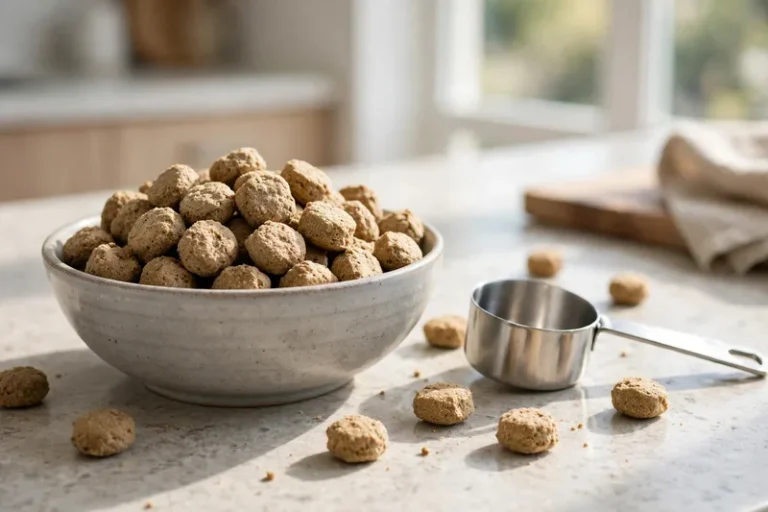
Fertilizer ingestion ranks among the most commonly reported toxin exposures in small animals, according to ASPCA Animal Poison Control data. That statistic reframes the question of how long after fertilizing lawn is it safe for dogs. The waiting period matters, but the bigger danger is rarely the lawn itself. It is the bag in the garage, the pile of granules by the spreader, and the “organic” product that smells like dinner to a dog.
How long after fertilizing lawn is it safe for dogs?
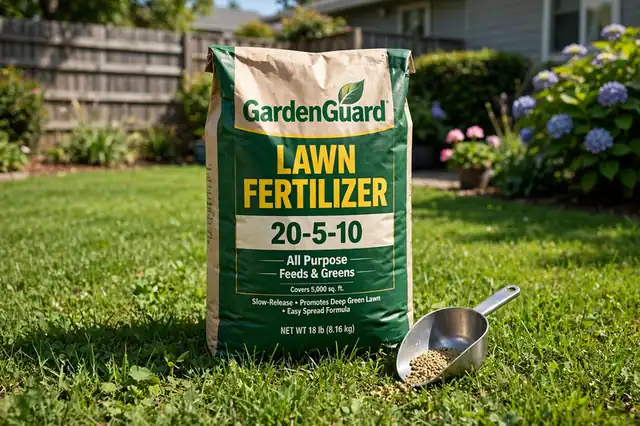
Keep dogs off the lawn for 24 to 72 hours after fertilizing, with the exact wait set by the product type and its label. Plain granular fertilizer that has been watered in and dried needs about 24 to 48 hours. Liquid fertilizer needs until it dries fully plus another day. Weed-and-feed combo products need the longest wait, up to 72 hours, because they carry herbicides alongside the nutrients.

The single most useful rule is visual: if granules are still visible on the grass, the lawn is not ready. Granules dissolve into the soil with watering, and until they do, they sit on the surface exactly where paws land and tongues go. A lawn that looks clean, feels dry, and shows no visible pellets has passed the practical test.
Write the application and safe-return dates on your calendar. The dog goes out “just for a minute” on day one, and that minute is when most exposures happen.
The label is the real answer
Your fertilizer’s label sets the official re-entry time, and it outranks every article including this one. Labels carry application rates, watering instructions, and drying times tested for that exact formulation. Some products say pets may return once the product is watered in and the lawn is dry. Others specify 48 or 72 hours. A few professional-grade products with added herbicides stretch longer.

Reading the label takes three minutes. Skip the front print and read the environmental hazards and pet sections: the front says “greens your lawn,” the back says when the dog can walk on it.
Note whether the bag says “water in” or “do not water in.” Some products need watering to dissolve; weed-and-feed must stay dry on leaves to work. Watering against the label wastes the application.
Wait times by fertilizer type
Granular needs 24 to 48 hours after watering in, liquid needs a full dry plus 24 hours, and weed-and-feed needs up to 72 hours. The type decides the timeline because each form behaves differently on the lawn.

Granular fertilizer is the most common home type, and its pellets must dissolve and wash into the soil, which is why watering right after spreading matters so much. In warm weather with good watering, granules disappear within a day. In cool or dry conditions, visible pellets can linger for two days or more. No visible granules plus dry grass is the green light, with 24 hours as the floor.
Liquid fertilizer absorbs faster but coats the blades directly, so the lawn must dry fully before paws touch it: usually 2 to 6 hours in decent weather, plus a safety day. Slow-release products meter nutrients over weeks, which sounds safer, but the initial re-entry wait still runs 24 to 48 hours. Organic products vary wildly, which deserves its own section below.
What’s actually in the bag: NPK and the additives that matter
The NPK nutrients themselves are low risk; the additives are where the real danger lives. Herbicides and insecticides ride along in many products, and so does extra iron. Every fertilizer bag shows three numbers, the N-P-K ratio for nitrogen, phosphorus, and potassium. Those three elements feed grass, and a dog that ingests a small amount of plain NPK fertilizer typically gets mild stomach upset at worst. The Pet Poison Helpline’s fertilizer information page confirms that gastrointestinal signs predominate in dogs, with serious effects tied to specific additives.

Check iron first. Many “green-up” fertilizers add iron for deep color, and ingested iron can injure the gut, liver, or heart at high doses. High-iron products demand strict storage and longer caution.
Insecticide additives are the worst case. Some rose and garden fertilizers include organophosphates like disulfoton, and tiny amounts can be lethal to dogs. One pet-safety guide reports that a single teaspoon of fertilizer containing 1 percent disulfoton can kill a 55-pound dog. Check the active ingredients panel, not just the NPK numbers. If the bag lists an insecticide, treat the product like the pesticide it partly is.
Why “organic” fertilizer can be worse for dogs
Bone meal, blood meal, and fish-based organic fertilizers smell like food to dogs, which makes dogs eat them in quantities no synthetic fertilizer ever attracts. This is the great inversion of the fertilizer world. Owners buy organic to be safe, and the product’s meaty smell does what no chemical ever could: it invites the dog to dinner.

The consequences go beyond stomach upset. Bone meal can congeal into a solid mass in the stomach, causing a blockage that needs surgery. Large fatty meals of blood or bone meal can trigger pancreatitis, a painful and sometimes dangerous inflammation. These outcomes are worse than anything plain synthetic NPK typically causes, which surprises owners who equated “organic” with “harmless.”
The risk profile is simply different: lower chemical toxicity, much higher ingestion attraction. If you use bone or blood meal, apply it, water it in thoroughly, and keep the dog off until no trace of the smell remains on the surface. Store the bag sealed and high, because a torn bag of blood meal is an emergency waiting for a nose.
Weed-and-feed: two products in one bag
Weed-and-feed combines fertilizer with herbicides, and the herbicide half sets the safety rules. The “feed” is standard NPK. The “weed” is usually a broadleaf herbicide like 2,4-D, dicamba, or mecoprop, chemicals with a very different risk profile than plant food. Treating the bag as “just fertilizer” misses the entire point.

The herbicide component is where the long-term worries live. Research has linked lawn herbicides such as 2,4-D to higher rates of lymphoma and bladder cancer in dogs, with a well-known Tufts University study finding about 70 percent higher odds of lymphoma in dogs exposed to professionally applied lawn pesticides. The Pet Poison Helpline’s herbicide information page details the signs and severity range of these exposures. Those are associations, not proof of causation, but they are the reason cautious owners give weed-and-feed the full 72 hours or skip it entirely.
Weed-and-feed must stay on dry leaves to kill weeds, so no watering in and a longer residue period. That is the opposite of plain fertilizer. Mixing up the routines gets it exactly wrong. If your lawn service applies treatments, ask exactly what is in the mix rather than accepting “pet friendly once dry” as an answer.
What happens if your dog eats fertilizer
Most fertilizer ingestions cause vomiting and diarrhea, with appetite loss for a day; large ingestions, iron, or insecticide additives make it an emergency. Dogs typically get into fertilizer three ways: licking granules off the lawn, raiding the bag, or drinking from puddles of dissolved product. The Pet Poison Helpline’s guide to herbicide and fertilizer exposure notes that dogs usually tolerate small ingestions with gut signs predominating.
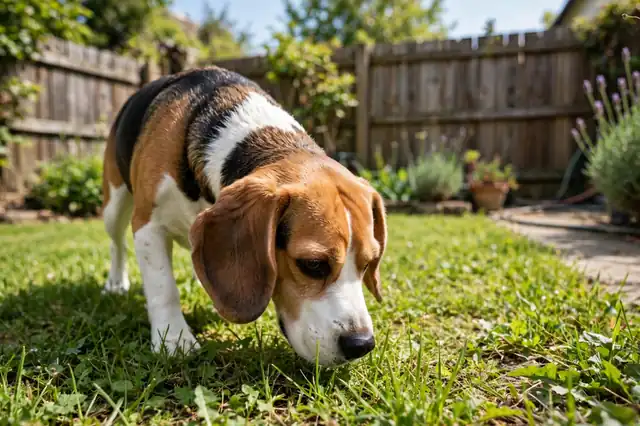
Small lawn-licking exposures need watching, not panic. Offer water, and feed a bland diet for a day or two if vomiting starts. Gastroenteritis in dogs from irritants usually resolves on this routine.
Bag raids are the emergency. A dog that eats a large quantity of fertilizer, especially bone meal or a product with iron or insecticide, needs a vet promptly. Do not induce vomiting on your own for chemical ingestions; our notes on inducing vomiting in dogs explain why the vet makes that call. Bring the bag or a photo of the guaranteed analysis panel. Watch for signs of bloat in dogs after large ingestions, since a swelling belly with retching is always urgent.
How to fertilize with a dog in the yard
Apply on a dry morning, water granular products in immediately, fence off the area, and keep the bag locked away. The routine matters more than the product. Spread when the dog is indoors, water the lawn the way the label directs, and set up temporary garden fencing around the treated zone so the dog never has to remember the rules.

Pick your product with the dog in mind. Plain synthetic NPK without iron or pesticide additives is the lowest-drama choice for dog households. If you want organic, choose plant-based options like seaweed or compost over bone and blood meal, since they attract far less canine attention. Avoid weed-and-feed entirely if your dog grazes; why dogs eat grass explains a habit that turns treated lawns into a slow-dose problem.
Time it smart. Fertilize before a stretch of dry weather so rain cannot wash product into puddles. Keep the dog’s toys and bowls off the lawn during application. Store every bag sealed on a high shelf under lock, because the ASPCA’s guide to household products lists garden chemicals among the household items that send pets to poison control most often.
After the wait: paw checks and lawn signs
When the wait ends, check paws after the first few outings and watch the lawn for leftover granules. A quick paw wipe with a damp cloth after yard time catches any residue the wait missed, and it takes thirty seconds. Dogs that lick their feet compulsively get the most benefit from this habit.
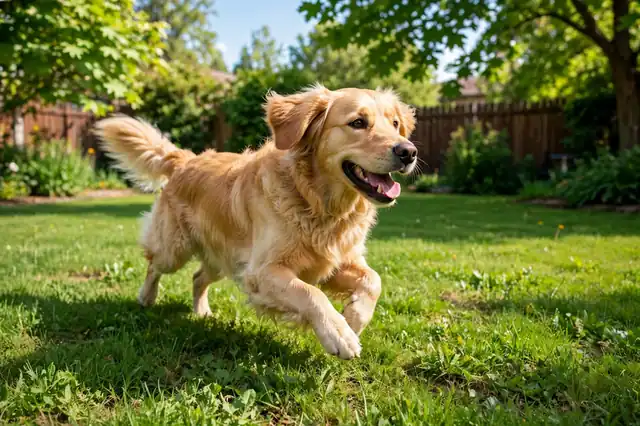
Walk the lawn yourself before the dog’s first return. Look for visible pellets in the grass, especially along edges and low spots where spreaders overlap. Poke the soil in a few places: it should feel like normal soil, not gritty with undissolved product. If you find leftovers, water again and extend the wait another day.
Lawns on heavy chemical programs season after season accumulate the exposures researchers flag. Two light feedings a year, or clover in part of the yard, shrinks the whole question.
Fertilizer and dogs: quick answers
The same timing questions come up every season, so here are the short versions.

Can dogs walk on fertilizer after it rains?
Rain helps granular fertilizer dissolve into the soil, which is good, but do not rush it. Wait until the lawn dries fully after the rain, then confirm no granules remain before letting the dog out.
Is Scotts fertilizer safe for dogs?
It depends on the product, not the brand. Plain Scotts turf fertilizer without weed control follows the standard 24 to 48 hour rule. Scotts weed-and-feed products contain herbicides and need up to 72 hours. Read your bag’s label.
How long should I water the lawn after fertilizing?
Water until the granules disappear into the soil, usually 20 to 30 minutes with a sprinkler. The goal is no visible pellets on the grass surface, not a swamp.
What if my dog ate fertilizer granules?
Note the product name and estimated amount, then call your vet. Small licks need watching; bag raids need prompt care. Bring the bag’s guaranteed analysis panel to the call.
Is liquid fertilizer safer than granular for dogs?
It absorbs faster but coats the blades directly, so the risks are comparable. Liquid needs full drying plus a safety day. Neither form is meaningfully safer; the additives matter more than the form.
When can puppies go on fertilized grass?
Give puppies the longest recommended wait for your product, since they chew everything and their bodies are small. Puppies that eat grass or dig need the full 72 hours even for plain fertilizer.
Fertilizer and dogs coexist fine with a system: read the label, respect the wait, water granules in, fence the zone, and lock the bag. The owners who run into trouble skip one of those steps, usually the label or the lock. Your lawn gets its feeding, your dog gets its yard back on schedule, and nobody visits the vet in between.
Disclaimer: This article is for general information only and is not veterinary advice. Always follow your product’s label, and call your vet or poison control if your dog eats fertilizer or shows symptoms after lawn treatment.