You sprayed the driveway weeds yesterday morning, and now your dog is whining at the back door. The question of how long after spraying Roundup is it safe for dogs has two answers: the one on the label, and the one cautious vets give. The label says pets can return once the spray has dried. Cautious vets say wait 24 to 48 hours. Both answers are worth understanding before you open that door.

How long after spraying Roundup is it safe for dogs?
Wait 24 to 48 hours after spraying Roundup before letting your dog onto the treated area. The product label permits re-entry once the spray dries, which can take 30 minutes to a few hours. The longer wait is the safer choice, because drying time varies with humidity and sun exposure, and dogs experience a treated lawn very differently than the label assumes.
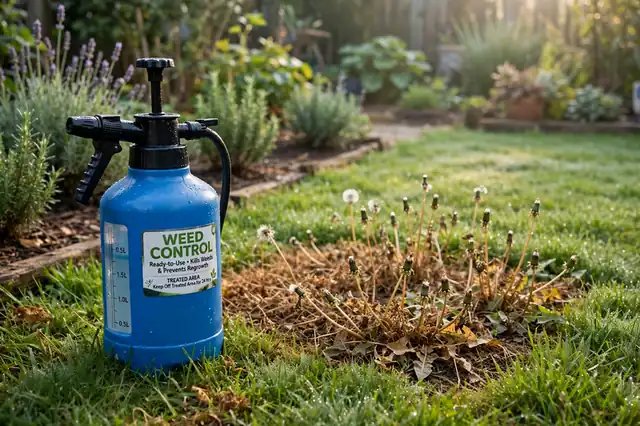
Labels are written for people in shoes. Dogs go out barefoot, then lick their feet. They roll in grass, sniff it nose-deep, and graze on it. Every one of those behaviors multiplies contact with residue that a shoe-wearing human never touches. The 24 to 48 hour window lets the product dry fully, bind to plant surfaces, and start breaking down, which shrinks all of those exposure routes at once.
Mark the spray time on your phone. Owners consistently underestimate how recently they treated the lawn. A timestamped photo of the bottle removes the guessing.
What the label promises and what it leaves out
Roundup’s label says the product is safe for pets once dry, and that claim covers normal label-rate spraying, not every real-world situation. The “safe once dry” language is a legal statement about the tested use pattern: mixed at label concentration, sprayed on weeds, left to dry. It does not cover a spill, a double-strength mix, a dog that eats a mouthful of freshly sprayed clover, or granules scattered where a dog digs.

Labels also assume the product stays put. Wind drift carries fine spray onto neighboring grass, and runoff moves it across slopes after watering. A dog walking the untreated strip beside sprayed weeds still crosses the drift zone.
Read your specific bottle before you spray. Formulations differ: some Roundup products add other herbicides like triclopyr or diquat, and each has its own re-entry guidance. The bottle in your shed is the authority for that bottle, and generic internet advice, including this article, sits underneath it.
How glyphosate actually works in a dog’s body
Glyphosate targets a plant enzyme pathway that does not exist in mammals, which is why its direct toxicity to dogs is low. The chemical blocks the shikimate pathway, a chain of reactions plants use to build essential amino acids. Dogs, like people, do not have this pathway, so glyphosate has no matching target in a dog’s body. The Pet Poison Helpline’s guide to herbicide and fertilizer exposure notes that residential herbicides carry a wide margin of safety in pets, with stomach upset predominating when ingestions happen.

That does not make glyphosate harmless. “No matching target” is not the same as “no effect.” High doses still irritate the gut: vomiting and diarrhea, often with drooling and appetite loss. The dose from licking dry treated grass is small. The dose from licking a spill or chewing the bottle is not.
One nuance the label never mentions: some gut bacteria do carry the shikimate pathway, so glyphosate can interact with the microbiome without a mammalian target. The research is early, but it keeps scientists studying a chemical that looks simple on paper.
The surfactant problem nobody mentions
The most acutely toxic part of a Roundup spray is often not the glyphosate but the surfactant mixed with it. Surfactants like polyethoxylated tallow amine, POEA, help the spray stick to waxy weed leaves instead of beading off. They are also harsher on animal tissue than glyphosate itself, and they drive most of the burning, eye irritation, and gut damage seen in concentrate exposures.

Pet articles rarely make this distinction, saying “glyphosate” when they mean the whole formulated product. Glyphosate alone is a mild gut irritant at high doses. The full formulation with surfactants is a significantly nastier mouthful, and the surfactant load is what turns a bottle-chewing incident into an emergency. The Pet Poison Helpline’s herbicide information page covers the signs and severity of these exposures.
The practical upshot is simple. Treat the mixed spray with more respect than the active ingredient’s reputation suggests, and treat the concentrate with the respect any corrosive household chemical deserves. Store both like you store bleach: locked up high, out of the dog’s world.
Wet vs dry: why drying time matters most
Wet spray is the danger period, and everything about the waiting game comes back to drying. Roundup can dry in as little as 30 minutes on a hot, breezy, sunny day. The same spray can take several hours in cool shade or heavy humidity. Until it dries, the product transfers freely to paws and fur, and from there to mouths.

Drying is not just about evaporation. As the spray dries, glyphosate binds to plant surfaces and soil particles, which locks it in place and drops the amount available to rub off on a passing dog. A dried lawn still carries residue, but the transferable fraction is a small slice of what was there when wet. That is the physical reason behind the label’s “once dry” language.
Test dryness with a white paper towel pressed on the weeds: damp or discolored means not ready. Morning spraying beats evening spraying, since the day’s sun and breeze do the drying work.
What rain does to your waiting period
Rain within the first day can wash fresh spray off weeds and reactivate residue, so extend the wait to 48 hours or more. A light shower hours after spraying partly undoes the binding described above, putting mobile product back on leaf surfaces and paws. Heavy rain moves it further, into puddles and low spots where dogs drink.

Check the forecast before you spray, not after. Most labels advise against spraying if rain is expected within 24 hours, partly for effectiveness and partly for exactly this runoff problem. A dry stretch of two days after application is the ideal window: the product binds, the sun works, and nothing remobilizes it.
If surprise rain arrives, reset the clock: wait until the lawn dries fully, then add another day. Keep water bowls filled indoors and block access to puddles on treated lawns.
Signs your dog got into Roundup
Drooling, vomiting, and diarrhea are the typical signs after a dog contacts or ingests Roundup. Appetite loss often joins them. Skin contact with wet spray can redden paws and bellies. Eye contact causes irritation and squinting. Most lawn-level exposures stay in this mild range and resolve within a day.

Concentrate exposure looks worse. A dog that chews the bottle or laps a spill may vomit repeatedly, drool heavily, develop mouth sores, and seem weak or wobbly. The Merck Veterinary Manual notes that serious herbicide poisonings usually trace back to improper storage and handling rather than normal lawn use, which matches what poison control lines report.
Do not induce vomiting unless your vet specifically tells you to. Corrosive surfactants can injure the esophagus twice, once going down and once coming up. Our notes on inducing vomiting in dogs explain when it helps and when it harms, but the default for any chemical ingestion is call first, act second. Rinse skin and paws with lukewarm water, prevent further licking, and bring the bottle to the call.
Safer ways to handle weeds with dogs
Hand-pulling and mulching kill weeds without any re-entry math, and boiling water handles pavement cracks. A morning spent pulling weeds after rain, when roots slide out easily, clears most driveway and bed weeds permanently. Thick mulch starves new weeds of light. Boiling water from the kettle kills weeds in pavement cracks on contact.

If you still want a spray, spot-treat instead of broadcast-spraying. A narrow stream on individual weeds puts chemical only where the weed is, leaving the rest of the lawn untouched and the dog’s usual paths clean. Fence off the treated patch with temporary garden fencing until the wait passes, so the dog never has to be trusted to avoid it.
Corn gluten meal gets marketed as a natural pre-emergent weed preventer, and it is gentler than synthetic herbicides, though its weed control is modest and the evidence is mixed. Whatever you choose, the ASPCA’s guide to household products applies: store every garden chemical locked away from pets, because most serious exposures start at the bottle, not the lawn.
If your dog licks or drinks Roundup
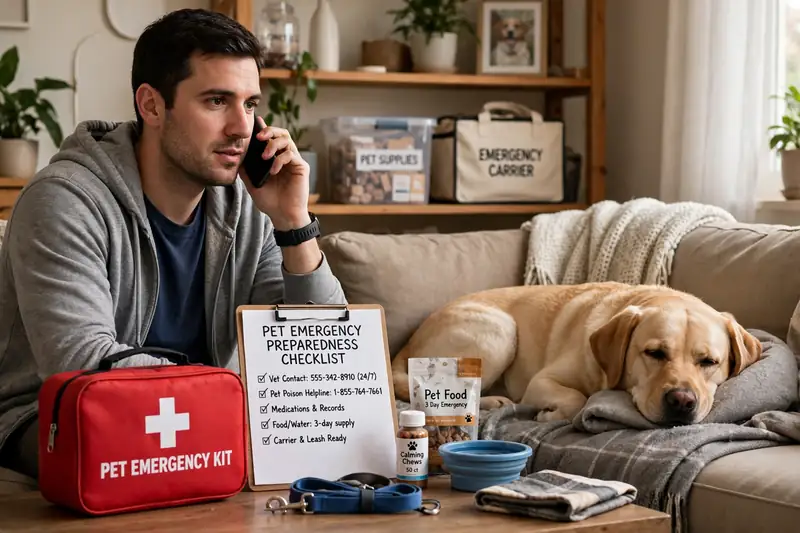
Rinse the mouth and paws, prevent more licking, and call your vet immediately with the bottle in hand. For a lick of dried residue, rinsing and watching is usually enough. For wet spray or concentrate, treat it as urgent: note the time, estimate the amount, and call before symptoms start.
At the clinic, treatment is supportive: fluids, gut protectants, and monitoring. Activated charcoal for dogs is sometimes used for ingested toxins, but only on veterinary direction, since it does not suit every chemical. Gastroenteritis in dogs from irritant ingestion usually settles with rest and a bland diet for a day or two once vomiting stops.
Dogs with liver disease in dogs warrant a lower threshold for the vet visit, since the liver handles chemical cleanup. The same goes for puppies and seniors. When in doubt, the call costs nothing and the wait-and-see approach costs peace of mind. Keep the poison control number saved before you ever need it. When in doubt, wait the extra day. Keep pets and kids off until then.
Roundup and dogs: quick answers
The same questions come up every spraying season, so here are the short versions.

Is Roundup safe for dogs once dry?
The label says yes, and dried residue transfers far less product to paws and mouths than wet spray. Cautious owners still wait 24 to 48 hours, because drying is uneven and dogs lick their feet.
How long does Roundup take to dry?
Anywhere from 30 minutes on a hot breezy day to several hours in cool shade or humidity. Test with a white paper towel pressed on the weeds: damp means not ready.
What happens if my dog walks on Roundup before it dries?
Wipe the paws with a damp cloth and watch for drooling or vomiting. Most brief contacts cause nothing, but prevent licking until the paws are clean.
Is there a pet-safe weed killer?
No spray is risk-free, but hand-pulling and mulching carry zero chemical risk, and boiling water works for pavement cracks. If you spray, spot-treat single weeds and fence the patch off until the wait passes.
Can Roundup cause cancer in dogs?
The evidence is mixed and worth knowing. A 2012 Tufts University study found dogs exposed to professionally applied lawn pesticides had about 70 percent higher odds of malignant lymphoma, though the study grouped many products together and could not pin the effect on glyphosate specifically. Associations are not proof, but they are a reason for caution.
My dog ate grass sprayed with Roundup. What now?
Note when it was sprayed and whether it was dry. Why dogs eat grass explains the habit, which is exactly why treated lawns worry owners. Rinse the mouth, offer water, and call your vet if vomiting starts or the spray was still wet.
Roundup’s real risk to dogs is smaller than the scariest headlines and larger than the label’s breezy promise. Give treated areas a full 24 to 48 hours, respect the concentrate far more than the spray, keep the bottle locked up, and you remove nearly all of the danger. The weeds can wait a day. Your dog should not have to.
Disclaimer: This article is for general information only and is not veterinary advice. Always follow your product’s label, and call your vet or poison control if your dog contacts or ingests any weed killer.