Yes, Benadryl is safe for most dogs when your vet approves it and you use a plain diphenhydramine product with no xylitol, alcohol, or decongestants. It calms mild allergy symptoms like itching and hives, and the drowsiness helps some dogs handle travel or fireworks. The widely cited guideline is 1 mg per pound of body weight, but treat that as a starting point for a conversation with your vet, not a do-it-yourself prescription.
Is Benadryl safe for dogs?
Yes, plain Benadryl (diphenhydramine) is generally safe for most dogs when a vet approves it and you use the right product. It is one of the most commonly used human antihistamines in veterinary care. The main risks come from flavored liquids, combination formulas, and giving it to dogs with certain health conditions.

Benadryl’s active ingredient is diphenhydramine, an antihistamine that blocks the histamine response behind itching and swelling. Vets have used it in dogs for decades, and the American Kennel Club lists it among the human medications vets commonly recommend for dogs.
The word “plain” does a lot of work here. Standard Benadryl tablets contain only diphenhydramine. Benadryl-D adds pseudoephedrine, a decongestant that is dangerous for dogs. Some liquids and chewables add flavoring sweeteners, and a few contain xylitol, which can kill a dog. More on that in the label section below.
Veterinary use of Benadryl is extra-label, meaning the FDA approved it for people and vets use it for dogs based on long clinical experience. That is normal in veterinary medicine, but it is also why your vet should be in the loop before the first dose.
How much Benadryl can I give my dog?
The widely cited guideline is 1 mg of diphenhydramine per pound of body weight, given two to three times per day. A 25 mg tablet suits a 25-pound dog under this math. This is general information, not a prescription. Always confirm the dose with your vet before giving any, since health issues and other medications change what is safe.
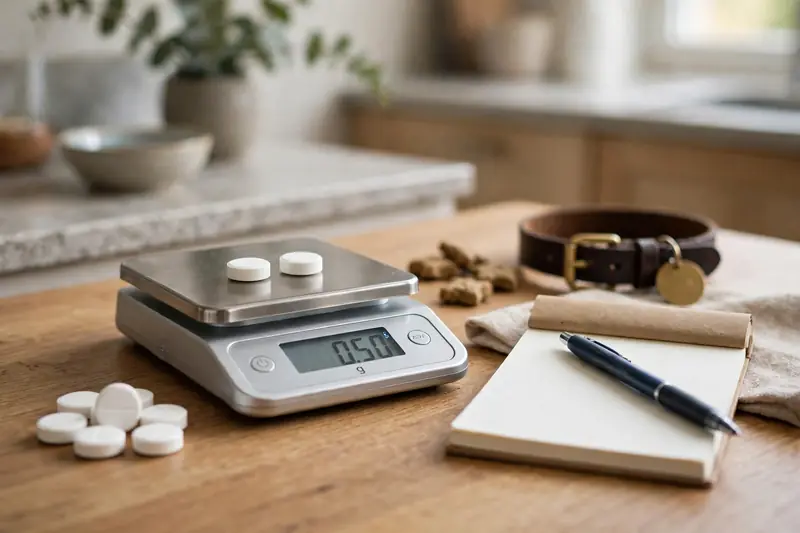
Standard Benadryl tablets hold 25 mg of diphenhydramine each, which makes the math simple for medium and large dogs. Children’s chewable tablets come in 12.5 mg, which suits smaller dogs better than splitting full tablets. Doses usually repeat every 8 to 12 hours, and most vets cap daily use at what the individual dog tolerates.
A quick reference based on the 1 mg per pound guideline:
| Dog’s weight | Guideline dose |
|---|---|
| 12.5 pounds | about 12.5 mg |
| 25 pounds | about 25 mg (one standard tablet) |
| 50 pounds | about 50 mg (two standard tablets) |
| 75 pounds | about 75 mg (three standard tablets) |
Treat this table as a starting point, not an answer. Small dogs under 10 pounds, puppies, seniors, and dogs on other medications need a vet to set the dose, because a small measuring error matters more in a small body. For tiny dogs, vets sometimes recommend a xylitol-free liquid measured with an oral syringe so the dose lands exactly. ASPCA Animal Poison Control also stresses confirming the dose with your vet before you start.
Giving the dose safely
Use plain diphenhydramine tablets with no added decongestants, alcohol, or xylitol, and give the dose with a small meal to reduce stomach upset. Dogs that spit pills out do well with pill pockets or a dab of xylitol-free peanut butter. Note the time of each dose so you do not repeat it too soon, and store the bottle where your dog cannot reach it.
What is Benadryl used for in dogs?
Vets use Benadryl for mild allergy symptoms like itching, hives, watery eyes, and sneezing. It also helps with insect stings, mild motion sickness, and the mild drowsiness can calm an anxious dog before travel or fireworks. It treats symptoms only. It does not fix the underlying allergy, so recurring problems need a vet workup.

Environmental allergies are the most common reason dogs get Benadryl. Pollen, dust mites, and mold spores make many dogs itchy every spring and fall, and an antihistamine takes the edge off the scratching. It also helps with the puffy face and hives that follow a bee sting or a run-in with an irritating plant.
The sedative side effect is a feature in two situations. Some dogs get mildly carsick, and a dose about 30 minutes before a trip settles the stomach and the nerves together. Dogs that panic during fireworks or thunderstorms may rest easier, though Benadryl only sedates and does nothing for the fear itself. For real anxiety, ask your vet about options like calming treats and behavior work.
One honest limit: Benadryl is a weak tool for chronic itchy skin. Many allergic dogs barely respond to antihistamines, and vets move on to prescription options when the scratching does not quit.
The xylitol warning: read the label every time
This is the most important warning in this guide. Some liquid Benadryl, gel capsules, and chewable tablets contain xylitol, a sweetener that is deadly to dogs even in small amounts. Xylitol triggers a massive insulin release that drops blood sugar fast and can destroy the liver. Read the inactive ingredients on every product, every time you buy.
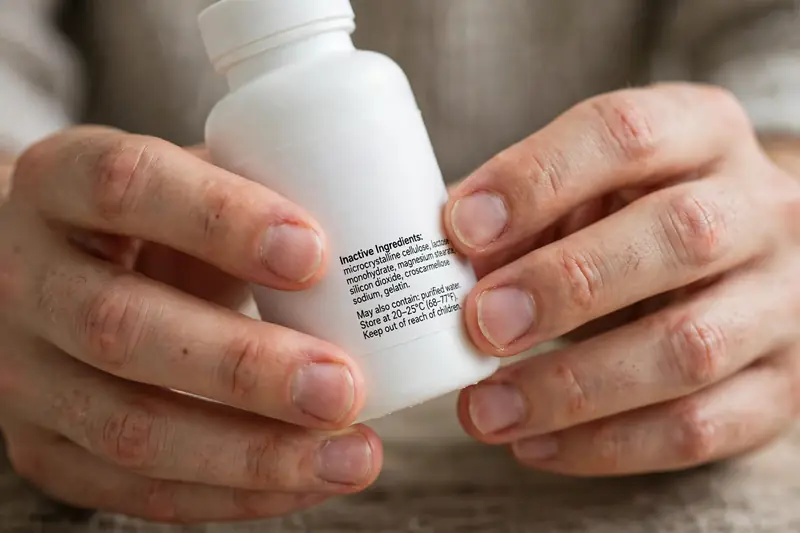
Xylitol shows up under names like birch sugar or sugar alcohol, and manufacturers change formulas without warning. A product that was safe last year can gain xylitol this year. Poisoning signs can start within 30 minutes: vomiting, weakness, stumbling, and collapse as blood sugar crashes. Liver damage can follow over the next day or two, and it is often fatal.
The FDA warns that xylitol poisoning in dogs is a true emergency with no home treatment. If your dog swallows a product containing xylitol, call your vet or an emergency clinic at once. Do not wait for symptoms.
Build a label habit. Flip every Benadryl product over and read the inactive ingredients before it goes in your dog’s mouth. Plain tablets are usually the safest bet. Skip anything labeled sugar-free, and treat flavored liquids with suspicion until you have read the full panel. When in doubt, ask your pharmacist whether the specific product contains xylitol.
What are the side effects of Benadryl in dogs?
Drowsiness is the most common side effect and usually wears off within 8 to 12 hours. Some dogs get dry mouth, reduced appetite, or mild stomach upset. A few become hyper instead of sleepy. Watch for trouble urinating, a racing heart, or extreme agitation, and call your vet if any of those show up.

Sleepiness is the effect most owners notice first. Give the first dose on a quiet day at home so you learn how your individual dog reacts before you count on it for a stressful event.
Dry mouth shows up as extra thirst and sometimes thicker drool. Keep fresh water available. A few dogs lose interest in food for a meal or two, and some get mild nausea or loose stool when the dose lands on an empty stomach. If the stomach upset is mild and passes, a short stretch of bland diet settles most dogs.
The odd one is paradoxical excitation. Instead of getting sleepy, a small number of dogs get wired, restless, or vocal. If that happens, stop the Benadryl and tell your vet. It means this drug is a poor fit for your dog.
Rare but worth knowing: difficulty urinating, a very fast heartbeat, or signs of an allergic reaction to the drug itself, like new hives or facial swelling after the dose. Any of those earns a vet call the same day.
When should you not give your dog Benadryl?
Skip Benadryl for dogs with glaucoma, urinary blockage or an enlarged prostate, severe heart disease, high blood pressure, or hyperthyroidism. Do not use it in pregnant or nursing dogs unless a vet says so, and avoid it in dogs with seizure disorders or dogs taking MAO inhibitors. Puppies and senior dogs need vet approval first.

Diphenhydramine dries secretions and tightens some smooth muscle, which causes problems in specific conditions. It can raise pressure inside the eye, worsen glaucoma, and make it harder for a dog with prostate trouble to urinate. Dogs with heart disease or high blood pressure need caution because the drug can shift heart rate and blood pressure. VCA Hospitals pet care library lists these same cautions in their diphenhydramine guide for pet owners.
Drug interactions matter too. Benadryl stacks sedation with tranquilizers, some pain medications, and other antihistamines. Dogs taking MAO inhibitors, a class that includes the tick treatment amitraz, can have serious reactions when the two mix. Tell your vet everything your dog takes, including supplements and flea products, before adding Benadryl.
Never assume that because Benadryl is safe, other human medicines are too. Ibuprofen, for example, is a common household drug that is dangerous for dogs. Every human medication needs its own vet check.
Benadryl vs. alternatives: what else can help?
For itchy skin, vets may suggest fish oil supplements, medicated baths, or prescription options like Apoquel or Cytopoint for tougher cases. For anxiety, calming treats, melatonin, training, and pheromone diffusers are common first steps. For motion sickness, your vet can prescribe Cerenia, which works better than Benadryl for most dogs.

For chronic itching, fish oil supports skin health over weeks, and oatmeal or medicated shampoos wash allergens off the coat. When antihistamines fail, which happens often with environmental allergies, prescription drugs like Apoquel (a daily tablet) or Cytopoint (a monthly injection) target the itch signal directly. They cost more but work far better for many dogs.
For anxiety, sedation is not treatment. Melatonin is a gentler option some vets suggest for noise phobias and travel nerves, and it pairs well with desensitization training that actually lowers the fear over time. Adaptil pheromone diffusers and snug-fitting anxiety wraps help some dogs without any drug at all.
For motion sickness, maropitant (sold as Cerenia) is the veterinary standard. It controls nausea far more reliably than diphenhydramine, and one dose lasts a full day. Ask your vet about it before a long road trip.
What to do if your dog has an allergic reaction
Benadryl can help with mild allergic reactions like a few hives or light facial swelling, but it is not enough for a severe reaction. If your dog is struggling to breathe, vomiting repeatedly, drooling heavily, or collapsing, that is anaphylaxis and a race to the emergency vet. Antihistamines take 30 minutes to work, which is too slow in a crisis.

Mild reaction: hives and light swelling
A few raised bumps, an itchy face, or slight puffiness after a bug bite usually responds to the Benadryl dose your vet already approved for your dog. Give it, then watch closely for an hour. If the swelling spreads or breathing changes, upgrade to an emergency immediately. Call your vet the same day even when a mild reaction settles, since a second wave can follow.
Severe reaction: trouble breathing or collapse
Pale gums, drooling, repeated vomiting or diarrhea, weakness, and collapse point to anaphylaxis. This needs epinephrine and emergency care, not a tablet at home. Drive to the nearest emergency vet and call ahead so they are ready. Minutes matter.
If your dog ate too much Benadryl
A dog that chews through a bottle can overdose. Signs include extreme drowsiness or the opposite, frantic agitation, dilated pupils, a racing heart, dry mouth, and in bad cases seizures or trouble breathing. Call your vet or a poison control line right away. Depending on timing, the vet may induce vomiting or give activated charcoal to bind the drug. Do not try home treatment first.
Questions to ask your vet about Benadryl
Ask your vet whether Benadryl suits your dog’s specific health picture, what exact dose and schedule to use, and how long you can keep giving it. Also ask what to watch for and when to stop. Bring the product box or a photo of the label so your vet can check the inactive ingredients before you start.

A short question list makes the appointment productive. Ask what dose fits your dog’s exact weight and health conditions, how many days in a row you can give it before rechecking, and which current medications or supplements interact with it.
Also ask what improvement should look like. If the itching does not ease within a few days, the problem may need a different approach, and your vet can start allergy testing or a prescription plan. Bringing the actual product lets your vet spot xylitol, alcohol, or decongestants in seconds.
Benadryl for dogs: frequently asked questions
These are the questions dog owners ask most about Benadryl, from exact dosing for a 25-pound dog to what to do when a puppy chews through the bottle. Each answer assumes you have already talked to your vet, because Benadryl is safest when a professional who knows your dog sets the plan.

How much Benadryl can I give my 25-pound dog?
Under the commonly cited 1 mg per pound guideline, a 25-pound dog gets about 25 mg, which is one standard tablet, two to three times daily. Confirm this with your vet first, especially if your dog takes other medications or has heart, eye, or urinary conditions. Never use a combination product.
Can I give my dog Benadryl every day for allergies?
Some vets approve daily use for seasonal allergies, but long-term daily dosing deserves a vet plan. Antihistamines often lose punch against chronic itching, and daily use can mask a worsening problem like a skin infection. If your dog needs it every day, ask your vet about allergy testing or prescription options that target the itch better.
How long does Benadryl take to work in dogs?
Expect noticeable effects within 30 minutes to an hour. Drowsiness usually peaks in that window too. For planned events like car rides or fireworks, give the dose about 30 minutes ahead. If nothing changes after an hour, do not add a second dose on your own. Call your vet instead.
Is children’s liquid Benadryl safe for dogs?
Only if you verify the inactive ingredients first. Some children’s liquids and flavored formulas contain xylitol or alcohol, both dangerous for dogs. A xylitol-free liquid can be useful for small dogs that need precise doses measured with an oral syringe. When in doubt, use plain tablets and ask your vet or pharmacist to check the label.
Can puppies take Benadryl?
Puppies need a vet’s approval and a vet-set dose. Young puppies process drugs differently than adults, and a small measuring error hits harder in a tiny body. Your vet will weigh the puppy, check for other conditions, and may prefer a precisely measured liquid over split tablets. Do not dose a puppy from an internet chart alone.
Will Benadryl make my dog sleepy?
Very likely. Drowsiness is the most common side effect in dogs, usually lasting 8 to 12 hours. That is why many owners use it before travel or noisy nights. A few dogs react the opposite way and get hyper or restless. Test the first dose on a calm day at home so you know which type your dog is.
My dog ate a whole bottle of Benadryl. What do I do?
Treat it as an emergency. Call your vet or an animal poison control line immediately and have the product label handy. Signs of overdose include extreme sleepiness or agitation, dilated pupils, rapid heartbeat, dry mouth, and seizures. The vet may induce vomiting or use activated charcoal if caught early. Do not wait for symptoms to appear.
Benadryl earns its place in the dog first-aid kit, but only the plain kind, only at a vet-confirmed dose, and only after you read the label. Keep plain 25 mg tablets with your vet’s approved dose written on the box, check the inactive ingredients every time you restock, and call your vet before the first dose. Used that way, it is a safe, cheap tool for mild allergies, stings, and the occasional stressful night.