Melatonin for dogs is a widely used supplement for anxiety, sleep trouble, and certain hair loss conditions. It is the same hormone that regulates sleep cycles in people, and veterinary sources consider it very safe for dogs at appropriate doses. But there is one critical catch: some human melatonin products contain xylitol, which is lethal to dogs. This guide covers the uses, the weight-based dosing vets cite, how to choose a safe product, and the interactions and exceptions you need to know.
What is melatonin and what does it do in dogs?
Melatonin is a hormone produced by the pineal gland that regulates sleep-wake cycles in people, dogs, and cats. As a supplement, it promotes calm and sleepiness, which is why vets use it for anxiety and sleep disorders. It also influences hair growth cycles and certain hormonal pathways, giving it uses beyond bedtime.

Every mammal runs on a daily rhythm, and melatonin is one of the timekeepers. Levels rise in the evening, signaling the body that night is coming, and fall by morning. Supplementing adds to that natural signal, which is why the primary effects are relaxation and drowsiness rather than anything dramatic. In dogs, that gentle nudge is useful in surprisingly varied ways. The obvious ones are sleep and anxiety. The less obvious ones come from melatonin’s role in seasonal rhythms: it helps regulate the hair growth cycle, which is why it gets prescribed for certain alopecias, and it interacts with reproductive and stress hormones, which opens the door to uses in conditions like Cushing’s disease under specialist care. It is sold over the counter but not FDA-approved for animal use, so every veterinary application is extra-label, which is why the vet’s guidance carries extra weight.
When do vets recommend melatonin for dogs?
Vets most often recommend melatonin for noise phobias like fireworks and thunderstorms, separation anxiety, travel stress, and general restlessness at night. It is also used for seasonal flank alopecia and other hair loss disorders, for cognitive dysfunction in seniors, and sometimes as part of Cushing’s disease management. The common thread is calming or hormonal regulation without heavy sedation.

The Fourth of July is melatonin’s busiest season. Dogs with noise phobia genuinely suffer during fireworks, and melatonin offers a gentler option than prescription sedatives for mild to moderate cases. For separation anxiety, it may help as part of a behavior plan rather than a standalone fix. The hair loss use surprises most owners. Seasonal flank alopecia, the symmetrical hair loss some dogs develop in winter, responds to melatonin in a meaningful share of cases; the AKC notes that veterinary dermatologists report positive results in around 30 to 40 percent of alopecia patients. For senior dogs with sundowning-type confusion, vets sometimes include it in the cognitive support plan. And in Cushing’s disease, it is occasionally used to help modulate the hormonal excess, always under specialist supervision. In every case, melatonin is a tool within a plan, not the plan itself.
Melatonin dosage for dogs by weight
Commonly cited veterinary ranges: under 10 pounds, 1 mg; 10 to 25 pounds, 1.5 mg; 26 to 100 pounds, 3 mg; over 100 pounds, 3 to 6 mg, given up to three times daily depending on the condition. PetMD notes the right dose depends on size and condition. Start low; adjust only with veterinary guidance.
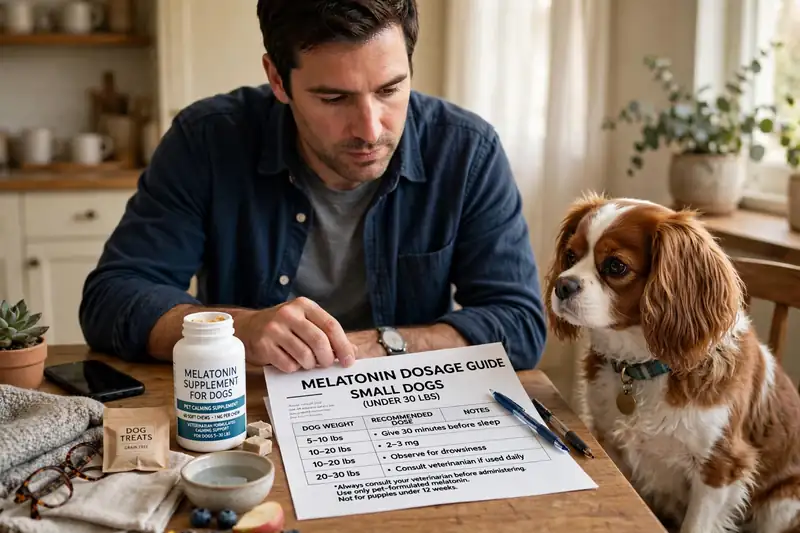
These weight bands are the ranges most veterinary references converge on, and they illustrate an important point: melatonin dosing is modest. We are talking single-digit milligrams, not the 10 mg tablets marketed to people. A 50-pound dog typically lands around 3 mg per dose. Frequency depends on the purpose: anxiety events might mean a dose before the trigger, while hair loss protocols often run two to three times daily for weeks. PetMD emphasizes that the appropriate dose depends on both size and condition, which is why the bands are starting points, not prescriptions. The safety margin is reassuringly wide. PetMD reports that in the limited animal studies performed, researchers have not found a toxic dose, meaning it takes a very large amount to cause serious harm. That wide margin is comforting, but it is not permission to guess. The xylitol risk in the product itself is far more dangerous than any melatonin overdose, which brings us to the most important section of this guide.
The xylitol warning: read every label
Some human melatonin products, especially gummies and fast-dissolve tablets, contain xylitol, an artificial sweetener that is extremely toxic to dogs. Xylitol triggers a massive insulin release that crashes blood sugar within an hour and can cause liver failure. Never give your dog a melatonin product without checking the full ingredient list, and prefer pet-specific formulations.

This is the danger that turns a safe supplement into an emergency. Xylitol hides in products you would never suspect, and melatonin gummies are a known hiding place. It also appears under aliases like birch sugar, wood sugar, or E967, so scan the entire ingredient panel, not just the front of the bottle. The safest approach is to buy melatonin made specifically for dogs, where the formulation is designed around canine safety and dosing is simpler. If you use a human product, choose plain tablets or capsules with a short, clean ingredient list, and verify with your pharmacist or vet that it is xylitol-free. Keep the bottle stored like medication, because a dog that chews through a bottle of xylitol-containing gummies is facing a life-threatening poisoning, not a melatonin overdose. And teach the whole household the rule: nobody shares their sleep gummies with the dog, ever. This single habit prevents the worst-case scenario completely.
How to give melatonin and when
Give melatonin by mouth as a tablet, capsule, or liquid, ideally 30 to 60 minutes before the desired effect, such as an approaching thunderstorm or bedtime. For ongoing conditions like hair loss, follow your vet’s schedule, often two to three times daily. Pet-specific chews make dosing easy, or hide a tablet in a small treat.

Timing is half the effectiveness with melatonin. For situational anxiety, the dose needs a head start: 30 to 60 minutes before the fireworks begin, not when the dog is already in full panic. Once the adrenaline is surging, no gentle supplement will catch up, so watch the forecast and the clock. For sleep support, give it in the evening as part of the wind-down routine, at a consistent time each night. For the medical uses like alopecia, consistency matters more than timing: same doses, same times, every day for weeks, because hair cycles turn slowly. Pet-specific chews and liquids make small doses easy; plain tablets hide well in a dab of peanut butter. Avoid extended-release human formulations, which are designed for human digestion and may not release properly in dogs. Whatever form you choose, keep a simple log at first: dose, time, and effect. It makes the vet follow-up far more productive.
How long does melatonin take to work?
For anxiety and sleep, expect calming effects within 30 to 60 minutes, lasting roughly 8 hours. For hair regrowth, allow 6 to 8 weeks or more before judging, since hair cycles are slow. If situational use is not helping after a few properly timed tries, ask your vet about stronger options.

The two timelines reflect the two kinds of action. The calming effect is relatively quick because you are supplementing a hormone the body uses in real time; most owners report their dog settling within the hour. Duration is similarly straightforward, with effects wearing off over about eight hours, which conveniently covers a night of fireworks or a workday absence. The hair growth timeline tests patience. Follicles cycle over weeks, so even if melatonin is working, the mirror will not show it for a month or two. Photograph the affected areas when you start so you have an honest baseline. And here is the judgment call that matters: melatonin suits mild to moderate anxiety. A dog with severe phobia that injures itself or destroys the house needs prescription-strength help, and waiting through another storm season hoping the supplement will be enough is not kindness. Report back to your vet honestly about what worked and what did not.
Side effects of melatonin in dogs
Side effects are uncommon and usually mild. Drowsiness is the most expected one, which is often the point. Some dogs get mild digestive upset or a slightly increased heart rate. Changes in fertility have been noted in intact dogs, since melatonin influences reproductive hormones. Serious adverse effects are rare at appropriate doses.

The side effect profile is one of melatonin’s selling points. In a world of heavy sedatives, a supplement whose main side effect is sleepiness is refreshingly gentle. The drowsiness is dose-related and predictable, which is why situational dosing is timed rather than constant. Digestive upset shows up occasionally, usually mild and transient. The fertility note deserves attention for intact dogs: because melatonin interacts with reproductive hormones, it can affect cycling in intact females and fertility in breeding animals, which is one reason breeding dogs need explicit veterinary approval. PetMD notes there have been no official reports of severe side effects or death in dogs from melatonin use. Mild overdose typically means extra sleepiness, maybe some vomiting or loose stool. Still, any supplement that causes an unexpected reaction should be stopped and discussed with the vet. “Natural hormone” does not mean “free of effects.”
Drug interactions to know about
Melatonin can interact with several medications. PetMD notes it may reduce the effectiveness of blood pressure drugs such as clonidine and calcium channel blockers, and it can increase bleeding risk in dogs taking blood thinners such as warfarin. It may also interact with diabetes medications, sedatives, and immunosuppressives. Review the full medication list with your vet first.
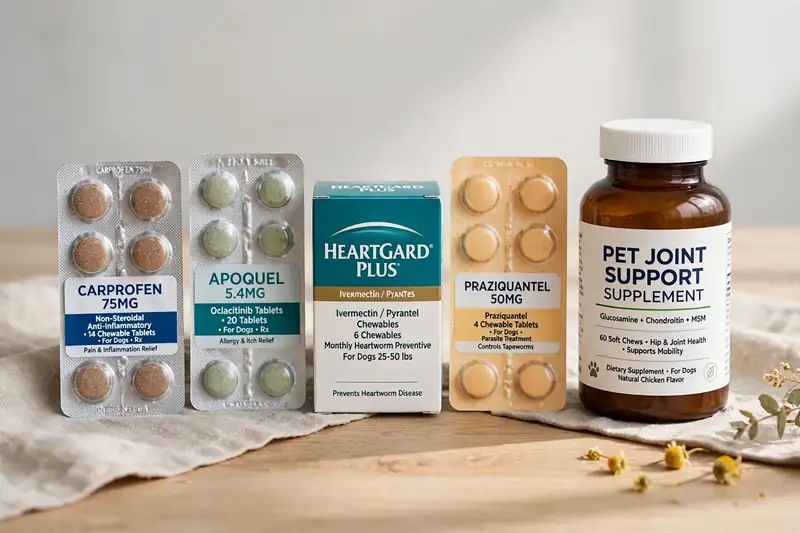
This is the section that separates careful use from casual use. Because melatonin is sold over the counter, owners sometimes add it without mentioning it, and that is where interactions hide. The blood pressure interaction matters because the mechanisms overlap: melatonin influences vascular tone, so it can blunt the effect of drugs working on the same system. The warfarin interaction is about bleeding risk, and any dog on anticoagulants needs the vet to weigh every addition. Diabetic dogs deserve caution because melatonin can affect glucose regulation and insulin sensitivity. Sedatives plus melatonin can stack drowsiness beyond what you intended. And dogs on immunosuppressive therapy for autoimmune disease should not get hormone-modulating supplements without the specialist’s sign-off. The fix is simple and absolute: bring the complete list of everything your dog takes, prescriptions, supplements, and occasional products, to the conversation before starting melatonin. Five minutes of review prevents all of this.
Dogs who should not take melatonin
Do not give melatonin to pregnant or nursing dogs, breeding animals, or puppies under 12 weeks without explicit veterinary direction. Use caution in diabetic dogs and those with significant liver or kidney disease, since these conditions affect how the hormone is processed. Dogs with a history of seizures should also be discussed with the vet first.

The exclusions make sense once you know what melatonin does. Pregnancy and nursing are out because the hormone influences reproductive function, and the developing puppies do not need that interference. Very young puppies are still maturing neurologically and hormonally, so the 12-week guideline is a sensible floor, not a suggestion to start on day 85 without asking. Diabetic dogs face the glucose-regulation interaction, which does not forbid use but demands veterinary supervision and monitoring. Liver and kidney disease matter because these organs clear the hormone; impaired clearance means prolonged or stronger effects from a standard dose. The seizure note is one of genuine uncertainty: some sources list seizures as a caution, others note melatonin has even been studied for neuroprotection, which is exactly the kind of mixed picture that means “ask your vet” rather than “decide yourself.” When in doubt, the vet who knows the dog’s history makes the call.
What to do if your dog ate your melatonin
Check the product label immediately for xylitol. If the product contained xylitol, or you cannot verify, treat it as an emergency: call your vet or poison control right away. If it was plain melatonin with no xylitol, the wide safety margin means serious harm is unlikely, but still call your vet for guidance, especially for small dogs or large amounts.

Dogs counter-surf, and nightstands are prime territory, so this scenario is common. Stay calm and work the checklist. Grab the bottle and read the ingredient list for xylitol or its aliases: birch sugar, wood sugar, E967. Note how many tablets or gummies are missing and the strength per piece. If xylitol is present or the label is gone, do not wait for symptoms. Xylitol acts fast, with blood sugar crashing in as little as 10 to 60 minutes, so call immediately: your vet, an emergency clinic, or the ASPCA poison control line. If the product was plain melatonin, the situation is far less urgent. A dog that ate a few milligrams will most likely just be sleepy. A small dog that ate a whole bottle still deserves a vet call, because while no toxic dose has been established, individual reactions vary and the vet may want to monitor. Either way, the aftermath includes a new storage habit: supplements live in closed containers, up high, behind doors.
Melatonin is a gentle, versatile tool when it is the right product at the right dose with the vet’s blessing. For hiding tablets in something tasty, our cream cheese guide covers the pill-pocket trick safely, and our carprofen dosage guide shows how vets think about medication safety in general.
Frequently Asked Questions
How much melatonin can I give my dog?
Commonly cited veterinary ranges are 1 mg for dogs under 10 pounds, 1.5 mg for 10 to 25 pounds, 3 mg for 26 to 100 pounds, and 3 to 6 mg for dogs over 100 pounds. Your vet should confirm the dose for your dog’s size and condition.
Is melatonin safe for dogs?
Yes, at appropriate doses it is considered very safe, with a wide safety margin and no established toxic dose in limited studies. The main danger is not the melatonin but xylitol in some human products, which is lethal to dogs.
Can I give my dog human melatonin gummies?
Only if you have verified the full ingredient list is xylitol-free, and even then pet-specific products are safer and easier to dose. Many gummies contain xylitol or its aliases like birch sugar. When in doubt, do not use them.
How fast does melatonin work in dogs?
For anxiety and sleep, expect effects within 30 to 60 minutes, lasting about 8 hours. Give it before the stressful event, not during. For hair regrowth, allow 6 to 8 weeks or more.
Does melatonin help dogs with fireworks anxiety?
It can help mild to moderate noise anxiety when given 30 to 60 minutes before the event. Dogs with severe phobias often need prescription medication as well, so report honestly to your vet about how it worked.
Can puppies have melatonin?
Not without veterinary direction. Puppies under 12 weeks should not get it casually, and any use in young dogs should be discussed with the vet first, since their hormonal and neurological systems are still developing.
What happens if my dog eats too much melatonin?
Serious harm is unlikely thanks to the wide safety margin; expect extra sleepiness and possibly vomiting or diarrhea. The urgent question is always whether the product contained xylitol. Call your vet for guidance in any case.
This article is general information only and is not a substitute for veterinary advice. If your dog has a health condition, is on medication, or you are unsure about any supplement, check with your veterinarian first.