

Calming treats are everywhere now: chews promising a relaxed dog through fireworks, storms, vet visits, and travel. Some of that promise is real, and some of it is marketing. The treats can take the edge off mild stress, but they are not a fix for serious anxiety, and the ingredient list matters enormously. This guide covers what is actually inside these treats, what the evidence says, how to pick a good one, and when your dog’s anxiety needs more than a chew.
What are calming treats for dogs?
Calming treats are chews or supplements formulated with ingredients meant to reduce stress and promote relaxation, such as L-theanine, chamomile, valerian root, melatonin, L-tryptophan, and milk-protein peptides. They come as soft chews, powders, pills, and capsules. They are supplements, not drugs, and they are meant to support calm behavior rather than sedate the dog.

The category sits between treats and medicine. Legally they are supplements, which means lighter regulation than drugs and more variation in quality. Good products name their active ingredients with amounts, carry the NASC quality seal, and come from companies with actual research behind their formulas. Weak products hide behind proprietary blends and cheerful packaging. The intended use is situational stress and mild ongoing nervousness: the dog that paces during storms, pants in the car, or frets when guests arrive. They are not tranquilizers. A good calming treat takes the edge off. It does not knock the dog out, and any product that does is doing something it should not.
Do calming treats actually work?
For mild situational stress, the better products can genuinely help, though the evidence is limited and responses vary between dogs. Ingredients like L-theanine and alpha-casozepine have the most research behind them. For severe anxiety, panic, or aggression, treats alone are not enough and the dog needs a full behavior plan with veterinary guidance.

Set the expectation correctly and you will not be disappointed. A calming chew may turn a storm from a panting, pacing ordeal into a restless but manageable evening. It will not turn a dog with true separation anxiety into a dog that naps peacefully alone for eight hours. That gap between marketing and reality is where most bad reviews come from: the product was fine, the job was impossible. The honest research picture is that some ingredients show real effects in trials, some show weak effects, and individual dogs vary enormously. If one product does nothing after a fair trial, a different formula with different actives may still help. And if nothing in the supplement aisle helps, that is information, not failure. It means the anxiety is beyond what supplements address.
Key ingredients and what they do
The most common actives are L-theanine (a green-tea amino acid promoting relaxation without sedation), chamomile and valerian root (traditional herbal calmatives), L-tryptophan (a serotonin-pathway amino acid), melatonin (a sleep-wake hormone for situational restlessness), and alpha-casozepine (a milk-protein peptide for stress). Blends vary; more ingredients is not automatically better.

L-theanine is the standout. It has the best combination of safety data and calming evidence, including a well-studied branded form, and it promotes calm focus rather than drowsiness. Alpha-casozepine, derived from milk protein, has solid trial data for anxiety-related behaviors. Chamomile and valerian are gentler herbal options with long traditional use and thinner modern evidence. Melatonin suits situational sleeplessness more than general anxiety; it tells the body it is rest time. L-tryptophan supports serotonin pathways but needs consistent dosing to matter. Watch for hemp and CBD in some products: the regulatory and evidence picture there is murkier, and quality varies wildly. Whatever the blend, the label should list actual amounts of each active. “Proprietary calming blend” with no numbers is a reason to choose a different product.
When calming treats help most
Calming treats shine for predictable, short-term stressors: fireworks, thunderstorms, car rides, vet visits, grooming, house guests, and moving day. They work best given 30 to 60 minutes before the stressful event, as part of a plan that also includes a safe space, familiar routines, and calm owner behavior.

Timing is half the effect. Giving the chew as the first thunderclap hits is too late; the stress hormones are already flooding. For forecast events like fireworks night or a planned trip, dose ahead per the label. Pair the treat with management: a quiet interior room, white noise or music, a familiar bed, and an owner acting normally. Dogs take emotional cues from their people, and fussing over a scared dog can confirm that there is something to fear. For car rides, combine the chew with gradual desensitization: short pleasant trips building up over weeks. The treat lowers the stress floor so the training can work. Used this way, as one layer of a sensible plan, calming treats earn their place.
When calming treats are not enough
Treats cannot fix severe separation anxiety, panic disorders, noise phobia that escalates yearly, aggression, or anxiety driven by pain or cognitive decline. Signs you need more help include self-injury, destruction, escape attempts, house soiling in a trained dog, and anxiety that is getting worse over time. These need a veterinarian, and often a veterinary behaviorist.

Knowing the line protects the dog. A dog that injures itself trying to escape a crate is not having a bad evening; it has a disorder, and months of treats will not touch it. Worsening noise phobia is a classic progression: each storm season worse than the last, until the dog panics at the barometric pressure drop before any thunder. Pain-driven anxiety hides behind behavior too; an arthritic senior that suddenly fears stairs may hurt, not worry. Cognitive decline in old dogs produces nighttime restlessness that looks like anxiety and needs its own approach. If the anxiety is intense, escalating, or causing harm, skip the supplement aisle and book the vet. Prescription medications combined with behavior modification succeed where treats alone fail, and waiting only lets the pattern harden.
How to choose a good calming treat
Look for a vet-trusted brand with research-backed ingredients at stated amounts, the NASC quality seal, and dog-specific formulation. Avoid products with proprietary blends that hide amounts, extravagant claims, or ingredients unsafe for dogs. Ask your vet for a recommendation matched to your dog’s size and situation.

The label is the whole test. Named actives with milligram amounts: good. “Proprietary blend” with no breakdown: walk away. NASC seal: a meaningful quality marker in an under-regulated category. Dog-specific formulation: essential, since some human calming products contain xylitol or other dog-unsafe ingredients. Be skeptical of “vet recommended” on the package; it is marketing unless a vet you trust actually recommends it. Price correlates weakly with quality here. Some excellent products are mid-priced, and some expensive ones are fairy dust. Your vet’s recommendation cuts through all of this. They know which products have real data and which are packaging, and they can match the formula to your dog’s specific anxiety pattern rather than the generic “stress” on the box.
How to use them: timing and dosing
Follow the label dose for your dog’s weight, and give the treat 30 to 60 minutes before the stressful event so the actives have time to work. For ongoing mild nervousness, some products are labeled for daily use. Do not exceed the label dose, and give new products a fair trial of several uses before judging.

The pre-dosing window is the most common user error. These are not fast-acting drugs. The ingredients need time to absorb and act, and a chew given mid-panic is mostly wasted. For daily-use products, consistency matters more than timing: the same dose at the same time each day. Do not stack products. Combining two calming supplements because one “wasn’t enough” risks oversedation or interactions, especially with valerian and melatonin in the mix. If the label dose does nothing after several proper trials, the answer is a different formula or a vet visit, not a bigger handful. Keep the routine calm itself. Wrestling a chew into a stressed dog defeats the purpose. If the dog will not take it, try the powder form mixed into food, given earlier.
Safety: side effects and interactions
Calming treats are generally well tolerated. The most common side effects are mild drowsiness and soft stool. Do not combine them with sedatives or anxiety medications without veterinary approval, and check with your vet first if your dog takes any regular medication, is pregnant, or has liver disease. Always confirm the product is xylitol-free.

Mild drowsiness is sometimes the point, but excessive sedation means the dose or the product is wrong for that dog. Valerian can interact with sedatives and anesthetics, which matters if surgery is planned; tell the vet about all supplements before any procedure. Melatonin can affect hormones and blood sugar, so diabetic dogs and breeding dogs need veterinary input. The xylitol check is non-negotiable for any chew: some products across the pet industry have used it, and it is severely toxic to dogs. Read the ingredient list on your exact product. “Natural” on the front means nothing about safety. Puppies, seniors, and dogs with chronic illness deserve a vet’s okay before any new supplement, calming or otherwise.
Calming treats vs prescription anxiety meds
Calming treats are supplements for mild stress. Prescription medications like trazodone, gabapentin, fluoxetine, and sileo are drugs for diagnosed anxiety disorders, with stronger evidence and stronger effects. Many dogs do best on both: daily or situational medication from the vet plus supportive supplements and behavior work. The two categories complement rather than compete.

The stigma around “drugging” an anxious dog keeps many owners in the supplement aisle too long. Reframe it: prescription anxiety meds are not sedation, they are treatment. Fluoxetine taken daily can transform a dog with generalized anxiety over weeks. Trazodone before a storm can succeed where every chew failed. Sileo, the noise-aversion drug, was developed specifically for this problem. These are veterinary tools with real data, and using them is good ownership, not failure. A common successful plan layers all three: prescription medication for the disorder, calming supplements for the edges, and behavior modification to teach the dog new responses. If your vet suggests medication, it is because the anxiety warrants it. Take the suggestion seriously.
Beyond treats: what else calms an anxious dog
The most powerful calming tools are not edible. Consistent daily exercise, predictable routines, training that builds confidence, a safe retreat space, calming music, Adaptil pheromone diffusers, and thunder shirts all help. Behavior modification with a qualified trainer addresses the root instead of the symptoms. Treats work best as one piece of this larger plan.
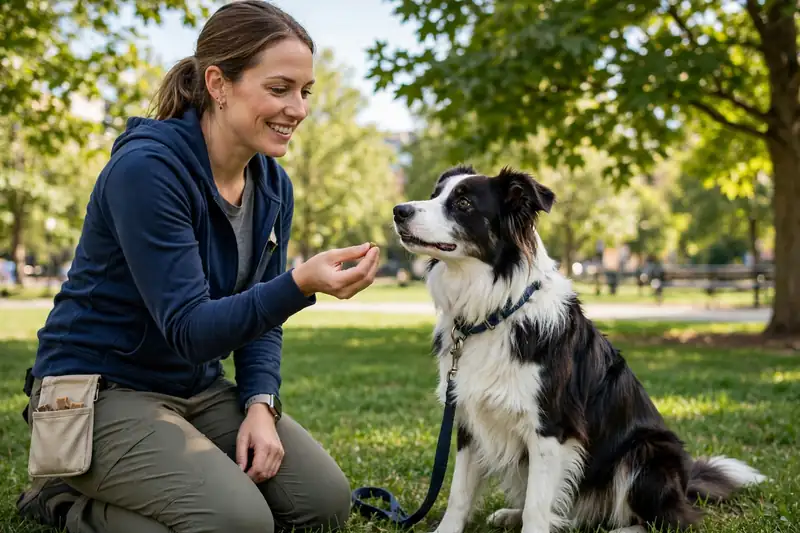
Exercise first. A tired dog is a calmer dog, and many “anxiety” cases are under-exercised dogs with nowhere to put their energy. Predictability second: dogs relax when the day follows a pattern they understand. Training third, not for obedience points but for confidence; a dog that has learned to earn rewards is a dog with coping skills. Adaptil, the synthetic appeasing pheromone, has decent evidence for mild stress and no real downside. Thunder shirts help some dogs through pressure comfort. Desensitization and counterconditioning, done properly with a qualified professional, can actually resolve specific fears rather than managing them forever. None of this is as easy as handing over a chew. All of it works better than a chew alone.
Calming treats are a reasonable tool for mild, situational stress when you choose a quality product, dose it on time, and keep expectations honest. They are not a treatment for real anxiety disorders, and they work best inside a bigger plan of exercise, routine, training, and veterinary guidance. For gentle everyday nutrition that supports overall wellbeing, our honey guide, cinnamon guide, and blueberry guide cover three safe whole-food additions, and the human food guide is the reference for everything else.
Frequently Asked Questions
Do calming treats work for dogs?
For mild situational stress like storms or fireworks, quality products can genuinely take the edge off, though evidence is limited and responses vary. Ingredients with the best support include L-theanine and alpha-casozepine. They do not fix severe anxiety, which needs veterinary care and behavior work.
How long do calming treats take to work?
Give them 30 to 60 minutes before the stressful event. They are not fast-acting, and dosing mid-panic wastes most of the effect. For daily-use formulas, consistent same-time dosing matters more than precise pre-event timing.
Are calming treats safe for dogs?
Generally yes when you choose a dog-specific, xylitol-free product and follow the label dose. Mild drowsiness or soft stool are the most common effects. Check with your vet first if your dog takes other medications, and never combine with sedatives without approval.
What is the best calming ingredient for dogs?
L-theanine has the strongest combination of safety data and calming evidence, promoting relaxation without sedation. Alpha-casozepine also has solid trial support. Chamomile, valerian, and melatonin suit milder or more situational needs. The best choice depends on the dog’s anxiety pattern.
Can I give my dog calming treats every day?
Only if the product is labeled for daily use and your vet agrees. Some formulas suit daily administration for ongoing mild nervousness; others are meant for situational use only. Do not exceed the label dose or stack multiple calming products.
Do calming treats replace anxiety medication?
No. Supplements support mild stress; diagnosed anxiety disorders often need prescription medication like trazodone or fluoxetine alongside behavior modification. Many dogs do best with both. If treats are not controlling the anxiety, ask your vet about medical options rather than increasing supplements.
Are human calming supplements safe for dogs?
Not necessarily. Some human products contain xylitol or other ingredients unsafe for dogs, and dosing differs. Always use products formulated for dogs, verify xylitol-free status on the label, and check with your vet first.
This article is general information only and is not a substitute for veterinary advice. If your dog’s anxiety is severe, worsening, or causing harm, consult your veterinarian or a veterinary behaviorist.



3 thoughts on “Calming Treats for Dogs: Do They Work?”