Can Dogs Eat Dates? Safety, Portions, and Pit Risks

Yes, dogs can eat dates when the dates are plain, pitted, and served in a tiny amount. Date flesh is not toxic to dogs, and a small piece makes a sweet occasional treat for most healthy adult dogs. The pit must come out first, the flesh must be cut small, and the portion must stay tiny, since dates are very high in sugar.
Dates look like a health food, and they are not one for dogs. A single Medjool date carries about 16 grams of sugar and 66 calories, which is a lot for a small dog. This guide covers the safe portion by size, the pit danger, and better everyday treats.
Can dogs eat dates?
Dogs can eat dates in small amounts when the dates are plain, pitted, and cut into small pieces. Date flesh is not toxic to dogs, and the American Kennel Club treats dates as a safe occasional treat in moderation. Keep dates inside the 10 percent treat budget, and keep the portion tiny, since sugar adds up fast.
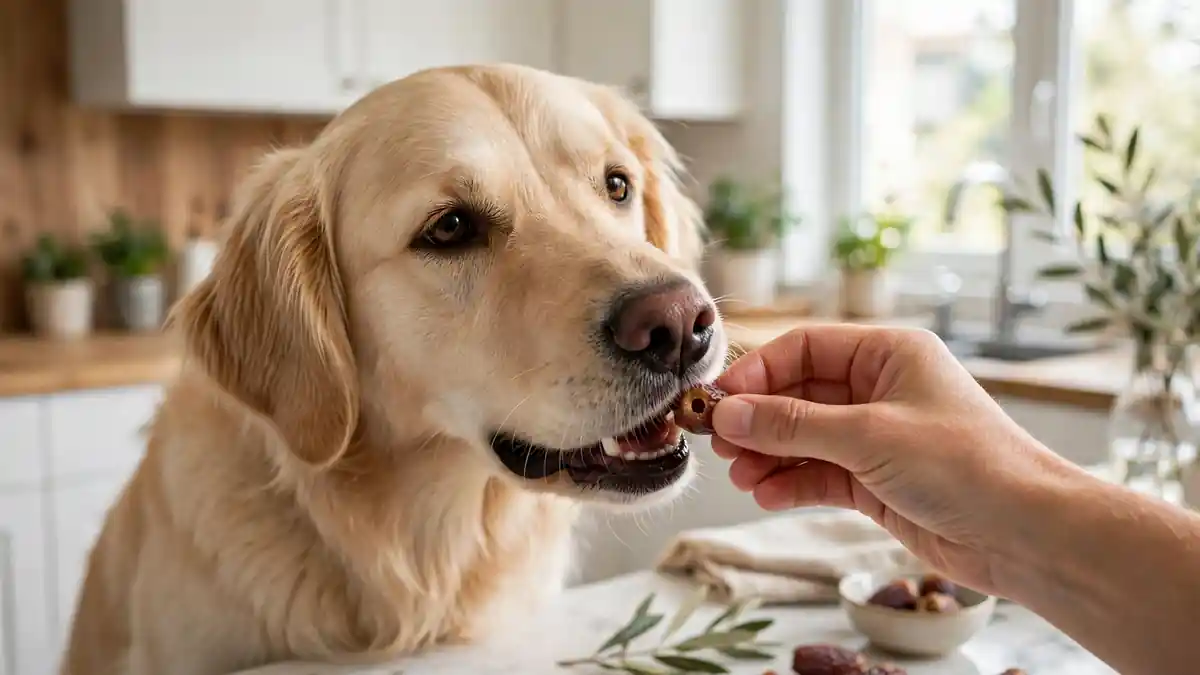
The date fruit comes from the date palm, Phoenix dactylifera, and its flesh carries no compound known to poison dogs. That puts dates on the safe side of the fruit list, far from grapes and raisins, which can cause sudden kidney failure. The AKC dates guide says dates are fine in moderation, with the pit removed and the portion kept small.
Start with one small piece the first time and watch the next day for loose stool or gas. A dog that handles the trial piece well can have a rare treat at the right portion. A dog that shows any upset goes back to plain food, and dates stay off the menu for a few days before a smaller retry.
What kinds of dates can dogs eat?
Medjool, Deglet Noor, dried, and fresh dates are all safe for dogs once the pit is out and the flesh is cut small. The variety changes the portion, not the safety. Medjool is the large, soft, very sweet variety, Deglet Noor is smaller and firmer, and most dates sold in stores are dried to some degree.
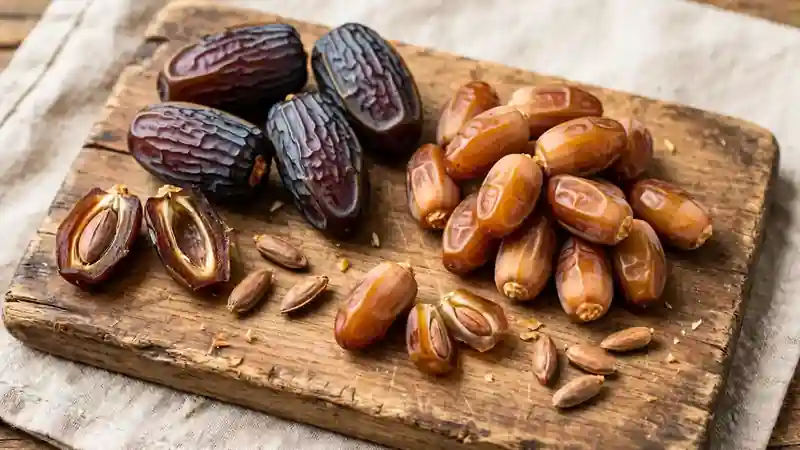
A Medjool date weighs about 24 grams, roughly the same as three Deglet Noor dates, so a quarter of a Medjool is already a full treat for a small dog. Dried dates pack the same sugar and calories into a denser, stickier bite, since drying removes water, so the portion shrinks further. Fresh dates hold more water and are slightly less sugar dense, while firm yellow dates can carry astringent tannins that bother a sensitive stomach.
Red dates and Chinese dates are a different fruit. They are jujubes, not true dates, and dogs can eat their plain flesh in small pieces, but the pit is hard and pointed. Fallen dates from a yard palm ferment and mold, so rake them up rather than letting the dog forage. Sago palm is not a date palm at all, and every part of it is toxic to dogs.
What nutrients do dates offer dogs?
Dates give dogs fiber, potassium, magnesium, and antioxidants, along with quick energy from natural sugars. Dates carry about 7 grams of fiber per 100 grams of fruit, which supports normal stool, and their polyphenol antioxidants grow more concentrated as dates dry. The fruit is roughly two thirds sugar by weight, so the benefits arrive with a heavy sugar cost.
Fiber helps keep stools formed, potassium and magnesium support normal muscle and nerve work, and antioxidants help the body deal with everyday cell stress. These are small extras, not reasons to feed dates, since a complete dog food already covers daily needs. The quick energy from date sugar suits a very active dog that burns it off fast, and it suits almost no other dog.
The sugar load is the honest limit. One Medjool date holds about 16 grams of sugar and 66 calories, and two Medjool dates hold about 32 grams of sugar and 130 calories, which is more than 10 percent of a 40 pound dog’s daily calories. A treat that costs that much should stay rare, and a lower sugar fruit should take its place most days.
Why is the date pit dangerous for dogs?
The date pit is dangerous because it is hard, smooth, about an inch long, and does not break down in the stomach. A swallowed pit can choke a dog or lodge in the intestines, and a blockage in a small dog can need surgery. The pit is not poisonous, but a blockage does not resolve on its own.
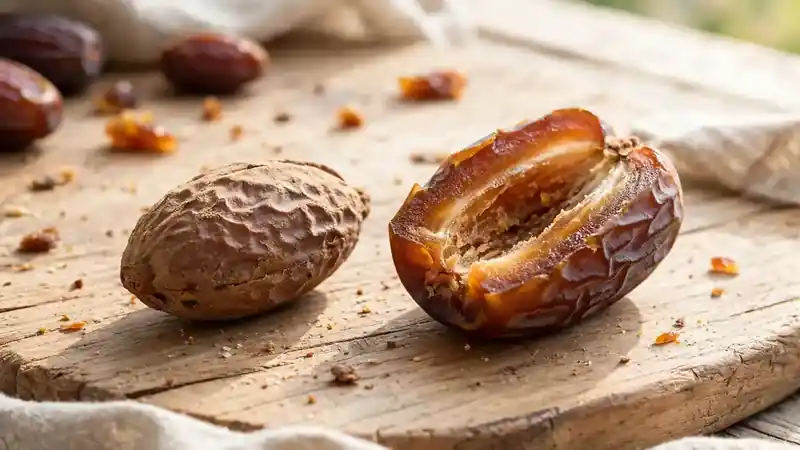
A chewed pit can also crack a tooth, since the pit is hard as a stone. A whole pit can sit in the stomach for days before the dog shows signs. Watch for vomiting, straining, a sore belly, loss of appetite, or lethargy, and call the vet at once if any of these appear after a dog eats a date with its pit.
Check every date by hand, even a bag labeled pitted. Pitting machines miss pits sometimes, and a single missed pit in a bag of pitted dates is the most common way a dog swallows one. Split each date open, pull the pit out, and throw the pit in a bin the dog cannot reach, since dogs will fish pits out of the trash.
How many dates can a dog eat?
Keep dates to once or twice a week, and match the portion to the dog’s size. A dog under 10 pounds gets 2 to 3 grams, about a thin sliver of a Medjool, while a dog over 100 pounds can take up to one whole Medjool. Dates are not a daily food, and they count toward the treat budget.
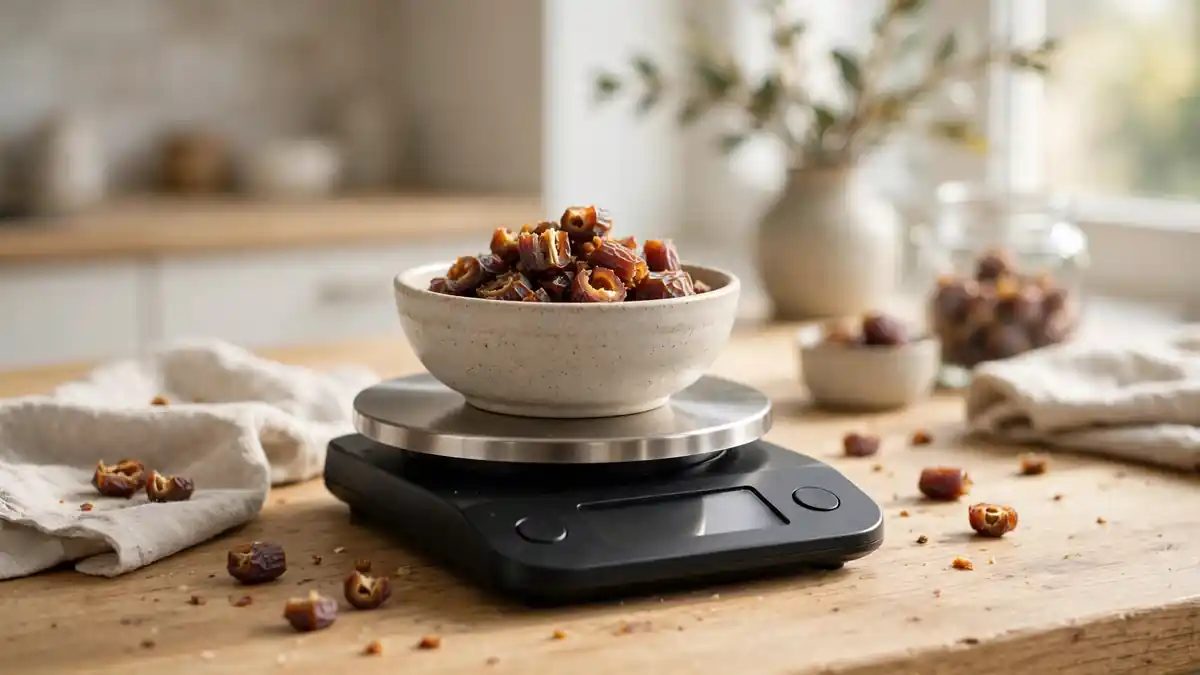
Body weight sets the rough guide. A small dog between 10 and 25 pounds gets up to 5 grams, about a fifth of a Medjool. A medium dog between 25 and 60 pounds gets up to 10 grams, under half a Medjool. A large dog between 60 and 100 pounds gets up to 15 grams, about two thirds of a Medjool. A dog that just ate a fruit treat should skip other extras that day.
Weigh the portion once on a kitchen scale, since 5 or 10 grams looks smaller than expected. A thumbnail sized piece is a full treat for a small dog, and a pea sized piece suits a toy breed. If the dog is overweight, diabetic, or on a weight loss plan, the portion is none at all, and a lower sugar fruit takes the place of dates.
How should you serve dates to dogs?
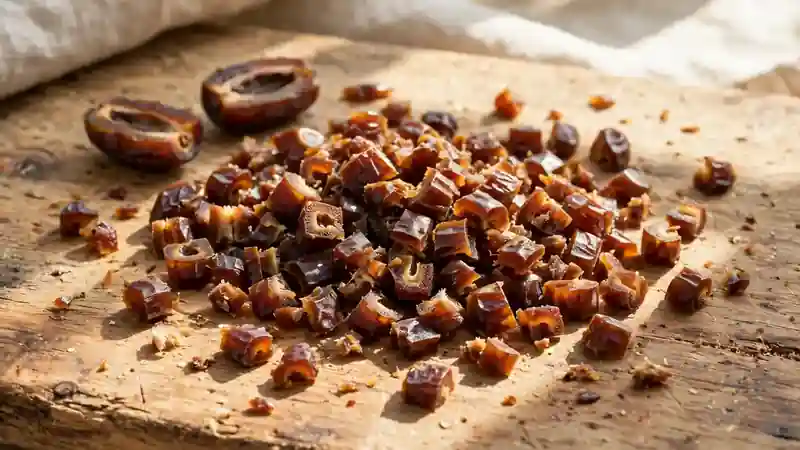
Serve dates plain, pitted, and cut into small pieces, with no chocolate, nuts, cheese, bacon, or coating. Split every date open, remove the pit, and slice the flesh into pea sized pieces for toy breeds or thumbnail sized pieces for large dogs. That short routine is the whole safe serving, and every extra step is optional.
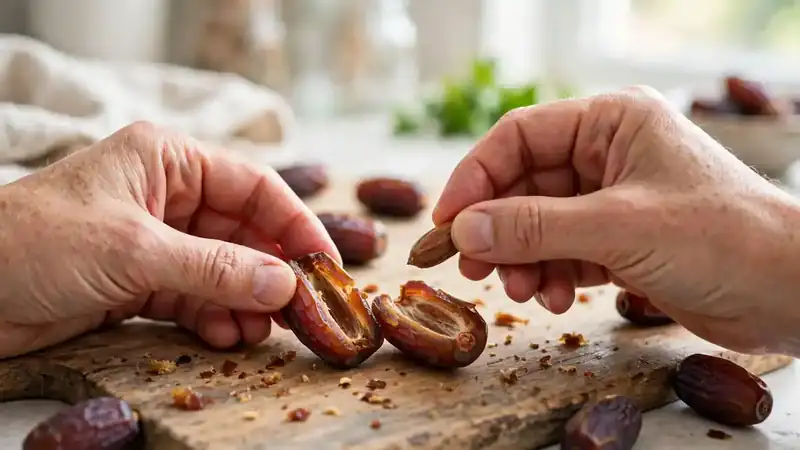
Start with one piece the first time, then wait a day and watch for loose stool. Count dates as part of the daily treat budget, not on top of it, so a date day means no biscuits or chews as well. Store dates and discarded pits out of reach, including the trash can, since a dog that smells dates will dig for them.
Sticky date pieces work well pressed into a lick mat with plain yogurt, or scattered across a snuffle mat so the dog sniffs out each piece instead of gulping. Skip date syrup, date paste, and date sweetened bars, since they are nearly pure sugar and often hide raisins, chocolate, or xylitol.
Can dates upset a dog's stomach?
Yes, dates can upset a dog’s stomach when the portion is too large or the dog eats them for the first time. The sugar and fiber are the usual causes, and the signs show up as gas, a soft stool, or diarrhea a few hours after eating. A whole date eaten at once is the most common trigger.

A mild upset needs little more than a pause. Skip the next date serving, feed plain food for a day, and keep fresh water close by. Most dogs settle within a day. Call the vet if vomiting repeats, if the dog refuses water, if blood appears in stool or vomit, or if a small dog or puppy looks weak and flat.
Dates are not a treatment for constipation, even though owners sometimes try them for that reason. The fiber can help a stool move, but the sugar load can swing a dog straight to diarrhea, and a constipated dog that is straining, vomiting, or not eating needs a vet. For mild, occasional hard stool, ask the vet about plain canned pumpkin and extra water instead.
Which dogs should skip dates?
Dogs with diabetes should skip dates entirely, since dates are very high in sugar and can spike blood sugar. Dogs that are overweight should also skip them, since a single Medjool date can cost 66 calories, and regular sharing adds weight fast. Dogs with a sensitive stomach should skip them too, or try only a sliver after the vet agrees.

Dogs with dental trouble should skip sticky dried dates, since the pieces glue to teeth and feed the bacteria that cause decay. Dogs on a prescription diet should check first, since a vet diet is built as a whole, and a sugary extra can shift the balance it was designed to hold. Puppies can have a tiny taste once weaned, but a lower sugar fruit is a better first fruit for them.
Dogs that have eaten raisins or grapes should never get dates as a swap without a careful check. The two fruits look alike when chopped, and a mix up in a trail mix or a baked good can put a toxic fruit in the bowl. Keep dates and raisins in separate containers, and check any shared snack for raisins before it reaches the dog.
How do dates compare with other sweet fruits?
Dates are the sweetest fruit most owners share with dogs, so they should stay rare. Blueberries are the better everyday choice, with far less sugar and more antioxidants per bite, and our blueberries guide covers the portion. Strawberries are also lighter, with fiber and vitamin C, and our strawberries guide covers the leaves and stems to remove.
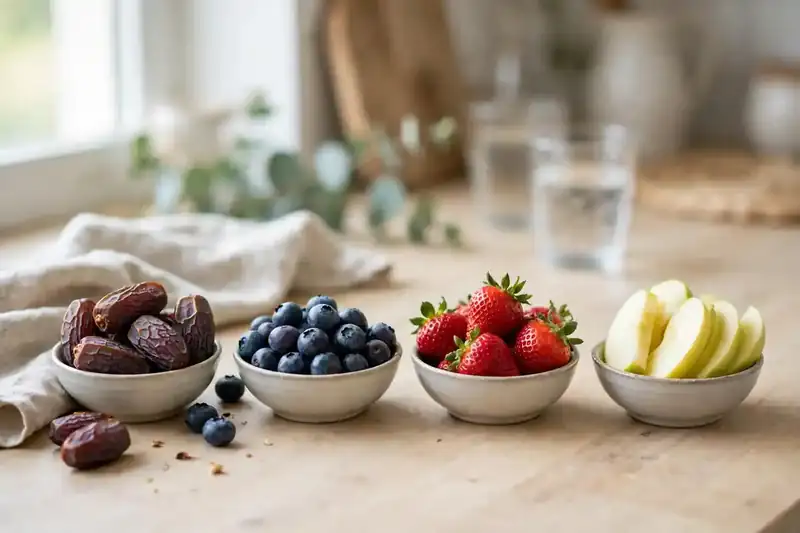
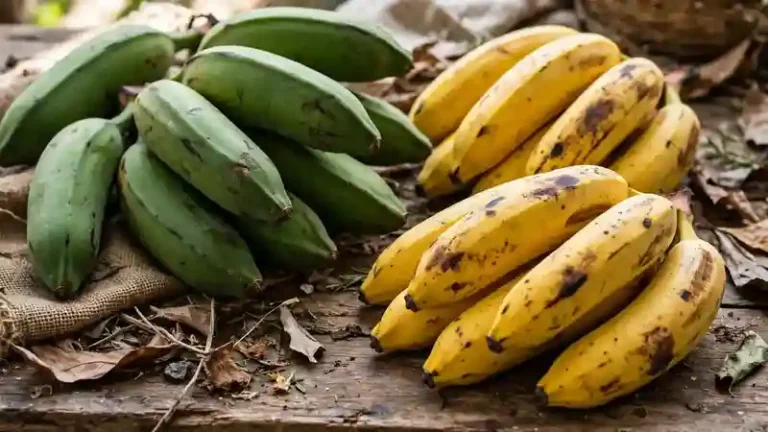
Apples bring crunch, fiber, and vitamin C with much less sugar, and our apples guide covers the seeds and core to remove. Bananas are sweet and starchy, closer to dates than to berries, and our bananas guide covers the portion by size. Mango is sweet and soft, with fiber and vitamins, and our mango guide covers the pit to remove.
Grapes sit on the other side of the line entirely. Our grapes guide covers why even a small amount can trigger sudden kidney failure, and the AKC grapes guide gives the same warning. The AKC fruits and vegetables guide lists dates among the safe fruits and grapes among the dangerous ones, and the ASPCA people foods list names grapes and raisins among the foods to keep away from pets.
Frequently asked questions about dates for dogs
Owners ask the same few questions about dates, from puppies to Medjool dates to swallowed pits. The answers below cover the cases that come up most often in kitchens and at the vet, with the short version first each time.

Can puppies eat dates?
Yes, puppies can eat dates once they are weaned and eating solid food, but the piece must be tiny and soft. Cut a pitted date into a pea sized piece, offer one piece as a trial, and watch a full day before any second serving. A lower sugar fruit is a better first fruit for most puppies, so ask the vet before making dates a habit.
Can dogs eat dried dates?
Yes, dogs can eat dried dates in even smaller amounts than fresh ones. Drying removes water, so the same sugar and calories pack into a stickier, denser bite that can glue to teeth or slide down whole. Skip dried dates rolled in sugar, coated in oat flour, or sold as candied pieces, and always remove the pit first.
Can dogs eat Medjool dates?
Yes, dogs can eat Medjool dates, but the portion stays tiny because Medjool is the largest and sweetest common variety. One Medjool weighs about 24 grams and carries about 16 grams of sugar and 66 calories. A quarter of a Medjool is already a full treat for a small dog, and a whole Medjool suits only a very large dog, once or twice a week at most.
Can dogs eat date pits?
No, dogs must never eat date pits. The pit is hard, smooth, and about an inch long, and it does not break down in the stomach, so it can choke a dog or cause an intestinal blockage. A chewed pit can also crack a tooth. Split every date open and remove the pit by hand, even from a bag labeled pitted, since machines miss pits sometimes.
Are dates better than raisins for dogs?
Yes, dates are far better than raisins for dogs, because dates are safe in small amounts while raisins can cause sudden kidney failure. The danger is that chopped dates and raisins look almost identical, so a mix up is easy. Keep the two fruits apart, check trail mix and baked goods for raisins, and call the vet at once if a dog eats any raisins.
What should I do if my dog eats a whole date with the pit?
Stay calm, note the time, and call the vet, especially if the dog is small. Watch for vomiting, straining, a sore belly, loss of appetite, or lethargy over the next day, since a pit can lodge in the gut and need surgery. Never try to make the dog vomit unless the vet tells you to, and keep the date bag away so the dog cannot eat more.
Dates earn a small place as a dog treat, and only a small one: plain, pitted, cut small, and shared once or twice a week. The pit is the real danger, the sugar is the real limit, and raisins are the real mix up to fear. Pick a lower sugar fruit for everyday treats, and keep dates as the rare sweet bite they are.