

Can Dogs Have Cassava? Raw Risks and Safe Preparation
Can dogs have cassava? Dogs can eat cassava only when it is fully peeled, soaked, and cooked through, then served plain in a tiny amount. Raw cassava releases cyanide compounds that can poison a dog fast. Cooked cassava loses most of that danger, yet it still offers little nutrition and a lot of starch.
Most owners are better off skipping it and choosing a safer root vegetable. This guide covers the cyanide risk, the difference between sweet and bitter types, safe preparation, and the warning signs that call for a vet.
Can dogs have cassava?
Dogs can have cassava only in small amounts of fully cooked, plain root, and even then the food adds little value, so many vets advise owners to skip it. Raw cassava is toxic to dogs because it holds cyanogenic glycosides, compounds that release cyanide when chewed.

Cassava, also called yuca or manioc, feeds more than 800 million people around the world, according to competitor guides, and it grows as a staple crop in South America, Africa, and Asia. People eat it after careful processing that removes the cyanide compounds. Dogs lack that context, and a dog that digs up a raw root in a garden can eat it before an owner notices.
That garden risk matters as much as the kitchen risk, because the raw root and leaves both carry the compounds, just as raw potatoes are unsafe before cooking. Owners who grow cassava should fence it off from dogs.
Why is raw cassava dangerous for dogs?
Raw cassava is dangerous for dogs because its cyanogenic glycosides release hydrogen cyanide when the root is chewed, and cyanide blocks cells from using oxygen. A dog that eats raw cassava can develop vomiting, diarrhea, drooling, weakness, rapid breathing, seizures, or collapse, and severe cases can turn fatal within hours.
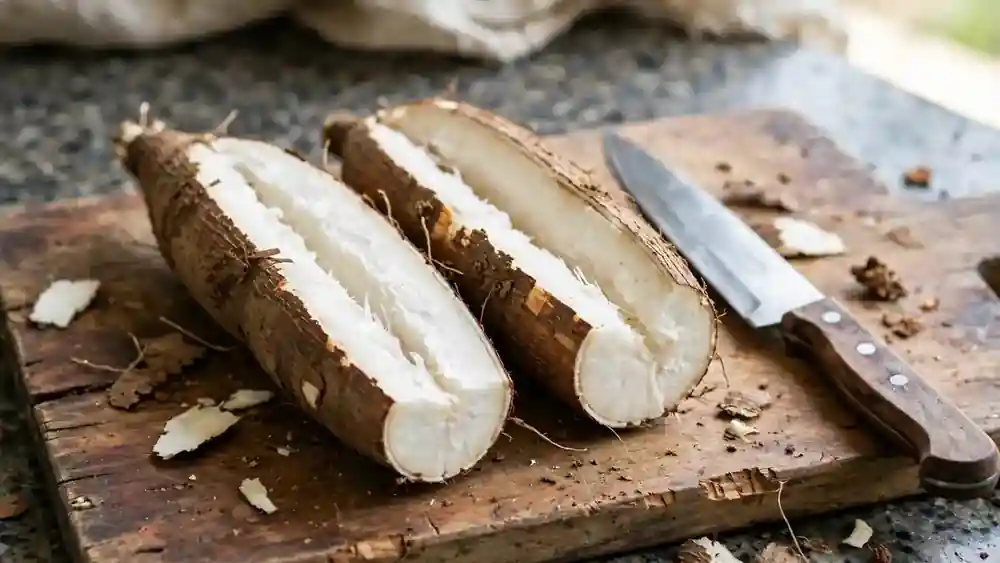
Linamarin is the main cyanogenic compound in cassava. Chewing crushes plant cells and brings linamarin together with enzymes that free hydrogen cyanide. That cyanide then binds to enzymes inside cells and stops oxygen use, even when the blood carries plenty of oxygen.
A University of Nigeria study fed cassava based diets to growing dogs for 14 weeks and found organ damage in liver, kidney, heart, and adrenal tissue, plus changes in blood proteins. That study used cassava as a daily diet, not a single treat, yet it shows how seriously the compounds can harm dogs over time. Acute poisoning from one raw meal can move faster still, and owners should treat any raw cassava eating as an emergency.
What is the difference between sweet and bitter cassava?
Sweet cassava holds far less cyanogenic compound than bitter cassava, yet both types need full peeling, soaking, and cooking before a dog eats any, and bitter cassava should stay out of a dog’s bowl entirely. Grocery stores usually sell sweet cassava, yet labels rarely state the type.
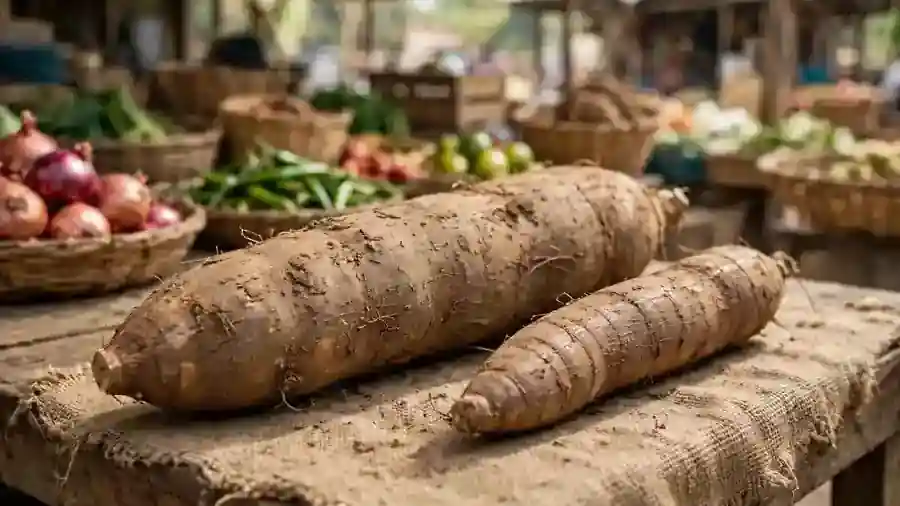
Bitter cassava feeds many people too, but only after long soaking, fermentation, and drying that strip the compounds out. That processing takes days and skill, and a home cook who boils bitter cassava once has not done enough. Dogs add another layer of risk, because their smaller body weight means a smaller dose hits harder.
The safest stance is simple. Use sweet cassava only, peel it fully, soak it, cook it until tender all the way through, and serve a tiny plain piece. When the type is unknown, skip it.
How do you prepare cassava safely for dogs?
Safe cassava preparation for dogs means peeling the root fully, soaking the flesh, cooking it until tender all the way through, cooling it, and serving a small plain piece with no salt, butter, or seasoning. Peeling matters because the skin holds the highest concentration of cyanogenic compounds. Soaking helps draw compounds out of the flesh.
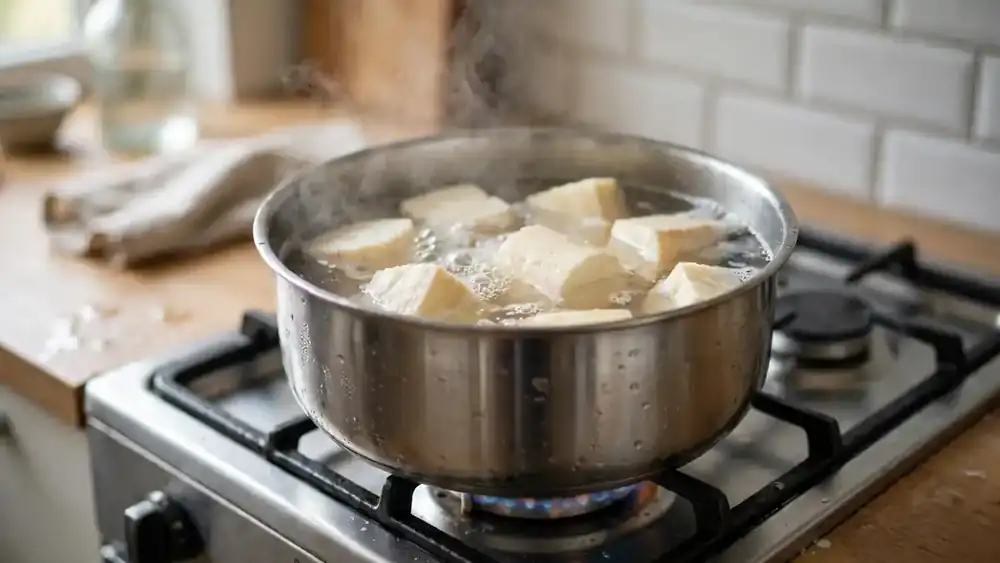
Some guides suggest soaking cassava for 24 hours before cooking, and that extra step adds safety when time allows. Cooked potatoes show the same pattern, since boiling and draining cut unwanted compounds from the flesh. Change the soak water at least once. After cooking, taste the texture yourself: the flesh should be soft all the way through, with no hard center.
A hard center means the middle never got hot enough. Discard the cooking water rather than using it for broth, since the compounds leach into it. Serve the piece plain, with no garlic, onion, salt, or sauce.
Offer it only as a rare treat, not as a regular side dish, and watch the dog for stomach upset after the first taste.
How much cassava can a dog eat?
No safe serving amount for cassava is set by any veterinary body, so owners who choose to feed it should keep the portion tiny, rare, and well under 10 percent of daily calories. A few small cubes once in a while is the most any guide supports, and many vets would rather owners skip it. Treats in general should stay under 10 percent of a dog’s daily calories, as VCA advises in its dog treats guide.
Cassava earns a smaller share than most treats, because its starch load is high and its nutrition is thin. A small dog needs only a bite or two at most, and plain rice is a gentler starch choice when a dog needs a bland meal.
Weight based amounts would help owners, yet no authoritative source publishes a cassava dose for dogs. That gap is itself a warning, because it means no vet group has found the food worth a formal portion guide. Owners should not invent a portion from human recipes, since people eat far larger amounts after processing that dogs never get.
When a dog has diabetes, kidney disease, or a sensitive stomach, cassava deserves an even harder no, because the starch can spike blood sugar and the fiber can upset digestion. A vet call before the first taste costs nothing and can prevent a bad day.
What are the signs of cyanide poisoning in dogs?
Signs of cyanide poisoning in dogs include bright red gums, rapid breathing, drooling, vomiting, diarrhea, weakness, staggering, muscle spasms, seizures, and collapse, and symptoms can start within minutes of eating raw cassava. Cyanide blocks oxygen use inside cells, so the blood stays bright red while the tissues starve.
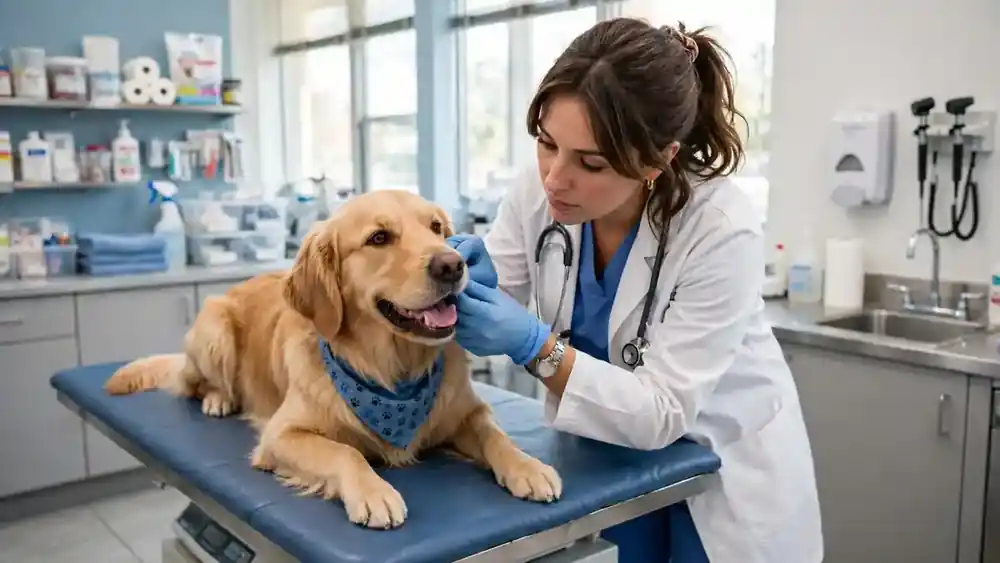
Owners should not wait for symptoms to appear before calling for help. Raw cassava eating is a poison exposure, and the clock matters more than the symptom list. Call the vet or an emergency clinic at once, and share the amount eaten and the time.
The ASPCA Animal Poison Control Center at (888) 426-4435 can advise too, and a consultation fee may apply. Vets may give oxygen, fluids, and other supportive care, and they may keep the dog for monitoring. Do not induce vomiting at home unless a professional tells you to, since vomiting can cause more harm.
Speed and a calm voice on the phone save more dogs than any home remedy.
Can dogs eat cassava flour or cassava chips?
Dogs can eat commercially processed cassava flour in small amounts, yet the flour offers little nutrition and the safety depends on the maker, so owners should choose a trusted brand and keep portions tiny. Commercial cassava flour goes through processing that removes most cyanogenic compounds, which makes it safer than raw root.
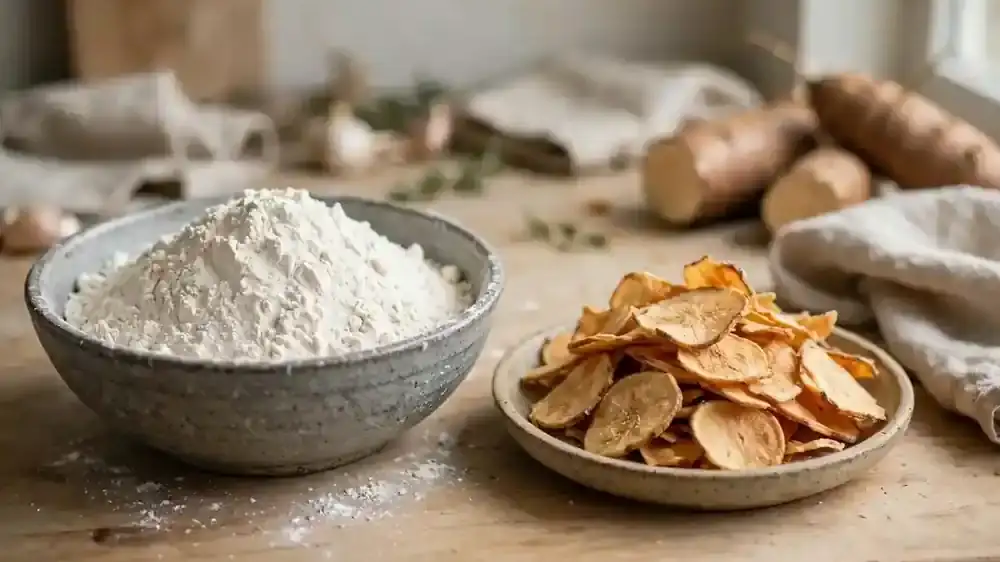
Cassava flour shows up in grain free dog foods and treats, and that use is normal when a maker follows proper processing. A dog that already eats a food with cassava flour in it does not need extra cassava on top. Owners who bake dog treats at home should buy flour from a reputable source, store it dry, and use it sparingly.
Chips from a snack bag belong in the trash, not the dog bowl. When in doubt about a flour or chip product, read the label for salt, garlic, onion, and xylitol, and skip anything that lists them.
Is cassava good for dogs nutritionally?
Cassava offers dogs little nutritional value, because it is mostly starch with modest vitamin C and fiber, and dogs already get better nutrients from their regular food. One cup of raw cassava holds around 330 calories, mostly from carbohydrate, with little protein or fat.

Compare cassava with a safer root and the gap shows. Sweet potatoes bring vitamin A, fiber, and a gentler starch profile, and vets often recommend them as a dog treat. Carrots add crunch, fiber, and vitamin A with far fewer calories.
Broccoli brings fiber and vitamins in small florets. Cassava brings starch and a poison risk that those foods lack. Owners who want a starchy side for their dog should pick one of those instead, and save cassava for the human table, where proper processing makes it a fine food.
Which dogs should never eat cassava?
Dogs with diabetes, kidney disease, pancreas problems, or sensitive stomachs should never eat cassava, and puppies, seniors, and small dogs should avoid it too, because the starch load and the poison risk hit vulnerable dogs hardest. Diabetic dogs face blood sugar spikes from the high starch content, and cassava is one of the worst carbohydrate choices for them.

Dogs on a vet prescribed diet should not get cassava at all, since extra foods can undo the diet’s purpose. The FDA lists several foods that can harm pets, and while cassava is not on that short list, the same caution applies: when a food carries a known poison risk and no clear benefit, vulnerable dogs should skip it. Owners who are unsure about their dog’s health should ask their vet before offering any new food. A two minute call can spare a dog a bad reaction and spare the owner a vet bill.
Can dogs eat yuca, manioc, or other cassava forms?
Yuca, manioc, and cassava are the same plant, so the same rules apply: raw forms are toxic, cooked forms need full preparation, and processed forms vary by maker. Yuca is the common name in Latin American markets, manioc is the name in some other regions, and cassava is the name most English guides use.
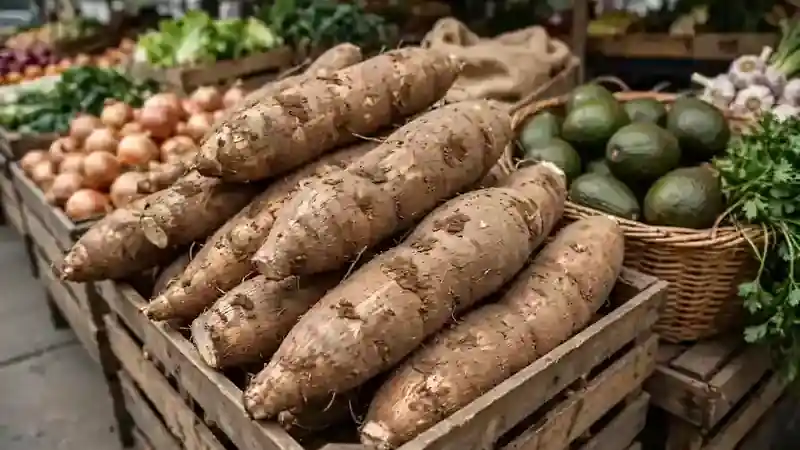
Other forms need a label check. Cassava bread, cassava porridge, and fermented cassava products such as gari all start from the same root, and their safety depends on how long and how thoroughly they were processed. Gari, a fermented cassava food, was the form used in the University of Nigeria dog study, and the study found organ damage after 14 weeks of daily feeding.
That finding warns owners against feeding cassava as a staple in any form. A tiny piece of fully cooked plain root once in a while is the only form worth considering, and most dogs will do fine never tasting cassava at all.
Frequently asked questions about cassava and dogs
Cassava questions cluster around the same worries: raw versus cooked, flour versus root, and what to do after a dog eats some. The answers below give short, plain guidance for each case, and they all point back to the same rule.
Is raw cassava toxic to dogs?
Yes, raw cassava is toxic to dogs. It holds cyanogenic glycosides that release cyanide when chewed, and cyanide can cause vomiting, rapid breathing, seizures, or collapse. Treat any raw cassava eating as an emergency and call the vet or an emergency clinic at once, even when the dog still looks fine.
Can dogs eat cassava flour?
Dogs can eat commercially processed cassava flour in small amounts, because factory processing removes most cyanogenic compounds. Choose a trusted brand, keep portions tiny, and skip homemade flour from an unknown source. Cassava flour adds little nutrition, so it works best as an occasional baking ingredient rather than a regular food.
How do I cook cassava for my dog?
Peel the root fully, soak the flesh, then boil it in plenty of water until it is soft all the way through. Drain the cooking water away, cool the flesh, and cut it into small plain pieces with no salt, butter, or seasoning. Serve only a few small cubes as a rare treat, and watch the dog for stomach upset afterward.
Is yuca the same as cassava for dogs?
Yes, yuca is another name for cassava, and manioc is a third name for the same plant. All three names carry the same risk, so raw yuca is toxic and cooked yuca needs the same full preparation. Leaves and stems from the plant are also unsafe for dogs to chew.
Can dogs eat cassava chips?
Dogs should not eat cassava chips. Most chips carry salt, oil, and seasonings, and some carry garlic or onion powder, so they fail as a dog treat even when the cassava was cooked. A small piece of plain cooked root is the only cassava form worth offering, and chips are not that form.
What should I do if my dog eats raw cassava?
Call your vet or an emergency clinic at once and share how much the dog ate and when. Do not wait for symptoms, and do not induce vomiting unless a professional tells you to. The ASPCA advises owners to stick to lean cooked meats and dog safe vegetables instead of risky human foods, and cassava belongs on the risky side of that line. Keep the vet number and the poison control number saved in your phone.
Cassava is a fine food for people who process it well, yet it is a poor choice for dogs. The poison risk is real, the nutrition is thin, and safer roots such as sweet potatoes and carrots give dogs the same satisfaction without the danger. Owners who grow cassava should fence the plants off, and owners who cook it should keep the raw root far from the dog’s reach. A dog that never tastes cassava loses nothing, and a dog that eats raw cassava can lose a great deal.


