Dog Food Recall Today: How to Check Recalls and Keep Your Dog Safe

A dog food recall today means checking the FDA list with the lot code on your bag, not guessing from the brand name. Dog food recall today searches spike every time a headline names a brand, and the worry that follows is usually bigger than the risk. Most recalls cover specific lots, not every bag a brand makes. Five minutes with the lot code tells you whether your bag is one of them.
Recalls feel scary because the food sits in your kitchen and your dog already ate from the bag. Companies test their food, the FDA posts notices, and retailers pull stock, often before a single dog falls ill. Your job is smaller than the headlines suggest, and it starts with the numbers printed on the bag you already own.
How do I check for a dog food recall today?
Check for a dog food recall today by finding the lot code and best-by date on your bag, then searching the FDA recalls page for your brand. If the lot code matches a listed recall, stop feeding that food, keep the bag and call your vet if your dog seems unwell.

The check takes about five minutes once you know where to look. The lot code usually sits near the best-by date on the back or bottom of the bag, or on the end of a can. Photograph both before you throw the bag away. Open the FDA recalls page, search your brand name, and compare the product name, size, lot code and best-by date in the notice with yours, character by character.
A match on the brand alone does not mean your bag is recalled. Recalls name exact products, sizes and lots, and your bag may come from a different plant, a different week or a different recipe. A match on all four details means stop feeding it. No match means the food stays on the menu.
Where recalls get announced first
Recalls get announced first through the company and the FDA, and the FDA recalls page lists each one with its date, brand, product, reason and company. The animal and veterinary recalls page covers pet food specifically, and the company behind the brand usually posts the same notice on its own site.

The FDA recalls page gathers press releases and public notices about recalls of FDA regulated products Each entry shows the date, brand name, product description, product type, recall reason and company name. The list runs newest first, so today’s entries sit at the top and older ones scroll below.
The FDA animal and veterinary recalls page narrows that list to animal products, which saves owners from scrolling past human food and drug recalls. Companies post their own notices too, and those carry the full lot lists and the phone number for refunds or replacements. Our page on dog food recalls explains the same sources in one place, and our FDA dog food recall guide covers how the agency handles pet food cases.
News sites and social media pick recalls up fast, but they also strip out the lot details that decide whether your bag is affected. A headline that says a brand was recalled tells you to check, and nothing more. Check the official notice before you throw food away or switch brands, since headlines often sound wider than the real recall.
How to check your bag against a recall in five minutes
Checking your bag against a recall takes five minutes and four details from the package: brand, product name and size, lot code and best-by date. Compare all four with the FDA notice, and treat a full match as a stop feeding signal.
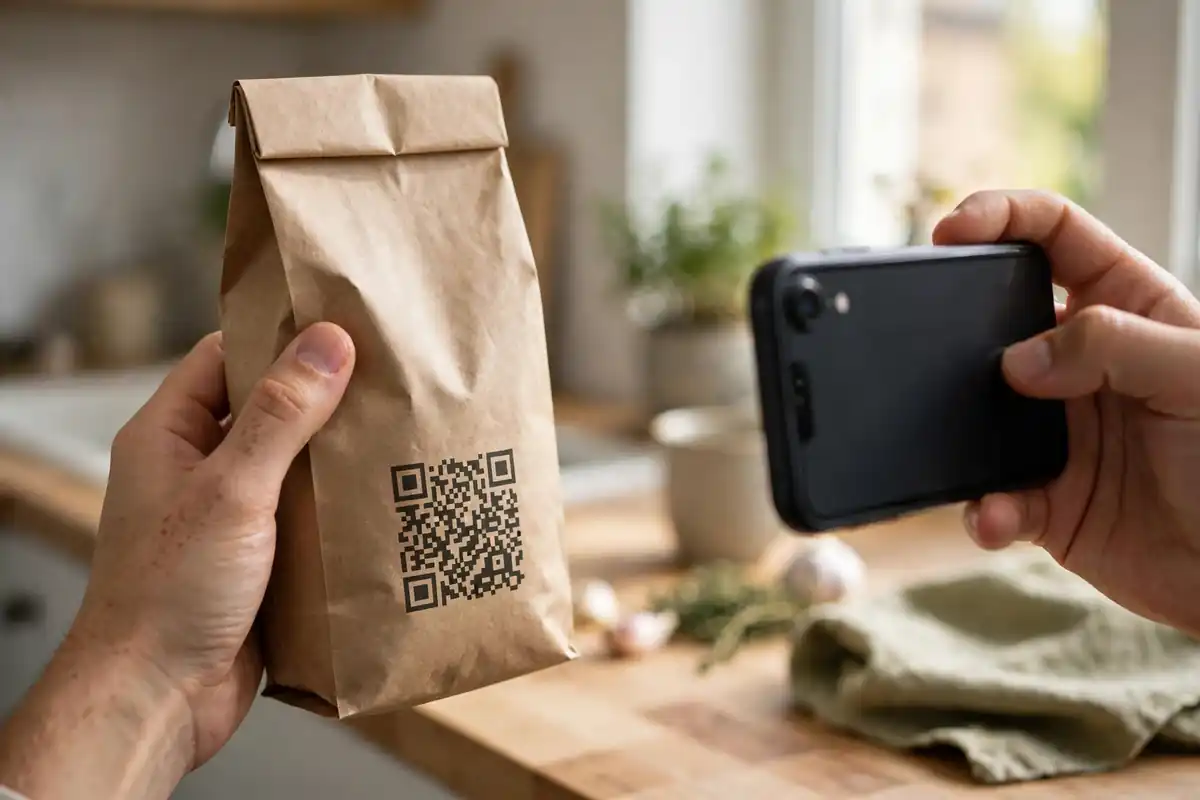
Start with the bag in your hands. Find the lot code and best-by date, usually printed near the seam or on the bottom, and photograph them. Note the exact product name and bag size, since a recall may cover one size of a recipe and not the others. Cans carry the same codes on the lid or the label, and a photo beats memory every time.
Open the FDA animal recalls page and search your brand name. Open the notice that matches your product and read the product name, size, lot codes and best-by dates it lists. Compare each detail with your photo, one by one. Read lot codes character by character instead of scanning for a rough match.
Three results can follow. A full match means stop feeding the food and follow the steps in the next sections. A partial match, such as the right brand and product but a different lot, means your bag stays safe No match at all means no recall covers your food right now. Repeat the check when you open a new bag, since a recall can post after you bought it.
What lot codes and best-by dates tell you
Lot codes and best-by dates tell you exactly which production run your bag came from, and recalls target runs, not brands. Two bags of the same food from different runs can have different safety status, which is why the code decides the answer.

A lot code marks one production run at one plant on one day or shift. When testing finds a problem, the company traces it back to the run that produced it and recalls the lots from that run. Bags from other runs stay on shelves because nothing links them to the problem. The best-by date narrows the run further.
Keep the bag until the food is gone, because the code lives on the packaging and nowhere else. Owners who throw the bag away and pour food into a storage bin lose the only link between the food and the recall list. A photo of the code and date on your phone serves the same purpose and survives the trash day.
UPC barcodes add a second check. Some recall notices list UPC numbers alongside lot codes, and the barcode on your bag either matches or it does not. The lot code still matters more, since two bags can share a UPC and come from different runs.
Why most recalls cover only some lots
Most recalls cover only some lots because the problem usually traces to one ingredient delivery, one machine or one production day. The rest of the brand’s food comes from different runs and carries no link to the problem at all.

Dog food plants run many batches a week, and each batch uses its own ingredient lots. A contaminated vitamin premix, a faulty seal on one canning line or a single shipment of raw meat can taint the batches it touched and leave the rest clean. Testing catches the pattern, the company traces the ingredient or the machine, and the recall follows the trace.
The size of a recall still varies a lot. Some cover two lots of one canned recipe. Others cover hundreds of lots across several recipes when a shared ingredient reached many runs.
The notice lists the scope plainly, with the product names, sizes, lots and dates affected. Read the scope before you judge the risk.
Voluntary recalls add another wrinkle. Companies can pull food on their own initiative, at FDA request or under FDA order, and the FDA page notes which path each recall took. A voluntary recall is not a weaker recall, and it often means the company caught the problem in its own testing before anyone fell ill.
Common reasons dog food gets recalled
Dog food gets recalled most often for bacterial contamination, foreign material, nutrient errors and labeling mistakes. Salmonella and Listeria lead the bacterial list, while metal, plastic and glass lead the foreign material list. Each reason triggers a different kind of risk for the dogs that eat the food.

Bacterial contamination drives the most recalls, and raw and freeze dried foods appear in this group more than cooked kibble. Salmonella and Listeria can sicken dogs and the people who handle the food, which is why raw diets draw extra scrutiny from the FDA. Our guide to salmonella in dog food covers the symptoms. Cooking kills these bacteria, so the risk concentrates in foods that skip a full cooking step.
Foreign material sounds minor until you picture it in a bowl. Metal shards from worn equipment, plastic pieces from packaging and glass fragments from jars have all triggered recalls of canned and pouched food. The pieces can cut a mouth, break a tooth or block a gut, and the recall usually covers the lots that ran through the damaged machine.
Nutrient errors are quieter but no less serious. Too much vitamin D, too little thiamine or missing minerals can harm a dog that eats the food every day for weeks. These recalls often come from a mismeasured premix at the plant. Labeling mistakes form the last common group, such as a missing allergen warning or a wrong ingredient list, and they matter most to dogs with allergies or prescription diets.
What to do if your dog’s food is recalled
If your dog’s food is recalled, stop feeding it right away, keep the bag and the receipt, and call your vet if your dog shows any symptoms. Then follow the notice for a refund or replacement and switch to a safe food.

Stop feeding the food first, even if your dog looks fine. Dogs can carry bacteria without symptoms and still pass them to people, and nutrient problems build over days. Seal the bag so nobody feeds from it by mistake, and keep it somewhere pets and children cannot reach. Photograph the lot code, best-by date and receipt if you have not already, since the company may ask for them.
Call your vet if your dog shows vomiting, diarrhea, fever, lethargy, loss of appetite or anything unusual after eating the food. Tell the vet the brand, product, lot code and how much the dog ate, and bring the bag or a photo of the label. The vet may ask for a stool sample or blood work.
Follow the notice for the refund or replacement. Most notices give a phone number or a website for returns, and some offer a replacement bag or a refund with proof of purchase. Throw the recalled food away in a tied bag in a covered trash can, or return it as the notice directs. The FDA safe handling guide covers the full cleanup routine for pet food and treats.
What to feed while you switch foods
While you switch foods, feed a simple diet your dog already tolerates, such as a different lot of a trusted food or plain cooked chicken and rice for a few days. Change foods over several days when you can, and watch the stool during the switch.

When the recalled food is one recipe from a brand you trust, another recipe or lot from the same brand often works, once you check its lot code against the recall list. When the recall shakes your trust in the brand, pick a new food with a similar protein and a short ingredient list, and mix it with the old safe food over four to seven days if any safe food remains.
Plain cooked chicken and rice cover a short gap of two or three days while you shop. Boil the chicken without skin, bones or seasoning, mix it with plain cooked rice, and serve small meals more often than usual. This bland diet is not a long term plan, since it lacks the vitamins and minerals of a complete food, but it keeps a healthy dog fed while you choose the next bag. Our dog food recipes page lists simple homemade options.
Dogs with allergies, kidney disease or a prescription diet need a vet call before any switch. Their diets exist for a medical reason, and a random replacement can undo months of management. The vet can name a safe alternative that fits the same medical limits, or a homemade recipe that holds the dog over. Puppies and seniors also deserve a faster switch, since they have less room for a nutrition gap.
How to stay current on future recalls
Staying current on future recalls takes a monthly check of the FDA list, alerts from the brand you feed, and a habit of photographing every new bag. The routine costs a few minutes a month and catches recalls before the bag is half empty.
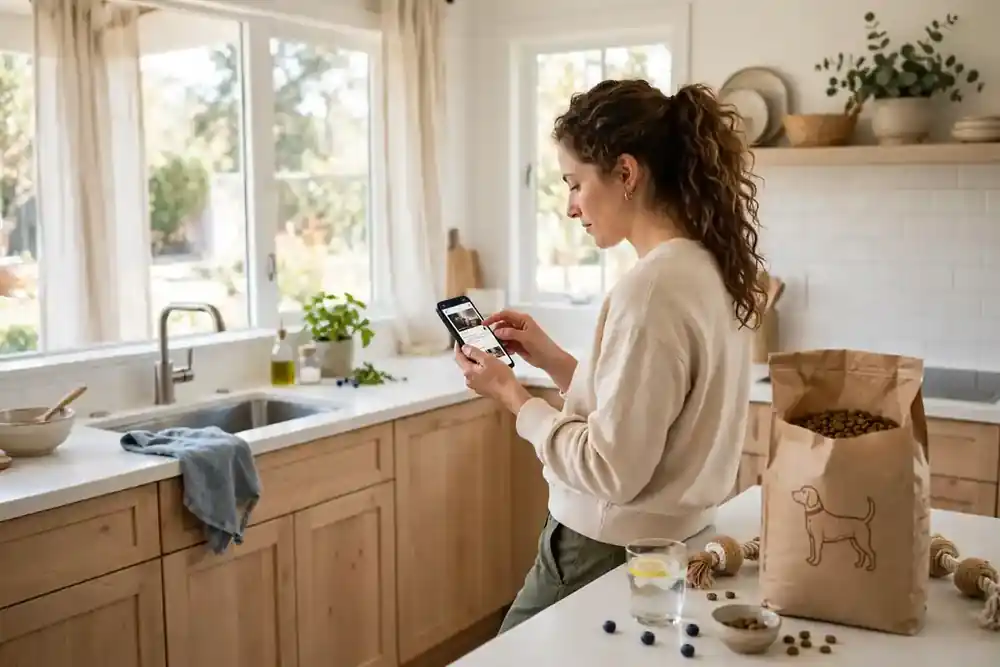
Check the FDA animal recalls page once a month and whenever a news story names a pet food brand. The page lists entries newest first, so a quick scan of the top rows tells you whether anything changed.
Sign up for alerts where they exist. Some brands run recall email lists, and several independent trackers send a notice when a new pet food recall posts. The FDA also lets owners report a problem with a pet food through its report a problem page, and those reports help the agency spot patterns across brands.
Build the bag habit and the system holds together. Photograph the lot code and best-by date of every new bag, keep the bag until the food is gone, and store the food in its original bag in a cool, dry place. Our guide to natural dog food and our list of the best dog food for small dogs both assume the same habit, since the best food on the shelf still needs a lot check when it comes home.
Frequently asked questions
Owners ask the same recall questions every time a headline lands, and the answers below cover the ones that come up most. Each one points back to the same routine, check the lot code on the official list, and act on the match rather than the headline.

Is there a dog food recall today?
Check the FDA animal recalls page for the current list, since recalls post through the day and no article can stay current. Search your brand, compare the lot code and best-by date on your bag, and treat a full match as the answer. A headline alone cannot confirm whether your bag is affected.
What should I do if my dog ate recalled food?
Stop feeding the food, keep the bag and receipt, and watch your dog for vomiting, diarrhea, fever, lethargy or loss of appetite. Call your vet and report the brand, product, lot code and amount eaten. Bring the bag or a photo of the label to the visit.
Does a recall mean the whole brand is unsafe?
No, most recalls cover specific lots, not the whole brand. The problem usually traces to one ingredient delivery, one machine or one production day, and the rest of the food carries no link to it. Check the lot code before you judge the brand.
How long do dog food recalls stay on the FDA list?
The FDA keeps recall notices posted for three years before archiving them. The list also shows which recalls the FDA marked terminated, which means the agency determined that all reasonable efforts went to removing or correcting the product. A recall without that mark is still ongoing or completed.
Can I get a refund for recalled dog food?
Most recall notices give a phone number or website for refunds or replacements, and proof of purchase helps. Keep the bag, the receipt and a photo of the lot code. Some notices ask you to return the food, while others tell you to throw it away.
How do I report a problem with my dog’s food?
Report it to the FDA through the Safety Reporting Portal, which the FDA report a problem page links to for animal food, drugs and devices. Include the brand, product, lot code, best-by date, symptoms and any vet findings. Your report helps the FDA spot patterns across brands.
Recalls work best when owners treat them as a routine check rather than a crisis. Photograph the lot code, check the FDA list when a new bag opens, and keep a simple backup food in mind for the day a match appears. Five minutes of checking buys a calm answer.