Can Dogs Eat Cheez-Its? Risks, Symptoms and Safe Snacks

No, Cheez-Its should not be a regular snack for your dog. Can dogs eat Cheez-Its at all? One stray cracker rarely causes a crisis in a healthy adult dog, but the snack brings salt and fat with nothing a dog needs. Flavored varieties raise the risk further, since some contain onion powder and garlic powder.
Cheez-Its sit in that awkward middle ground owners find hardest to judge. The cracker looks harmless and small, and dogs beg for it. Salt drives the risk here, and salt risk depends on dose and dog size. A Great Dane and a Chihuahua do not face the same math from the same handful.
Can dogs eat Cheez-Its?
Dogs can swallow a Cheez-It without harm, but Cheez-Its make a poor dog snack because of salt and fat. One cracker rarely troubles a healthy adult dog. A handful, a regular habit or a whole box changes the picture, and flavored varieties add onion and garlic powder to the mix.

Cheez-Its are not a poison in the way chocolate or xylitol are poisons. No single ingredient in the Original recipe sits on the classic toxic foods list. The problem builds from the recipe as a whole. Dogs do not stop at one cracker when the box stays open, and owners hand over more than they mean to.
Dog bowls also fill up fast on treats. Most veterinary feeding guides cap treats at 10 percent of daily calories, and Cheez-Its spend that budget on salt and fat. A dog that fills up on crackers eats less of the balanced food that carries the protein and vitamins it needs.
The cracker does not poison the meal plan in one bite. It crowds out the food that matters, day after day.
What is actually inside a Cheez-It?
Original Cheez-Its list enriched flour, vegetable oil, cheese made with skim milk, salt, paprika, yeast and soy lecithin. A serving of 27 crackers carries about 150 calories, 8 grams of fat and 200 milligrams of sodium, according to the manufacturer label.
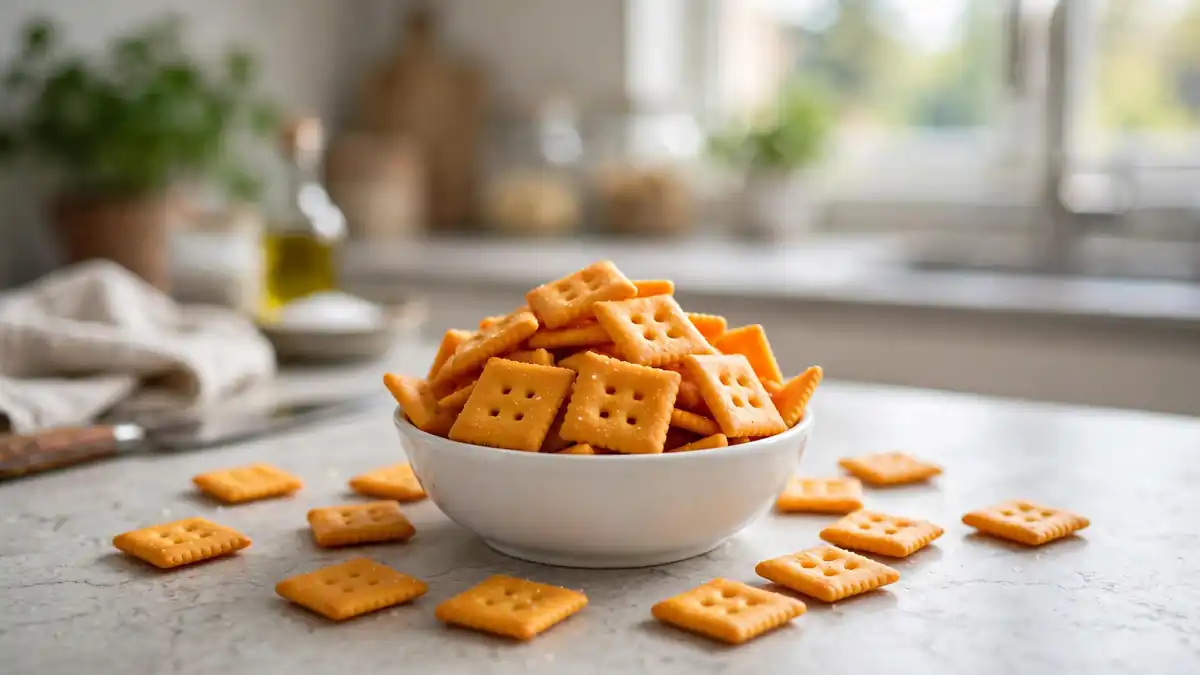
Cheese gives the cracker its smell and its appeal, and that smell explains why dogs want it. Real cheese does offer protein and calcium, and the American Kennel Club notes that cheese can work as a training reward in small amounts. But the cheese inside a Cheez-It arrives with refined flour, oil and salt, so the cracker keeps the flavor and drops the nutrition.
Enriched flour adds fast calories with little fiber. Vegetable oil adds fat without the fatty acid balance a dog gets from meat or fish. Salt seasons the whole mix and pushes the sodium far past what a small dog needs in a snack. None of these ingredients helps a dog.
Serving size deserves a second look. The label calls 27 crackers one serving, and most people eat more than one serving straight from the box without counting. Dogs get the same treatment, one cracker at a time, until the pile adds up. Small dogs feel that load first because their bodies hold less water to dilute it.
Why salt causes the biggest problem
Salt causes the biggest problem because dogs need very little sodium, and Cheez-Its pack a lot of it into a small cracker. Too much salt pulls water out of cells, raises thirst and can poison a dog that eats a large amount without enough fresh water.

Pet Poison Helpline lists vomiting, diarrhea, tremors, seizures and collapse among the signs of salt overdose in pets. Salt poisoning rarely follows one cracker. The risk climbs when a dog eats a large quantity, drinks little water, or already has kidney trouble. Puppies and small breeds sit closer to the edge because the same number of crackers delivers more salt per pound of body weight.
The Merck Veterinary Manual reports that clinical signs of salt toxicosis in dogs can appear after 2 to 3 grams of salt per kilogram of body weight, with a lethal dose near 4 grams per kilogram. A whole box of Cheez-Its holds far more salt than a few crackers, and a dog that raids an open box can reach worrying amounts fast. Fresh water matters here, since salt toxicosis turns worse when a dog cannot drink freely.
Owners sometimes miss the early signs because they look ordinary. Extra thirst, extra trips outside to urinate and a dry mouth can pass as normal after a salty snack. Vomiting, wobbling, confusion and muscle tremors mean the situation has moved past mild, and those signs call for a vet. Our guide to salt safety for dogs covers the other common sources owners forget.
Fat, calories and the pancreatitis risk
Fat and calories matter because Cheez-Its deliver both without the nutrients that justify them, and a fatty snack can inflame the pancreas in dogs prone to the condition. Pancreatitis brings vomiting, belly pain and lethargy, and severe cases need hospital care.
Eight grams of fat per 27 crackers sounds small until you scale it to a dog. A 10 pound dog eats a fraction of what a person eats, so a few crackers carry a bigger share of its daily fat. Dogs with a history of pancreatitis, dogs on low fat diets and overweight dogs face the most risk from rich snacks.
Weight gain creeps in through the same door. Cheez-Its add 150 calories per serving with no fiber to slow a dog down, and owners often hand them over without counting them. Extra pounds strain joints, worsen breathing and raise the odds of diabetes. The daily handful adds up all the same.
Cheese itself carries a mixed record here. The American Kennel Club warns that cheese is high in fat and that too much can lead to weight gain and pancreatitis, and it suggests a small cube or a few shreds as enough. A Cheez-It gives a dog the fat of cheese without the protein that makes a small piece of real cheese a fair trade. Plain cheese in a tiny portion beats a processed cracker every time.
Which Cheez-It flavors carry extra danger
Flavored Cheez-Its carry extra danger because some varieties add onion powder and garlic powder, and both damage red blood cells in dogs. Hot and Spicy is the variety owners should watch most, and any flavor with added seasoning needs a label check first.

Original Cheez-Its skip those powders, which is why guides disagree about the snack. The disagreement comes from different flavors, not different facts.
A dog that eats Original crackers faces salt and fat. A dog that eats a seasoned variety faces salt, fat and Allium powders on top. The ASPCA lists onion, garlic and chives as foods that cause stomach irritation and red blood cell damage, and it notes that the harm depends on the amount eaten.
Garlic powder concentrates the risk. Drying removes water and leaves the active compounds behind, so a spoonful of powder carries more punch than the same weight of fresh garlic. Seasoned crackers also tend to carry more salt than Original, which stacks two problems into one bite.
Sugar free and reduced fat versions bring their own traps. Some sugar free snacks use xylitol, and the ASPCA warns that xylitol can drop blood sugar and damage the liver. Reduced fat crackers often replace fat with extra salt or sugar to keep the flavor. The label on the back of the box settles every one of these questions in seconds, and checking it beats guessing from the front of the box.
What happens if your dog eats a few crackers
A few crackers usually cause nothing worse than thirst and a soft stool in a healthy adult dog. Watch the dog for several hours, keep fresh water out, skip the next round of treats and call a vet if vomiting, tremors or weakness appear.

Most dogs that snatch one or two crackers show no signs at all. The dog drinks more water, maybe asks to go outside sooner, and life moves on. A larger amount brings vomiting, diarrhea, restlessness and a swollen belly within a few hours. Dogs that eat a whole box need a vet call even before signs appear.
Never make a dog vomit at home unless a vet tells you to. Salt water and home remedies can push a mild salt load into a dangerous one, and the Pet Poison Helpline warns against using salt to induce vomiting. Note the flavor, the rough number of crackers and the time the dog ate them before you call, since those three facts shape the advice you get.
Puppies, seniors and dogs with kidney disease, heart disease or pancreatitis deserve a faster call. Their bodies handle salt and fat with less margin, so a dose that barely bothers a healthy adult can trouble them. Dogs on prescription diets face the same problem, since a salty snack can undo the diet the vet built for them. When in doubt, the call costs nothing and the wait can cost a lot.
Signs that need a vet call right away
Repeated vomiting, bloody diarrhea, tremors, seizures, collapse, a swollen belly or a dog that cannot stand all need a vet right away. These signs point to salt poisoning, pancreatitis or a blockage, and each one gets worse with waiting, so act fast.

Early signs look mild and tempt owners to wait. Extra thirst, frequent urination, drooling and a single bout of vomiting can settle on their own after a small snack. Vomiting twice in an hour, diarrhea with blood, a dog that paces and cannot settle, or a dog that goes quiet and refuses water all cross the line. Dogs hide pain well, so a dog that yelps when touched around the belly is telling you something hurts.
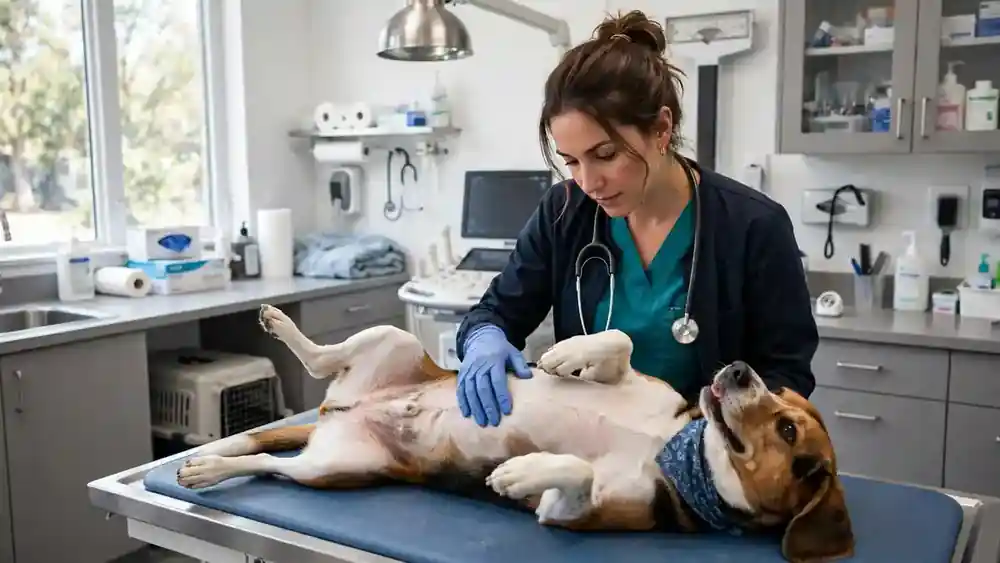
Pancreatitis signs deserve special attention after fatty snacks. Vomiting, belly pain, loss of appetite and lethargy form the usual pattern, and the dog may stretch its front legs down with its rear in the air to ease the ache. Salt poisoning leans more toward the nervous system, with wobbling, confusion, muscle tremors and seizures.
Both conditions need a vet, and both get harder to treat the longer they run. Call the vet first, then the poison line if the vet directs you there, and keep the dog calm and near water while you wait for instructions.
How many Cheez-Its can a dog have, if any
Zero is the safest number, and no vet body publishes a safe daily amount of Cheez-Its for dogs. A single Original cracker now and then rarely harms a healthy adult dog, but that is a tolerance, not a recommendation for your dog.

That frustrates owners who want a number, yet no number exists because the research does not exist. Nobody ran a feeding trial to find the safe dose of a cheese cracker for dogs, and the salt math changes with every dog’s size, health and water access. A healthy 70 pound dog tolerates a cracker that would strain a 5 pound puppy, and a dog with kidney disease tolerates less than either. Any number in a guide is a guess dressed as guidance, so this guide will not offer one.
Frequency matters as much as amount. One cracker a month and one cracker a day are different habits, and daily crackers train a dog to beg at snack time while adding salt and fat to every day. Dogs that beg hard get fed more, and the portion creeps up without anyone deciding to raise it.
Training treats deserve better than crackers anyway. Small pieces of plain cooked chicken, carrot sticks and commercial training treats give dogs a reward without the salt load, and they cost less per day than a box of Cheez-Its. Dogs care about the smell, the crunch and the attention, not the brand on the box. A carrot crunch satisfies the same urge with a fraction of the risk.
Safer crunchy snacks your dog can enjoy
Safer crunchy snacks include raw carrot sticks, cucumber slices, apple slices without seeds and air popped popcorn without salt or butter. Each one gives a dog crunch and flavor without the salt and fat load of a cheese cracker in every bite.

Carrots lead the list because dogs love the crunch and the sweetness, and a carrot stick costs almost nothing in calories. Cucumber slices work well for dogs that need to watch their weight, since they carry mostly water. Apple slices add fiber and a sweet smell, but the seeds and core stay out of the bowl. Air popped popcorn for dogs makes a fun training reward when it carries no salt, butter or flavoring,
Plain cheese still has a place, in a tiny portion. A pea sized cube of mozzarella or cottage cheese works as a high value training reward, and the AKC points to cottage cheese as lower in fat and sodium than most cheeses. The portion stays small, the dog gets the cheese flavor it wanted, and the salt load stays far below a handful of crackers. Dogs that cannot handle dairy do better with cooked chicken or a commercial treat made for sensitive stomachs.
Crunchy human snacks that fail the test include pretzels, chips and flavored crackers. Pretzels for dogs carry the same salt problem as Cheez-Its, and chips add frying oil on top. Our list of foods that are toxic to dogs covers the ones that go beyond unhealthy into dangerous, and our guide to human foods dogs can eat lists the safe swaps in one place.
Frequently asked questions
Owners ask the same Cheez-Its questions in different words, and the answers below cover the ones that come up most. Each answer keeps the same rule, salt and fat make the cracker a poor choice, and the flavor on the label decides how urgent the risk is.

Can dogs eat Cheez-Its at all?
One Original cracker rarely harms a healthy adult dog, but Cheez-Its should not be a regular snack. Salt and fat make them a poor choice, and flavored varieties can add onion and garlic powder.
Are Cheez-Its toxic to dogs?
Original Cheez-Its are not toxic in the classic sense, since no ingredient in the recipe sits on the standard poison lists. Large amounts can still poison a dog through salt, and flavored varieties add onion and garlic powder, which damage red blood cells. Dose and flavor decide the danger.
What should I do if my dog eats a whole box of Cheez-Its?
Call your vet right away and report the flavor, the rough number of crackers and the time your dog ate them. Keep fresh water available, watch for vomiting, tremors or weakness, and do not make your dog vomit unless the vet tells you to. A whole box can deliver enough salt to need medical care.
Can puppies eat Cheez-Its?
Puppies should not eat Cheez-Its. Their small bodies and developing kidneys handle salt and fat with less margin than an adult dog, so a few crackers carry more risk per pound. Puppy training treats and small pieces of plain cooked chicken make safer rewards.
Can dogs eat Cheez-Its if they have kidney disease?
Dogs with kidney disease should not eat Cheez-Its. Their kidneys already struggle to clear sodium, and a salty snack adds work to an organ that has little spare capacity. Ask your vet about low sodium treats that fit your dog’s prescription diet.
What snacks can I give my dog instead of Cheez-Its?
Carrot sticks, cucumber slices, apple slices without seeds, air popped popcorn without salt or butter, and small pieces of plain cooked chicken all work well. A pea sized cube of low fat cheese also works as a training reward. Keep every treat small and count it toward the daily treat budget.
Cheez-Its will keep tempting dogs every time a box opens, and the safest habit is also the simplest one. Keep the box on a high shelf, hand your dog a carrot stick instead, and save the cheese crackers for yourself. Your dog gets the crunch it wanted, and you skip the vet call.