Can Dogs Get Salmonella? Symptoms, Treatment and Prevention
Yes, dogs can get salmonella, but most dogs that swallow the bacteria never get sick. Can dogs get salmonella and show no signs at all? They can, and that silent carrier state shapes the whole story.
Healthy adult dogs usually clear the germs with stomach acid and a strong immune system. Puppies, seniors and dogs with weak immunity face the real danger, and a sick dog can pass the bacteria to the people in the house.
Salmonella sounds like a human food poisoning problem, and most owners meet the name on a news report about recalled food. Dogs live in the same kitchens and lick the same floors, so the bacteria reach them through the same routes. Raw meat sits at the top of that list, followed by contaminated kibble, treats, water and the stool of other animals.
Can dogs get salmonella?
Dogs can get salmonella by swallowing the bacteria in contaminated food, water or stool, and the illness it causes is called salmonellosis. Most healthy adult dogs fight it off without symptoms, while puppies, seniors and dogs with weak immune systems can develop diarrhea, vomiting, fever and dehydration.
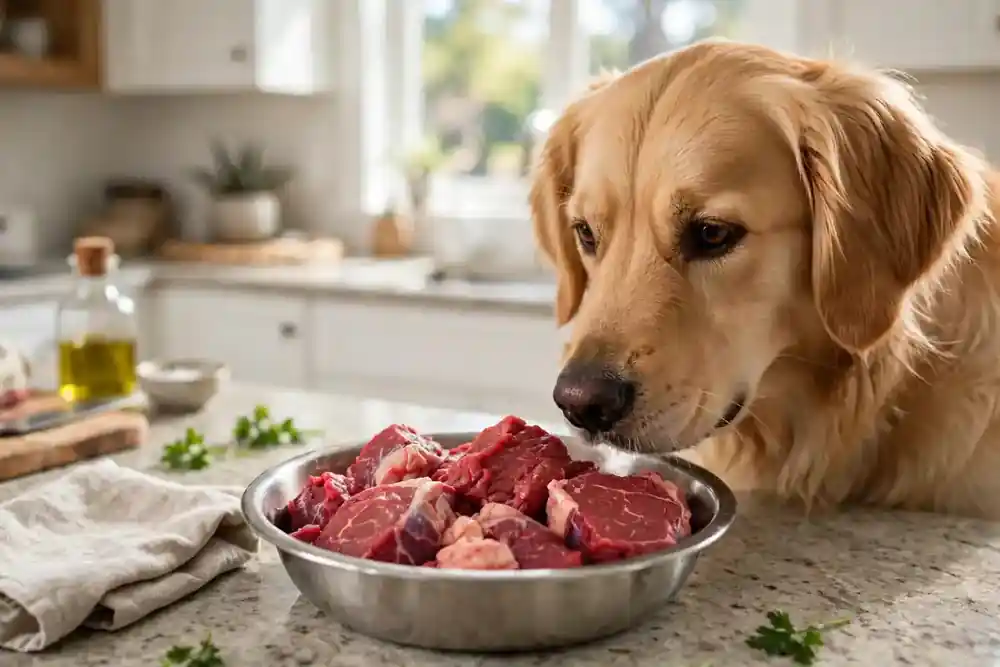
Salmonella is a group of bacteria that lives in the intestines of animals and people. The bacteria cause food poisoning in humans and gut infections in dogs, and the same strains can move between species. Dogs meet the bacteria most often through food, and raw meat carries the highest load. The CDC tracks Salmonella outbreaks in people and pets and lists food, pets and travel among the common sources.
One often cited study found Salmonella in about 2.5 percent of dogs tested, and only about half of those dogs had diarrhea at the time. The rest looked fine and shed bacteria in their stool anyway. That gap between infection and illness explains why vets treat a positive test differently from a sick dog. A healthy carrier needs hygiene and monitoring, while a sick dog needs a vet.
How dogs pick up salmonella
Dogs pick up salmonella by eating or licking something contaminated, and raw meat, raw eggs, contaminated kibble, dirty water and infected stool are the usual sources. Dogs also catch it from dead animals, other dogs and the hands of people who handled raw food.
Raw diets drive most of the risk. The ASPCA lists raw meat and raw eggs as a Salmonella risk for pets and people alike. The FDA tested 196 samples of raw pet food in a two year study and found Salmonella in 15 of them, with Listeria in 32.
Dry kibble and jerky treats in the same study tested clean, which is why the FDA warns that raw pet food carries a higher contamination risk than cooked or processed food. Owners who feed raw handle the risk every day, often without knowing it.
Contaminated kibble still causes outbreaks, usually through a single bad batch rather than a whole brand. Our guide to salmonella in dog food covers the food side in full, including past recalls. Treats made from raw animal parts, such as pig ears and rawhide, carry the same risk as raw meat. Water bowls left outside can pick up bacteria from bird droppings and runoff, and dogs that scavenge dead animals or eat other dogs’ stool can swallow a large dose at once.
People spread it too. Hands that handled raw chicken and then patted the dog, or a child who feeds the dog from the table, move bacteria around the house. Dogs lick their paws, their bowls and their owners, so a germ that lands on a surface rarely stays there.
Why most infected dogs never look sick
Most infected dogs never look sick because a healthy dog’s stomach acid, gut bacteria and immune system kill or contain Salmonella before it causes disease. The bacteria still pass through in the stool for weeks, so a dog can spread the germs while looking perfectly healthy.
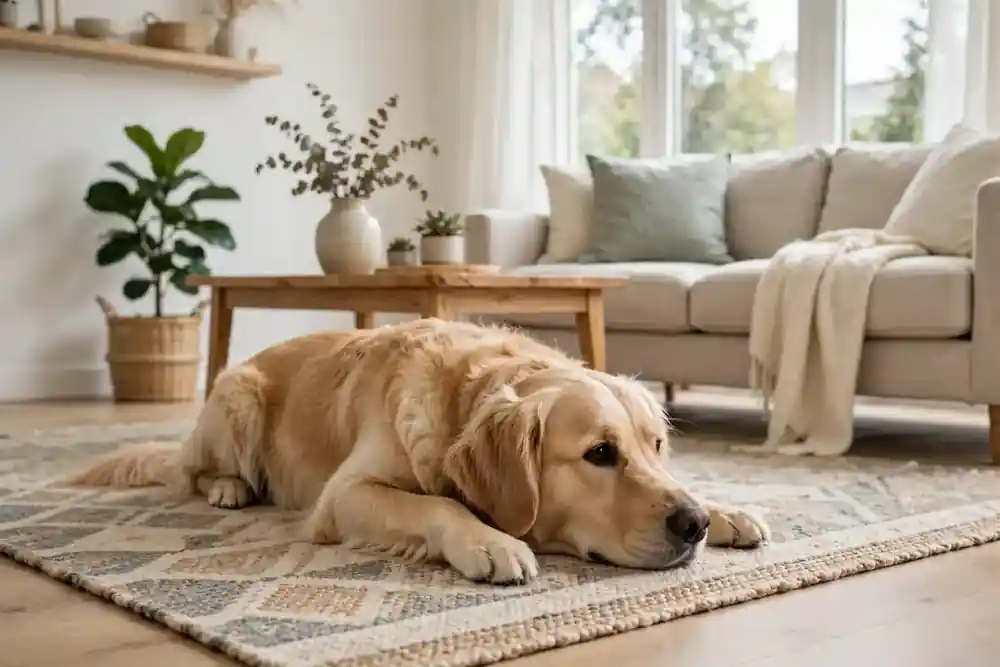
Dog stomachs run more acidic than human stomachs, and that acid kills a large share of the bacteria a dog swallows. The gut lining and the normal bacteria living there block the rest from gaining a foothold. A healthy adult dog with a normal immune system usually clears the infection in days without a single loose stool.
Dose decides the rest. A dog that licks a contaminated bowl meets a small number of bacteria, while a dog that eats a pound of raw chicken meets a large one. Large doses overwhelm the same defenses that handle small ones with ease. Stress, recent antibiotics, surgery and other illnesses lower the defenses further.
Silent shedding creates the hidden risk. Studies have found Salmonella in the stool of infected dogs for up to six weeks after the first infection, and the shedding can outlast the symptoms by a long time. Owners stop worrying once the dog looks well, yet the yard, the bowls and the dog’s mouth can still carry bacteria.
Symptoms of salmonella in dogs
Symptoms of salmonella in dogs usually start within 24 to 72 hours of exposure and include sudden diarrhea, vomiting, fever, loss of appetite, lethargy and belly pain. Bloody or mucus coated stool, dehydration and a hunched posture signal a worse case that needs a vet the same day.
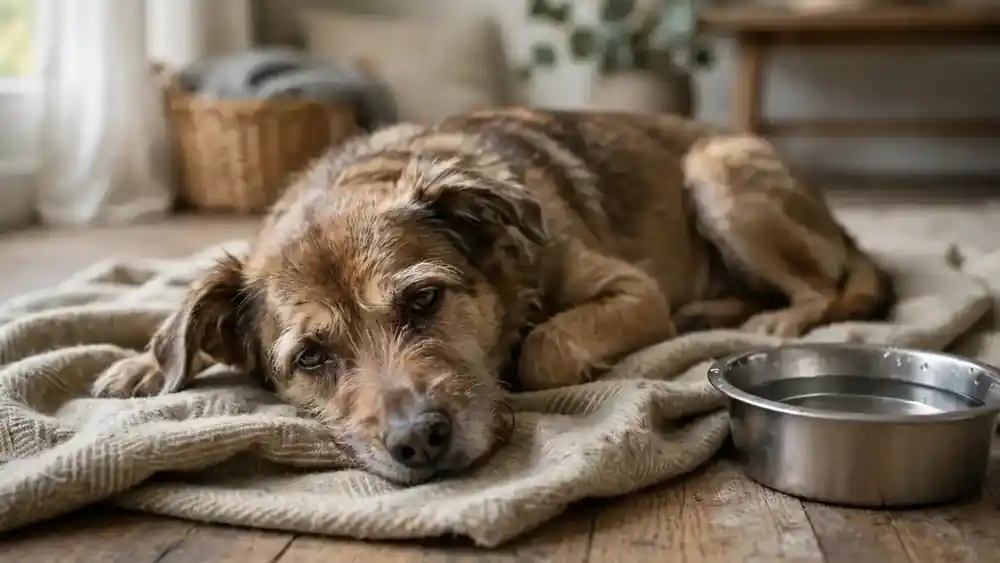
Diarrhea leads the list and often arrives first. The stool may turn watery, carry mucus or contain blood, and the dog may need to go outside far more often than usual. Vomiting follows in many cases. Fever, tiredness and a refusal to eat complete the usual pattern, and the dog may flinch when picked up because its belly hurts.
Dehydration deserves its own check. Dogs lose water fast through vomiting and diarrhea, and small dogs dry out first. Dry or tacky gums, sunken eyes and skin that stays pinched up after a gentle pull all point to fluid loss.
A dog that will not drink needs a vet. Our guides to dog vomiting and dog diarrhea cover the general warning signs that apply here too.
Severe cases move beyond the gut. The bacteria can enter the blood and cause sepsis, a body-wide infection that brings high fever, weakness, rapid breathing and collapse. Pregnant dogs can lose their puppies. These signs mean emergency care, and the odds turn on how fast the dog reaches the clinic.
Puppies, seniors and dogs at higher risk
Puppies, senior dogs and dogs with weak immune systems face the highest risk from salmonella because their defenses cannot contain the bacteria as well. Dogs on steroids, chemotherapy or long courses of antibiotics, and dogs recovering from surgery, sit in the same high risk group.
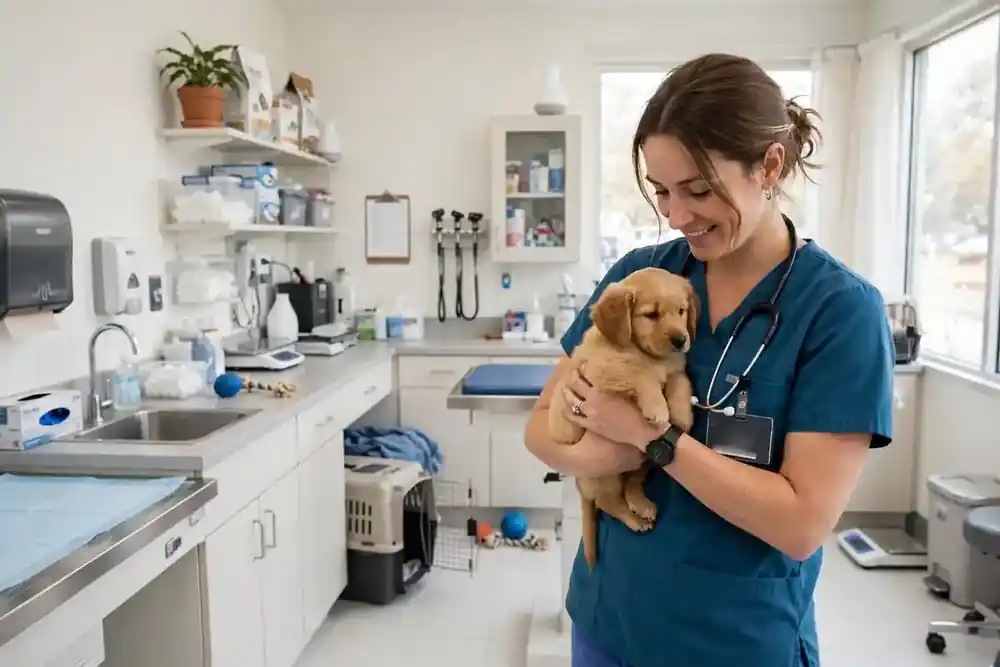
Puppies carry two strikes against them. Their immune systems are still learning, and their small bodies lose water fast once diarrhea starts. A puppy with salmonella can go from playful to flat in a few hours. Any puppy with bloody diarrhea or a fever needs a vet the same day, without a waiting period.
Senior dogs face the other end of the same problem. Aging weakens the immune response and often brings kidney disease, cancer or medicines that suppress immunity. A senior dog that eats contaminated food may show vague signs first, such as sleeping more or skipping a meal, and owners can miss the early window.
Antibiotics create a strange twist. A dog on antibiotics for another problem has fewer normal gut bacteria to block Salmonella, so the germs find an open door. Stress does the same thing in a milder way, through kennel stays, moves and new pets. Owners who know their dog sits in a high risk group should skip raw food entirely.
How a vet diagnoses salmonella
A vet diagnoses salmonella with a fecal culture, a lab test that grows the bacteria from a stool sample over a few days. Blood tests, a physical exam and the dog’s recent food history support the diagnosis while the culture runs.
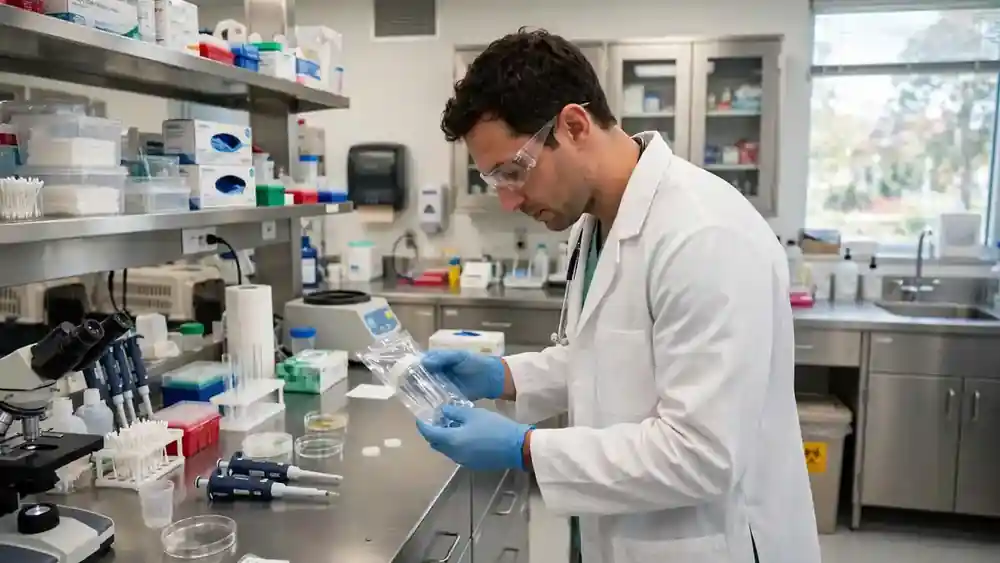
The visit starts with questions. The vet will ask what the dog ate in the last three days, whether the diet includes raw meat, and whether anyone else in the house has been ill. The exam checks temperature, hydration, belly pain and lymph nodes. A fresh stool sample goes to the lab, where technicians grow the bacteria and identify the strain.
Fecal culture takes time because bacteria need days to grow in the lab, so the vet treats the symptoms while waiting for the result. A positive culture confirms the diagnosis, but a negative one does not fully rule it out, since dogs shed bacteria in waves and a single sample can miss a quiet day. Blood work shows dehydration, white cell changes and organ strain, and it helps the vet judge how sick the dog really is.
Owners can help the process by bringing a fresh stool sample in a clean bag and writing down everything the dog ate, including treats, table scraps and anything scavenged outside. Photos of the food label help when a recall is suspected. Never collect a sample with bare hands, and wash up right after, since the bacteria in that sample can infect people too.
Treatment and recovery at home
Treatment for salmonella in dogs centers on fluids, rest and a bland diet while the body clears the infection, and most mild cases recover in a few days. Vets reserve antibiotics for severe cases or dogs with weak immunity, since antibiotics can prolong shedding and breed resistance.
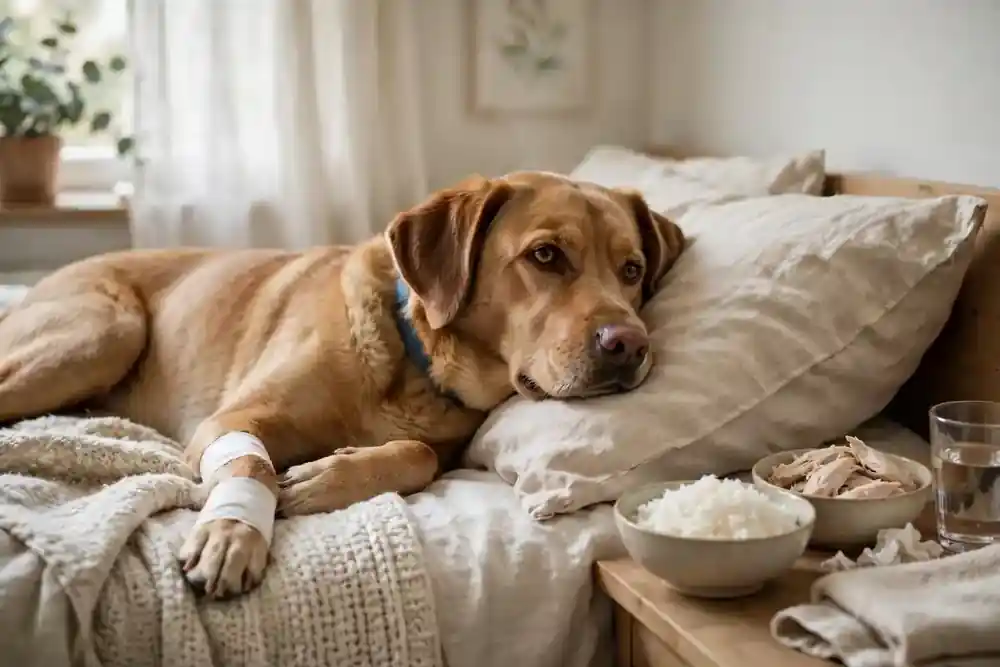
Fluids come first because dehydration kills faster than the bacteria do. A dog that drinks and keeps water down can recover at home with small, frequent sips and a bland diet of boiled chicken and rice once vomiting settles. A dog that cannot keep water down needs fluids under the skin or into a vein at the clinic.
The antibiotic question surprises most owners. Vets often skip antibiotics in mild cases because the drugs can make a dog shed Salmonella for longer and push the bacteria toward resistance. Antibiotics go to dogs with blood infection, high fever, very young or old age, or a weak immune system, and the choice follows the culture result when one exists. Never give a dog human antibiotics or leftover pills from another pet, since the wrong drug at the wrong dose can harm the dog and hide the real problem.
Home care runs on hygiene as much as medicine. Wash hands after every contact with the sick dog, clean bowls with hot soapy water after each meal, and pick up stool right away with a bag, then wash hands again. Keep the sick dog away from children and from other pets when possible. Most dogs feel better in three to seven days, yet shedding can continue for weeks.
Can dogs pass salmonella to people?
Dogs can pass salmonella to people through stool, saliva, contaminated bowls and shared surfaces, and children, pregnant women and people with weak immunity face the highest risk. Hand washing after handling the dog, its food and its stool blocks most of that risk.
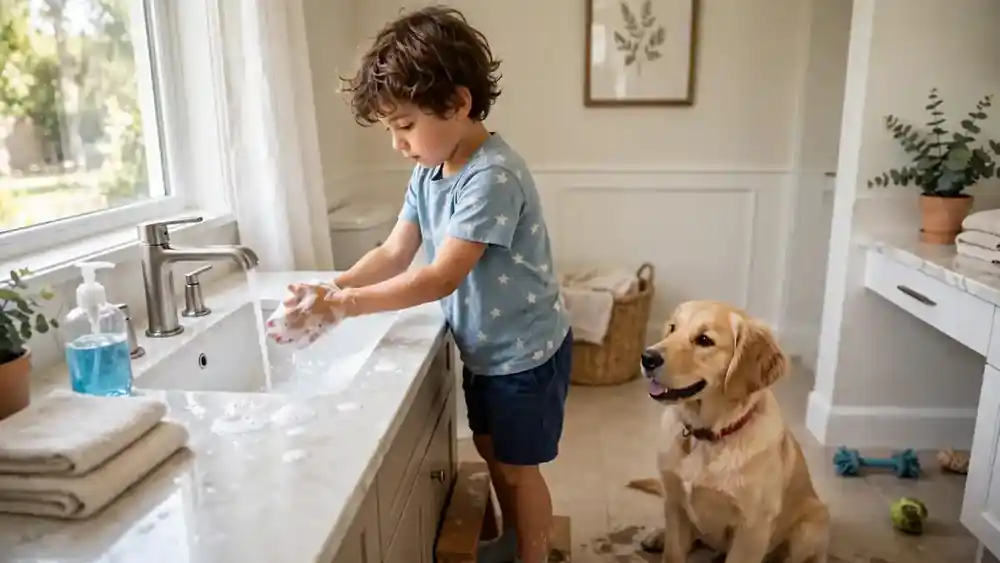
Salmonellosis is a zoonotic disease, which means it moves between animals and people in both directions. People usually catch it from a dog’s stool, from licking after the dog ate raw food, or from touching a contaminated bowl, toy or bed. Children face the most risk because they play on the floor, put hands in mouths and hug the dog after it licks itself.
Symptoms in people mirror the dog version, with diarrhea, stomach cramps, fever and vomiting starting within hours to a few days of exposure. Most healthy adults recover in under a week, but the infection can turn severe in babies, older adults and anyone with a weak immune system.
Raw feeding raises the household risk more than any other habit. The FDA found raw pet food more likely to carry Salmonella than other pet foods, and the bacteria spread from the food to hands, counters, bowls and the dog’s mouth. Families with small children or immune suppressed members should think hard before starting a raw diet at all.
How to prevent salmonella in your dog
Preventing salmonella in dogs comes down to food choice, kitchen hygiene and stool cleanup. Cook meat fully, skip raw diets, wash hands and bowls after every meal, store food safely, and pick up stool right away without fail every day.
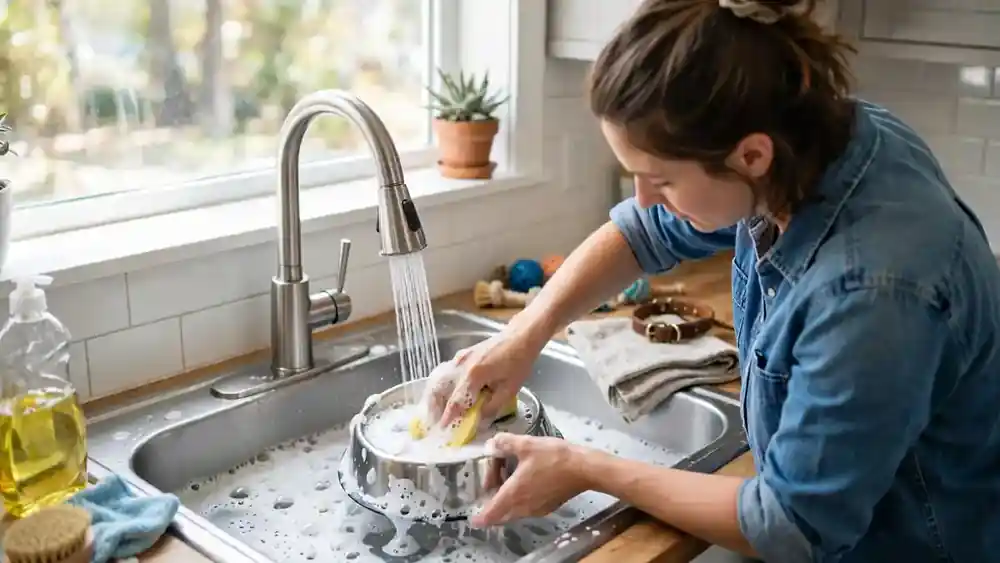
Food choice does the heavy lifting. Cooked commercial food and cooked homemade diets carry far less risk than raw meat, raw eggs and raw treats. The FDA advises owners to wash hands for at least 20 seconds after handling pet food, wash bowls and scoops after each use, and store dry food in its original bag in a cool, dry place. Damaged cans and torn bags go back to the store, since a broken seal invites bacteria in.
Kitchen habits close the gaps that food choice leaves open. Wash hands before and after handling pet food, never use the dog bowl as a scoop, and keep pet food away from human food on counters and in the fridge. Thaw raw meat in the fridge, never on the counter.
Dogs that eat raw chicken for dogs face the same bacteria that sicken people, so the same care applies. Our guide to raw dog food covers the full risk picture for owners weighing the choice.
Outside the kitchen, the routine stays simple. Pick up stool the same day, keep the dog from drinking stagnant water, and stop scavenging on walks with a firm leave it command. Our page on dog food recalls explains where to check and what the lot code means. A few minutes of hygiene each day costs less than a week of vet visits.
Frequently asked questions
Owners ask the same salmonella questions after a scare, a raw food debate or a recall notice. The answers below cover the ones that come up most, and each one keeps the same thread, most dogs cope fine, the vulnerable ones need fast help, and hygiene protects the whole house.
Can dogs get salmonella from raw chicken?
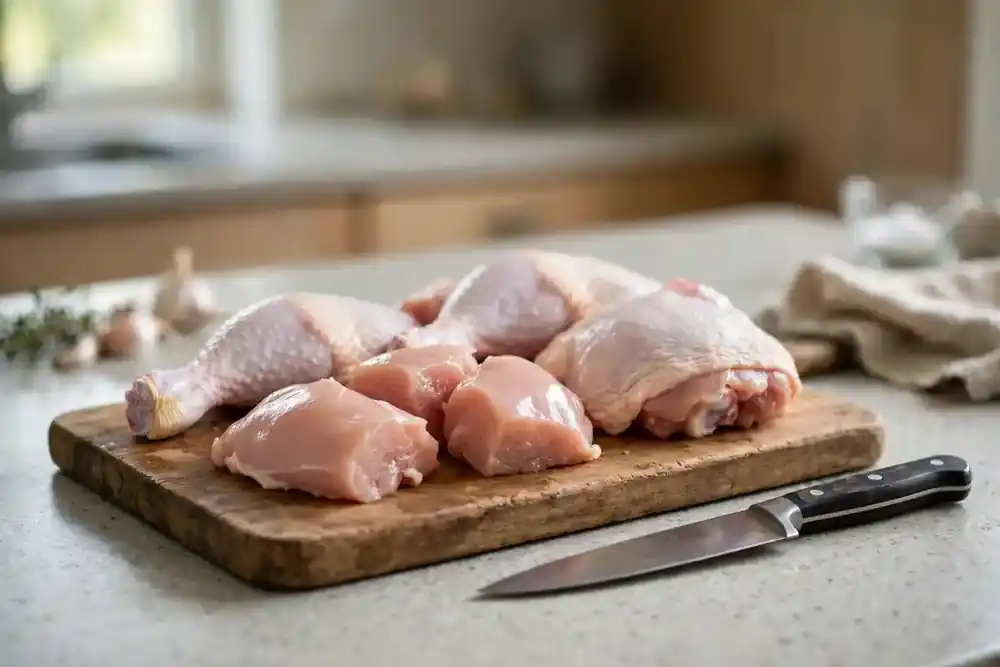
Yes, raw chicken is one of the most common sources of Salmonella for dogs. Cooking chicken fully kills the bacteria, so plain boiled chicken without bones is safe. Never feed raw chicken, and wash hands and surfaces after handling it.
How long does salmonella last in dogs?
Symptoms usually last a few days to a week in mild cases, and most dogs feel better within three to seven days. Shedding of bacteria in the stool can continue for up to six weeks after the illness, so hygiene matters long after the dog looks well.
Do dogs need antibiotics for salmonella?
Most dogs do not need antibiotics for salmonella. Vets treat mild cases with fluids, rest and a bland diet, and reserve antibiotics for severe cases, blood infection or dogs with weak immunity. Antibiotics can prolong shedding, so the vet decides case by case.
Can my dog give me salmonella?
Yes, people can catch Salmonella from an infected dog through stool, saliva or contaminated bowls and surfaces. Children, pregnant women and people with weak immunity face the most risk. Wash hands after handling the dog, its food and its stool.
What should I feed a dog recovering from salmonella?
Feed small, frequent meals of plain boiled chicken and rice once vomiting has settled, and offer fresh water at all times. Skip treats, raw food and rich food until the vet clears a return to the normal diet. Call the vet if vomiting returns or the dog refuses to drink.
Can dogs get salmonella from kibble?
Yes, kibble can carry Salmonella when a batch gets contaminated, and recalls follow when testing catches it. Check the lot code on your bag against the FDA recall list, keep the bag until the food is gone, and stop feeding it if the lot matches a recall.
Salmonella in dogs rewards calm, fast action more than worry. Most dogs shake it off with fluids and rest, and the owners who do best call the vet early, wash their hands often and cook the chicken.