Can Dogs Eat Grits? Safety, Serving, and Risk Guide

Yes, dogs can eat grits in small amounts when the grits are plain, fully cooked with water, and served without butter or seasoning. Grits are ground corn simmered until soft, and plain grits are not toxic to dogs. The catch is nutrition: grits are almost all starch, so they add calories without adding protein or vitamins a dog needs. A spoonful now and then is safe for a healthy dog, and a daily bowl is not.
Can dogs eat grits?
Dogs can eat grits in small amounts when the grits are plain, fully cooked with water, and served without salt, butter, cheese, milk, garlic, onion, gravy, or hot sauce. Plain grits are not toxic to dogs, yet they offer almost no nutrition. A spoonful now and then is safe for a healthy dog, and a daily bowl is not.

Grits on a breakfast table almost always carry butter, salt, cheese, or bacon grease, and each extra adds fat, sodium, or a toxin on top of plain starch.
Some guides take a harder line and say owners should never feed grits on purpose, since better treats exist. That view has merit, because grits add calories without protein, vitamins, or fiber worth chasing. This guide agrees with the middle ground: a small plain taste will not harm a healthy dog, but grits earn no place as a regular treat when foods with real nutrition cost the same effort.
What are grits made of?
Grits are made of ground corn, usually white or yellow corn that has been soaked in an alkali solution to remove the outer hull. Cooks simmer the ground corn in water, milk, or broth until it turns into a thick soft porridge. Plain grits made with water hold mostly starch, with little protein, fat, or fiber left after processing.
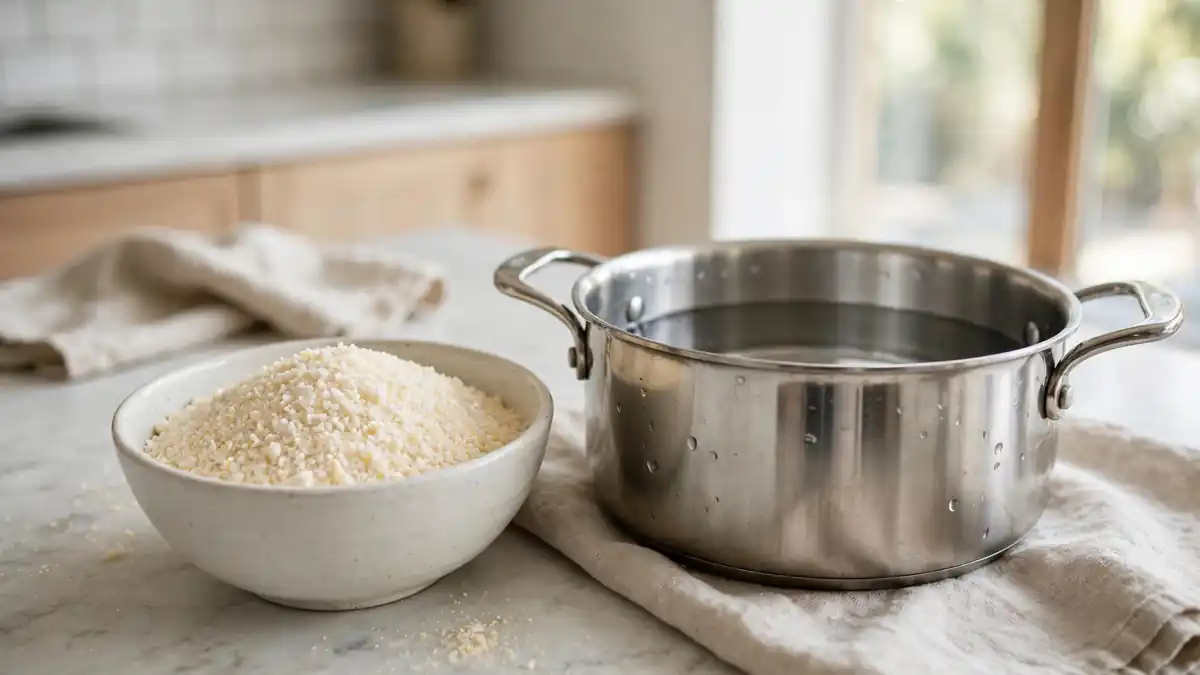
Corn processing strips much of the grain away. Whole corn kernels hold fiber and some protein, yet grits lose the hull and much of the fiber in the alkali soak. Per 100 grams, cooked grits hold about 13 grams of carbohydrate and only 1.4 grams of protein, which makes them one of the weakest foods an owner could share. Dogs digest the starch in cooked grits without trouble, but they gain almost nothing from it.
Stone ground grits keep a bit more texture and fiber than instant grits, since instant grits are precooked and dried for speed. Both forms are starch first and nutrition second. Corn in its plain kernel form offers more fiber than grits, and even corn is a treat rather than a staple for dogs.
Are grits good for dogs?
Grits are not good for dogs as a regular food, since they are mostly starch with little protein, fiber, or vitamins. A small plain serving will not harm a healthy dog, but it adds calories without adding nutrition a dog needs. Owners who want a warm starchy treat can pick plain oatmeal or rice instead.
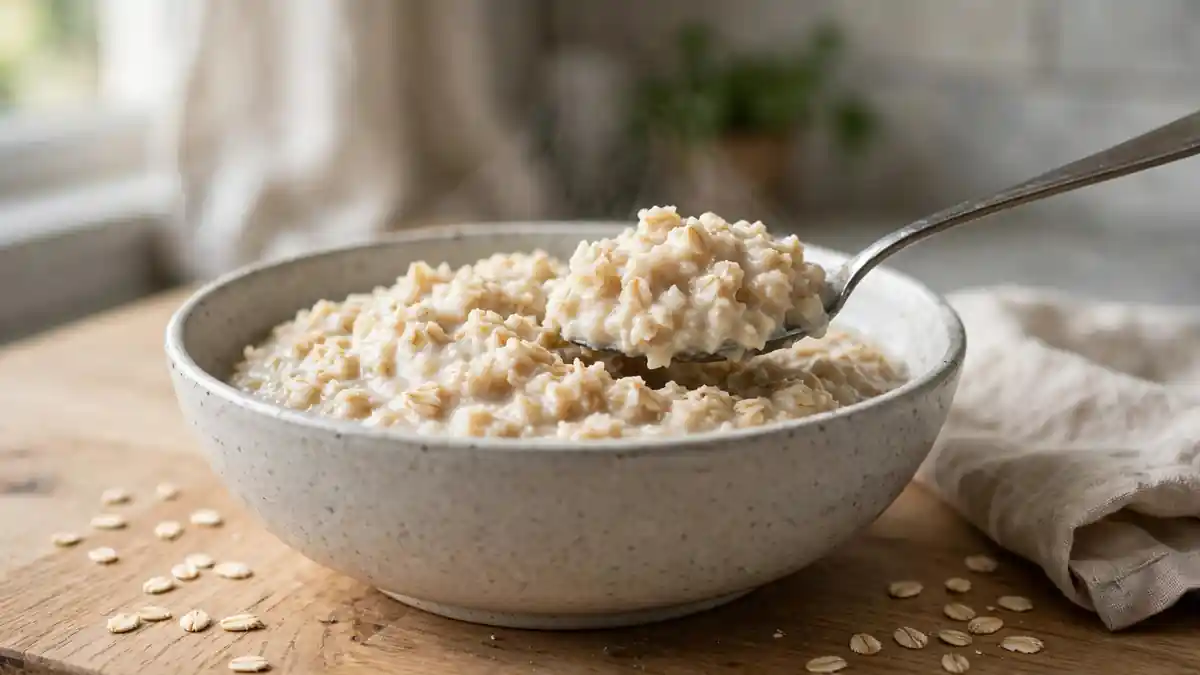
Dogs need protein, fat in the right amount, and a mix of vitamins and minerals from a complete diet. Grits supply energy and almost nothing else, so they displace better foods when they fill the treat budget. A dog that eats grits every morning takes in extra carbohydrate that can push weight up over weeks, while the protein and nutrients the dog needs stay flat. That trade is the real cost of grits.
Energy without nutrition suits a working dog on a cold morning in theory, yet the same calories from plain cooked chicken or a spoonful of pumpkin carry protein or fiber along with them. Grits win on softness and ease, since a dog with sore teeth or a tender mouth can lap them up without chewing.
How should grits be cooked for dogs?
Grits for dogs should be cooked plain with water only, simmered until fully soft, cooled to room temperature, and served in a small spoonful with no salt, butter, cheese, milk, cream, garlic, onion, or seasoning. Cook a separate small batch for the dog, since the family pot almost always holds salt and butter from the start.

Water is the only liquid a dog’s portion needs. Milk and cream add lactose that many dogs digest poorly, and broth often hides onion, garlic, and salt. Simmer the grits until no hard grains remain, since undercooked grits can swell in the stomach and cause discomfort. Stir often so the pot does not scorch, and test a spoonful for softness before cooling.
Cooling matters more than owners expect. Grits hold heat for a long time, and a hot spoonful can burn a dog’s mouth.
Spread the portion on a plate for several minutes and test it with a finger before serving. Leftover plain grits keep in the fridge for a day, and owners can warm them with a splash of water. Seasoned leftovers from the family pot should never go to the dog, even if the seasoning looks light.
How much grits can a dog eat?
A small dog can have one tablespoon of cooked grits, a medium dog can have one to two tablespoons, and a large dog can have up to three tablespoons. Offer grits once in a while, never daily, and keep all treats under 10 percent of daily calories. Start with half a tablespoon and watch the stool for a day.
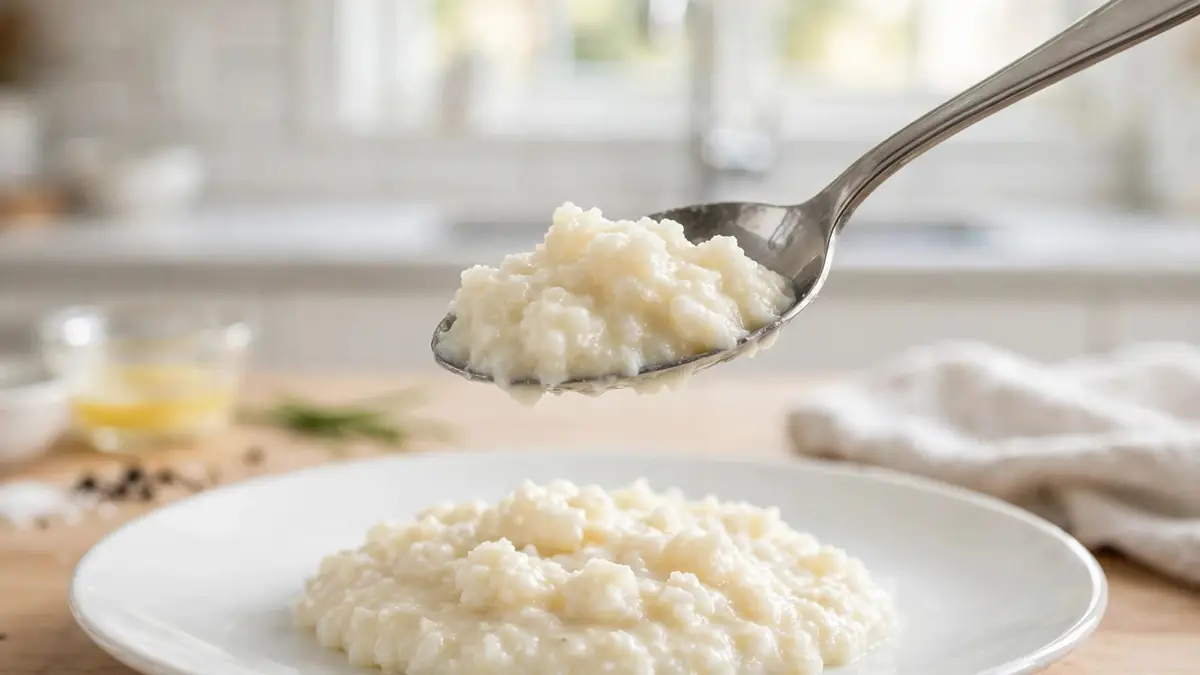
The 10 percent rule is the frame that keeps grits safe. The AKC broccoli guide applies the same rule to vegetables, and it holds for starchy treats too: treats should stay under 10 percent of daily calories, and broccoli over 25 percent is called toxic in that guide. Grits will not reach a toxic level at normal portions, yet the same budget thinking keeps the calories in check.
Size changes the portion fast. A tablespoon of grits holds roughly 15 to 20 calories, which is a small share of a large dog’s day and a real share of a toy breed’s day. Overweight dogs should get the smallest amount or none at all, since grits add weight without adding nutrition. Dogs that already eat corn in their kibble need no extra corn in the form of grits, and owners should count the grits inside the daily treat budget, not on top of it.
Can grits upset a dog’s stomach?
Grits can upset a dog’s stomach when the portion is too large, the grits are undercooked, or the grits carry butter, cheese, milk, or seasoning. Gas, bloating, soft stool, vomiting, and loss of appetite are the usual signs, and they tend to pass within a day once feeding stops.

Undercooked grits cause the most direct stomach trouble. Dry or half cooked grains absorb water in the gut and swell, which can cause bloating and discomfort in a dog that gulped a large spoonful. Fully cooked grits are soft and easy to digest, so cooking time is the fix. Dogs that eat too fast face the same risk with any soft food, and a slow feeder bowl can help a gulper.
Dairy is the second trigger. Butter, milk, cream, and cheese add lactose and fat, and many dogs digest lactose poorly, so a buttery bowl can cause gas and loose stool within hours. Fat adds a sharper risk for dogs prone to pancreatitis, since VCA Animal Hospitals notes that pancreatitis may follow a fatty meal in some cases, and its signs include vomiting, belly pain, lethargy, and loss of appetite.
Which dogs should skip grits?
Dogs with diabetes, obesity, pancreatitis history, corn allergy, or chronic stomach trouble should skip grits or eat them only with a vet’s approval. Puppies under six months and dogs on a prescription diet also need a vet check first, since their food is balanced to tight limits and starchy extras can upset that balance.

Diabetes is the clearest reason to skip grits. Grits are almost pure starch, and starch turns to glucose fast after a meal, so a spoonful can raise blood sugar in a dog that needs steady levels. A vet may allow a tiny taste for a well controlled diabetic dog, but most owners should skip grits for these dogs. Obesity is the second reason, since grits add calories without protein or fiber to keep a dog full.
Corn allergy is rare, yet it is real, and a dog with a known corn allergy should never eat grits. Signs of a corn allergy include itchy skin, hives, ear infections, vomiting, and diarrhea after eating corn foods. Dogs with pancreatitis history should skip buttered and cheesy grits at all times, since fat is the trigger that matters most for them. Senior dogs with several health problems at once should also get a vet check before any new starchy food.
What grits dishes are unsafe for dogs?
Grits dishes are unsafe for dogs when they add butter, cheese, bacon, sausage, gravy, hot sauce, garlic, onion, salt, or sugar. Shrimp and grits, cheese grits, buttered grits, and grits with gravy all fall in this group. The ASPCA list of people foods to avoid feeding pets covers onion, garlic, and chives as gut and red blood cell risks.

Cheese grits are the most common unsafe form. Cheddar and other cheeses add fat, salt, and lactose, and many dogs digest lactose poorly, so a cheesy bowl can cause gas, bloating, and loose stool. Buttered grits add fat without any nutrition, and a large buttery serving can trigger pancreatitis in a sensitive dog. Shrimp and grits combine the fat problem with shellfish and seasoning, since the shrimp often cooks in butter, garlic, and Cajun spice.
Instant grits deserve a separate warning. Plain instant grits are close to plain stone ground grits, yet flavored instant packets add salt, cheese powder, butter flavor, sugar, and sometimes garlic or onion powder.
A cheese flavor packet can hold far more sodium than a dog should eat in a snack. Owners should read the packet label and skip any flavored grits for the dog. When the only grits in the house are buttered or flavored, the dog gets none of them.
How do grits compare with oatmeal and rice?
Grits compare poorly with oatmeal and rice, since both offer more fiber and a better nutrient mix for the same calories. Plain oatmeal gives soluble fiber that supports digestion, and plain rice is gentle on sensitive stomachs. Grits are softer than both, which helps dogs with sore teeth, but softness alone does not make them the better pick.

Oatmeal wins on fiber. A spoonful of plain cooked oatmeal holds more soluble fiber than the same spoonful of grits, and fiber slows digestion and steadies blood sugar. Rice wins on gentleness, since vets often suggest plain rice with boiled chicken for dogs with upset stomachs.
Popcorn and bread sit nearby in the corn and grain group, and they show the same pattern. Plain air popped popcorn without salt or butter makes a light crunchy treat, while plain bread in a small piece is a starchy snack with little nutrition. Potatoes offer more potassium and vitamin C than grits when cooked plain, yet they carry the same starch load. The AKC guide to fruits and vegetables dogs can and cannot eat reminds owners that dogs have no real need for grains or produce as staples, and treats of any kind work best in small amounts.
Frequently asked questions about grits for dogs
The questions below answer what owners ask most about grits: whether plain grits are safe, how much a dog can eat, which toppings turn them risky, and what to do if a dog eats a bowl of buttered grits. Each answer starts with the short version, then the detail that helps you decide what to do next.

Can puppies eat grits?
Puppies can eat a tiny taste of plain cooked grits after six months of age, but a vet check comes first. Puppy diets are balanced for growth, and new starchy foods can trigger diarrhea. Offer half a tablespoon once, watch the stool for a day, and keep treats under 10 percent of daily calories.
Can dogs eat grits with butter?
Dogs should not eat grits with butter. Butter adds fat and lactose, and many dogs digest lactose poorly, so buttered grits can cause gas, loose stool, and stomach pain. A large buttery serving can also trigger pancreatitis in a sensitive dog. Cook a separate plain portion with water only.
Can dogs eat instant grits?
Dogs can eat plain instant grits in a small amount, since plain instant grits are close to plain stone ground grits. Flavored instant grits are a different food, since the packets add salt, cheese powder, butter flavor, sugar, and sometimes garlic or onion powder. Read the label and skip flavored packets for the dog.
Can diabetic dogs eat grits?
Diabetic dogs should skip grits or eat them only with a vet’s approval. Grits are almost pure starch, and starch turns to glucose fast after a meal, which can raise blood sugar. A vet may allow a tiny taste for a well controlled dog, but most diabetic dogs are better off without grits.
Can dogs eat grits with cheese?
Dogs should not eat grits with cheese. Cheese adds fat, salt, and lactose, and many dogs digest lactose poorly, so cheese grits can cause gas, bloating, and loose stool. Cheese grits also carry more calories than plain grits, which pushes weight up over time. Offer plain grits or a different treat instead.
What should I do if my dog eats buttered grits?
Take the bowl away, offer fresh water, and watch the dog for vomiting, diarrhea, gas, or belly pain over the next day. Call a vet if vomiting repeats, diarrhea lasts more than a day, the dog seems weak, or the belly looks swollen. Note how much the dog ate and whether the grits held garlic, onion, or hot sauce.
Grits are a safe bite in tiny plain amounts and a poor habit in any larger form. Plain cooked grits with water will not harm a healthy dog, yet they add calories without adding nutrition a dog needs. Butter, cheese, salt, garlic, and flavored packets cause the real problems, and dogs with diabetes, obesity, or pancreatitis history should skip grits or ask a vet first. Start with half a tablespoon, watch the stool for a day, and keep grits inside the 10 percent treat budget. When the choice is between grits and a treat with real nutrition, pick the treat with real nutrition.